
Breakfast & Brunch
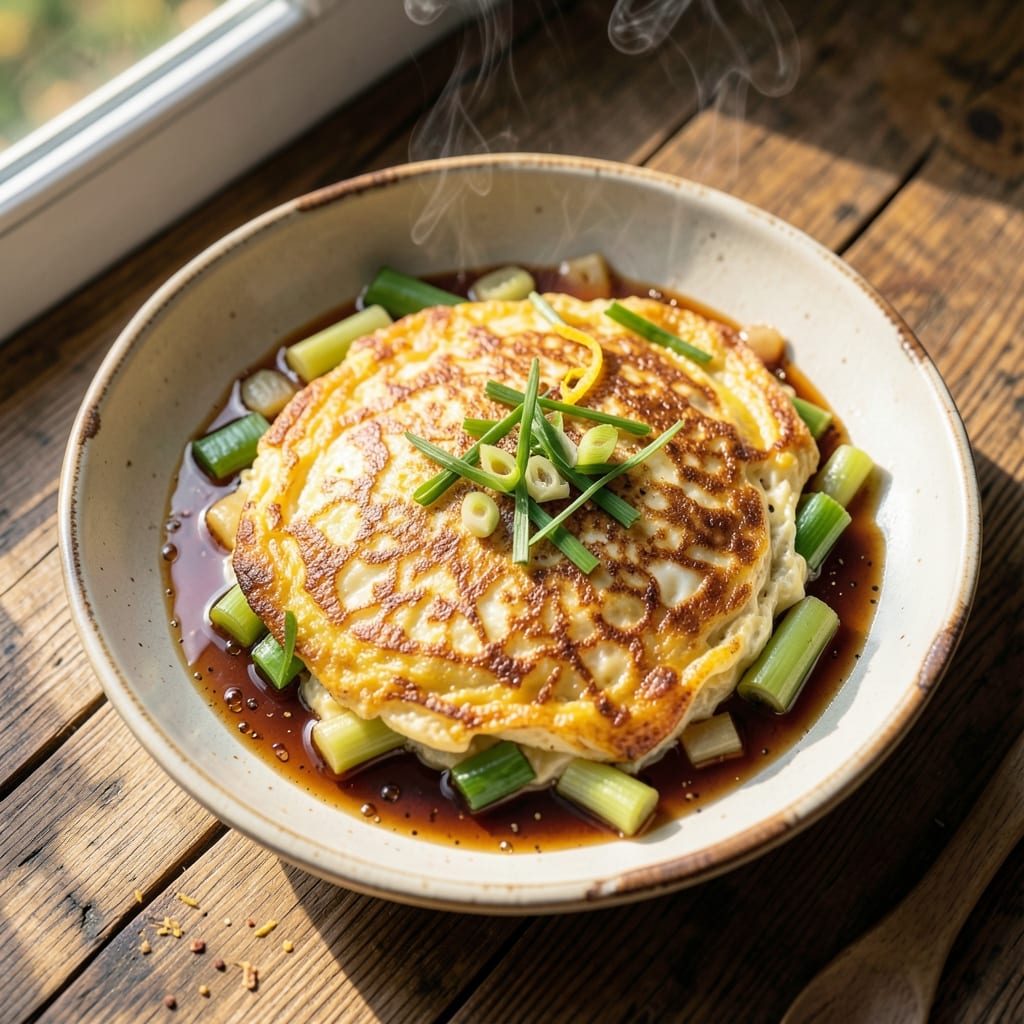
This baked egg foo young recipe delivers the perfect balance of crispy celery crust and silky yolk centers—transforming a classic Chinese brunch staple into an oven-baked masterpiece. The secret lies in a light, airy batter that encases tender vegetables and eggs, creating golden-brown edges while keeping the interior tender. I developed this version after years of pan-frying, seeking a method that delivers consistent results without the risk of grease splatter.
The foundation of great egg foo young is proper batter consistency—thin enough to coat but thick enough to hold its shape. You'll mix beaten eggs with a touch of cornstarch for structure, then fold in finely chopped celery, water chestnuts, and scallions for that signature crunch and freshness. The baking technique ensures even browning while maintaining a moist interior, making this version ideal for meal prep or serving as a brunch centerpiece.
What you'll achieve is a restaurant-quality dish with crispy, caramelized edges that give way to fluffy egg centers and tender vegetables. The celery crust adds a satisfying crunch that contrasts beautifully with the soft interior, while the silky yolk hearts remain perfectly runny. This recipe serves as both a comforting breakfast and a satisfying lunch option, proving that homemade can truly surpass takeout.
Perfect for brunch gatherings or weeknight dinners, this baked egg foo young requires just 30 minutes of prep and 20 minutes of baking. The method is foolproof, with clear steps for achieving that ideal balance of crispy and tender. Whether you're serving it with a tangy dipping sauce or enjoying it as-is, this recipe delivers on both flavor and texture every time.
Ingredients for baked egg foo young
Thirteen ingredients crafting crispy celery crusts and velvety egg centers for perfect baked egg foo young.
| Ingredient | Amount | Notes |
|---|---|---|
| Large Eggs 🥚 | 4 whole | Room temperature for even cooking |
| All-Purpose Flour 🌾 | ½ cup | For light batter structure |
| Cornstarch 🌾 | 1 tbsp | Enhances crispiness and tenderness |
| Celery Stems 🧅 | 2 cups | Finely chopped (about 6-8 stalks) |
| Water Chestnuts 🍠 | ½ cup | Finely diced, canned preferred |
| Scallions 🧅 | 3 whole | Thinly sliced, white and green parts |
| Vegetable Oil 🫒 | 2 tbsp | High smoke point for crispiness |
| Soy Sauce 🥢 | 1 ½ tbsp | Light or all-purpose variety |
| Sesame Oil 🫒 | 1 tsp | Toasted for aroma (optional) |
| Salt 🧂 | ½ tsp | Diamond Crystal preferred |
| Black Pepper 🌶️ | ¼ tsp | Freshly ground for heat |
| Baking Powder 🌾 | ¼ tsp | For extra lift in batter |
| Green Onions 🧅 | 2 whole | Garnish, sliced thinly |
The celery is non-negotiable—fresh, crisp stalks from the produce section deliver that signature crunch. Whole Foods or local Asian markets carry the best quality, but any grocery store's celery works if it's firm and vibrant. Water chestnuts should be canned in water, not oil, for authentic texture. For the eggs, room temperature is key—they'll whip up lighter and cook more evenly. The Diamond Crystal kosher salt
No water chestnuts? Extra-firm tofu diced small mimics the texture surprisingly well. Substitute scallions with green onions at double the amount if needed. For a gluten-free version, swap the all-purpose flour for 1/4 cup cornstarch plus 1/4 cup tapioca starch. The sesame oil can be omitted if you prefer a more neutral flavor, but I recommend keeping it—Trader Joe's toasted sesame oil adds that authentic umami depth. Fresh black pepper should be freshly ground; pre-ground loses potency quickly. Prep ahead by chopping all vegetables and storing them in an airtight container for up to 2 days. The batter can be mixed and refrigerated for 12 hours before baking, though I recommend assembling and baking immediately for peak texture. Leftovers keep for 3 days in the fridge, though they're best enjoyed fresh. For meal prep, bake an extra batch and freeze individual portions—3 months in a sealed container maintains texture remarkably well.
Why You'll Love This Recipe
- No-Fuss Baking: I swear by this method—just mix, fold, and bake. No frying pan, no flipping, no stress. The cornstarch in the batter gives it that perfect golden crust without a single drop of oil.
- Crispy-Creamy Magic: That first bite? Chef’s kiss. The outside gets deliciously crispy from the oven, while the inside stays tender—thanks to the eggs and water chestnuts holding just enough moisture. (Honestly, the celery adds a fresh crunch that makes it feel fancy.)
- Lunchbox Hero: Between us, this is my go-to for meal prep. Slice it up, pack it in containers, and it stays fresh for days—no soggy takeout here. My kids grab it for school lunches, and I sneak a piece at my desk. (Yes, even on a Tuesday.)
- Pantry Staple Power: Flour, eggs, and water chestnuts? Ingredients I already have. No specialty items, no last-minute grocery runs. And if I make a big batch? Leftovers reheat like a dream—crispy edges intact, no sad eggs. Budget-friendly and foolproof.
Step-by-step instructions for baked egg foo young
Master this Chinese-American classic with a perfectly crisp celery crust and silky yolk centers.
Prepare the Celery-Water Chestnut Base
In a food processor, pulse the 2 cups celery stems and ½ cup water chestnuts until finely chopped—about the consistency of coarse breadcrumbs. Transfer to a mixing bowl and set aside. The texture should resemble wet sand; if it's too dry, add 1 teaspoon water to help the batter adhere.
In a separate bowl, whisk together the ½ cup all-purpose flour, 1 tablespoon cornstarch, ½ teaspoon salt, ¼ teaspoon black pepper, and ¼ teaspoon baking powder. Sift the dry ingredients lightly to aerate them—this prevents lumps in the batter. The cornstarch is key here; it creates that signature crispy crust while keeping the interior tender.
Create the Batter and Incorporate Aromatics
In a large bowl, gently whisk the 4 large eggs until just combined—no need to overbeat, as this can make the foo young dense. Gradually fold in the dry ingredient mixture until evenly distributed. The batter should be smooth but slightly thick, like heavy pancake batter.
Add the chopped celery-water chestnut mixture, 3 whole scallions (thinly sliced), 1.5 tablespoons soy sauce, and 1 teaspoon sesame oil. Stir gently to combine, being careful not to overmix. The soy sauce adds depth of flavor, while the sesame oil contributes a nutty aroma. Let the batter rest for 5 minutes—this allows the flour to hydrate fully and prevents cracking during baking.
Preheat and Prepare the Pan
Preheat your oven to 375°F. Lightly grease a 9-inch round cake pan or oven-safe skillet with 1 tablespoon vegetable oil, ensuring the oil coats the bottom and sides evenly. This prevents sticking and promotes even browning. For extra crispiness, I recommend using a dark-colored pan—it conducts heat better and enhances caramelization.
Pour the batter into the prepared pan and smooth the top with a spatula. The batter should fill the pan about ¾ full, as it will rise slightly during baking. Gently tap the pan on the counter once to remove any air bubbles. This step ensures an even, crack-free surface when baked.
Bake Until Golden and Set
Bake for 25-30 minutes, until the top is deep golden brown and the edges pull away slightly from the pan. The center should still be slightly jiggly—this indicates the yolks are still silky. If the top browns too quickly, tent the pan with foil to prevent over-browning while the center finishes cooking.
To test doneness, insert a toothpick into the center. It should come out with a few moist crumbs but no wet batter. If it's undercooked, return it to the oven for 2-3 minutes longer. Overbaking will result in dry foo young, so keep a close eye on it during the last few minutes.
Rest and Serve with Garnish
Remove the foo young from the oven and let it rest in the pan for 5 minutes. This allows the internal heat to distribute evenly, ensuring the yolks remain perfectly set but still creamy. While it rests, thinly slice the 2 whole green onions for garnish.
Run a thin knife around the edges to loosen it from the pan, then invert the foo young onto a serving plate. The crispy celery crust should hold together beautifully. Slice into 4 equal wedges and garnish each with the sliced green onions. Serve immediately with a side of soy sauce or sweet chili sauce for dipping—this enhances the umami flavors and balances the crispy texture with a touch of sweetness.
Pro Tips For Making Baked Egg Foo Young
- CHOP CELERY SMALLER THAN YOU THINK: I learned this the hard way—big chunks of celery make your egg foo young chewy and uneven. Dice those stems into 1/8-inch pieces or finer; they’ll cook faster and blend into the texture like they’re supposed to. (Yes, even if it takes 30 seconds extra.)
- USE CORNSTARCH LIKE GLUE: Skip the cornstarch, and your baked egg foo young will turn out dense and gummy. Mix it with flour (about 1:3 ratio) and whisk it into the egg batter first—let it sit for 2 minutes before adding veggies. This creates a lighter, crispier crust that holds up to baking, not soggy disappointment.
- BAKE AT 375°F—NOT HIGHER: Crank the oven to 400°F, and the outside will brown too fast while the center stays raw. Stick to 375°F and bake for 20–25 minutes, rotating the pan halfway. The edges will get golden without a rubbery middle—trust the lower temp, even if it feels slow.
- DRAIN WATER CHESTNUTS WELL: Water chestnuts hold onto moisture like a sponge. Rinse them, then pat dry with a paper towel before dicing—this keeps your batter from turning into a watery mess. I’ve ruined batches by skipping this, and you’ll thank me when your egg foo young stays together.
Pro cooking tips for this dish
Batter Consistency Matters
The secret to foolproof baked egg foo young lies in getting the batter just right—thin enough to coat but thick enough to hold its shape. I aim for a consistency similar to heavy pancake batter, where it coats the back of a spoon but still flows smoothly. Overmixing introduces air bubbles that can cause cracks during baking, while under-mixed batter may not bind properly. For extra insurance, let the batter rest for 5 minutes before baking—this allows the cornstarch to fully hydrate and creates that signature crispy crust. 🥚
Celery Texture Control
Your celery should be finely chopped—almost like wet sand—so it distributes evenly throughout the batter. I pulse mine in a food processor for 3-4 seconds to avoid turning it into a paste. If the mixture feels too dry, add 1 teaspoon water to help the batter adhere. Fresh celery is non-negotiable here; wilted or rubbery stalks will compromise the texture. For extra crunch, I sometimes add 1 tablespoon finely diced water chestnuts to the batter itself, not just the base. 🧅
Pan Prep for Perfect Release
Grease your pan with vegetable oil (high smoke point) and coat it evenly—don’t skip the sides! I use a 9-inch round cake pan or oven-safe skillet, both of which work beautifully. For that restaurant-quality crisp, I recommend a dark-colored pan (like Lodge cast iron) because it conducts heat better and promotes even caramelization. Tap the pan gently on the counter after pouring to release any air bubbles—this prevents cracks and ensures a smooth top. ⚡
Baking Time Precision
Bake at 375°F for 25-30 minutes until the top is deep golden brown and the edges pull away slightly from the pan. The center should still be slightly jiggly—this indicates the yolks are still silky. If the top browns too quickly, tent the pan with foil to prevent over-browning. A toothpick test is key: it should come out with moist crumbs, not wet batter. Overbaking dries out the foo young, so keep a close eye on it during the last 5 minutes. 🌡️
Resting for Perfect Texture
Let the foo young rest in the pan for 5 minutes after baking—this crucial step allows the internal heat to distribute evenly, ensuring the yolks remain creamy but set. Skipping this step can lead to a runny center or a cracked top. While it rests, thinly slice green onions for garnish. Run a thin knife around the edges to loosen it from the pan before inverting—this helps maintain the crispy crust. Serve immediately for the best texture and flavor. 💫
Pan Selection Tips
While a 9-inch round cake pan works perfectly, you can also use an oven-safe skillet (like a Lodge cast iron) for a slightly crispier bottom. Avoid glass pans—they don’t conduct heat as well, leading to uneven browning. If you’re short on time, a lightly oiled baking sheet works in a pinch, though the edges may not be as crispy. For extra crispiness, I sometimes broil the foo young for 1-2 minutes at the end, watching closely to avoid burning. 🔥
Nutrition facts
Frequently asked questions about baked egg foo young
Can I make this recipe without celery?
The celery is essential for that signature crispy crust, but if you're avoiding it, try substituting with 1 cup finely chopped water chestnuts or 1 cup shredded cabbage (squeeze out excess moisture first). The texture won't be identical, but it will still add crunch. For a vegetarian version, shredded carrots work in a pinch, though they won't caramelize the same way.
Why did my baked egg foo young turn out dense instead of fluffy?
Overmixing the batter or using too much flour are the most common culprits. The batter should be light and smooth, like heavy pancake batter. Also, ensure your eggs are room temperature—cold eggs can make the texture dense. If the batter feels too thick, add 1 teaspoon water at a time until it reaches the right consistency.
How do I prevent cracking on top?
Cracks usually happen from air bubbles or uneven batter distribution. After pouring the batter, gently tap the pan on the counter to release bubbles. Also, avoid overmixing—just combine ingredients until everything is evenly distributed. For extra insurance, let the batter rest for 5 minutes before baking to allow the cornstarch to fully hydrate.
Can I bake this in a different pan shape?
Yes! While a 9-inch round cake pan works best, you can use an 8x8-inch square pan or even a lightly oiled baking sheet for a rustic look. For even browning, reduce the baking time by 2-3 minutes and watch closely. A dark-colored pan (like cast iron) will give the best crispy edges, while glass pans may require tenting with foil to prevent over-browning.
What's the best way to reheat leftovers?
For best results, reheat in a 350°F oven for 8-10 minutes until warmed through. Avoid microwaving—it can make the crust soggy. If you must use the microwave, cover with a damp paper towel and heat for 20-30 seconds on low power. For extra crispiness, broil for 1-2 minutes after oven reheating, watching closely to avoid burning.