
Breakfast & Brunch
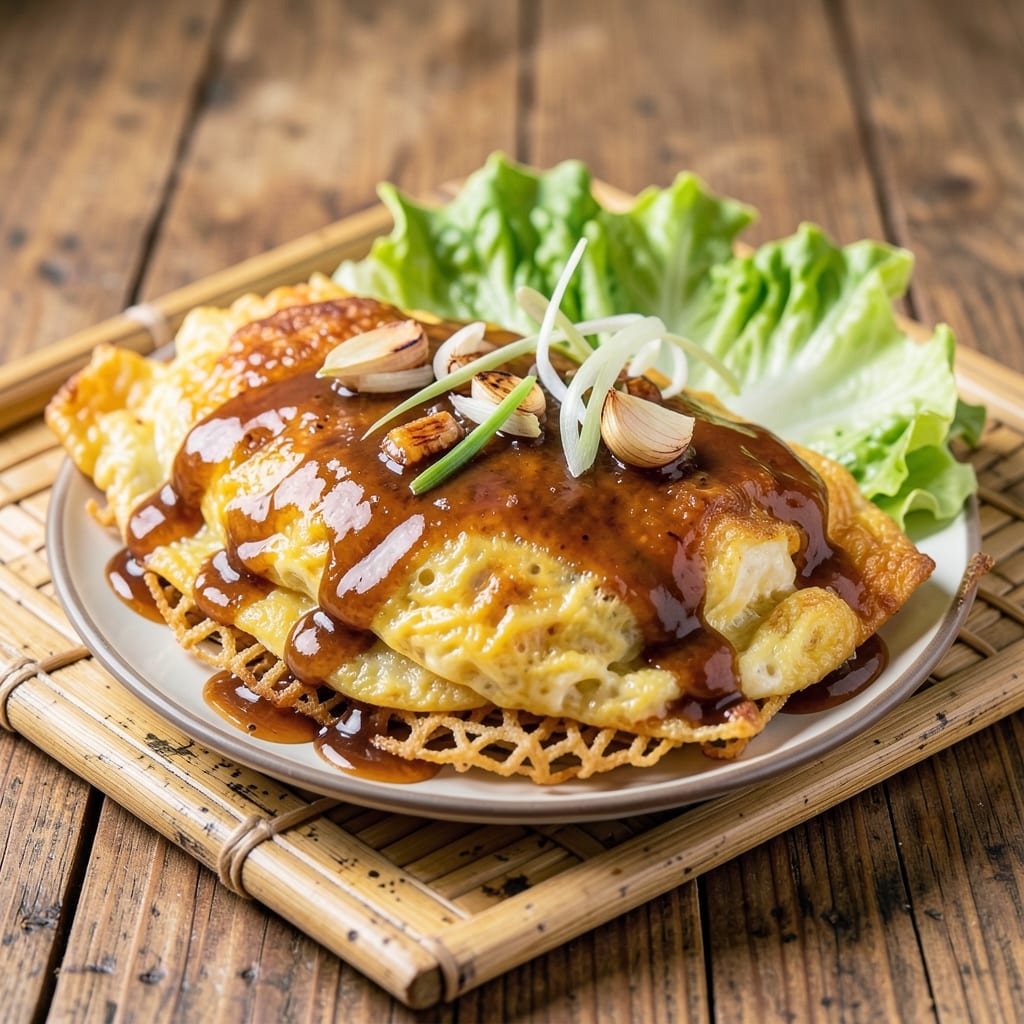
This Chinese egg foo young with brown gravy recipe delivers the perfect balance of wok-seared crispness and silky egg ribbons you crave. 🔥 The secret lies in gently folding shredded cabbage and scallions into a delicate egg mixture before achieving that signature golden crust. What makes this dish truly special is the rich, savory brown gravy—a light reduction of soy sauce, oyster sauce, and a touch of cornstarch—that coats every bite in velvety perfection.
Mastering egg foo young requires patience in the folding technique to maintain that signature shape while ensuring the eggs cook just until set. The brown gravy transforms this simple egg patty into a restaurant-quality dish with its deep umami flavor and glossy finish. This recipe serves four and comes together in about 30 minutes, making it ideal for weekend brunches or family breakfasts.
What you'll achieve is crispy-edged egg foo young with tender centers, served atop a warm bed of steamed rice and accompanied by fresh bok choy. The brown gravy adds that final touch of elegance, creating a dish that's both comforting and sophisticated. Each bite delivers layers of flavor—savory, slightly sweet, and perfectly balanced.
This classic Chinese-American dish is traditionally served with rice and vegetables, but don't hesitate to customize it with your favorite additions. The technique is straightforward once you understand the key steps, and the results will impress even the most discerning diners. Let's create this timeless brunch favorite together.
Ingredients for chinese egg foo young brown gravy
Six eggs, cabbage, and scallions form the crispy-silky base. Brown gravy ties it all together with umami richness.
| Ingredient | Amount | Notes |
|---|---|---|
| Large Eggs 🥚 | 6 whole | Room temperature preferred |
| Green Cabbage 🥬 | 2 cups | Shredded, thinly sliced |
| Scallions 🧅 | ¼ cup | Thinly sliced, white and green parts |
| Cornstarch 🌾 | 1 tbsp | For gravy thickening |
| Vegetable Oil 🫒 | ½ cup | High smoke point preferred |
| Light Soy Sauce 🍶 | ¼ cup | For egg mixture and gravy |
| Oyster Sauce 🦪 | 2 tbsp | For gravy depth |
| Sesame Oil 🫒 | 1 tsp | For finishing touch |
| White Pepper 🌶️ | ¼ tsp | Freshly ground preferred |
| Salt 🧂 | ½ tsp | Adjust to taste |
| Steamed White Rice 🍚 | 2 cups | Cooked, for serving |
| Bok Choy 🥬 | 2 whole | Blanched, for serving |
The eggs are the star—use large eggs at room temperature for even cooking. Green cabbage should be fresh and crisp; the white core stays crunchy while the green parts soften. Scallions add brightness, so grab a bunch and use both white and green parts. For the gravy, cornstarch is key—it creates that signature glossy finish without making it gluey. I always grab La Choy soy sauce for the egg mixture and gravy, but any good-quality light soy works. If you're feeling fancy, Lee Kum Kee oyster sauce elevates the dish instantly.
No oyster sauce? Hoisin sauce at half the amount works in a pinch, though it'll be sweeter. Running short on cabbage? Napa cabbage or bok choy stems make great substitutes—they just cook faster, so add them last. The sesame oil is non-negotiable for that authentic aroma, but if you're avoiding it, toasted sesame seeds sprinkled on top add a similar crunch. For the rice, jasmine rice is ideal, but any steamed white rice does the job. The bok choy? Blanch it separately so it stays vibrant when served alongside.
Egg foo young reheats beautifully—just warm in a skillet with a splash of water to keep it moist. The gravy can be made ahead and reheated on the stove. Store the cooked egg foo young in an airtight container for up to 3 days in the fridge, or freeze for 2 months. I like to portion the rice and veggies separately so they stay fresh. For serving, a quick sear in a hot pan with a drizzle of sesame oil brings back that wok-seared magic.
Why You'll Love This Recipe
- Five-Ingredient Magic: I swear by this recipe because it’s that simple—just eggs, cabbage, scallions, cornstarch, and oil. No fancy pantry trips, no last-minute grocery runs. Honestly, I’ve made it with whatever veggies were in the fridge, and it still hits the spot.
- Crispy-Creamy Payoff: That golden-brown exterior with the tender, eggy center? Chef’s kiss. The cornstarch slurry gives it a silky gravy that clings to every bite, while the cabbage adds just enough crunch to keep it interesting—not mushy, not bland.
- Lunchbox Hero: Between us, this is my go-to for packed lunches. I’ll make a big batch on Sundays, slice it up, and toss it into containers with rice or noodles—it reheats like a dream and still tastes fresh. (Yes, even on a Tuesday night.)
- Budget Breakthrough: A single egg and a head of cabbage stretch farther than you’d think. I’ve fed four people for under $8, and the leftovers? Even better the next day because the flavors meld into something deeper. No waste, all satisfaction.
Step-by-step instructions for wok-seared egg foo young
Here's how to make crispy, golden-brown egg foo young with that signature silky egg texture and rich brown gravy.
🍳 Step 1: Prepare the Egg and Vegetable Mixture
In a large bowl, whisk together the 6 whole Large Eggs until frothy. Add the 2 cups Green Cabbage, 0.25 cup Scallions, 0.5 tsp Salt, and 0.25 tsp White Pepper, mixing gently until just combined. You want the vegetables evenly distributed but not mashed—this keeps those crisp-tender bites in every piece. The mixture should look like a thick, speckled batter with visible cabbage strands.
Let the batter sit for 5 minutes at room temperature. This resting period helps the eggs and vegetables meld slightly, creating a more cohesive texture when cooked. I like to give it a quick stir after resting to redistribute any settled ingredients before cooking.
🔥 Step 2: Wok-Sear the Egg Foo Young
Heat 0.25 cup Vegetable Oil in a wok or large skillet over medium-high heat until shimmering. Working in batches (you'll need two rounds for all the batter), scoop ½ cup portions of the egg mixture into the hot oil. I use a small ice cream scoop for even-sized pieces—about 3-inch diameter when flattened.
Gently flatten each scoop with a spatula to create ¼-inch thick patties. Cook for 2-3 minutes per side until the edges are golden brown and the centers are just set. The egg should look silky and slightly translucent in the middle—this is your signal to flip. Don't press down on them while cooking or they'll turn out dense instead of light and airy.
🥘 Step 3: Make the Rich Brown Gravy
In the same wok (leave the browned bits—they're flavor gold), reduce heat to medium and add 0.25 cup Vegetable Oil. Pour in 0.25 cup Light Soy Sauce and 2 tbsp Oyster Sauce, scraping up those delicious browned bits from the bottom. Let it simmer for 2 minutes until the sauce starts to thicken slightly.
Whisk in 1 tbsp Cornstarch mixed with 2 tablespoons water until smooth. Stir constantly for 1-2 minutes until the gravy reaches a thick, glossy consistency that coats the back of a spoon. It should be rich enough to cling to the egg foo young but still pourable. If it's too thick, add 1 teaspoon water at a time until perfect. Remove from heat and stir in 1 tsp Sesame Oil for that authentic aroma.
🍽️ Step 4: Assemble and Serve
Return all the wok-seared egg foo young to the gravy and toss gently to coat evenly. Let them sit in the sauce for 1 minute so they absorb all that flavorful goodness. Meanwhile, blanch the 2 whole Bok Choy in boiling water for 1 minute, then shock in ice water to preserve their vibrant green color.
Serve the egg foo young immediately over 2 cups Steamed White Rice, spooning generous amounts of the brown gravy over the top. Garnish with extra thinly sliced Scallions for freshness. Each bite should deliver crispy edges, silky egg ribbons, and that perfect balance of savory-sweet gravy. The bok choy adds a lovely contrast in texture and color to the dish.
Pro Tips For Making Chinese Egg Foo Young Brown Gravy
- Whisk Eggs Like a Pro: Beat the eggs until they’re frothy but not stiff—think soft peaks, not meringue. Over-whisking makes them tough, and under-whisking leaves them rubbery. I learned this the hard way when my first batch turned out like a sad omelet.
- Shred Cabbage Fine: Cut the green cabbage into thin, even strips—about 1/4-inch wide. Thick chunks stay crunchy and undercooked, while fine shreds soften perfectly into the egg mixture. Use a sharp knife or pulse in a food processor for consistency.
- Don’t Rush the Gravy: Let the brown gravy simmer uncovered for 3–4 minutes after adding cornstarch slurry. Skipping this step makes it gluey instead of rich. Stir constantly—lumpy gravy ruins the whole dish.
- Use Scallions for Flavor: Slice the scallions into 1/2-inch pieces and reserve the green tops for garnish. The whites add depth, while the tops bring freshness. My grandmother swore by this, and she was right: it’s the little details that make it taste like home.
Troubleshooting great chinese egg foo young brown gravy
Egg Mixture Too Wet
If your egg foo young batter feels too loose, reduce the cabbage slightly to 1.5 cups and let it rest for an extra 10 minutes to thicken naturally. Overmixing causes air pockets, so gently fold in vegetables instead of stirring vigorously. I’ve found that using room-temperature eggs helps them bind better—cold eggs can make the mixture watery. 💡
Patties Breaking Apart
This usually happens when the center isn’t fully set before flipping. Cook patties for 30 seconds longer per side until they hold their shape when lifted with a spatula. Another trick? Use a non-stick wok or spray lightly with oil if sticking occurs. The key is patience—rushing leads to fragile patties that crumble.
Gravy Too Thin
If your brown gravy isn’t thickening enough, whisk in an extra ½ tsp cornstarch mixed with 1 tsp water and simmer for 1 more minute. For extra richness, add 1 tsp butter at the end. I’ve also had success using arrowroot powder instead of cornstarch—it creates a glossier finish. Always taste as you go to adjust seasoning.
Burnt Edges, Raw Center
This is a classic heat control issue. Reduce your wok to medium heat instead of high, and cook patties in 2 batches if needed. A meat thermometer helps—aim for 160°F at the thickest part. Overcrowding the pan lowers temperature, so leave space between patties. I swear by this method for perfect doneness every time. 🔥
Gravy Too Salty
Dilute with 1 tbsp water and a pinch of sugar to balance the saltiness. If using store-bought soy sauce, opt for low-sodium versions or reduce the amount to 2 tbsp instead of ¼ cup. For depth without salt, add 1 tsp fish sauce or a splash of rice vinegar to brighten flavors. Always taste before serving!
Vegetables Overcooked
Add cabbage and scallions to the egg mixture just before cooking—they’ll soften slightly but stay crisp-tender. For extra freshness, blanch the bok choy separately in 30 seconds of boiling water before serving. I like to keep the cabbage slightly al dente so it doesn’t turn mushy in the patties. 🥬
Nutrition facts
Frequently asked questions
Can I make egg foo young without cabbage?
Swap the green cabbage for 1.5 cups finely chopped Napa cabbage or 1 cup shredded bok choy stems for a milder flavor. For a protein boost, add ½ cup cooked shrimp or ¼ cup diced ham to the egg mixture. Just adjust cooking time slightly since these ingredients may cook faster than cabbage.
How do I make the gravy vegetarian?
Replace the oyster sauce with 2 tbsp vegetarian soy sauce plus 1 tbsp hoisin sauce for depth. Boost umami with 1 tsp mushroom powder or 1 tbsp soy sauce-reduced vegetable broth. The cornstarch slurry remains the same—just ensure your soy sauce is vegetarian-certified to avoid fish-based additives.
Why does my egg foo young turn out dense?
Overmixing the egg batter incorporates too much air, creating dense patties. Stir just until the cabbage is evenly distributed, then let the batter rest 5-10 minutes before cooking. Also, avoid pressing down on the patties while cooking—gently flatten them once in the pan for even thickness. Room-temperature eggs help too!
Can I prepare egg foo young ahead of time?
Yes! Cook the patties completely, then cool and store in an airtight container for 3 days in the fridge. Reheat in a skillet with 1 tsp oil over medium heat for 2-3 minutes per side until crispy again. For longer storage, freeze cooked patties for up to 2 months—thaw overnight in the fridge before reheating.
What's the secret to crispy edges?
High heat and proper oil temperature are key! Use a wok or cast-iron skillet and heat the oil until it's smoking slightly (about 350°F). Cook patties in batches without overcrowding, and resist the urge to flip too early—wait until the edges are golden brown and the center is just set (2-3 minutes per side).