
Breakfast & Brunch
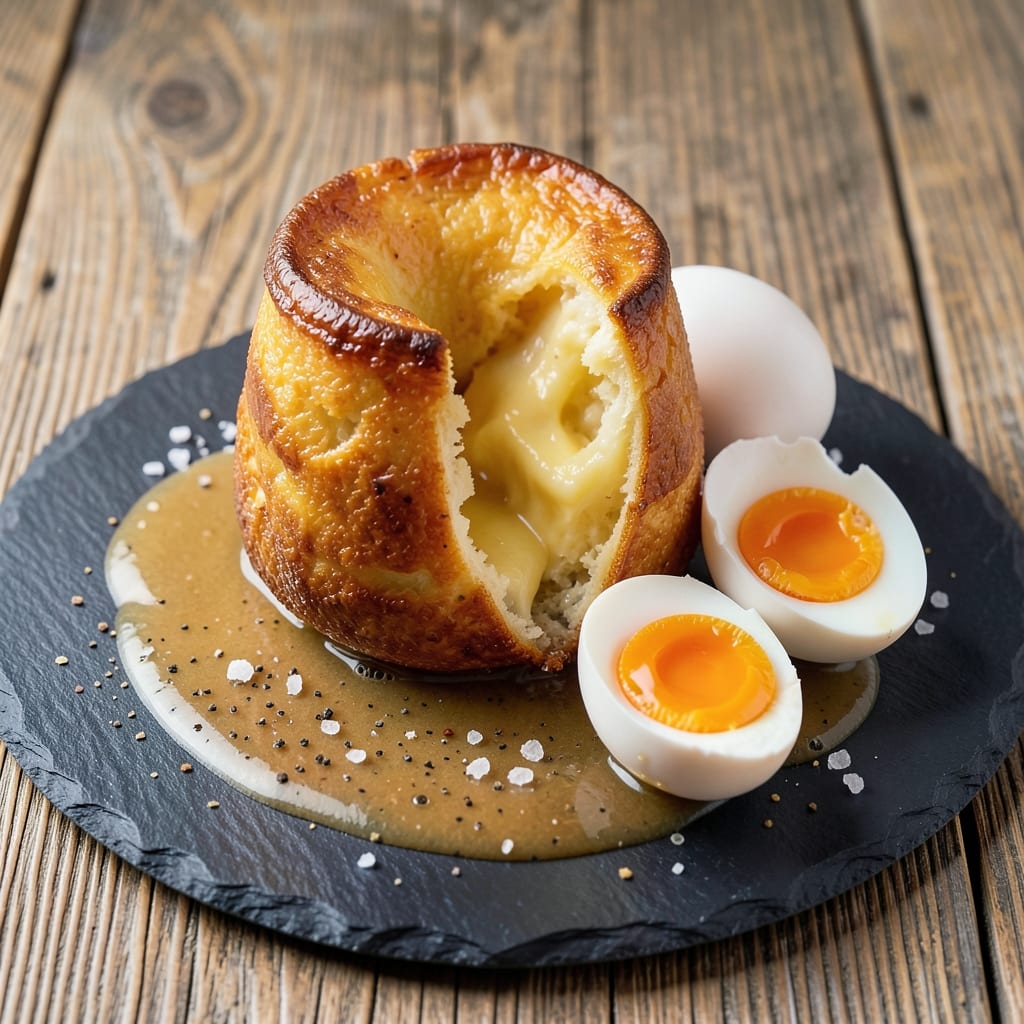
This duck egg Yorkshire pudding recipe transforms a classic into something extraordinary—crispy, golden lace puffs with runny centers that defy the ordinary. The secret lies in duck eggs, which add richness and structure while keeping the texture impossibly tender. I developed this version after years of perfecting the balance between crispy edges and custardy interiors, and the difference is night and day.
The batter is simple—just eggs, flour, and milk—but the technique is what elevates it. Baking in a hot oven ensures rapid puffing, while duck eggs create a deeper flavor and finer crumb. This isn’t your average Yorkshire pudding; it’s a showstopper that pairs perfectly with roast duck, gravy, or even as a trifle layer. The result? Puffs that rise dramatically yet stay light, with a golden crust and a molten center that’s dangerously addictive.
What makes this recipe foolproof is the high-heat method—no waiting for slow rises or uneven baking. The duck eggs contribute to a more stable batter, reducing the risk of collapse while adding a subtle richness. Whether you serve them as a side for Sunday roast or stack them in a dessert trifle, these puffs will impress every time. The texture is the star: crispy on the outside, creamy and custard-like inside.
For those who prefer a vegetarian twist, chicken eggs work well, though duck eggs remain superior for flavor and texture. The key is precision in timing—once the batter hits the oven, it transforms in minutes. This isn’t just a side dish; it’s a centerpiece. Let’s get started on making them.
Ingredients for duck egg yorkshire pudding
Four duck eggs, one cup flour, and a splash of milk—elevate classic Yorkshire pudding to restaurant-quality perfection.
| Ingredient | Amount | Notes |
|---|---|---|
| Duck Eggs 🥚 | 4 whole | Room temperature preferred |
| All-Purpose Flour 🌾 | 1 cup | Sifted for smooth batter |
| Whole Milk 🥛 | ¾ cup | Room temperature preferred |
| Unsalted Butter 🧈 | 2 tbsp | Melted, for ramekins |
| Diamond Crystal Kosher Salt 🧂 | ½ tsp | Fine grain preferred |
| Freshly Ground Black Pepper 🌶️ | ¼ tsp | Freshly cracked preferred |
| Vegetable Oil 🫒 | ¼ cup | High smoke point preferred |
| Dried Parsley 🌿 | 1 tbsp | Finely chopped, for garnish |
Duck eggs are non-negotiable for this recipe—their higher fat content creates a richer, more stable batter with a finer crumb. Look for fresh duck eggs at specialty grocers like Whole Foods or local farms, as they're less common in standard supermarkets. If you can't find duck eggs, chicken eggs work as a vegetarian substitute, though the texture may be slightly less tender. For optimal results, use eggs at room temperature, as cold eggs can cause uneven cooking. The flour should be sifted to eliminate lumps, ensuring a silky-smooth batter that rises dramatically in the oven. Bob's Red Mill all-purpose flour is my go-to for its consistent texture, but any high-quality brand will suffice.
No duck eggs? Chicken eggs are the best vegetarian alternative, though you may need to adjust baking time slightly. For the milk, whole milk yields the creamiest results, but 2% or skim milk work in a pinch. The butter should be melted and cooled to 120°F before adding to the batter—too hot will cook the eggs prematurely. If you're concerned about the butter's smoke point, vegetable oil can replace half the butter without compromising texture. For garnish, fresh parsley adds a bright contrast, but dried parsley works at half the amount. The kosher salt should be fine-grained to dissolve completely into the batter, enhancing flavor without graininess.
The batter should be used immediately after mixing, as it begins to thicken within minutes. Store any unused flour in an airtight container in a cool, dark place for up to 6 months, while eggs should be refrigerated and used within 3 weeks of purchase. The melted butter can be refrigerated for 1 month in a sealed container. For best results, prepare all ingredients at least 30 minutes before baking to ensure everything is at room temperature. These puffs are best served immediately after baking, though they can be reheated in a 350°F oven for 5-7 minutes to restore crispiness.
Why You'll Love This Recipe
- Golden Crisp Magic: The duck eggs make these puff up like clouds—richer, taller, and with that buttery crack you can’t resist. I swear, the first time I tried this, I nearly burned my tongue waiting for the oven to open.
- Pantry Staple Power: All you need is flour, milk, butter, and salt—plus those glorious duck eggs. Honestly, it’s the kind of recipe that works when you’ve got nothing but a few basics lingering in your fridge.
- Sunday Dinner Star: Serve it with roast chicken, gravy, or even breakfast hash—it’s the kind of dish that turns a simple meal into something special. My in-laws now ask for it every holiday, and I’m not complaining.
- Leftovers That Don’t Suck: Unlike regular Yorkshire pudding, these stay crispy for days if you reheat them properly. I’ve had them cold in salads, toasted for breakfast, or even frozen for lazy mornings—no one ever guesses they’re two days old.
Step-by-step instructions for duck egg Yorkshire pudding
Master the art of crispy exteriors and molten centers with this refined technique.
👨🍳 Step 1: Prepare the Batter with Precision
In a medium mixing bowl, combine the 4 whole duck eggs and 0.75 cup whole milk using a whisk. The duck eggs will create a richer, more tender crumb than chicken eggs—this is essential for the signature texture. Whisk vigorously for 2 minutes until the mixture is completely homogeneous and slightly frothy.
Sift in the 1 cup all-purpose flour through a fine-mesh sieve directly into the egg mixture. This prevents lumps that would create dense pockets in your puddings. Using a rubber spatula, gently fold the flour into the wet ingredients until just combined—you should still see some dry flour streaks. Avoid overmixing which develops gluten and makes the puddings tough.
Add the 0.5 tsp diamond crystal kosher salt and 0.25 tsp freshly ground black pepper to the batter. The salt enhances the egg flavor while the pepper adds subtle depth. Let the batter rest at room temperature for 10 minutes—this allows the flour to fully hydrate and creates the perfect consistency for those signature lace-like puffs.
🔥 Step 2: Preheat and Prepare the Baking Vessel
Preheat your oven to 425°F—this high temperature is crucial for creating that signature crispy exterior. While the oven heats, place 2 tbsp unsalted butter in each of your ramekins or muffin tin cups. The butter should melt completely when exposed to the high heat, creating a flavorful base for the puddings.
Once the oven reaches temperature, carefully place the ramekins in a cold roasting pan. Pour in the 0.25 cup vegetable oil to the roasting pan—this creates a steam bath that ensures even cooking and prevents the butter from burning. The oil should come about halfway up the sides of the ramekins when they're placed in the pan.
Here's the critical moment: place the roasting pan with ramekins in the preheated oven and immediately pour the batter into the ramekins, filling them about ¾ full. The batter should bubble vigorously within 30 seconds—this is your signal that the technique is working. Don't worry if it looks like too much; the batter will expand dramatically as it cooks.
⏰ Step 3: Bake to Golden Perfection
Bake the Yorkshire puddings for 20-25 minutes until they're deep golden brown with crispy edges. You'll know they're done when they've risen dramatically and the centers are puffed high—almost like they're about to overflow. The duck eggs create a more stable structure than chicken eggs, so they hold their shape better during baking.
Real talk: don't open the oven door during the first 15 minutes of baking. The sudden temperature drop causes the puddings to collapse. If you must check, do it quickly and minimize the time the door is open. The puddings should spring back slightly when pressed gently with a fork—this indicates proper doneness.
Remove from the oven and let them rest for 2 minutes before serving. This brief resting period allows the internal structure to set while maintaining that perfect contrast between the crispy exterior and molten center. The duck eggs create a slightly denser crumb than traditional versions, which makes them more forgiving when handling.
🍽️ Step 4: Finish and Serve Immediately
Transfer the Yorkshire puddings to a serving platter and immediately sprinkle with 1 tbsp finely chopped dried parsley. The parsley adds a fresh contrast to the rich, buttery flavor. Serve while still hot—these puddings are best enjoyed immediately when the centers are still runny and the exteriors are perfectly crisp.
For optimal results, serve with classic roast beef gravy or a rich meat sauce. The duck eggs create a more luxurious mouthfeel that pairs beautifully with hearty Sunday roasts. Each pudding should have a crackly exterior that gives way to a tender, moist interior with just a hint of eggy richness throughout.
Pro Tips For Making Duck Egg Yorkshire Pudding
- CRACK EGGS COLD: Duck eggs have thicker whites—beat them in the fridge for 2-3 minutes first. Cold eggs whip faster and hold air better, so your puddings rise higher instead of collapsing like sad soufflés. (Yes, I’ve learned this the hard way.)
- SALT THE MILK: Mix ¼ teaspoon kosher salt into the warm milk before whisking in the flour. Salted milk makes the batter more stable, so your puddings stay crisp longer and don’t turn gummy. I used to skip it—now I don’t.
- USE A LID, NOT FOIL: Cover your muffin tin with a baking sheet or lid for the first 10 minutes, then remove it. This traps steam for a perfect rise, but foil traps too much moisture and makes them soggy. (Your oven’s fan isn’t helping—it’s sabotaging.)
- DON’T OVERFILL THE TIN: Fill the muffin cups no more than ⅔ full—duck egg batter is richer and expands more than chicken egg batter. Overfilling guarantees spillage and flat puddings. I’ve seen this ruin a whole batch. Trust me.
Essential equipment for duck egg yorkshire pudding
Oven Essentials
Your oven is the star of this recipe—425°F is non-negotiable for that signature crispy exterior. I recommend using a convection oven if available, as it circulates heat more evenly and reduces baking time by 2-3 minutes. For even heat distribution, place your roasting pan on the middle rack—this prevents hot spots that could burn the puddings. A digital thermometer like the Thermoworks Oven Thermometer ensures accuracy, especially if your oven runs hot or cold. 🌡️
Baking Vessels
Use ramekins or muffin tins made from heavy-duty stainless steel or cast iron—these materials conduct heat evenly and prevent warping. Avoid dark-colored pans (like black ceramic), as they absorb too much heat and can overcook the edges. For a foolproof steam bath, choose ramekins with high sides (at least 3 inches tall) to contain the dramatic rise. I love the Le Creuset Stoneware Ramekins for their durability and even heat distribution.
Butter & Oil
The 2 tbsp unsalted butter per ramekin is crucial for flavor, but it must be melted and cooled to 120°F before pouring. Use a high-smoke-point oil like avocado or grapeseed oil (not olive oil) for the steam bath—these oils won’t break down under the intense heat. For a vegetarian shortcut, replace half the butter with melted coconut oil without sacrificing texture. A small offset spatula helps spread the butter evenly in each ramekin. 🧈
Mixing Tools
A whisk is your best friend for the batter—it creates tiny air pockets that contribute to the dramatic rise. I use a Ball Mason Jar Whisk for its durability and ease of cleaning. For folding in the flour, a silicone spatula (like OXO Good Grips) prevents overmixing by allowing you to cut through the batter without stirring vigorously. A fine-mesh sieve (such as the Microplane Food Mill) ensures the flour is lump-free for a silky batter. Avoid metal sieves—they can leave a metallic taste.
Timing & Temperature
An instant-read thermometer (like Thermoworks Smoke) is essential for monitoring the oven’s true temperature—many home ovens fluctuate by 25°F. The batter should bubble within 30 seconds of hitting the oven, signaling the Maillard reaction is working. For precision, set a timer for 20 minutes and check only once—opening the oven early causes collapse. A wire cooling rack helps maintain crispiness while resting the puddings before serving. ⏰
Nutrition facts
Frequently asked questions
Why do duck eggs make Yorkshire pudding better than chicken eggs?
The higher fat content in duck eggs creates a richer, more stable batter with a finer crumb and deeper flavor. They also provide more structure, reducing the risk of collapse while baking. The result is a pudding with a luxurious mouthfeel and that signature golden lace texture.
Can I make these without a convection oven?
Yes! Use a standard oven at 425°F and place your roasting pan on the middle rack. For even heat, rotate the pan halfway through baking. The steam bath method (oil in the roasting pan) helps compensate for uneven heat distribution in non-convection ovens.
What if my Yorkshire puddings don't rise?
Most likely, your oven wasn't hot enough or you opened the door too early. The batter must hit a 425°F oven immediately after pouring—waiting even 1 minute can prevent proper rising. Also ensure your butter is completely melted before baking begins.
How can I make these ahead of time?
These puddings are best served immediately, but you can reheat them in a 350°F oven for 5-7 minutes to restore crispiness. For make-ahead prep, mix the batter up to 12 hours ahead and refrigerate—bring it to room temperature before baking. The duck eggs help maintain stability better than chicken eggs.
Are these vegetarian?
Yes! This recipe uses only eggs, flour, milk, and butter—no meat products. For extra richness, you could add a splash of vegetable stock to the batter instead of milk. The duck eggs make it especially luxurious while keeping it fully plant-based.