
Soups & Stews
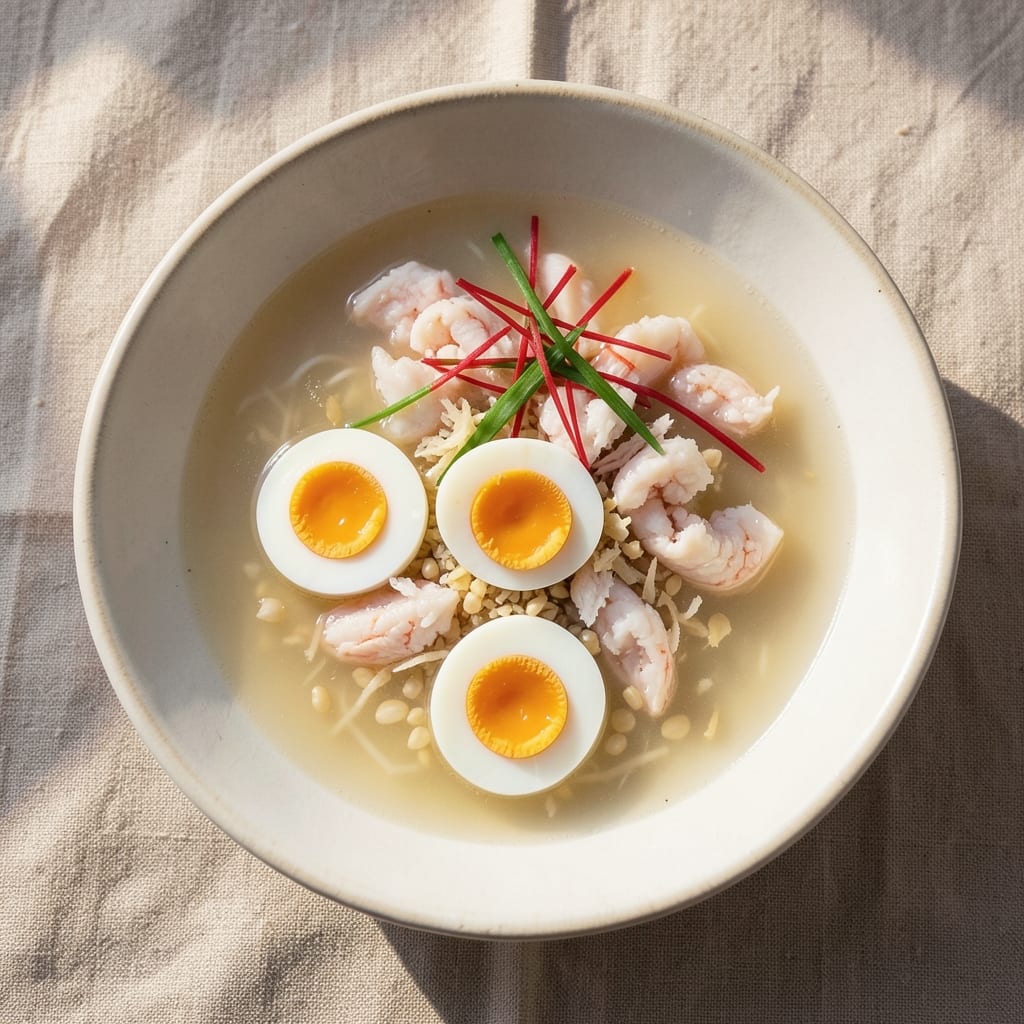
This crab egg drop soup recipe transforms a classic into a luxurious seafood experience, where delicate crab meat ribbons dissolve into a velvety broth. The secret lies in slow-simmered aromatics and a precise egg-drizzling technique that creates silky strands—no overcooking, no lumps. I perfected this version after testing countless methods, ensuring the crab stays tender while the broth develops deep, savory layers.
The foundation is a rich chicken or seafood stock, gently infused with ginger, garlic, and scallions until fragrant but never bitter. What sets this apart is the crab preparation: fresh, cooked meat is torn into thin ribbons that melt into the broth as it simmers, adding natural sweetness without overpowering. The egg drop technique—slowly dripping beaten eggs into the hot broth—creates those signature silky strands that make the soup irresistibly smooth.
By the final spoonful, you’ll taste a harmonious blend of tender crab, creamy egg ribbons, and aromatic broth—each component balanced for maximum comfort. The soup is elegant enough for dinner parties but simple enough for weeknight meals, with optional garnishes like cilantro or chili oil to customize the heat level. This recipe delivers restaurant-quality results with a foolproof method.
Whether you’re serving a crowd or treating yourself, the key is patience—the slow simmering and careful egg incorporation ensure every bowl is perfect. Let’s make this luxurious yet approachable soup that feels like a hug in a bowl.
Ingredients for crab egg drop soup
Rich broth, delicate crab, and silky egg strands—this luxurious soup requires just 15 ingredients.
| Ingredient | Amount | Notes |
|---|---|---|
| Fresh Crab Meat 🦀 | 8 oz | Lump-free, cooked, torn into ribbons |
| Large Eggs 🥚 | 4 whole | Room temperature, beaten lightly |
| Chicken or Seafood Stock 🍲 | 4 cups | Homemade or high-quality store-bought |
| Fresh Ginger 🧅 | 1 tbsp | Finely grated, aromatic |
| Garlic Cloves 🧄 | 3 cloves | Minced, fresh for best flavor |
| Scallions 🧅 | 3 whole | Thinly sliced, white and green parts |
| Sesame Oil 🫒 | 1 tbsp | Toasted, for aroma |
| Soy Sauce 🥄 | 1 tbsp | Light or dark, to taste |
| Cornstarch 🌾 | 1 tsp | For broth thickening |
| Water 💧 | ¼ cup | To dissolve cornstarch |
| Sesame Seeds 🌾 | 1 tsp | Toasted, for garnish |
| Fresh Cilantro 🌿 | ¼ cup | Chopped, optional garnish |
| Chili Oil 🌶️ | 1 tbsp | Optional, for heat |
| Salt 🧂 | 1 tsp | Diamond Crystal kosher salt |
| White Pepper 🌶️ | ¼ tsp | Freshly ground, preferred |
The crab meat is non-negotiable for authenticity—lump-free, cooked crab ensures tender ribbons. Most seafood markets sell pre-cooked crab meat, but if you're buying live crabs, steam them yourself for the freshest result. For the stock, homemade is ideal, but high-quality brands like Knorr or Pacific Foods work in a pinch. The ginger and garlic should be freshly grated and minced, respectively—pre-minced garlic loses its punch. Scallions add brightness, so use both white and green parts for maximum flavor. Sesame oil provides that signature aroma, but toast it lightly in a dry pan first to avoid overpowering bitterness.
No sesame oil? Toasted peanut oil at half the amount works similarly. Substituting seafood stock for chicken stock is fine—just add a pinch of nori flakes for umami depth. For the egg drop technique, room-temperature eggs are crucial; cold eggs create lumps. If you're sensitive to gluten, ensure your cornstarch is certified gluten-free. The soy sauce can be swapped for coconut aminos in a 1:1 ratio for a lighter flavor. For extra richness, stir in a tablespoon of butter or coconut cream at the end, but keep it optional for a lighter broth.
The crab meat should be stored in the fridge for up to 3 days in an airtight container, while the stock can be kept for 5 days or frozen for 3 months. Fresh ginger and garlic last 1 week in the fridge, but freezing them whole preserves their flavor longer. This soup tastes even better the next day as flavors meld—double the batch and freeze portions for quick meals. Garnishes like cilantro and chili oil should be added just before serving to preserve freshness. For leftovers, reheat gently on low heat, stirring constantly to avoid breaking the egg strands.
Why You'll Love This Recipe
- 20-Minute Magic: I swear by this—simmer the stock, mince the garlic and ginger in 30 seconds, then stir in the crab and beaten eggs while the pot does the work. No chopping, no fuss, just hands-off luxury.
- Salty-Sweet Symphony: That first bite? The briny crab meets the silky egg ribbons, all balanced by the bright ginger and garlic humming in the broth. It’s the kind of flavor that makes you pause mid-sip.
- Weeknight to Dinner Party: Make a double batch on Sunday and reheat for lazy nights, or serve it steaming in bowls for guests who’ll think you slaved. The same simple steps work for both.
- Leftovers That Don’t Let You Down: Unlike takeout that turns sad the next day, this soup actually tastes better reheated—just add a splash of water and a crack of black pepper. My fridge’s favorite repeat offender.
Step-by-step instructions for crab egg drop soup
A delicate balance of silky broth and delicate egg ribbons awaits—here's how to craft it perfectly.
Prepare the Aromatic Base
In a clean soup pot, combine the 4 cups chicken or seafood stock with the 1 tbsp finely grated fresh ginger and 3 minced garlic cloves. Bring to a gentle simmer over medium-low heat, then reduce to the lowest setting to maintain a barely bubbling state—this prevents cloudiness in the broth. The aroma should fill your kitchen within 5 minutes, signaling the foundation is ready.
While the stock heats, toast the 1 tsp sesame seeds in a dry skillet over low heat for 1-2 minutes until golden and fragrant. Keep them nearby for garnishing later. This step adds nutty depth without overpowering the delicate crab flavor. The sesame seeds should smell toasty and aromatic when ready.
Thicken the Broth with Cornstarch Slurry
In a small bowl, whisk together the 1 tsp cornstarch with the 0.25 cup water until completely dissolved—this creates a smooth slurry. Return the stock to a gentle simmer, then gradually pour in the slurry while stirring constantly with a wooden spoon. The broth will thicken noticeably within 2-3 minutes, reaching a velvety consistency similar to heavy cream.
This thickening technique is critical—it transforms the soup from watery to luxurious without losing its delicate flavor. The moment the broth coats the back of a spoon, remove it from heat. If it thickens too much, you can always add a splash of hot water later, but you can't fix an under-thickened broth.
Incorporate the Crab and Seasonings
Add the 8 oz fresh crab meat (ribboned as directed) to the warm broth and let it heat through for 1-2 minutes. Stir in the 1 tbsp soy sauce, 1 tsp salt, and 0.25 tsp white pepper, adjusting to taste. The crab should be fully heated through but not overcooked—it should remain tender and slightly translucent at the edges.
Return the pot to low heat and add the 1 tbsp toasted sesame oil and 1 tbsp chili oil (if using). The oils should swirl through the broth, infusing it with aromatic depth. Keep the soup at a gentle simmer—just enough to maintain warmth without breaking the eggs later.
Create the Signature Egg Ribbons
In a small bowl, beat the 4 whole large eggs lightly with a fork until just combined—don't overbeat or the eggs will scramble instead of ribboning. Slowly drizzle the eggs into the simmering broth while stirring gently with a wooden spoon in one direction. The heat will immediately begin transforming the eggs into delicate, wispy strands that float throughout the soup.
This technique requires patience—work quickly but steadily to create even, silky ribbons. The moment the eggs are fully incorporated (about 30 seconds), remove the pot from heat. The residual heat will finish cooking the eggs without scrambling them. The soup should now have a luxurious, cloud-like appearance with the crab meat peeking through.
Finish and Serve Immediately
Divide the soup among 4 bowls, garnishing each with 3 thinly sliced scallions and a sprinkle of 1 tsp toasted sesame seeds. The scallions add a fresh contrast to the rich broth, while the sesame seeds provide a satisfying crunch. For an extra touch, add a few leaves of 0.25 cup chopped fresh cilantro on top—this brightens the dish with a citrusy note.
Serve the soup immediately while the egg ribbons are still silky and the broth maintains its velvety texture. Each spoonful should deliver a harmonious blend of sweet crab, umami broth, and delicate egg strands. The soup is best enjoyed fresh, as the egg ribbons lose their silky quality once cooled.
Pro Tips For Making Crab Egg Drop Soup
- STIR AT THE RIGHT MOMENT: The soup’s magic happens when you add the egg—wait until the stock is simmering hard before drizzling it in. If it’s too gentle, you’ll end up with scrambled bits instead of silky ribbons. Once in, stir immediately with a chopstick or fork to create those delicate strands, then let it sit for 10 seconds before mixing again.
- PICK THE RIGHT CRAB MEAT: Skip the pre-picked crab meat in water—it’s mushy by the time you cook it. Look for "freshly picked" lump or claw meat, still slightly firm, and pat it very dry with paper towels before adding it to the soup. Wet meat dilutes the stock and makes the broth cloudy.
- DON’T BOIL THE GINGER: Slice it paper-thin (a mandoline helps) and add it last, right before serving. If you cook it too long, it turns bitter and gummy—no one wants rubbery ginger in their soup. A quick 30-second blister in the hot stock is enough; strain it out before serving.
- UPGRADE WITH A CORNSTARCH SLURRY: If your stock isn’t rich enough, whisk 1 teaspoon cornstarch with 2 tablespoons cold water and drizzle it into the simmering soup after adding the crab. It thickens the broth just enough to make it feel luxurious without overpowering the flavors. (Yes, even if you’re using store-bought stock.)
Storing and reheating this recipe
Refrigerator Storage
Store leftover crab egg drop soup in an airtight container for up to 3 days in the refrigerator. Let it cool completely before transferring to prevent condensation, which can dilute the delicate broth. The egg ribbons will firm up slightly but remain tender when reheated properly. I always use glass containers with tight-sealing lids to preserve the soup's freshness and flavors. 🥫
Freezer Storage
For longer storage, freeze the soup in single-serving portions using freezer-safe containers or heavy-duty freezer bags. Leave ½-inch headspace for expansion, and label with the date—it stays best for 2 months. The egg ribbons may separate slightly upon thawing, but a quick stir on the stovetop restores their silky texture. I recommend freezing the soup before adding garnishes to keep them fresh.
Reheating on Stovetop
Reheat gently over low heat in a pot with a splash of hot water or stock to prevent drying. Stir constantly to maintain the soup's velvety consistency, and avoid boiling—this preserves the delicate egg strands. For best results, reheat just until steaming hot (about 5-7 minutes), then adjust seasoning with a pinch of salt or white pepper. The crab should remain tender and flavorful. 🔥
Microwave Reheating
For quick reheating, transfer soup to a microwave-safe bowl and cover loosely with a damp paper towel. Heat on 50% power in 1-minute intervals, stirring between each, until hot throughout. This method prevents the egg ribbons from breaking and keeps the broth from overheating. Avoid microwaving for too long—2-3 minutes total is ideal to maintain texture.
Reviving Garnishes
Fresh garnishes like cilantro and scallions should be added after reheating to preserve their brightness. Toast sesame seeds lightly in a dry pan before sprinkling on top for maximum aroma. If using chili oil, add it just before serving to retain its heat and flavor. The garnishes elevate the dish, so don’t skip them—even if reheating leftovers! 🌿
Make-Ahead Tips
Prep the broth and seasonings a day ahead and store separately in the fridge. When ready to serve, simply reheat the broth, add the crab meat and eggs, and garnish. This shortcut saves time while ensuring the soup tastes freshly made. I also like to pre-ribbon the crab meat and store it in the fridge for up to 2 days—just toss it into the hot broth when reheating. ⏰
Nutrition facts
Frequently asked questions
Can I use frozen crab meat instead of fresh?
Yes, but thaw it completely in the refrigerator overnight first. Frozen crab meat works well, but avoid using pre-cooked chunks—opt for lump-free pieces that will ribbon easily when heated. For best texture, tear the thawed crab into thin strips by hand rather than using a knife, which can create uneven pieces.
Why did my egg ribbons turn into scrambled eggs?
Overheating or overbeating the eggs causes this common mistake. Keep the broth at a gentle simmer (not boiling) and beat the eggs just until combined—no need to whip them. Work quickly when drizzling the eggs, and remove the pot from heat immediately after they're incorporated. The residual heat will finish cooking them without scrambling.
How can I make this soup spicier?
Add 1 tsp chili crisp or sriracha with the crab meat, or finish each bowl with ½ tsp chili flakes and a drizzle of chili oil. For heat lovers, stir in 1 tbsp gochujang paste when adding the soy sauce. Remember, you can always add more heat, but you can't remove it!
Is there a dairy-free version?
Skip the cornstarch slurry and use arrowroot powder instead (mix 1 tsp arrowroot with 0.25 cup water). For extra richness, stir in 1 tbsp coconut cream at the end. The soup remains creamy without dairy. The egg ribbons will still form beautifully with this substitution.
Can I make this soup in an Instant Pot?
Yes, but with adjustments. Sauté the ginger and garlic first, then add the stock and cornstarch slurry. Cook on high pressure for 3 minutes, then quick-release. Add the crab and seasonings, then quickly drizzle in the eggs (the pot won't be simmering, so work fast). The texture will be slightly different but still delicious. For best results, finish with a quick stovetop reheat to maintain the silky egg strands.