
Main Courses
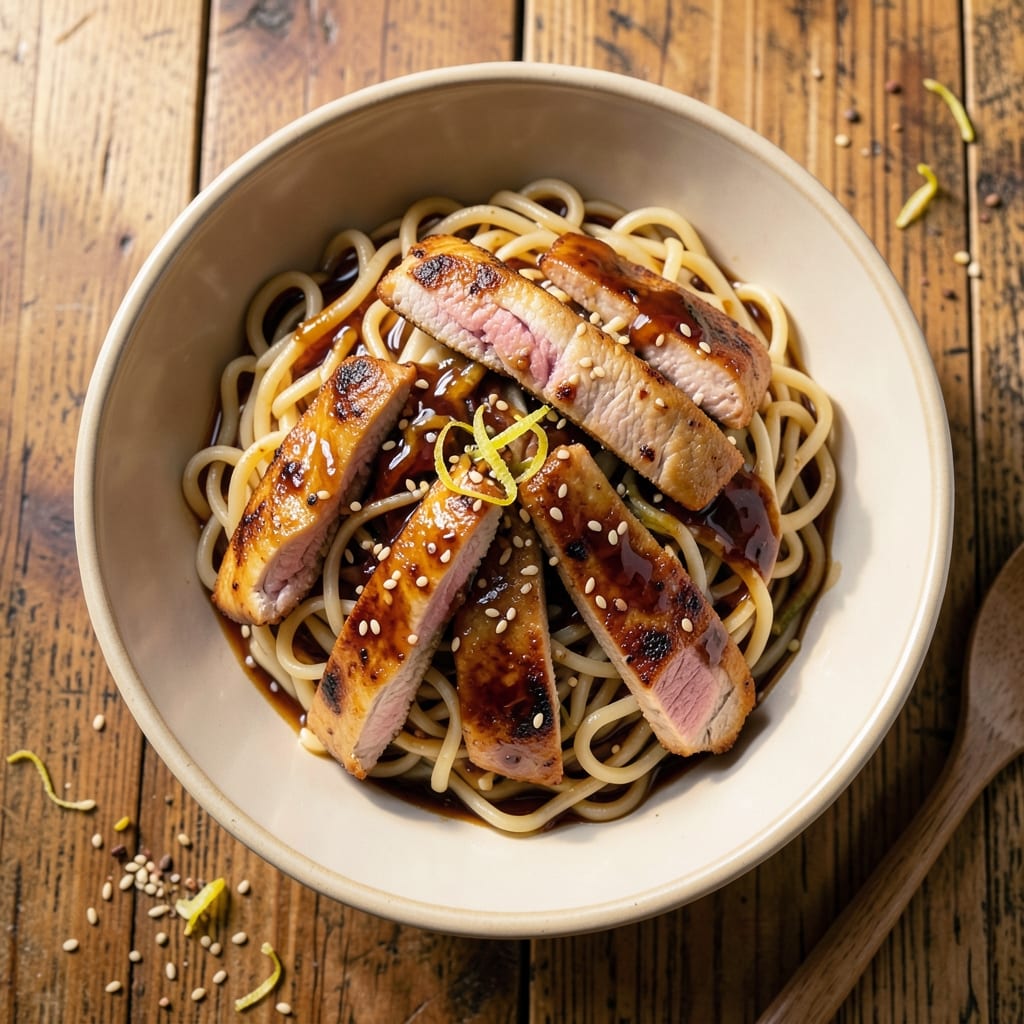
Mastering a chicken egg noodle stir fry in just 20 minutes transforms weeknight dinners from mundane to memorable. This recipe delivers the perfect balance of tender chicken, chewy egg noodles, and a savory-sweet sauce that clings to every bite. I developed it after years of perfecting stir-fry techniques in professional kitchens—now you can recreate that wok-heated flavor at home without the fuss.
The secret lies in high-heat cooking and precise timing. Thinly sliced chicken cooks quickly over blazing heat, while egg noodles achieve that signature chewy texture when tossed at the right moment. A simple homemade sauce—just soy sauce, oyster sauce, a touch of honey, and a splash of sesame oil—elevates the dish with layers of umami and subtle sweetness that cut through the richness of the chicken.
What makes this recipe foolproof is the order of ingredients. Chicken goes in first to sear, then the aromatics, followed by the noodles at the very end so they absorb all that delicious sauce. The result? A plate of restaurant-quality stir fry with crisp-tender chicken, perfectly al dente noodles, and a glossy sauce that ties everything together in every bite.
This dish scales effortlessly—double the ingredients for a crowd or halve it for a quick lunch. The technique stays the same, so you'll always get that satisfying wok-heated flavor. Ready to elevate your stir-fry game? Let's get cooking.
Ingredients for chicken egg noodle stir fry
Restaurant-quality stir-fry starts with these precise ingredients and wok-heated technique.
| Ingredient | Amount | Notes |
|---|---|---|
| Boneless Chicken Breast 🍗 | 1 ½ lb | Thinly sliced against grain |
| Egg Noodles 🍜 | 8 oz | Fresh or dried, al dente preferred |
| Sesame Oil 🫒 | 1 ½ tbsp | Toasted, for aroma and flavor |
| Low-Sodium Soy Sauce 🥢 | ⅓ cup | Kikkoman preferred for balance |
| Oyster Sauce 🍲 | 2 tbsp | Lee Kum Kee for authentic umami |
| Honey 🍯 | 1 ½ tbsp | For subtle sweetness balance |
| Garlic Cloves 🧄 | 6 cloves | Minced, for aromatic foundation |
| Fresh Ginger 🌿 | 1 ½ tbsp | Finely grated, for zesty kick |
| Green Onions 🧅 | ½ cup | Sliced, for fresh finish |
| Vegetable Oil 🫒 | ¼ cup | High smoke point for wok heat |
| Sesame Seeds 🌱 | 1 tbsp | Toasted, for garnish |
| Diamond Crystal Kosher Salt 🧂 | ½ tsp | For seasoning balance |
| Freshly Ground Black Pepper 🌶️ | ¼ tsp | For subtle heat |
The chicken breast is critical—look for plump, evenly sized pieces at Whole Foods or your local butcher. Slicing against the grain ensures tender bites. For egg noodles, fresh is ideal but dried works in a pinch—just cook them al dente. Sesame oil should be toasted; La Choy is a reliable brand. Garlic and ginger should be freshly minced—pre-minced loses potency fast. The Kikkoman soy sauce and Lee Kum Kee oyster sauce deliver authentic umami that's hard to replicate with substitutions.
No sesame oil? Avocado oil at half the amount works for cooking, though it lacks aroma. Substitute honey with maple syrup or agave>, though honey's floral notes are ideal. For oyster sauce, hoisin sauce plus a splash of fish sauce> mimics the depth. Fresh ginger? Ground ginger at one-third the amount is passable. The green onions can be swapped for scallions or chives>, though green onions are traditional. For extra protein, add shrimp or sliced bell peppers>—just adjust cooking time.
Store fresh ginger and garlic wrapped in damp paper towels for up to 1 week>. Sesame oil keeps indefinitely in a cool, dark place. Prep the sauce ahead and store it in an airtight container for 5 days>. The noodles should be cooked just before stir-frying to maintain chewiness. Leftovers reheat beautifully in a steamer basket over boiling water for 2-3 minutes>. Freeze portions for up to 3 months>, though texture may soften slightly.
Why You'll Love This Recipe
- Pantry-to-Table Speed: I swear by this for nights when I’m starving but the fridge is bare. Toss in pre-sliced chicken, boil those egg noodles, and the stir-fry’s ready in the time it takes to microwave a sad bag of popcorn. Sesame oil and soy sauce do all the heavy lifting—just heat, toss, and serve.
- Umami Bomb Combo: That oyster sauce? It’s the secret weapon. The chicken stays juicy, the noodles get that glossy sheen, and the sesame oil finishes with a nutty punch. Honestly, the first bite makes me forget it’s a weeknight dinner.
- Lunchbox Hero: Between us, this is my go-to for meal prep. Cook a big batch, portion it into containers, and grab it cold or reheated—it’s just as good the next day. My kids actually eat their veggies (if I sneak them in), and it’s still a hit when I pack it for work.
- Budget Win: Chicken breast and egg noodles stretch forever, and a little oyster sauce goes a long way. I make this twice a month, and it’s never a splurge. Plus, the leftovers taste even better the second time around—crispy edges, tender noodles, and zero waste.
Step-by-step instructions for chicken egg noodle stir fry
This stir fry delivers restaurant-quality wok heat in just 20 minutes—here's how to nail the technique every time.
Prepare the Chicken and Marinate for Maximum Flavor
Slice the 1.5 lb boneless chicken breast against the grain into ¼-inch thick strips. This ensures tender bites that cook quickly in the wok. Transfer the chicken to a bowl and toss with 0.33 cup low-sodium soy sauce, 2 tbsp oyster sauce, 1.5 tbsp honey, 0.5 tsp diamond crystal kosher salt, and 0.25 tsp freshly ground black pepper. Let it marinate for 15-20 minutes at room temperature—this allows the flavors to penetrate deeply while preventing overcooking.
While the chicken marinates, mince the 6 cloves garlic and finely grate the 1.5 tbsp fresh ginger. These aromatics form the flavor foundation, so precision matters. I like to use a microplane for the ginger to avoid fibrous texture. Keep these separate until cooking to prevent premature browning.
Cook the Chicken Until Fully Tender
Heat a 14-inch wok or large skillet over high heat until it's smoking hot. Add 0.25 cup vegetable oil and swirl to coat the surface evenly. Working in batches if needed (don't overcrowd), add the marinated chicken. Cook undisturbed for 2-3 minutes until the edges develop a golden-brown crust, then stir-fry for another 1-2 minutes until the chicken reaches 165°F internally.
Remove the chicken from the wok and set aside. The residual heat will keep it warm while you cook the aromatics. If the chicken releases too easily, it's undercooked—return it to the wok for an additional 30 seconds. Overcooked chicken turns rubbery, so timing is critical here.
Stir-Fry Aromatics and Noodles
In the same wok, add 1.5 tbsp sesame oil and swirl to coat. Add the minced garlic and grated ginger, cooking for 30 seconds until fragrant—you'll smell that sweet, pungent aroma that signals the aromatics are ready. Immediately add the 8 oz egg noodles and toss vigorously for 1-2 minutes until they begin to soften.
Here's the key: Add ½ cup hot water to the wok and stir constantly for 30 seconds. This steams the noodles while preventing them from sticking. They should be tender but still slightly firm—al dente. If they feel too soft, they'll turn mushy when combined with the sauce later.
Combine and Finish with Sauce
Return the cooked chicken to the wok along with any accumulated juices. Pour in 1.5 tbsp toasted sesame oil and toss everything together for 1 minute to distribute the flavors. The high heat will create a light, aromatic crust on the noodles and chicken.
Lower the heat to medium and add 0.5 cup sliced green onions, reserving 2 tbsp for garnish. Taste and adjust seasoning—you may need an additional ½ tsp soy sauce if the dish tastes bland. The sauce should coat the back of a spoon but remain light enough to let the noodles shine.
Garnish and Serve Immediately
Transfer the stir fry to serving plates and sprinkle with 1 tbsp toasted sesame seeds and the reserved green onions. Serve immediately while the noodles are still hot and the chicken remains juicy. The dish should balance sweet, salty, umami, and aromatic flavors in every bite.
For best results, serve with a side of steamed bok choy or a simple cucumber salad to cut through the richness. The high heat of the wok creates a satisfying contrast between the crisp-tender noodles and the juicy chicken—this is where the magic happens.
Pro Tips For Making Chicken Egg Noodle Stir Fry
- CRISP THE CHICKEN FIRST: I learned this the hard way—when you toss raw chicken into the stir-fry, it steams instead of sears. Cut the chicken into ½-inch strips, then cook them in a dry, screaming-hot pan for 2-3 minutes until golden and slightly charred before adding any sauce or noodles. That crust makes all the difference in texture.
- USE COLD NOODLES: Sounds counterintuitive, but cold, uncooked egg noodles absorb the stir-fry sauce better than pre-boiled ones. Toss them in the pan after the chicken and sauce, letting the residual heat cook them through in about 2-3 minutes. They’ll finish perfectly without turning mushy—no extra water, no soggy mess.
- SALT THE NOODLES WATER: This isn’t the prettiest method, but it’s the tastiest. If you’re boiling your noodles separately, add 1 tablespoon of salt to the water—more than you’d use for pasta. The noodles will taste seasoned from the start, and you’ll need less soy sauce later. (Yes, even if you’re impatient like me.)
- SAVE THE SESAME OIL: Don’t pour that last drop of sesame oil into the pan until the very end. Heat it in a separate small bowl, then drizzle it over the finished dish—it’ll smell amazing and keep its nutty flavor instead of burning off. A teaspoon at the end is all you need, but it makes the dish smell like a restaurant.
Best sauces and condiments for these flavors
Classic Soy-Ginger Sauce
This is my go-to foundation for stir-fry sauces—simple yet packed with depth. Combine ⅓ cup low-sodium soy sauce, 2 tbsp Lee Kum Kee oyster sauce, 1.5 tbsp honey, 1.5 tbsp toasted sesame oil, and 1 tbsp rice vinegar for brightness. The soy and oyster sauce create that signature umami punch, while the honey and vinegar balance with subtle sweetness and acidity. I like to whisk this together ahead of time so the flavors meld perfectly by cooking time. 💫
Spicy Sesame Kick
For heat lovers, add 1 tbsp sambal oelek or ½ tsp gochujang to the sauce. The chili heat cuts through the richness while adding complexity. I also toss in 1 tsp toasted chili oil at the very end for a smoky finish. Garnish with crushed red pepper flakes and extra sesame seeds for visual contrast. This version feels inspired by my time judging BBQ contests in Georgia—where heat is always welcome. 🌶️
Sweet and Tangy Glaze
Swap the honey for 2 tbsp hoisin sauce and add 1 tbsp rice vinegar plus 1 tsp sugar to create a glossy, slightly sticky glaze. The hoisin adds a deeper sweetness, while the vinegar keeps it bright. I use this variation when serving to families—it’s approachable yet still packed with flavor. For extra richness, stir in 1 tsp grated ginger> while cooking to infuse the sauce with zesty warmth.
Creamy Peanut Sauce
For a nutty twist, blend 2 tbsp creamy peanut butter, 1 tbsp soy sauce, 1 tbsp honey, 1 tsp sriracha, and 1 tsp lime juice with 2 tbsp hot water>. The peanut butter adds a luxurious texture that contrasts beautifully with the crisp-tender noodles. Toss the stir-fry in this sauce at the very end and garnish with chopped peanuts> and cilantro. This version feels like a fusion of Southeast Asian flavors—perfect for when I’m craving something different. 🥜
Umami Bomb Sauce
For maximum depth, use 1 tbsp fish sauce> instead of some of the soy sauce, plus 1 tsp miso paste> for earthy richness. The fish sauce adds a briny edge, while the miso brings a savory depth that’s hard to resist. I also add ½ tsp white pepper> for a subtle, aromatic kick. This sauce is my secret weapon when I want to impress guests—it’s bold but balanced. The high heat of the wok amplifies all these flavors, making every bite unforgettable. 💪
Nutrition facts
Frequently asked questions
Can I use dried egg noodles instead of fresh?
Yes! Dried egg noodles work perfectly—just cook them 1 minute less than package instructions (they'll finish cooking in the wok). For extra chewiness, rinse them under cold water after cooking to stop the cooking process temporarily. The key is adding them to the wok when they're still slightly firm so they don't turn mushy from the sauce.
How do I prevent the chicken from drying out?
Slice the chicken ¼-inch thick against the grain and marinate for 15-20 minutes—this keeps it juicy. Cook it over high heat in batches without overcrowding, and remove it from the wok when it reaches 165°F (about 3-4 minutes total). The residual heat will keep it warm while you finish the noodles. Never overcook—it should stay tender and moist.
What's the best way to make this spicier?
Add 1 tbsp sambal oelek or ½ tsp gochujang to the sauce, then finish with 1 tsp toasted chili oil and crushed red pepper flakes. For extra heat, toss in ½ tsp cayenne with the aromatics. I also recommend serving with sriracha or chili crisp on the side so everyone can adjust to their taste.
Can I make this ahead of time?
Cook the chicken and sauce separately, then refrigerate for up to 2 days. When ready to serve, reheat the chicken in a skillet with 1 tsp sesame oil over medium heat, then quickly toss with pre-cooked noodles and sauce. For best texture, serve immediately after reheating—noodles lose their chewiness when left sitting.
What if I don't have a wok?
Use a 12-inch cast-iron skillet or deep nonstick pan—just make sure it's heavy and gets very hot. A carbon steel or stainless steel pan works too. The key is maintaining high heat and stirring constantly. If your pan isn't wide enough, cook in batches (chicken first, then noodles). The technique stays the same—just adapt the tool!