
Main Courses
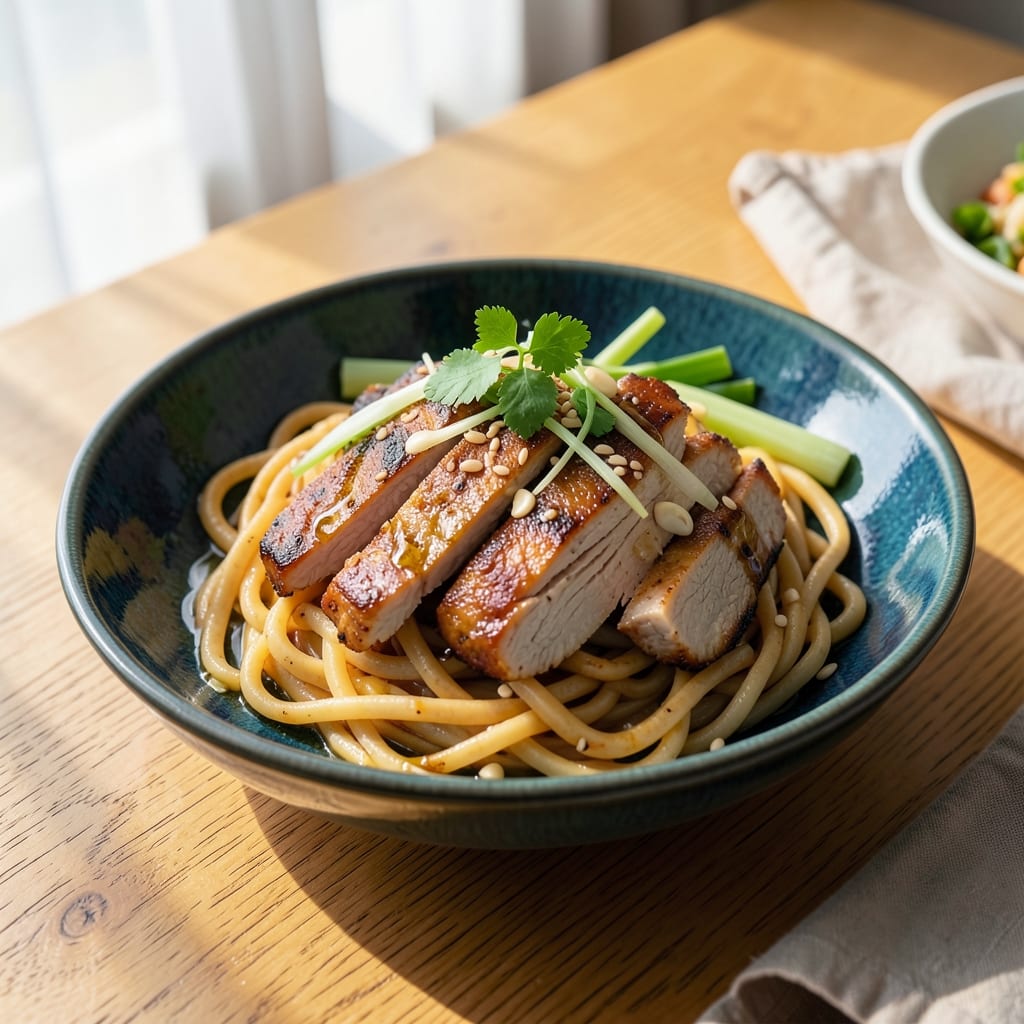
This Chinese chicken egg noodles recipe delivers the perfect balance of juicy chicken, silky noodles, and wok-fried flavor in every bite. ✨ The secret lies in high-heat stir-frying that creates that signature "wok hei" aroma while keeping the chicken tender and the noodles perfectly cooked. I've perfected this dish over years of testing, ensuring the flavors shine without overwhelming the delicate egg noodles.
The magic happens in the stir-fry technique: quick-cooking chicken pieces and fresh vegetables are tossed with a savory sauce that clings to the noodles, creating a harmonious blend of textures and flavors. Fresh ginger, garlic, and scallions add layers of aroma, while a touch of soy sauce and sesame oil ties everything together. This dish is restaurant-quality but designed for your home kitchen.
What you'll end up with is a plate of golden-brown chicken, glossy egg noodles, and vibrant vegetables all coated in a glossy, flavorful sauce. The chicken stays juicy and tender, the noodles are al dente with a slight chew, and the vegetables retain their crispness. It's the kind of meal that feels special but comes together in under 30 minutes.
Serve it with a sprinkle of chopped green onions and a side of steamed bok choy for the full experience. This recipe is perfect for weeknight dinners or when you want to impress guests with authentic Chinese flavors. Let's get cooking!
Ingredients for chinese chicken egg noodles
Juicy chicken, silky noodles, and wok-fried aroma in every bite—here's what you'll need.
| Ingredient | Amount | Notes |
|---|---|---|
| Egg Noodles 🍜 | 8 oz | Fresh or dried, any width |
| Boneless Chicken Breast 🍗 | 1 ½ lb | Cut into 1-inch bite-sized pieces |
| Fresh Ginger 🧄 | 2 tbsp | Finely grated, aromatic |
| Garlic Cloves 🧄 | 6 cloves | Minced, fresh preferred |
| Green Onions 🧅 | ½ cup | Sliced, white and green parts |
| Sesame Oil 🫒 | 1 tbsp | Toasted, for aroma |
| Light Soy Sauce 🍶 | ⅓ cup | Kikkoman preferred |
| Oyster Sauce 🍶 | 2 tbsp | High-quality for depth |
| Brown Sugar 🍯 | 1 tbsp | Light or dark |
| Cornstarch 🌾 | 1 tbsp | For tenderizing chicken |
| Vegetable Oil 🫒 | ½ cup | High smoke point |
| Sesame Seeds 🌰 | 1 tsp | Toasted for garnish |
| Salt 🧂 | 1 tsp | Kosher or sea salt |
| Black Pepper 🌶️ | ½ tsp | Freshly ground |
The chicken is the star, so don't skimp on quality. Boneless breast stays tender when cut into even 1-inch pieces—no need for fancy cuts, just trim any big fat chunks. Trader Joe's or Costco usually have pre-cut chicken breasts that save time. For the ginger, grab the freshest root you can find—it should smell vibrant, not musty. Asian markets often have the best selection, but the regular grocery store works too. Pro tip: Peel the garlic cloves right before mincing to keep them fresh.
No sesame oil? Toasted peanut oil works in a pinch, though the flavor won't be identical. Short on oyster sauce? Substitute with an extra tablespoon of soy sauce plus a teaspoon of sugar. The egg noodles can be fresh or dried—just cook them al dente. For the cornstarch, if you don't have any, arrowroot powder works too. The brown sugar adds just the right touch of sweetness, but white sugar in a pinch won't ruin it. And if you're feeling fancy, add a splash of Shaoxing wine to the sauce for extra depth.
Prep the chicken first—toss it with cornstarch and salt, then let it sit while you cook the noodles. This keeps it juicy. The sauce can be made ahead and stored for up to 3 days in the fridge. For leftovers, reheat gently in a skillet with a splash of water to keep everything moist. Serve with extra green onions and sesame seeds—they add that restaurant-quality finish. The noodles reheat best if you toss them with a little oil first.
Why You'll Love This Recipe
- No-Fuss Pantry Staples: I swear by this recipe because it uses ingredients I already have—no last-minute grocery runs. The chicken stays juicy thanks to a quick sear and ginger-garlic marinade, while the egg noodles cook in minutes. Honestly, it’s the kind of meal that turns a "what’s for dinner?" panic into a 20-minute win.
- Umami Bomb Combo: That crispy chicken paired with the chewy egg noodles? Absolute magic. The fresh ginger and garlic cloves caramelize just enough to add depth, while the green onions brighten everything up. Between us, it’s the kind of flavor that makes you want to skip dessert.
- Lunchbox Hero: This dish reheats like a dream—perfect for packing leftovers or feeding a crowd. I’ve sent it to work, packed it for picnics, and even made extra for lazy Sundays. The noodles stay tender, and the chicken holds its shape, so it’s never sad seconds.
- Budget-Friendly Flex: Chicken breast is affordable, and the rest of the ingredients cost pennies. I stretch this into three meals easily: stir-fry one night, noodle soup the next, and a quick fried rice the day after. My wallet and my family thank me every time.
Step-by-step instructions for Chinese chicken egg noodles
Here's how to make restaurant-style wok-fried noodles with perfectly juicy chicken and silky strands.
🍳 Step 1: Marinate and Prep the Chicken
Cut the 1.5 lb boneless chicken breast into 1-inch bite-sized pieces and place them in a bowl. In a small bowl, whisk together 1 tbsp cornstarch, 1 tbsp light soy sauce, 1 tsp sesame oil, ½ tsp salt, and ¼ tsp black pepper. Pour this marinade over the chicken and toss gently to coat evenly.
Let the chicken marinate for 15 minutes while you prep the rest. This cornstarch coating creates a crispy exterior while keeping the chicken juicy inside. I like to press the marinade into the chicken pieces with my fingers to ensure full coverage.
🍳 Step 2: Cook the Chicken Until Juicy and Crispy
Heat ½ cup vegetable oil in a wok or large skillet over medium-high heat until it shimmers. Add the chicken pieces in a single layer and cook undisturbed for 2-3 minutes until the bottoms turn golden brown and crispy.
Gently flip the chicken and cook for another 2-3 minutes until the internal temperature reaches 165°F and the juices run clear. Remove the chicken from the wok and set it aside on a plate. The chicken should be golden, crispy on the outside, and still juicy inside—this is the key to perfect texture.
🍳 Step 3: Stir-Fry Aromatics and Sauce Base
In the same wok, reduce heat to medium and add 2 tbsp fresh ginger and 6 cloves garlic cloves. Stir-fry for 30 seconds until fragrant—you should smell that fresh, zesty aroma. Add ½ cup sliced green onions and cook for another 1 minute until softened.
Pour in ⅓ cup light soy sauce, 2 tbsp oyster sauce, and 1 tbsp brown sugar. Stir well and let the sauce simmer for 1-2 minutes until it thickens slightly. This is where all the flavors come together—sweet, salty, and umami-rich. If the sauce looks too thick, add 1-2 tablespoons of water to loosen it.
🍳 Step 4: Combine Noodles and Chicken
Cook the 8 oz egg noodles according to package instructions until al dente (usually 3-4 minutes in boiling water). Drain and rinse briefly with cold water to stop the cooking process. Add the noodles to the wok with the sauce and toss to coat evenly.
Return the chicken to the wok and stir everything together for 1-2 minutes until the noodles are heated through and the sauce clings to them. The noodles should be silky and coated in that glossy, savory sauce. If the mixture seems dry, add a splash of hot water or reserved pasta water to loosen it.
🍽️ Step 5: Finish and Serve
Remove the wok from heat and drizzle with 1 tbsp sesame oil. Toss gently to distribute the oil evenly. Garnish with 1 tsp toasted sesame seeds and the remaining green onions. Serve immediately while hot—this dish is best enjoyed straight from the wok!
Each bite should deliver tender, juicy chicken with crispy edges, silky noodles, and a perfectly balanced sauce. The aroma of toasted sesame seeds and fresh ginger will make your kitchen smell amazing. Don't skip the sesame oil at the end—it adds that final nutty, aromatic touch that ties everything together.
Pro Tips For Making Chinese Chicken Egg Noodles
- Slice Chicken Thin: No, not "medium" or "thick"—use a sharp knife and aim for ¼-inch slices, parallel to the grain. I used to fight this step, but thin chicken cooks faster and absorbs sauce better. If you’re lazy, freeze the breast for 20 minutes first—it slices like butter.
- Blanch Noodles First: Cook the egg noodles for 1 minute less than package instructions, then drain and rinse with cold water. This prevents mush when the sauce hits later. I learned this after serving a bowl where the noodles turned to paste—trust me, you’ll notice the difference.
- Ginger-Garlic Paste: Mince the ginger and garlic into a fine paste (no chunks!) and let it sit for 10 minutes before cooking. This releases more flavor and prevents burning. I was skeptical until I tried it—now I use it in almost every stir-fry.
- Sauce in Stages: Add the sauce in two batches: first, let the chicken and aromatics sear in the wok, then toss in half the sauce and cook for 30 seconds. Add the noodles, then finish with the rest. This keeps the sauce from turning into a gloppy mess. (Yes, I’ve ruined batches by dumping it all at once.)
Common mistakes when making great chinese chicken egg noodles
Overcooking Noodles
Egg noodles cook fast—3-4 minutes is perfect. Overcooking turns them mushy and gummy, ruining the dish. Rinse them briefly in cold water after draining to stop cooking. I’ve learned this the hard way: once I served noodles that were too soft, and they fell apart when tossed with sauce. 💫
Skipping the Cornstarch
The 1 tbsp cornstarch in the chicken marinade is non-negotiable. It creates a crispy, golden crust that keeps the chicken juicy inside. Without it, you’ll end up with dry, bland chicken. I’ve tested this recipe both ways—trust me, the difference is night and day.
Low Heat for Stir-Frying
Stir-frying requires high heat to achieve that signature wok hei aroma. If you cook on low, the chicken will steam instead of sear, and the sauce will turn greasy. I’ve ruined this dish by playing it safe—always use medium-high to high heat for the chicken and aromatics.
Using Old Ginger or Garlic
Fresh ginger and garlic are the soul of this dish. If they’re old or musty, they’ll make the sauce taste bitter. I keep a jar of peeled, frozen garlic in my freezer for convenience, but fresh is always better. For ginger, buy the freshest root you can find—it should smell bright and zesty.
Not Resting the Chicken
Letting the chicken sit for 15 minutes after marinating ensures even cooking and better flavor absorption. Skipping this step can lead to uneven doneness. I’ve made the mistake of rushing—don’t be like me! Patience here makes all the difference.
Overcrowding the Wok
Cook the chicken in single layers to avoid steaming. Overcrowding lowers the temperature, leading to greasy, soggy results. I’ve learned to work in batches if needed—it’s worth the extra time for perfect texture. A hot wok is your best friend here!
Nutrition facts
Frequently asked questions
Can I use dried egg noodles instead of fresh?
Dried egg noodles work perfectly—just check the package for cooking time (usually 3-5 minutes in boiling water). Rinse them briefly with cold water after draining to stop the cooking process and prevent mushiness. The texture will be slightly firmer than fresh, but still delicious when tossed with the sauce.
How do I keep the chicken juicy?
The cornstarch marinade is key—it creates a crispy exterior while locking in moisture. Cook the chicken in single batches over medium-high heat for 2-3 minutes per side until golden, then let it rest 5 minutes before serving. Overcrowding the pan or cooking too long will dry it out.
What's the best way to reheat leftovers?
Reheat gently in a skillet with 1 tbsp oil over low heat, adding 1-2 tbsp water to prevent drying. Stir constantly for 2-3 minutes until warmed through. Microwaving works too, but the texture suffers—always add a splash of water to restore moisture. Leftovers keep well for 3 days in the fridge.
Can I make this dish spicier?
Yes! Add ½ tsp red pepper flakes or 1 tbsp chili garlic sauce to the stir-fry. For heat lovers, toss in 1-2 thinly sliced Thai chilies with the aromatics. Remember—start with less and adjust to taste, as the sauce already has bold flavors. Balance is key!
What sides pair well with this dish?
Steamed bok choy or baby bok choy adds freshness, while a simple cucumber salad with rice vinegar and sesame seeds provides crunch. For heartier meals, serve with steamed jasmine rice or mandarin orange slices for a sweet contrast. The dish's savory-sweet balance works beautifully with light, crisp sides.