
Side Dishes
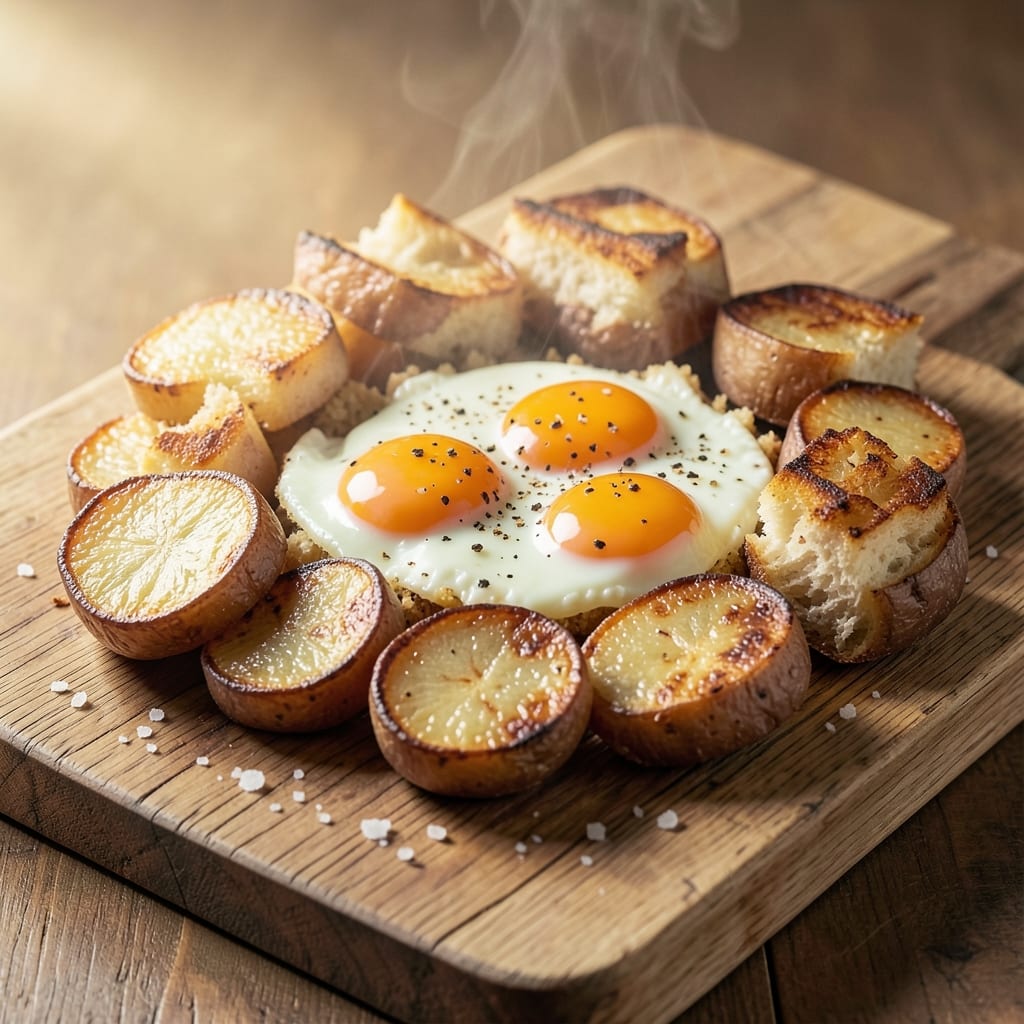
This bread egg and potato recipe transforms humble ingredients into a hearty, one-pan dish with crispy edges and rich, savory layers. The secret lies in layering thinly sliced potatoes and bread with beaten eggs, then baking until golden and perfectly tender. I developed this recipe after realizing how much I missed the comfort of a classic hash—without the fuss of multiple pans or complicated techniques.
The beauty of this dish is its simplicity: just 30 minutes of prep and 25 minutes in the oven, yet it delivers restaurant-quality results. The bread adds a satisfying crunch, while the potatoes soak up the eggy richness, creating a texture that's both crispy and creamy. It's the kind of meal that feels indulgent but comes together effortlessly, making it perfect for busy weeknights or lazy weekends.
What you'll end up with is a dish that's equal parts satisfying and elegant—golden, bubbling edges that give way to fluffy potatoes and eggs. The aroma alone will have everyone gathering around the table, and the first bite delivers that perfect balance of textures and flavors. This isn't just a side dish; it's a complete, comforting meal that proves you don't need fancy ingredients to create something extraordinary.
Serve it as-is for a simple, satisfying dinner or add fresh herbs or a sprinkle of cheese for extra flair. The possibilities are endless, but the foundation remains the same: crispy, flavorful, and impossible to resist. Let's get started!
Ingredients for bread egg potato
Pantry staples and fresh ingredients transform into a golden, crispy one-pan masterpiece.
| Ingredient | Amount | Notes |
|---|---|---|
| Russet Potatoes 🥔 | 2 lb | Thinly sliced, peeled preferred |
| Stale Bread 🍞 | 8 slices | Day-old white or sourdough |
| Large Eggs 🥚 | 6 whole | Room temperature for even cooking |
| Unsalted Butter 🧈 | ½ cup | Melted for crispy edges |
| Diamond Crystal Kosher Salt 🧂 | 1 tsp | For seasoning, plus extra for edges |
| Freshly Ground Black Pepper 🌶️ | ½ tsp | Freshly cracked for best flavor |
| Extra-Virgin Olive Oil 🫒 | 1 tbsp | Light drizzle for crispiness |
| Fresh Chives 🌿 | 2 tbsp | Chopped, for garnish (optional) |
| Garlic Cloves 🧄 | 2 cloves | Minced, for optional flavor boost |
| Heavy Whipping Cream 🥛 | ¼ cup | Optional for extra richness |
| Grated Parmesan Cheese 🧀 | ¼ cup | Freshly grated for garnish |
| Onion Powder 🧅 | ½ tsp | For subtle depth of flavor |
The potatoes are the foundation—Russet delivers that fluffy interior and crispy exterior. Grab the thickest-cut Russets you can find at Whole Foods or your local market; they hold up best to slicing. For the bread, day-old sourdough or white loaf works perfectly—toss those stale ends in here instead of wasting them. If you're prepping ahead, slice the potatoes and store them in cold water in the fridge for up to 24 hours. The eggs should be large, fresh eggs—they create a richer, creamier texture when baked. For extra crispiness, I always melt the butter in the pan first, letting it brown slightly before adding the potatoes.
No stale bread? Toast a few slices of bread specifically for this recipe—just dry it out in a 300°F oven for 10 minutes. Short on eggs? Substitute with 0.5 cup of heavy cream plus 1 tbsp cornstarch for each egg omitted, though the texture will be slightly less firm. Want more depth? Add 1 tsp smoked paprika to the potato mix. The optional cream and Parmesan elevate this from a side dish to a main course—Costco's Kirkland brand is my go-to for both. For the garlic, I prefer freshly minced over powder, but if you're in a pinch, garlic powder at half the amount works fine. The chives add a bright finish, but if you're out, green onions or parsley will do just as well.
This dish reheats beautifully—just pop it back in the oven at 350°F for 10-15 minutes until heated through. Store leftovers in an airtight container for up to 4 days, though I rarely have any left that long. For meal prep, assemble the dish in the pan but underbake it slightly (20 minutes instead of 25) so it crisps up perfectly when reheated. The Parmesan and chives can be added fresh after reheating for maximum brightness. Freeze portions for up to 2 months—just thaw in the fridge overnight and finish in the oven to restore crispiness.
Why You'll Love This Recipe
- No-Waste Magic: I swear by this for using up stale bread—no more tossing that crusty loaf. The moment the eggs set into the crispy potato slices, you’ll realize how genius it is to turn scraps into something this satisfying.
- Creamy Crispy Contrast: That buttery, golden crust on the potatoes paired with the soft, custardy eggs? It’s the kind of texture combo that makes you pause mid-bite. Honestly, the salted butter ties everything together like a hug.
- Lunchbox Hero: Between us, this is my go-to for packed lunches—it reheats beautifully and keeps well for days. The bread soaks up the eggy richness, so every bite feels like a little comfort meal, even at work.
- Pantry Staple Power: Russets, eggs, and bread? You’re already halfway there. I’ll be real: it’s my budget-friendly answer to fussy dinners. Plus, the leftovers freeze like a dream for lazy mornings or late-night cravings.
Step-by-step instructions for one-pan hash with crispy edges
This method delivers restaurant-quality texture with minimal cleanup—just one pan and perfect timing.
Prep and Par-cook the Potatoes
Peel the 2 lb russet potatoes and slice them into ¼-inch thick rounds using a mandoline or sharp knife for even thickness. Immediately soak the slices in cold water for 10 minutes to remove excess starch, then drain thoroughly and pat dry with paper towels.
Heat a large oven-safe skillet over medium-high heat and add 1 tablespoon extra-virgin olive oil. Arrange half the potato slices in a single layer, leaving space between pieces. Cook undisturbed for 4-5 minutes until the edges begin to brown and the potatoes release easily from the pan. Flip and cook another 3-4 minutes until lightly golden on both sides. Remove to a plate and repeat with remaining potatoes. This par-cooking step creates the foundational crispiness we're after.
Build the Bread Layer for Crispy Edges
While the potatoes cook, tear the 8 slices stale bread into ½-inch pieces and toss them with 0.5 tsp onion powder and 0.25 tsp freshly ground black pepper in a bowl. Spread the bread pieces evenly over the par-cooked potatoes in the skillet, pressing down gently to create a compact layer.
Return the skillet to medium-high heat and cook the bread for 3-4 minutes, stirring occasionally, until it begins to crisp and turn golden brown. The bread should develop a toasty aroma—this indicates it's absorbing the potato juices and developing that perfect hash texture. Remove from heat and set aside for 1 minute to allow the bread to crisp further.
Add Butter and Seasoning for Maximum Crisp
Increase the heat to medium-high and add the 0.5 cup unsalted butter to the skillet. Let it melt completely, about 1 minute, then reduce heat to medium-low. Return the potato-bread mixture to the skillet and stir gently to distribute the melted butter evenly throughout. Sprinkle with the remaining 0.25 tsp freshly ground black pepper and 0.5 tsp onion powder, mixing just until combined.
Cook for another 2 minutes, stirring occasionally, until the bread pieces are uniformly golden brown and the potatoes are tender when pierced with a fork. Here's where the magic happens—the butter creates a luscious, crispy crust while keeping the interior tender. If the bread starts to brown too quickly, reduce heat slightly to prevent burning.
Create the Egg Nest for Perfectly Cooked Eggs
Using a spoon, create six small wells in the hash mixture, spacing them evenly across the skillet. Crack the 6 whole large eggs directly into these wells, being careful not to break the yolks. Sprinkle the hash generously with the remaining 0.5 tsp diamond crystal kosher salt—this seasoning will enhance both the hash and the eggs.
Cover the skillet and cook for 3-4 minutes until the egg whites are set but the yolks remain runny. The residual heat from the hash will gently cook the eggs to perfection without overcooking. For extra richness, you can drizzle the 0.25 cup heavy whipping cream over the eggs at this stage, though it's optional.
Finish with Cheese and Garnish for Ultimate Presentation
Remove the skillet from heat and immediately sprinkle the 0.25 cup grated parmesan cheese evenly over the eggs and hash. Cover again for 1 minute to allow the cheese to melt slightly and create a creamy blanket over the dish. Garnish with the 2 tablespoons chopped fresh chives and the 2 cloves minced garlic cloves (if using) for a pop of color and freshness.
Serve immediately while the hash is piping hot and the eggs are still runny in the center. The perfect hash should have crispy bread edges, tender potatoes, and silky eggs that blend seamlessly into the dish. Each bite should deliver a satisfying contrast of textures—crispy, creamy, and tender all at once.
Pro Tips For Making Bread Egg Potato
- CUT POTATOES UNIFORM: I learned this the hard way—uneven slices mean some potatoes turn to mush while others stay raw. Use a mandoline or sharp knife for ⅛-inch slices, and soak them in cold water for 10 minutes first to remove excess starch. (Yes, even if you're impatient like me.)
- DRY BREAD WELL: Crumbs in your egg wash make for a soggy top. Tear stale bread into chunks, pulse in a food processor until fine but not powdery, then spread on a baking sheet. Let it sit for 20 minutes while you prep the rest—this guarantees crispiness, not glue.
- BAKE POTATOES FIRST: Roast the potatoes at 425°F (220°C) for 25 minutes before adding the bread-egg mix. They’ll soften just enough to soak up flavor without falling apart, and the residual heat helps the topping set faster. (Skip this, and you’re fighting with a gummy mess.)
- SALT THE BUTTER: Unsalted butter needs flavor too—melt 2 tablespoons with ½ teaspoon kosher salt (that’s ¼ tsp per tbsp) before mixing with eggs. Spread it evenly over the bread-potato layer; the salt dissolves into the egg wash, seasoning every bite. (I used to forget, and it tasted bland.)
Perfect pairings for this dish
Classic Hash Sides
Serve your one-pan hash alongside crispy apple slices for a sweet contrast—the tartness cuts through the richness beautifully. I like to toss 2 medium apples (like Honeycrisp) with 1 tbsp lemon juice and 1 tsp cinnamon, then pan-fry in 1 tbsp butter until golden. Another favorite is sautéed spinach with garlic—just wilt 4 cups fresh spinach in 1 tbsp olive oil with 2 minced garlic cloves for 2 minutes. 🥗
Beverage Pairings
A bold black coffee (like a cold brew) balances the dish's richness without overpowering it. For something lighter, try a sparkling rosé wine—its crisp acidity refreshes your palate between bites. I also love pairing this hash with a light lager, such as Heineken or Peroni, because the effervescence cleanses the palate. 🍷
Breakfast Upgrade
Transform this dish into a brunch centerpiece by adding crispy bacon and avocado slices. Cook 6 slices bacon until crispy, then layer them on top of the hash. Top with 2 ripe avocados, sliced, and a sprinkle of flaky sea salt. The creamy avocado pairs perfectly with the crispy edges of the hash. 🥑
Lunch or Dinner Expansion
Turn this into a full meal by serving it with a simple arugula salad. Toss 4 cups baby arugula with 2 tbsp olive oil, 1 tbsp balsamic vinegar, and 1 tbsp shaved Parmesan. The peppery greens provide a refreshing contrast to the hearty hash. For a protein boost, add grilled chicken or smoked salmon on the side. ✨
Cheesy Additions
For extra indulgence, sprinkle shredded Gruyère or fontina cheese over the hash before serving. The melted cheese adds a luxurious creaminess that complements the crispy edges. I recommend ½ cup shredded Gruyère, melted directly on top for 2-3 minutes before serving. 🧀
Sweet Ending
Finish the meal with a warm apple crisp or vanilla ice cream to balance the savory flavors. The sweetness of the apples or creaminess of the ice cream provides a delightful contrast. For a lighter option, serve with lemon sorbet—its tangy flavor cleanses the palate. 🍏
Nutrition facts
Frequently asked questions
Can I use sweet potatoes instead of russet potatoes?
Sweet potatoes will add natural sweetness and vibrant color, but they require slightly longer cooking time—about 5-7 extra minutes in the oven. For best results, slice them ⅛-inch thick to ensure even cooking. The texture will be slightly softer than russets, but the flavor is delicious.
What if I don't have stale bread—can I use fresh?
Fresh bread works, but it won't get as crispy. To mimic stale texture, tear the bread into pieces and dry them in a 300°F oven for 10 minutes before adding to the pan. Alternatively, use panko breadcrumbs for extra crunch. The key is ensuring the bread absorbs the potato juices properly.
How do I make this dish ahead of time?
Assemble the hash (potatoes + bread) in the pan but underbake it for 20 minutes instead of 25. Store covered at room temp for up to 2 hours or refrigerate for 1 day. Reheat in a 375°F oven for 10-15 minutes, then add eggs fresh to avoid overcooking. For freezing, bake completely, cool, then freeze in portions for up to 2 months.
Can I make this vegetarian?
Yes! Skip the eggs and replace them with ½ cup crumbled feta cheese or ¼ cup vegan cream cheese mixed with 1 tbsp nutritional yeast for a cheesy center. Alternatively, add chickpeas or tofu crumbles for protein. The dish still delivers that crispy, savory profile without meat or eggs.
Why did my hash turn out soggy?
Soggy hash usually means the potatoes weren't pre-cooked enough or the bread absorbed too much moisture. To fix it: Pat potatoes extra dry before cooking, par-cook them longer (5-6 minutes per side), and reduce heat slightly when adding butter to prevent overcooking the bread. Also, ensure your pan isn't too large—crowding causes steam buildup.