
Breakfast & Brunch
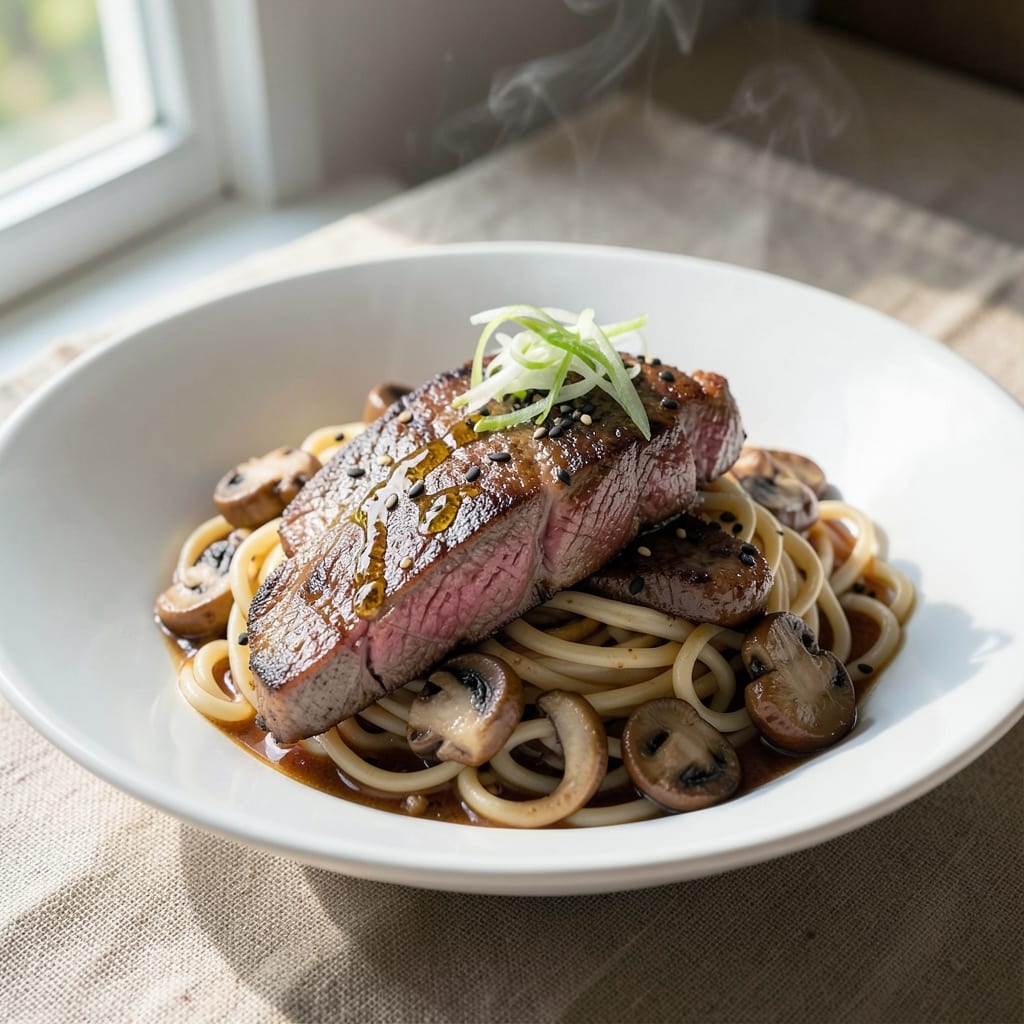
This beef mushroom egg noodles recipe delivers hearty, umami-rich breakfast in under 20 minutes—no fancy techniques required. The secret lies in searing thinly sliced beef with mushrooms until deeply caramelized, then tossing everything together with egg noodles and a savory soy-ginger sauce. I developed this one-pan method after realizing most beef noodle recipes either skimp on protein or require multiple steps, so I streamlined it without sacrificing flavor.
The beauty of this dish is its flexibility—use ground beef for quick prep or thinly sliced sirloin for that classic restaurant texture. Mushrooms add earthy depth while absorbing the savory sauce, and egg noodles soak up every last bit of flavor. The result is a comforting, protein-packed breakfast that tastes like you've been cooking for hours, even though you're done in minutes.
What makes this recipe work is the balance of textures: tender beef, chewy mushrooms, and al dente noodles all coated in a glossy, aromatic sauce. The dish comes together in one pan, making cleanup effortless while delivering restaurant-quality results. Serve with a sprinkle of green onions and sesame seeds for freshness, or keep it simple with a fried egg on top.
Perfect for busy mornings, weekend brunches, or even a satisfying dinner when you're craving something hearty. The technique scales easily too—double the ingredients for a crowd, or halve it for a single serving. Let's get cooking!
Ingredients for beef mushroom egg noodles
Thinly sliced beef, earthy mushrooms, and al dente noodles combine for a restaurant-quality breakfast in one pan.
| Ingredient | Amount | Notes |
|---|---|---|
| Thinly Sliced Sirloin Steak 🥩 | 12 oz | Cut against the grain for tenderness |
| Cremini Mushrooms 🍄 | 8 oz | Sliced into 1/4-inch pieces |
| Egg Noodles 🍜 | 8 oz | Fresh or dried, cooked al dente |
| Soy Sauce 🥢 | 3 tbsp | High-quality, low-sodium preferred |
| Fresh Ginger 🌿 | 1 tbsp | Finely grated, peeled |
| Sesame Oil 🫒 | 1 tbsp | Toasted, for aroma |
| Vegetable Oil 🫒 | 2 tbsp | High smoke point for searing |
| Garlic Cloves 🧄 | 3 cloves | Minced, fresh preferred |
| Green Onions 🧅 | 2 whole | Sliced thin for garnish |
| Sesame Seeds 🌾 | 1 tsp | Toasted lightly for crunch |
| Diamond Crystal Kosher Salt 🧂 | ¾ tsp | Adjust to taste |
| Freshly Ground Black Pepper 🌶️ | ½ tsp | Cracked, not powdered |
| Ground Black Pepper 🌶️ | ¼ tsp | For finishing |
| Water 💧 | 1 ½ cups | For cooking noodles |
The sirloin steak is the star—look for well-marbled cuts at your butcher or grocery store's meat counter. Whole Foods or Trader Joe's carry pre-sliced versions that save time, but slicing it yourself ensures even cooking. For mushrooms, cremini or shiitake add the most depth, but white button mushrooms work in a pinch. Fresh ginger loses potency quickly, so buy it just before cooking—Whole Foods or Asian markets often have the freshest roots. The egg noodles should be fresh if possible; dried noodles work too but require precise cooking times to avoid mushiness.
No sirloin? Flank steak or ground beef both work—just adjust cooking time accordingly. Swap cremini mushrooms for shiitake or oyster mushrooms for extra umami. If you're short on fresh ginger, ginger powder at half the amount gets you close, though it lacks the bright zing. For sesame oil, toasted sesame oil adds the most flavor, but regular sesame oil is fine for cooking. The soy sauce can be tamari for gluten-free, but Kikkoman or Pearl River Bridge brands deliver the best balance of salt and depth. For extra richness, stir in 1 tbsp of oyster sauce at the end.
This dish reheats beautifully—just add a splash of water and cover until warmed through. Store leftovers in an airtight container for 3-4 days in the fridge, or freeze for up to 3 months by portioning into single-serving containers. The noodles soften when reheated, so cook them slightly underdone initially. Garnish with toasted sesame seeds and green onions right before serving to keep everything fresh. Double the ingredients for a crowd, or halve for a single serving—this recipe scales effortlessly.
Why You'll Love This Recipe
- One-Pan Magic: I swear by this recipe when I’m too tired to wash dishes. The mushrooms caramelize right alongside the beef in the same pan—no extra pots, no fuss. Just toss in the noodles at the end, and boom: dinner’s ready.
- Umami Bomb: That combo of soy sauce and ginger? It’s like a flavor explosion. The mushrooms soak up the sauce while the beef stays tender, and the egg noodles? They’re the perfect sponge for every last drop.
- Lunchbox Hero: I make double batches on Sundays because this reheats like a dream. Pack it for work or school—it’s hearty enough to keep you full, and the noodles stay al dente even after sitting overnight.
- Budget Power Move: Sirloin on sale? Thinly sliced, it stretches further than you’d think. Mushrooms add depth without breaking the bank, and egg noodles are cheaper than most pasta. A whole meal for less than takeout.
Step-by-step instructions for beef mushroom egg noodles
This one-pan dish comes together faster than takeout—crispy beef, tender mushrooms, and al dente noodles in under 30 minutes.
Sear the Beef for Maximum Flavor
Heat the 2 tablespoons vegetable oil in a large skillet over medium-high heat until shimmering. Add the 12 oz thinly sliced sirloin steak in a single layer, ensuring pieces don't overlap. Let them sear undisturbed for 2-3 minutes until developing a deep golden crust. This initial sear locks in juices and builds the umami foundation.
I press down gently on the slices during the first minute—this prevents curling and ensures even contact with the pan. Once the bottoms are golden, flip the steak and cook another 1-2 minutes until just cooked through. The steak should still be slightly pink in the center—it'll finish cooking with the noodles. Remove the beef to a plate and set aside, leaving all the rendered beef fat in the pan. That fat is liquid gold for our sauce.
Sauté Aromatics and Mushrooms
Reduce heat to medium and add 3 cloves minced garlic and 1 tablespoon finely grated fresh ginger to the same skillet. Sauté for 30 seconds until fragrant—you should smell that pungent garlic-ginger aroma wafting through your kitchen. Be careful not to burn them; garlic turns bitter in seconds.
Add the 8 oz sliced cremini mushrooms and cook for 4-5 minutes until they release their moisture and develop a golden-brown edge. Stir occasionally to ensure even cooking. The mushrooms should soften slightly but still maintain some bite. Here's where the umami magic happens—the mushrooms absorb the beef's residual flavors while adding their own earthy depth.
Cook the Noodles Al Dente
Pour in the 1.5 cups water and bring to a boil. Add the 8 oz egg noodles, stirring immediately to prevent sticking. Cook for 8-10 minutes until the noodles are al dente—you want them tender but still with a slight bite. Stir occasionally to distribute heat evenly.
While the noodles cook, prepare the sauce by adding 3 tablespoons soy sauce and 1 tablespoon sesame oil to the skillet. Stir well to combine with the mushroom juices. Taste the sauce—it should be salty and aromatic. If it needs more depth, add ½ teaspoon Diamond Crystal kosher salt now. The noodles are done when they float to the surface and a taste test confirms they're perfectly al dente.
Combine and Finish
Drain any excess water from the noodles, leaving about ¼ cup in the pan. Return the noodles to the skillet and add the reserved beef back in. Toss everything together for 1-2 minutes until the noodles are evenly coated with the beef and mushroom mixture. The residual heat will finish cooking the beef while infusing it with the noodle's starch.
Season with ½ teaspoon freshly ground black pepper and ¼ teaspoon ground black pepper, then drizzle with an extra ½ teaspoon sesame oil for aroma. Garnish with 2 whole green onions sliced thin and 1 teaspoon toasted sesame seeds just before serving. The contrast of textures—crispy seeds against tender noodles—elevates every bite.
Pro Tips For Making Beef Mushroom Egg Noodles
- STIR-FRY IN TWO BATCHES: I learned this the hard way—crowding the pan turns your beef into a sad, steamed mess instead of a seared, caramelized star. Cook half the beef first, push it to one side, then finish the mushrooms and ginger in the same pan before tossing everything together. The residual fat will keep the mushrooms from drying out while the beef rests.
- SLICE MUSHROOMS THIN: Skip the thick chunks unless you want mushy texture. Use a sharp knife and cut cremini mushrooms into even, paper-thin slices—almost like shaving them. They’ll cook in seconds and absorb flavors like a sponge. (Yes, even if you’re impatient like me.)
- SALT THE NOODLES AFTER COOKING: Freshly cooked egg noodles taste bland because the salt gets diluted in the boiling water. Drain them, give a quick rinse, then toss with a pinch of salt after they’re in the pan. This keeps them from turning into a soggy, flavorless blob.
- USE GINGER JUICE, NOT JUST GINGER: Grated ginger adds heat, but the juice is where the real magic hides. After grating, press the ginger through a fine-mesh sieve or cheesecloth to extract the liquid—add this to your sauce. It cuts through the richness of the beef and mushrooms like a knife. (Your future self will thank you.)
Common mistakes when making this dish
Overcooking the Beef
One of the biggest mistakes is fully cooking the beef during the initial sear. Thinly sliced sirloin should only be cooked to medium-rare (130-135°F internal temp) before combining with the noodles. Overcooking makes it tough and dry. I've ruined perfectly good beef by walking away while it cooks—always set a timer for 2-3 minutes per side maximum. 🔥
Skipping the Fat Rendering
Don't drain the beef fat after removing the meat! That golden fat packs incredible flavor into your sauce. I once made this mistake and ended up with a bland, watery dish. Let the fat caramelize with your garlic and ginger—it creates a rich, umami base that transforms the whole dish.
Mushroom Overcrowding
Piling too many mushrooms into the pan at once steams them instead of browning. Cook them in 2 batches if needed, giving each batch 4-5 minutes to develop those flavorful brown edges. I learned this the hard way when my first attempt resulted in soggy, flavorless mushrooms that just blended into the sauce.
Undercooked Noodles
Noodles should be al dente when cooked, not mushy. I've seen people overcook them until they're limp, which ruins the texture contrast. Cook them 1-2 minutes less than package instructions suggest, then finish in the beef mixture. You can always add more water later if needed, but you can't uncook overdone noodles. 🍜
Ignoring the Sauce Balance
Taste your sauce before combining everything! The soy-ginger mixture needs to be properly seasoned. I've made the mistake of assuming the soy sauce alone would suffice, only to discover the dish needed more salt or a splash of sesame oil. Keep a small bowl of Diamond Crystal kosher salt nearby to adjust as you go.
Poor Garnish Timing
Adding green onions and sesame seeds too early causes them to wilt in the hot pan. Always add these fresh garnishes right before serving. I once made this dish for guests and had to quickly chop fresh garnishes because I added them too soon. The contrast of crispy seeds and fresh herbs is what makes the dish pop! 🌿
Nutrition facts
Frequently asked questions
Can I use ground beef instead of thinly sliced sirloin?
Ground beef works perfectly—just brown it first over medium-high heat until no longer pink (160°F internal temp). For extra flavor, add 1 teaspoon soy sauce while browning. The texture will be slightly different but still delicious. This version cooks even faster since the beef is pre-ground.
What's the best way to make this dish gluten-free?
Swap egg noodles for rice noodles or gluten-free egg noodles (check labels for certification). Use tamari instead of soy sauce, and ensure your sesame oil is gluten-free. The flavor profile remains rich and satisfying—just verify all ingredients for hidden gluten sources.
How can I make this dish spicier?
Add ½ teaspoon red pepper flakes when sautéing the mushrooms, or stir in 1 teaspoon sriracha with the soy sauce. For heat lovers, top with chopped jalapeños or a dash of gochujang at the end. Start with small amounts—you can always add more, but you can't remove excess spice!
Can I prepare this ahead of time?
Yes! Cook the beef and mushrooms fully, then store them separately in an airtight container for 3-4 days in the fridge. Reheat with fresh noodles and a splash of water to restore moisture. For freezing, package components separately—beef and mushrooms freeze well for 3 months, while noodles are best cooked fresh.
What if I don't have fresh ginger?
Use ½ teaspoon ground ginger as a substitute, but expect slightly less brightness. For better results, try pickled ginger (drained) or ginger powder mixed with a pinch of salt. The dish will still taste great—fresh ginger just adds that signature zing.