
Desserts
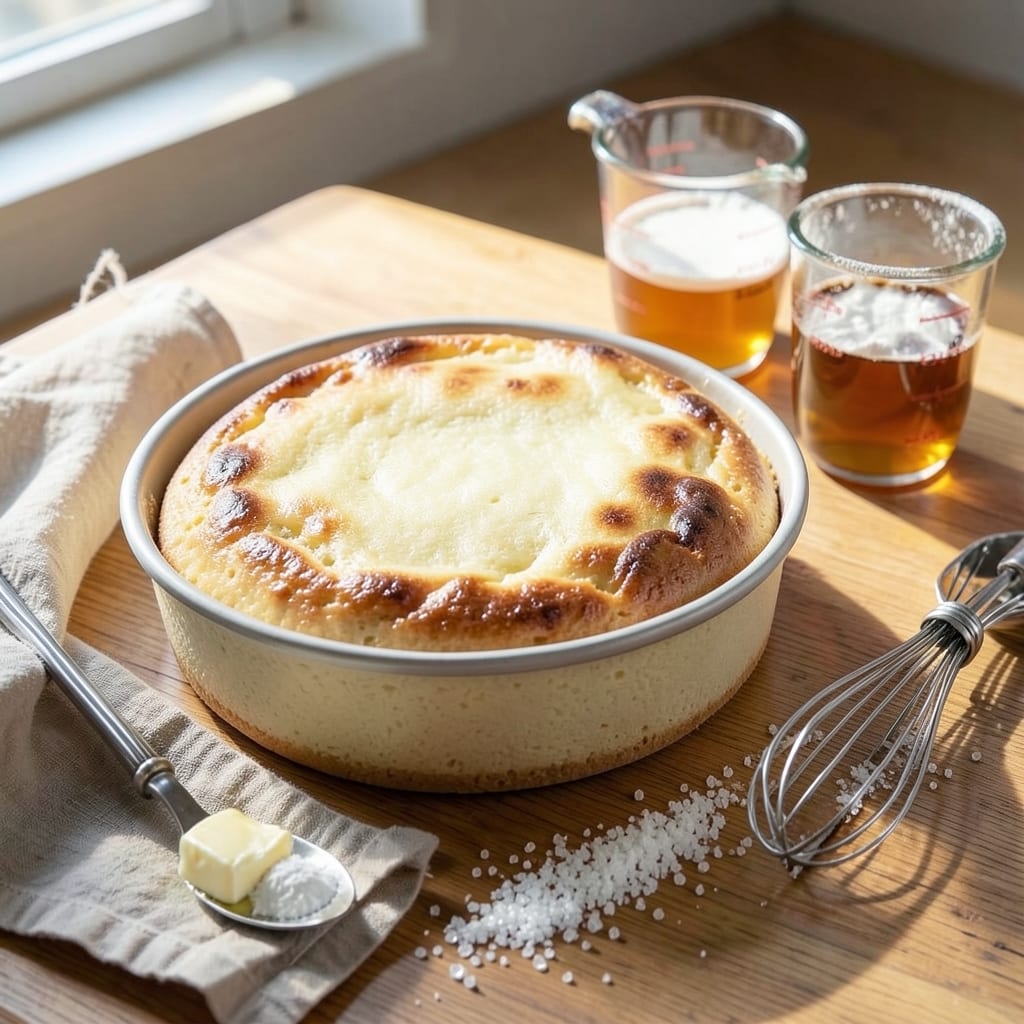
This basic one-egg cake recipe proves you don’t need a dozen eggs or hours in the kitchen to bake something extraordinary. 💛 The secret lies in a simple batter that transforms into a light, tender sponge with just one egg, flour, and a touch of sugar—perfect for satisfying a single craving without leftovers. I developed this after testing countless single-serve recipes, and it consistently delivers foolproof results every time.
The beauty of this recipe is its versatility—whether you prefer a classic vanilla sponge, a citrus-infused twist, or a chocolatey mug cake, the foundation remains the same. No fancy equipment is needed; a standard mug or small cake pan works perfectly, and the baking time is under 20 minutes. The key to success is mixing just enough to combine the ingredients without overworking the batter, ensuring a delicate texture that’s neither dense nor dry.
What makes this recipe truly special is how it balances simplicity with restaurant-quality results. The cake emerges from the oven with a golden top and tender crumb, ideal for pairing with fresh berries, a dollop of whipped cream, or even a drizzle of melted chocolate. It’s the perfect solution for when you crave something sweet but don’t want to commit to a full batch.
For those who love customization, you can easily adjust the flavor by adding extracts, zest, or cocoa powder to the batter. The recipe also scales down perfectly for mug cakes, making it ideal for quick, single-serving desserts. Let’s get baking!
Ingredients for basic 1 egg cake
Just one egg and a handful of pantry staples transform into decadent single-serve cake magic.
| Ingredient | Amount | Notes |
|---|---|---|
| Large Egg 🥚 | 1 whole | Room temperature for best mixing |
| All-Purpose Flour 🌾 | ½ cup | Sifted for light texture |
| Granulated Sugar 🍚 | ¼ cup | White or light brown |
| Unsalted Butter 🧈 | ¼ cup | Melted, room temperature |
| Vanilla Extract 🌿 | ½ tsp | Pure vanilla preferred |
| Baking Powder 🍞 | ½ tsp | Diamond Crystal preferred |
| Salt 🧂 | ¼ tsp | Fine sea salt |
| Whole Milk 🥛 | ¼ cup | Room temperature |
| Lemon Zest 🍋 | 1 tbsp | Optional, for citrus twist |
| Powdered Sugar 🍚 | 2 tbsp | For dusting, optional |
The egg is your MVP here—room temperature is key for that light, airy texture. Grab the largest egg you can find (check the carton—sometimes they're labeled), as it'll give you the best rise. For flour, King Arthur or Bob's Red Mill are my go-tos—they're consistent and reliable. If you're feeling fancy, swap the vanilla extract for a vanilla bean paste (scrape the seeds into the batter), but regular extract works perfectly fine. The baking powder? Diamond Crystal is my secret weapon—it's double-acting, so it works twice as hard for that perfect rise. No baking powder? Baking soda plus cream of tartar at half the amount does the trick.
No vanilla extract? Almond extract at half the amount gives a different but delicious twist. Want chocolate? Swap the powdered sugar for 2 tbsp cocoa powder—add it to the dry ingredients. Short on milk? Water or almond milk works, but the cake will be slightly denser. The lemon zest is totally optional, but if you've got a bright, juicy lemon, go for it—it adds a refreshing pop. For a mug cake, use a 12-ounce mug and microwave for 60-90 seconds instead of baking. And if you're worried about overmixing, don't be**—this batter is forgiving.
This batter keeps in the fridge for up to 2 days—just whisk the egg and milk back in before baking. For extra flavor, fold in fresh berries or chocolate chips before baking. The cake is best eaten fresh from the oven, but leftovers reheat beautifully in the microwave for 10-15 seconds. Store any extras wrapped tightly in plastic wrap for 2-3 days. Pro tip: Line your pan with parchment paper** for easy removal—no sticking, ever.
Why You'll Love This Recipe
- Pantry-Proof Magic: I swear by this recipe when I’ve got nothing but flour, sugar, and a sad block of butter. No fancy mixers or last-minute store runs—just crack, whisk, and bake. The egg does all the heavy lifting, so even if I’m distracted (hello, toddler interruptions), it still comes out tender.
- Butter-Sugar Crunch: That crispy, caramelized top? Pure reward for letting the butter melt just right. The vanilla ties everything together—warm, buttery, and just sweet enough to make me reach for seconds without guilt. (Yes, even when I’m trying to eat "healthy.")
- Breakfast or Dessert: Same batter, two vibes. Serve it warm with a drizzle of honey for a lazy morning treat, or dust it with powdered sugar for a no-fuss dessert. Honestly, I’ve even used it as a base for mini cupcakes—because why not? The possibilities are as endless as my excuses to bake.
- Budget Baking: One egg, a cup of flour, a stick of butter—this recipe costs me pennies per serving. No wasted ingredients, no sad leftovers going to waste (unless my dog steals a slice, which has happened). It’s my go-to when I need to feed a crowd or just treat myself without breaking the bank.
Step-by-step instructions for one-egg cake
Here's how to make a perfectly tender single-serve cake with just one egg.
👨🍳 Step 1: Melt the Butter and Mix Dry Ingredients
Start by melting the 0.25 cup unsalted butter in a small microwave-safe bowl. Heat in 20-second intervals on high power, stirring between each, until completely melted but not hot. Let it cool for 2 minutes—you want it warm to the touch, not steaming.
In a separate bowl, whisk together the 0.5 cup all-purpose flour, 0.25 cup granulated sugar, 0.5 tsp baking powder, and 0.25 tsp salt. Sift the flour first if you have a sifter—this prevents lumps and gives a lighter texture. The lemon zest can go in now if you're using it, or hold it until later for brighter flavor.
🍳 Step 2: Combine Wet Ingredients
Add the melted butter to the dry ingredients and whisk vigorously for 30 seconds until just combined. The mixture will look slightly crumbly but uniform. In a separate small bowl, whisk together the 1 whole large egg (at room temperature), 0.5 tsp vanilla extract, and 0.25 cup whole milk until smooth and fully incorporated.
Here's the thing—pour the wet ingredients into the dry ingredients all at once and gently fold with a rubber spatula using a "J" motion. You want to mix just until the batter comes together—don't overmix or you'll develop gluten and end up with a tough cake. The batter should be thick but pourable, like heavy pudding.
🔥 Step 3: Bake in a Small Pan
Preheat your oven to 350°F and grease a 6-inch round cake pan or 4-inch square pan thoroughly with butter or baking spray. Pour the batter into the prepared pan and smooth the top with a spatula. Tap the pan gently on the counter 3-4 times to remove any air bubbles.
Bake for 20-25 minutes until a toothpick inserted in the center comes out clean and the edges are lightly golden. The cake will pull away slightly from the sides of the pan when done. Real talk: don't open the oven door early—this causes the cake to sink. If it's browning too quickly, tent with foil after 15 minutes.
⏰ Step 4: Cool and Dust with Powdered Sugar
Remove the cake from the oven and let it cool in the pan for 5 minutes before transferring to a wire rack. This brief cooling period helps it set properly. While it cools, dust the top with the 2 tbsp powdered sugar using a fine-mesh sieve for an elegant finish.
For the best texture, let the cake cool completely before slicing. If you're impatient (I get it), wait at least 15 minutes before serving. The cake will be moist and tender with a delicate crumb—perfect for single servings or sharing with one lucky friend.
Pro Tips For Making Basic 1 Egg Cake
- WHISK EGGS UNTIL THICK: I learned this the hard way—skipping the extra 30 seconds of whisking after the egg and sugar are combined leaves you with a cake that’s dense and gummy. Use a stand mixer for 2-3 minutes on medium-high until the mixture is pale, thick, and ribbony when you lift the whisk. (Yes, it’ll look weird, but trust the process.)
- MELT BUTTER FULLY: Cold butter bits in your batter? That’s a surefire way to end up with pockets of grease and an uneven texture. Melt the butter completely, then cool it to room temperature before mixing it into the wet ingredients—about 10 minutes is all it takes. (I know, I know, but rushing this step is how you get sad, greasy cake.)
- SIFT DRY INGREDIENTS: Flour clumps in your batter are the enemy of a light, airy crumb. Sift the flour and sugar together before adding them to the wet ingredients—it aerates the mixture and ensures even distribution. (This isn’t the prettiest method, but it’s the thing that matters most for a tender cake.)
- BAKE AT 350°F, NOT HIGHER: Cranking the oven to 375°F might seem like it’ll speed things up, but you’ll end up with a cake that’s browned on the outside and raw in the middle. Stick to 350°F and bake for the full time—your cake will rise evenly and stay moist. (Your future self will thank you when you cut into a perfectly done center.)
Creative variations of this dish
Citrus Twist Variations
Brighten your cake with 1 tbsp lemon or orange zest mixed into the dry ingredients. For an extra zing, add 1 tsp fresh lemon juice to the wet ingredients. I love using Eureka lemons for their intense flavor—they’re sweeter and less bitter than regular lemons. If you’re feeling adventurous, swap the vanilla for ½ tsp orange extract and top with candied orange peel after baking. 🍊
Chocolate Mug Cake
Transform this into a rich chocolate mug cake by replacing the powdered sugar with 2 tbsp cocoa powder and adding 1 tbsp melted dark chocolate (I use Ghirardelli 70% dark) to the wet ingredients. For a mug cake, use a 12-ounce mug and microwave for 60-90 seconds on high. Stir halfway through for even cooking. Top with whipped cream and a sprinkle of sea salt for a decadent treat.
Spiced Chai Version
Infuse your cake with warm spices by adding ½ tsp ground cinnamon, ¼ tsp ground cardamom, and ¼ tsp ground ginger to the dry ingredients. For extra depth, steep 1 tsp chai tea bag in the milk for 5 minutes before using it in the batter. The spices add a cozy, aromatic twist that pairs perfectly with a cup of chai tea on the side. 🌿
Berry Swirl Option
Fold ¼ cup fresh or frozen berries (like raspberries or blueberries) into the batter just before baking. For a marbled effect, spoon small dollops of berry jam (like raspberry or strawberry) onto the batter before baking. The berries will release juices as the cake bakes, creating pockets of fruity surprise. This version is especially stunning when dusted with powdered sugar and served with a dollop of whipped cream.
Coconut Almond Delight
Swap the flour for ½ cup all-purpose flour + ¼ cup almond flour to add a nutty richness. Stir in 2 tbsp shredded coconut and a pinch of almond extract to the wet ingredients. Toast the coconut in a dry pan for 2 minutes** before adding it to the batter for extra flavor. This version tastes like a tropical vacation and pairs beautifully with a scoop of coconut ice cream. 🥥
Nutrition facts
Frequently asked questions
Can I make this cake without eggs?
This recipe relies on the egg for structure and moisture, but you can try a flaxseed "egg" substitute: mix 1 tbsp ground flaxseed with 3 tbsp water, let it thicken for 5 minutes, then use it to replace the egg. The texture will be slightly denser, but it'll still work for a mug cake version. For best results, add 1 extra tbsp milk to compensate for the reduced moisture.
Why did my cake crack on top?
Cracking usually happens from rapid cooling or overbaking. Let the cake cool in the pan for 10 minutes before transferring to a rack, and check for doneness at 18 minutes—it's done when a toothpick comes out clean. If it cracks, don't worry! Brush with simple syrup (equal parts sugar and water, heated) and serve warm to restore moisture.
How can I make this into a layer cake?
Double the recipe and bake in two 6-inch pans. For layers, spread ½ cup whipped cream or buttercream between them. Use the same batter for both layers—just make sure your oven is fully preheated to 350°F before baking the second pan. Chill the cake for 15 minutes between layers to help it set properly.
What's the best way to store leftovers?
Wrap cooled cake tightly in plastic wrap or store in an airtight container at room temperature for up to 2 days. For longer storage, slice and freeze portions between parchment paper for up to 1 month. Thaw overnight in the fridge—never at room temperature—and reheat for 10-15 seconds in the microwave to restore freshness.
Can I use this batter for cupcakes?
Divide the batter evenly among 4-6 greased mini muffin cups (fill each ⅔ full) and bake at 350°F for 12-15 minutes. The smaller size means faster baking time. For a fun twist, add sprinkles or mini chocolate chips to the tops before baking—just don't overfill or they'll overflow!