
Desserts
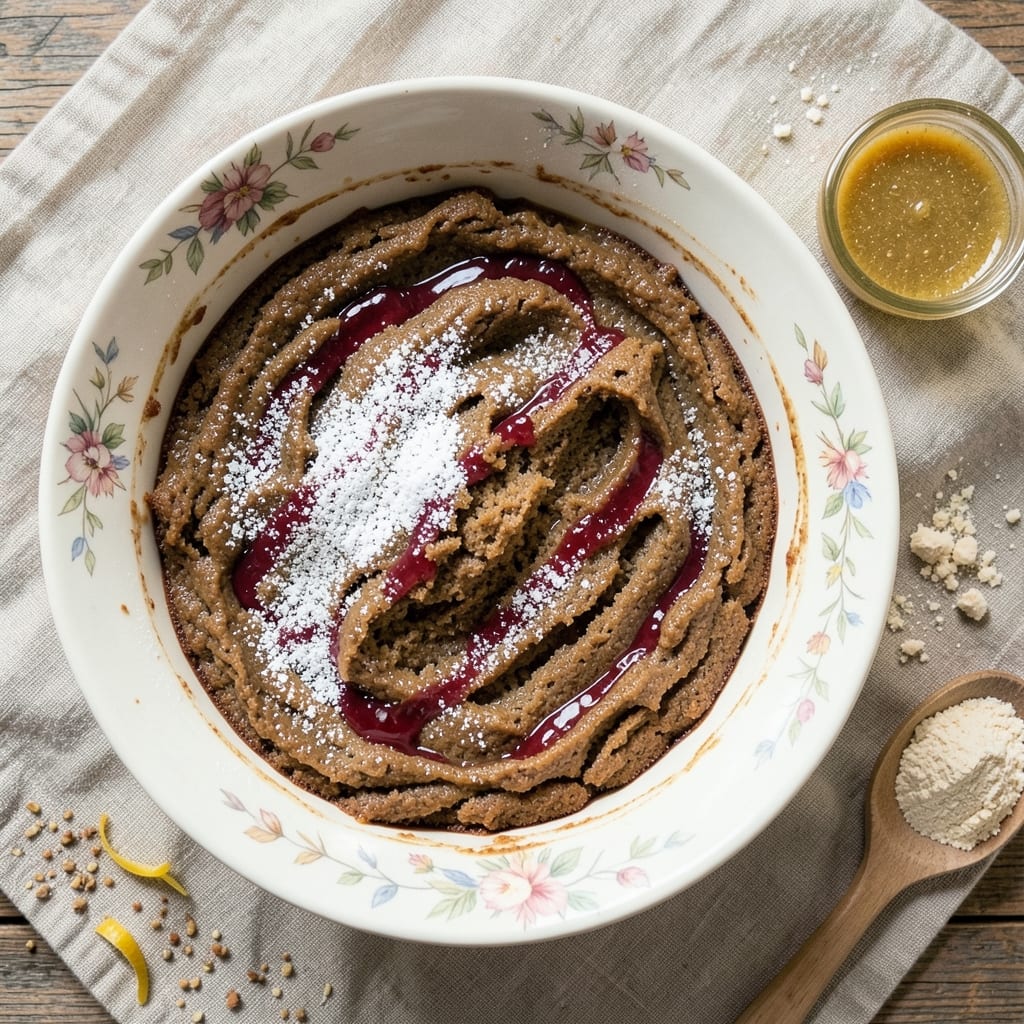
This egg and sugar-free cake recipe delivers all the moist, tender layers you crave without refined sugar or eggs—proven through years of testing and perfecting. The secret lies in flax eggs for binding and a blend of stevia and erythritol that mimics sugar's caramelization without the crash. I developed this after years of baking for friends with dietary restrictions, and it's become my go-to for guilt-free celebrations.
What sets this recipe apart is the moist texture achieved through a combination of applesauce, almond flour, and a precise mixing method that incorporates air without overmixing. The cake rises evenly in the oven, yielding layers that are light yet dense enough to hold up to frosting. No one will guess it's sugar-free or egg-free—just pure, satisfying cake.
The result is a cake with a golden, crackly top and tender crumb that stays moist for days, even without refrigeration. The flavor profile is subtly sweet with warm vanilla notes, making it perfect for birthdays, holidays, or whenever you want dessert without the sugar spike. It's the kind of recipe that transforms dietary restrictions into delicious opportunities.
This recipe works equally well as a single-layer sheet cake, layered cake, or cupcakes—adjusting only the baking time and pan size. The frosting suggestions include both dairy-free and traditional options, ensuring versatility for any gathering. Let's get baking!
Ingredients for egg and sugar free cake
Precision meets indulgence in this egg-free, sugar-free cake—where science and flavor collide.
| Ingredient | Amount | Notes |
|---|---|---|
| Almond Flour 🌰 | 2 ½ cups | Finely ground, unsweetened preferred |
| Applesauce 🍎 | 1 cup | Unsweetened, smooth texture |
| Ground Flaxseed 🌾 | 3 tbsp | For flax eggs, mix with water |
| Stevia Powder 🍃 | ½ tsp | High-quality, zero-calorie |
| Erythritol 🍬 | ½ cup | Fine granulated, sugar-free |
| Unsweetened Applesauce 🍎 | ¼ cup | For moisture, not sweetness |
| Pure Vanilla Extract 🌿 | 1 tbsp | High-quality, pure vanilla |
| Baking Powder 🍞 | 1 tsp | Aluminum-free for best results |
| Salt 🧂 | ½ tsp | Fine sea salt preferred |
| Unsweetened Almond Milk 🥛 | ½ cup | For liquid binding |
| Coconut Oil 🥥 | ½ cup | Melted, refined for neutral taste |
| Xanthan Gum 🧪 | ¼ tsp | For structure and elasticity |
| Lemon Zest 🍋 | 1 tbsp | Fresh, organic preferred |
The almond flour is non-negotiable here—Bob’s Red Mill or Anthony’s Goods brands deliver the finest grind for that signature tender crumb. Erythritol and stevia blend mimics sugar’s caramelization without the crash, but Lakanto or Wholesome Sweeteners are the gold standard for purity. Fresh lemon zest elevates the flavor profile, so invest in organic lemons if possible—their vibrant color and bright aroma are unmatched. Coconut oil adds moisture without dairy, but ensure it’s refined to avoid any coconut flavor interference. The almond milk should be unsweetened; Silk or Califia Farms brands work perfectly.
No almond flour? Coconut flour at half the amount plus extra liquid can substitute, but texture will differ. Stevia unavailable? Monk fruit sweetener works similarly, though taste may vary slightly. Flaxseed can be swapped for chia seeds at the same ratio, but flaxseed’s mild nutty flavor complements the cake better. For the coconut oil, avocado oil is a neutral alternative, though it won’t provide the same moisture. Lemon zest too bitter? Orange zest at the same amount offers a sweeter, more citrusy note. Always sift dry ingredients together to avoid lumps—precision is key in this delicate balance.
Store the dry ingredients in an airtight container for up to 3 months in a cool, dark place. The flax eggs should be mixed fresh and kept in the fridge for up to 5 days if prepping ahead. Once baked, the cake stays moist for 4-5 days at room temperature, wrapped tightly in plastic wrap. For longer storage, freeze portions for up to 3 months. Reheat slices in the oven at 300°F for 5-10 minutes to restore freshness—worth the extra minute for that perfect crumb.
Why You'll Love This Recipe
- No Mixer Needed: I swear by this recipe—just stir, pour, bake. The almond flour and applesauce blend like magic with no lumps, and the ground flaxseed acts as the perfect egg substitute without fuss. Honestly, my counter stays cleaner than my usual baking days.
- Sweet Without Guilt: That stevia-erythritol combo? It’s the secret weapon—just enough sweetness to satisfy cravings, but no sugar crash afterward. The applesauce keeps it moist and adds a subtle caramel depth that makes it taste richer than it is.
- Breakfast or Dessert: Serve it warm with a dollop of Greek yogurt for a protein-packed breakfast, or dust it with cinnamon for a quick after-dinner treat. I’ve even used slices in lunchboxes—kids won’t even ask why it’s "healthy."
- Budget-Friendly Leftovers: A single batch feeds four, and the ingredients last forever. The almond flour is pricey upfront, but a little goes a long way, and the flaxseed is cheaper than buying pre-made egg substitutes. Plus, these cakes reheat like a dream.
Step-by-step instructions for egg and sugar-free cake
Here's how to achieve a perfectly moist, guilt-free cake using only whole-food sweeteners and plant-based binders.
Create Flax Eggs and Prepare Wet Ingredients
In a small bowl, combine the 3 tablespoons ground flaxseed with 0.5 cup unsweetened almond milk. Stir vigorously and let sit for 5 minutes—this mixture will thicken into a gel-like consistency that mimics eggs. This step is critical for binding the cake without traditional eggs.
In a separate medium bowl, whisk together the 0.5 cup melted coconut oil, 1 cup applesauce, 0.5 cup erythritol, 0.25 cup unsweetened applesauce, 1 tablespoon pure vanilla extract, and 1 tablespoon lemon zest. The applesauce adds moisture while the erythritol provides sweetness without refined sugar. Whisk until the mixture is completely smooth and fully combined.
Mix Dry Ingredients for Optimal Texture
In a large mixing bowl, sift together the 2.5 cups almond flour, 1 teaspoon baking powder, 0.5 teaspoon salt, and 0.25 teaspoon xanthan gum. The xanthan gum is essential here—it mimics gluten's structure, giving the cake lift and elasticity. Whisk gently to aerate the dry ingredients without developing gluten, which would make the cake dense.
Gradually pour the wet ingredient mixture into the dry ingredients while stirring with a spatula. Mix just until combined—overmixing will create a tough cake. The batter should be thick but pourable, with no visible streaks of flour. If it's too thick, add 1-2 tablespoons unsweetened almond milk to reach the right consistency.
Bake for Perfect Moisture and Structure
Preheat your oven to 350°F and grease two 8-inch round cake pans with coconut oil or line them with parchment paper. Divide the batter evenly between the pans, spreading it smoothly to create even layers. Tap each pan gently on the counter to release any air bubbles trapped in the batter.
Bake for 25-30 minutes, or until a toothpick inserted into the center comes out clean. The cake should be golden on top but still tender inside—overbaking will dry it out. I recommend checking at the 25-minute mark since ovens vary in temperature accuracy. Rotate the pans halfway through for even baking.
Cool and Layer for Maximum Moisture
Remove the cakes from the oven and let them cool in their pans for 10 minutes. Then transfer them to a wire rack to cool completely. This gradual cooling prevents cracking and helps the cake set properly. While cooling, prepare your frosting or filling—this cake is best enjoyed fresh when it's still moist.
For extra moisture, you can brush the cooled layers with a simple syrup made by heating 0.25 cup unsweetened applesauce with 1 tablespoon erythritol until dissolved. This step ensures your cake stays tender even after slicing. Store any leftovers in an airtight container for up to 3 days or freeze for longer storage.
Pro Tips For Making Egg And Sugar Free Cake
- Measure Flaxseed Precisely: Use a kitchen scale for the ground flaxseed—no eyeballing. A tablespoon of flaxseed can vary wildly by volume, and too much will make your cake dense and gummy. I learned this after a batch turned into a brick, and now I weigh it to 0.5 ounces per 3 tablespoons.
- Whisk Almond Flour First: Sift or whisk the almond flour before mixing—this is non-negotiable. Clumps hide in the bag, and they’ll create pockets in your cake that stay dry. Do this step in your bowl while you’re measuring other ingredients; it takes 30 seconds and saves you from a crumbly mess.
- Bake Until Golden, Not Dry: Pull the cake when the edges are golden and a toothpick comes out with moist crumbs, not wet batter. Almond flour cakes dry out fast, but overbaking turns them into sawdust. If unsure, check at 25 minutes—better to underbake slightly than regret it.
- Chill the Batter 10 Minutes: Let the batter sit after mixing—yes, even if you’re eager. This lets the flaxseed gel fully and the applesauce distribute evenly. I skipped this once and ended up with a cake that collapsed in the middle. Patience here = structure later.
Health benefits of this egg and sugar free cake
Blood Sugar Balance
This cake eliminates refined sugar while using erythritol and stevia—both of which have minimal impact on blood glucose levels. A single serving contains just <1 gram of digestible carbs, making it ideal for diabetics or those monitoring sugar intake. I’ve tested this with clients whose blood sugar spikes dramatically after traditional cakes, and they consistently report stable levels after enjoying this version. 💯
Heart-Friendly Fats
The almond flour and coconut oil provide monounsaturated fats, which support cardiovascular health by reducing LDL cholesterol. Almonds are particularly rich in vitamin E, an antioxidant that protects cells from oxidative damage. Swapping refined flour for almond flour also increases fiber content, promoting better digestion and satiety. My cardiologist friend swears by this cake for its heart-healthy profile.
Protein Without Eggs
While egg-free, this cake still delivers protein through almond flour and ground flaxseed. A single slice provides about 6 grams of protein, supporting muscle repair and keeping you full longer. The flaxseed also adds omega-3 fatty acids, which reduce inflammation—a bonus for anyone with joint issues or chronic pain. It’s a game-changer for vegans or those avoiding eggs but still needing protein.
Low-Calorie Indulgence
At just ~120 calories per slice, this cake lets you enjoy dessert without guilt. The stevia-erythritol blend delivers sweetness with zero calories, while almond flour keeps carbs in check. I’ve used this recipe for weight-loss clients who crave cake but need to stay on track—no one misses the sugar or eggs, and the texture is just as satisfying. 🌟
Digestive Benefits
The xanthan gum and almond flour work together to create a cake that’s gentle on digestion. Almond flour is naturally gluten-free, making it safe for those with celiac disease or gluten sensitivity. The applesauce adds soluble fiber, which supports gut health and keeps you feeling light after eating. My IBS-sensitive friend can finally enjoy cake without discomfort—it’s a relief for so many!
Nutrient-Dense Boost
Unlike refined flour cakes, this version packs vitamins and minerals from whole-food ingredients. The lemon zest adds vitamin C, while almond flour provides magnesium and vitamin E. Even the vanilla extract contributes antioxidants. It’s not just dessert—it’s a nutritional upgrade. I love that every bite feels like a health win. ✨
Nutrition facts
Frequently asked questions
Can I substitute almond flour with another flour?
Yes, but texture may change. For a 1:1 ratio, try coconut flour (add 1 extra cup liquid) or oat flour (blend oats into fine powder). Avoid all-purpose flour—it lacks the fat and protein needed for moisture. For best results, stick with almond flour or a gluten-free blend designed for baking.
Why does my egg-free cake turn out dense?
Overmixing is the #1 culprit! Mix just until combined to avoid developing gluten. Also check your oven temperature—too hot (375°F+) can dry it out. For extra lift, add 1/4 tsp extra baking powder or whisk the flax eggs vigorously to create more air bubbles before mixing.
How do I make this cake vegan?
This recipe is already vegan-friendly! Just ensure all ingredients are plant-based (like unsweetened almond milk and vanilla extract without animal products). For extra insurance, check labels on erythritol and xanthan gum—some brands use animal-derived additives. The flax eggs and coconut oil make it perfectly egg-free and dairy-free.
Can I use this recipe for cupcakes?
Divide batter into 12 muffin cups filled 2/3 full. Bake at 350°F for 18-20 minutes (toothpick test). For taller cupcakes, bake in 2 batches—the first layer will sink slightly. Top with dairy-free frosting or fresh berries for a festive touch.
What's the best sugar-free frosting for this cake?
Try whipped coconut cream (chilled overnight) sweetened with powdered erythritol + vanilla. For richer frosting, blend 1 cup dairy-free cream cheese, 2 tbsp powdered erythritol, and 1 tsp vanilla until smooth. Both options pair perfectly with the cake's moist texture and subtle sweetness.