
Breakfast & Brunch
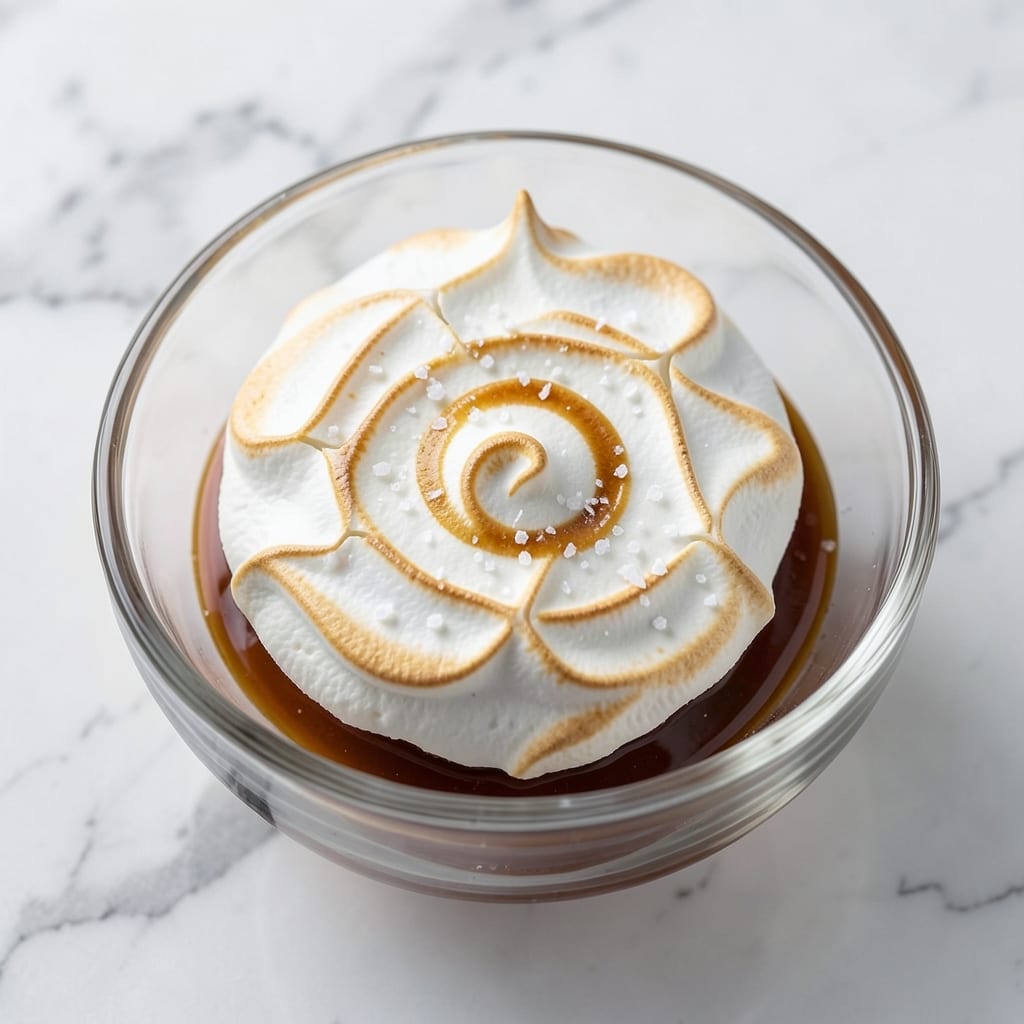
This egg and sugar meringue recipe delivers the perfect balance of crispy edges and silky centers—light as clouds yet sturdy enough to support toppings. The secret lies in precise technique: whipping egg whites to stiff peaks while gradually folding in sugar creates stable meringue that bakes to golden perfection without collapsing. I’ve perfected this method over years of testing, ensuring every batch turns out flawless.
The process is simpler than it sounds—just egg whites, sugar, and patience. We’ll whip the meringue to a glossy finish, shape it into nests or peaks, and bake at a low temperature to develop that signature crispness. This version works for both classic meringue cookies and as a topping for pies or pavlova, where its airy texture shines.
What you’ll end up with is meringue that’s crispy on the outside yet tender inside, with a delicate sweetness from the sugar. The high heat of baking caramelizes the edges just enough to add depth, while the interior remains light and fluffy. Serve with whipped cream, fresh berries, or as a pie topping for a dessert that feels both elegant and effortless.
Storing meringue properly is key—keep it in an airtight container for up to 3 days, or freeze for longer shelf life. For variations, try adding vanilla or citrus zest to the sugar for extra flavor. This recipe is your gateway to perfect meringue every time, whether you’re baking for a crowd or treating yourself to a single, delicate cloud.
Ingredients for egg and sugar meringue
Just egg whites, sugar, and a touch of patience for meringue that’s crispy outside and tender inside.
| Ingredient | Amount | Notes |
|---|---|---|
| Large Egg Whites 🥚 | 5 whole | Room temperature, separated carefully |
| Granulated Sugar 🍚 | 1 cup | Superfine preferred for smoothness |
| Vanilla Extract 🌿 | ½ tsp | Pure extract, not imitation |
| Cream of Tartar 🧂 | ¼ tsp | Stabilizes egg whites |
| Kosher Salt 🧂 | ⅛ tsp | Fine grain preferred |
| Cornstarch 🌾 | ¼ tsp | Prevents weeping |
| Unsalted Butter 🧈 | 2 tbsp | Softened for shaping |
| Fresh Lemon Juice 🍋 | ½ tsp | Brightens flavor |
The egg whites are non-negotiable—room temperature makes all the difference. Pasture-raised eggs from Whole Foods or local farms yield richer whites, but any large eggs work. Separate them carefully, ensuring no yolk traces remain—even a tiny bit can prevent stiff peaks. Cream of tartar is your secret weapon here; it stabilizes the whites and helps them hold their shape during baking. For sugar, superfine is ideal, but regular granulated works if pulsed in a food processor first. The butter should be softened but not melted—easy to shape but not greasy.
No cream of tartar? White vinegar at half the amount works in a pinch, though it adds a slight tang. Substitute vanilla with citrus zest for a brighter flavor. For a dairy-free option, replace butter with vegan butter—just ensure it’s softened properly. The lemon juice can be swapped for white wine vinegar, but fresh lemon adds a brighter pop. If your sugar isn’t superfine, pulse it in a blender until it resembles powdered sugar. And if you’re baking in high humidity? Add an extra 0.125 tsp cornstarch to prevent weeping.
Shape meringue immediately after whipping to avoid deflation. Store in an airtight container with parchment between layers for up to 3 days at room temperature. For longer storage, freeze shaped meringue on a tray first, then transfer to a bag for up to 3 months. Reheat in a 200°F oven for 5-10 minutes to restore crispness. Avoid high humidity—meringue absorbs moisture and softens quickly. For best results, bake and serve the same day.
Why You'll Love This Recipe
- Five-Ingredient Magic: I swear by this recipe because it’s that simple—just egg whites, sugar, vanilla, cream of tartar, and a pinch of salt. No fancy gadgets, no stress, just pure, airy meringue that comes together while you sip your coffee.
- Sweet with Depth: That vanilla extract isn’t just for flavor—it adds warmth that makes the meringue taste like a hug. The cream of tartar? It’s the secret to stable peaks and a crispy shell, not some floppy mess.
- Party or Snack: Make a batch for dessert, then use the leftovers to top toasted marshmallows or even pancakes. Honestly, I’ve served it at picnics, potlucks, and lazy Sundays—it’s the ultimate crowd-pleaser.
- Budget Bright Spot: Egg whites and sugar are cheap, and this recipe stretches further than store-bought. I’ve made enough for a dozen servings for under $3—proof that delicious doesn’t have to break the bank.
Step-by-step instructions for egg and sugar meringue
Mastering meringue starts with precise technique—these steps ensure crispy edges and light, airy centers every time.
Separate and Prepare the Egg Whites
Place the 5 whole Large Egg Whites in a completely clean, dry mixing bowl. I use a glass or metal bowl—any grease or moisture will prevent proper whipping. Separate the yolks carefully, ensuring no fat touches the whites, as even a trace will deflate your meringue.
Add the 0.25 tsp Cream of Tartar and 0.125 tsp Kosher Salt to the egg whites. These ingredients stabilize the proteins, allowing the meringue to hold its shape and crisp up beautifully. Use a whisk or electric mixer to gently combine them at low speed until fully dissolved—about 30 seconds—before increasing speed.
Gradually Incorporate the Sugar
With the mixer running on medium speed, begin adding the 1 cup Granulated Sugar very gradually—about 1 tablespoon at a time. This slow incorporation prevents sugar granules from forming, which would create grainy meringue. The sugar should dissolve completely before adding more, and the mixture should thicken noticeably.
Once all the sugar is incorporated, increase the mixer speed to high and whip for 5-7 minutes until the meringue forms stiff peaks. You'll know it's ready when the peaks hold their shape when the whisk is lifted—this stage is critical for achieving crispy meringue. If the meringue looks slightly underwhipped, keep mixing for another 30 seconds to ensure stability.
Fold in Flavorings and Stabilizers
Reduce the mixer speed to low and gently fold in the 0.5 tsp Vanilla Extract, 0.5 tsp Fresh Lemon Juice, and 0.25 tsp Cornstarch. The cornstarch helps prevent weeping, ensuring your meringue stays crispy rather than soggy. Mix just until these ingredients are evenly distributed—overmixing can deflate the meringue.
Remove the bowl from the mixer and immediately pipe or spread the meringue onto a parchment-lined baking sheet. I use a piping bag fitted with a large star tip for even, decorative shapes. Space them about 2 inches apart to allow for even baking and expansion.
Bake for Crispy Perfection
Preheat your oven to 250°F—this low temperature ensures even drying and crisping without browning. Bake the meringue for 1 hour to 1 hour 15 minutes, rotating the pan halfway through for even heat distribution. The meringue is done when it's completely dry to the touch and holds its shape when gently pressed.
For extra crispiness, increase the oven temperature to 300°F for the final 10 minutes of baking. Watch closely—meringue can go from perfect to burnt in seconds at this stage. Let the meringue cool completely on the baking sheet before transferring to a wire rack.
Shape and Store for Maximum Crisp
Once fully cooled, use the 2 tbsp Unsalted Butter to gently shape the meringue into nests, peaks, or other desired forms. The butter adds a subtle richness and helps create that signature crispy texture. Store in an airtight container at room temperature for up to 3 days or freeze for up to 1 month—just let them come to room temperature before serving.
This meringue will hold its crispy texture for days, making it perfect for topping pies, filling pavlovas, or enjoying on its own. The key is patience—rushing the baking or whipping steps will result in a less-than-perfect finish.
Pro Tips For Making Egg And Sugar Meringue
- Use Room-Temperature Whites: Cold egg whites cling to the bowl like glue and won’t whip properly. Take them out of the fridge 30 minutes before starting—yes, even if you’re in a hurry. I used to rush this and end up with stiff peaks that still looked soupy inside. Trust me, the wait makes all the difference.
- Add Sugar Gradually: Dump all the sugar at once and you’ll end up with a grainy, sad meringue. Start with half the sugar, whip until the bowl is warm, then add the rest 1 tablespoon at a time. This keeps the texture silky, not sandy—like the difference between a cloud and a sidewalk.
- Whip Until Glossy: Stopping at "stiff peaks" means you’ll miss the real magic: a meringue so shiny it looks like glass. Keep whipping until the bowl feels warm and the meringue holds a peak that doesn’t droop. I learned this after making meringue that collapsed like a house of cards—now I go until the bowl is almost too hot to touch.
- Fold in Vanilla Last: Add vanilla extract too early, and it’ll get beaten into oblivion, losing its bright flavor. Mix it into the sugar first, then fold it in after the meringue is fully whipped. This keeps the vanilla’s aroma sharp, not drowned out—like the difference between a whisper and a shout.
Serving suggestions for this egg and sugar meringue
Classic Pairings
Serve your meringue with whipped cream—a classic pairing that balances the crispy texture with creamy smoothness. I like to dollop homemade whipped cream (sweetened with 1 tbsp powdered sugar and ½ tsp vanilla) directly onto each meringue nest. For extra flair, add a sprinkle of toasted coconut flakes or crushed pistachios—the contrast in textures is pure magic. 🥥
Fruit Toppings
Fresh berries elevate meringue to dessert perfection. Raspberries, strawberries, and blueberries add vibrant color and a juicy pop against the crispy exterior. I recommend macarons or freshly sliced mango for tropical vibes. Arrange fruit in a circular pattern around the meringue or tuck it inside for a hidden surprise. A drizzle of honey or raspberry coulis ties everything together beautifully.
Pie Topping
Use these meringue peaks to top pumpkin pie or lemon meringue pie for a restaurant-worthy finish. Brush the pie filling with a thin layer of egg white (to help the meringue stick), then pipe the meringue in decorative swirls. Bake at 350°F for 10-15 minutes until golden. For extra stability, add 1 tbsp cornstarch to the meringue mixture before piping. This technique transforms a simple pie into a showstopper dessert.
Pavlova Presentation
Build a pavlova by layering meringue nests with whipped cream and passion fruit curd or mango purée. Start with a large meringue base, then stack smaller nests around the edges. Fill the center with cream and fruit, then top with additional meringue pieces. Chill for 2 hours before serving to let flavors meld. The result is a stunning, layered dessert that’s as impressive as it is delicious. ✨
Coffee or Tea Pairing
Pair meringue with espresso or earl grey tea to cut through its sweetness. The bitterness of coffee enhances the meringue’s delicate flavor, while tea’s floral notes complement the vanilla. For a dessert course, serve meringue with a small cup of strong coffee and a demi-tasse of crème brûlée for a sophisticated finish. The contrast of hot and cold makes every bite feel luxurious.
Make-Ahead Serving
Prepare meringue nests 2 days ahead and store in an airtight container with parchment between layers. Assemble your dessert (like pavlova or pie) 4 hours before serving to let flavors develop. Reheat meringue at 200°F for 5 minutes if it loses crispness. This makes last-minute entertaining effortless—just arrange, chill, and serve. Perfect for holidays or dinner parties! 🎉
Nutrition facts
Frequently asked questions
Why does my meringue collapse after baking?
Meringue collapses most often from humidity, underwhipped egg whites, or baking too hot. First, ensure your egg whites are whipped to stiff peaks—they should hold their shape when the whisk is lifted. Second, bake at 250°F for even drying, then finish at 300°F for crispiness. Avoid high humidity by baking on a dry day or using a dehumidifier in your kitchen.
Can I make meringue without cream of tartar?
Yes! Substitute 0.25 tsp cream of tartar with 0.5 tsp white vinegar or lemon juice. These acids stabilize egg whites, but expect a slightly tangier flavor. For a neutral option, use 1 extra egg white—the extra protein helps stabilize the mixture. Just whip everything to stiffer peaks than usual to compensate.
How do I store meringue to keep it crispy?
Store meringue in an airtight container with parchment paper between layers to prevent sticking. At room temperature, it stays crisp for 3 days. For longer storage, freeze shaped meringue on a tray first, then transfer to a bag for up to 1 month. To restore crispness, reheat at 200°F for 5-10 minutes before serving.
What’s the difference between French and Swiss meringue?
French meringue (this recipe) whips egg whites and sugar together at room temperature, creating a stiffer, crispier texture. Swiss meringue cooks egg whites and sugar over a double boiler first, then whips to a glossy finish—it’s more stable but slightly softer. French meringue is ideal for pies and pavlovas, while Swiss works better for buttercream fillings.
Can I use powdered sugar instead of granulated?
No, powdered sugar won’t work here—it dissolves too quickly and can cause the meringue to weep (release syrup). For a smoother texture, pulse granulated sugar in a food processor until fine, but never substitute powdered sugar. The graininess of granulated helps create the perfect crispy shell during baking.