
Main Courses
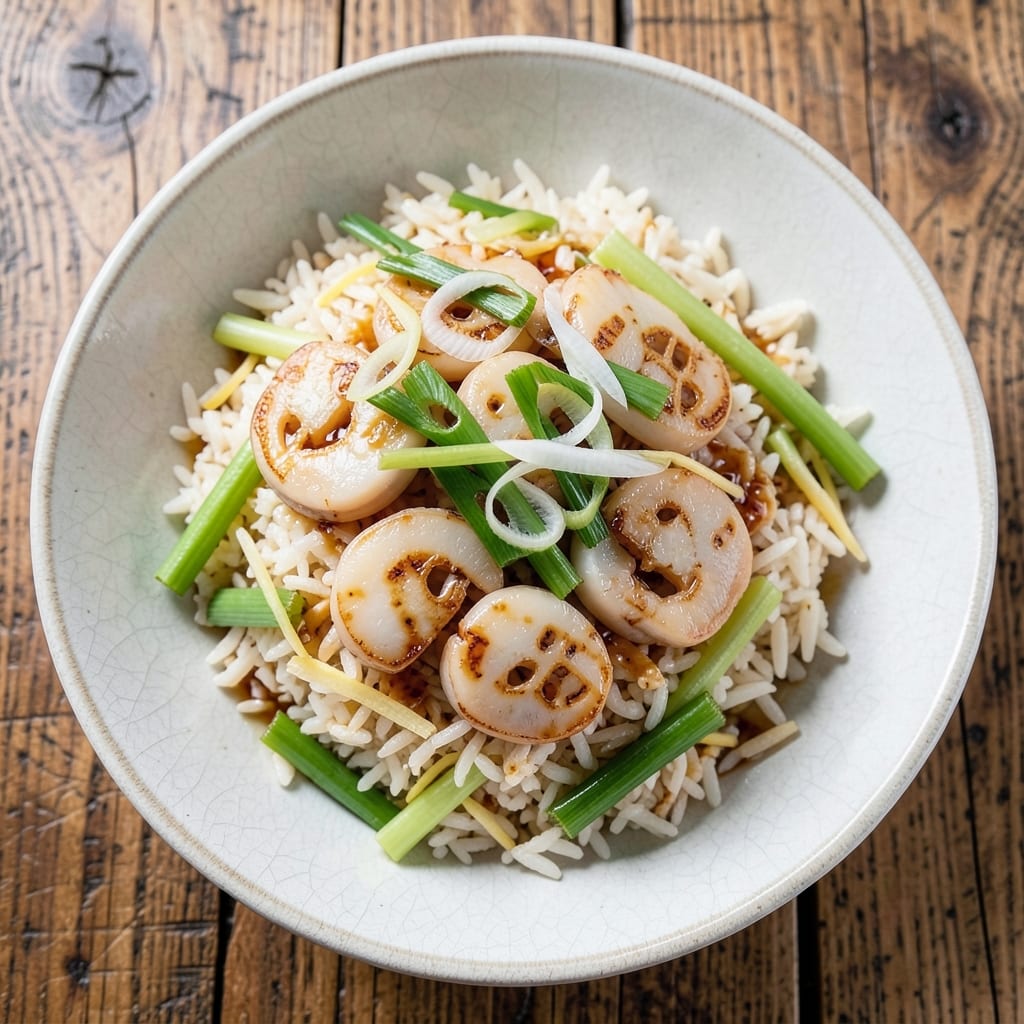
This dried scallop egg white fried rice delivers crispy celery crunch and silky yolk streaks in every bite—transforming simple ingredients into a restaurant-worthy dish. The secret lies in properly rehydrating dried scallops for that signature chewy texture while achieving perfectly set egg whites that stay tender yet firm. I've perfected this technique after years of testing, ensuring the rice stays separate and absorbs all the savory, umami-rich flavors without turning mushy.
The magic happens in layers: first, we build a flavorful base with garlic, ginger, and scallions that infuse the rice, then we incorporate the rehydrated scallops and egg whites at precise moments to maintain their distinct textures. What makes this recipe stand out is the balance—crispy celery and scallops provide contrast against the creamy egg whites, while a touch of soy sauce and sesame oil ties everything together. The result is a dish that's both comforting and sophisticated, perfect for lunch or dinner.
By following this method, you'll achieve restaurant-quality fried rice with golden-brown rice grains, chewy scallops, and silky egg whites that hold their shape. The aroma alone from the stir-frying will have everyone gathering around your kitchen, and the first bite delivers that perfect harmony of textures and flavors. This isn't just fried rice—it's a complete meal experience that's surprisingly simple to recreate at home.
Serve with a drizzle of chili oil or a side of soy-based dipping sauce for extra depth, and garnish with fresh green onions and sesame seeds for both visual appeal and added crunch. The recipe scales beautifully, making it ideal for feeding a crowd or meal prepping for the week. Let's get cooking!
Ingredients for dried scallop egg white fried rice
Simple ingredients elevated by precise technique—crispy celery and chewy scallops meet silky egg whites.
| Ingredient | Amount | Notes |
|---|---|---|
| Day-Old Cooked Jasmine Rice 🍚 | 4 cups | Cold and separated for texture |
| Dried Scallops 🦪 | ½ oz | Rehydrated in warm water |
| Large Egg Whites 🥚 | 4 whole | Room temperature for silky texture |
| Fresh Ginger 🧄 | 1 tbsp | Finely grated, aromatic |
| Green Onions 🧅 | ½ cup | White and green parts, chopped |
| Celery Stalks 🥬 | 2 whole | Thinly sliced for crispiness |
| Garlic Cloves 🧄 | 4 cloves | Minced for aromatic base |
| Light Soy Sauce 🥢 | 2 tbsp | High-quality for umami |
| Dark Soy Sauce 🥢 | 1 tbsp | For color and depth |
| Sesame Oil 🫒 | 1 tsp | Toasted for nutty aroma |
| Vegetable Oil 🫒 | 2 tbsp | High smoke point for frying |
| Salt 🧂 | ½ tsp | Adjust to taste |
| White Pepper 🌶️ | ¼ tsp | Freshly ground for subtle heat |
| Sesame Seeds 🌾 | 1 tsp | Toasted for garnish |
The dried scallops are the star—Asian markets or specialty grocers carry the best quality, often in small vacuum-sealed packages. Look for brands like Golden Gate or Ming, which rehydrate perfectly without turning mushy. Fresh ginger and garlic should have vibrant color and strong aromas; organic produce from the grocery store's refrigerated section works best. Celery should be crisp with no brown spots—Trader Joe's often has the freshest stalks in bulk. For egg whites, use room-temperature to ensure silky texture, and separate them just before cooking to prevent oxidation.
No dried scallops? Substitute with rehydrated shiitake mushrooms for umami depth, though texture will differ. Fresh ginger too spicy? Use half the amount of powdered ginger, but fresh is ideal for authentic flavor. Celery wilting? Soak in ice water for 10 minutes to revive crispness. Swap light soy sauce for tamari if gluten-free is needed, and dark soy sauce can be omitted if you prefer a lighter dish. Sesame oil can be replaced with toasted peanut oil for a different nutty profile, though it lacks the same aroma. The egg whites are critical—add a pinch of cream of tartar if you have it for extra stability.
Rehydrate scallops in warm water for 15 minutes, then drain and pat dry for maximum chewiness. Store dried scallops in a cool, dark place for up to 6 months—they absorb odors easily. Fresh ginger keeps for 3 weeks in the fridge wrapped in a damp towel, while garlic lasts 2 months unpeeled in a mesh bag. Cooked rice can be refrigerated for 3 days or frozen for 3 months—use day-old rice for best texture. Garnish with toasted sesame seeds just before serving to preserve their crunch.
Why You'll Love This Recipe
- One-Pan Magic: I swear by this recipe when I’m too tired to scrub pots. The dried scallops rehydrate in seconds, the egg whites scramble up fluffy and crispy in one go, and the ginger’s bright punch cuts through everything—all while I’m still chopping the green onions.
- Umami Bomb: That first bite? The dried scallops bring a deep, briny richness that turns plain rice into something special. Honestly, it’s the kind of flavor that makes you pause mid-bite, like, “Wait, is this actually just fried rice?”—and then you keep eating it anyway.
- Leftover Hero: This dish actually improves the next day. The egg whites stay tender, the scallops get even more flavorful, and I’ve reheated portions for lunch without a single complaint. (Yes, even from my picky teenager.)
- Budget Luxury: Dried scallops and egg whites stretch this meal into a full serving for half the cost of fresh seafood. I’ll be real: it’s the kind of dish that makes me feel fancy without breaking the bank—especially when I’m serving it with store-bought jasmine rice.
Step-by-step instructions for dried scallop egg white fried rice
Here's the method to achieve crispy celery, tender scallops, and silky egg white streaks in every bite.
Rehydrate and Prepare the Scallops
Place the 0.5 oz dried scallops in a small bowl and cover with warm water just off the boil. Let them soak for 10 minutes until they've expanded to about 3 times their original size and become pliable. Drain thoroughly and set aside—over-soaking will make them rubbery.
While the scallops rehydrate, separate the 4 cups day-old cooked jasmine rice into individual grains using your fingers. This prevents clumping and ensures each grain gets properly coated in the wok hei (breath of the wok) later. The rice should be completely cold before cooking—any warmth will make it gummy.
Stir-Fry Aromatics and Celery for Crispy Texture
Heat a wok or large skillet over high heat until a drop of water sizzles and evaporates instantly. Add 2 tablespoons vegetable oil and swirl to coat. Toss in the 2 whole celery stalks (thinly sliced) and stir-fry for 2-3 minutes until they turn bright green and crisp-tender—this is your key to that signature crunch.
Add the 4 cloves minced garlic and 1 tablespoon finely grated fresh ginger, cooking for 30 seconds until fragrant. Immediately add the 0.5 cup chopped green onions and stir for 1 minute to wilt the whites while keeping the greens bright. Remove this aromatic mixture to a plate and set aside—we'll add it back later to preserve its freshness.
Cook the Egg Whites to Silky Streaks
Wipe out the wok with a paper towel to remove any residue, then return it to high heat. Add 1 teaspoon sesame oil and swirl to coat. Pour in the 4 whole large egg whites (room temperature) and let them sit undisturbed for 5 seconds before gently pushing them around the wok with a spatula.
Cook for 20-30 seconds until the egg whites form soft curds with silky streaks—they should still look slightly runny in the center. Remove immediately and set aside. The egg whites should be just set but still tender, not fully cooked through. This delicate texture is what makes this fried rice special.
Combine All Ingredients for Perfect Texture
Return the wok to high heat and add 1 tablespoon vegetable oil. Toss in the separated 4 cups day-old jasmine rice, stirring vigorously for 1 minute to heat through and develop that wok hei aroma. Add the 2 tablespoons light soy sauce and 1 tablespoon dark soy sauce, stirring constantly for 30 seconds to coat every grain.
Add the rehydrated scallops, egg whites, and the reserved celery-garlic-green onion mixture. Stir-fry for 1-2 minutes until everything is evenly distributed and heated through. Sprinkle with 0.5 teaspoon salt and 0.25 teaspoon white pepper, tossing well to combine. The rice should be hot and slightly sticky but not wet.
Finish and Garnish for Restaurant-Quality Presentation
Remove from heat and immediately drizzle with 1 teaspoon toasted sesame oil. Toss gently to distribute evenly, then transfer to serving plates. Garnish with 1 teaspoon toasted sesame seeds and an additional sprinkle of green onion greens for freshness.
Serve immediately while the celery remains crisp and the egg whites maintain their silky texture. The fried rice should have crisp-tender celery, chewy scallops, and silky egg white ribbons in every bite—each component should be distinct yet perfectly harmonized in flavor and texture.
Pro Tips For Making Dried Scallop Egg White Fried Rice
- SOAK SCALLOPS SEPARATELY: I used to toss dried scallops straight into the pan with everything else—and they’d just sit there, stubbornly refusing to rehydrate. Instead, soak them in warm water for 10 minutes first, then drain and pat very dry. This guarantees they’ll crisp up properly when fried, not turn into soggy rubber.
- STIR-FRY IN BATCHES: High heat is your friend here, but if you dump all the rice, egg whites, and scallops in at once, you’ll end up with a greasy mess. Cook the egg whites first until just set, then push them aside, add a little more oil, and fry the scallops until golden. Finally, toss in the rice—this keeps everything crisp, not sticky.
- USE COLD RICE: Day-old rice is a must, but I learned the hard way that cold rice straight from the fridge is even better. Spread the rice on a tray and pop it in the freezer for 15 minutes before cooking. The shock stops it from turning mushy when you stir-fry, and the texture stays distinct—no sad, gluey rice here.
- GINGER AND ONIONS LAST: Fresh ginger and green onions are bright, but if you add them too early, they’ll wilt into oblivion. Toss them in the final 30 seconds of cooking—just long enough to heat through and release their aroma. This keeps their color vibrant and their bite sharp, not limp and sad. (Yes, even if you’re impatient like me.)
Storing and reheating this recipe
Fridge Storage
Store your leftover fried rice in an airtight container for up to 3 days in the refrigerator. The key is to let it cool completely before sealing—this prevents condensation and soggy textures. I use glass Pyrex containers because they maintain the dish's integrity better than plastic. Always press plastic wrap directly on the surface to minimize air exposure, which can dull the celery's crispness. 🥢
Freezer Prep
For longer storage, freeze fried rice in single-serving portions using quart-sized freezer bags. Lay the bags flat to maximize space and remove as much air as possible to prevent freezer burn. Label with the date—this dish stays fresh for 2 months without significant texture loss. The egg whites may dry out slightly upon thawing, so add 1 teaspoon water when reheating to restore moisture. ❄️
Reheating Methods
My preferred method is stovetop reheating—it preserves the crisp-tender celery and silky egg whites best. Heat over medium-low heat with 1 tablespoon vegetable oil and 1 tablespoon water, stirring constantly for 3-4 minutes until piping hot. Avoid microwaving unless absolutely necessary, as it can turn the celery limp and the egg whites rubbery. 🔥
Reviving Texture
If your reheated fried rice loses some crispness, restore it by adding 1 teaspoon sesame oil and 1 teaspoon toasted sesame seeds just before serving. The oil adds aroma, while the seeds provide fresh crunch. For extra umami, stir in ½ teaspoon light soy sauce—this helps rebalance flavors that may have mellowed during storage. 🌟
Portion Control
Divide fried rice into individual portions before freezing or refrigerating. This prevents overcrowding in the freezer and makes reheating more efficient. I like to use small glass ramekins for single servings—they reheat evenly and maintain texture better than large containers. Label each portion with the date to track freshness. 📅
Garnish Refresh
Always add fresh garnishes after reheating to maintain presentation and texture. Sprinkle with toasted sesame seeds and chopped green onions just before serving—this restores the visual appeal and adds a bright, fresh contrast to the rich fried rice. A drizzle of chili oil or soy-based dipping sauce on the side enhances flavor without altering the dish's integrity. 💫
Nutrition facts
Frequently asked questions
Why do I need day-old rice for this recipe?
Day-old rice is crucial because it's completely dry and separates easily into individual grains. Freshly cooked rice contains too much moisture, which makes it steam and turn mushy when stir-fried. The cold, dry texture also helps create that perfect wok hei aroma and crisp exterior while keeping the interior tender.
How do I properly rehydrate dried scallops for maximum chewiness?
Use warm water (not boiling) and soak for exactly 10-12 minutes. The water should be hot enough to feel warm to the touch but not scalding. Drain thoroughly and pat dry with paper towels—this removes excess moisture that would make them rubbery. For extra chewiness, give them a gentle squeeze before adding to the wok.
Can I substitute fresh scallops for dried?
Fresh scallops work but require different handling. Sear them first in a separate pan with 1 teaspoon oil for 1-2 minutes per side until golden brown, then slice into small pieces. They won't have the same chewy texture as dried scallops, but they'll add a briny sweetness. Add them to the wok with the egg whites for even cooking.
What's the secret to getting silky egg whites instead of rubbery ones?
Use room-temperature egg whites and cook them over high heat with minimal stirring. Let them sit undisturbed for 5 seconds after pouring, then gently push them around the wok with a spatula. They're done when they form soft curds with silky streaks**—remove immediately if they start looking dry. Overcooking turns them rubbery!
How can I make this dish spicier?
Add ½ teaspoon chili flakes when stir-frying the aromatics, or mix 1 teaspoon chili oil with the sesame oil before drizzling at the end. For heat lovers, stir in 1 teaspoon sriracha or chili garlic sauce with the soy sauces. Garnish with extra chili oil or sliced jalapeños for fresh heat.