
Breakfast & Brunch
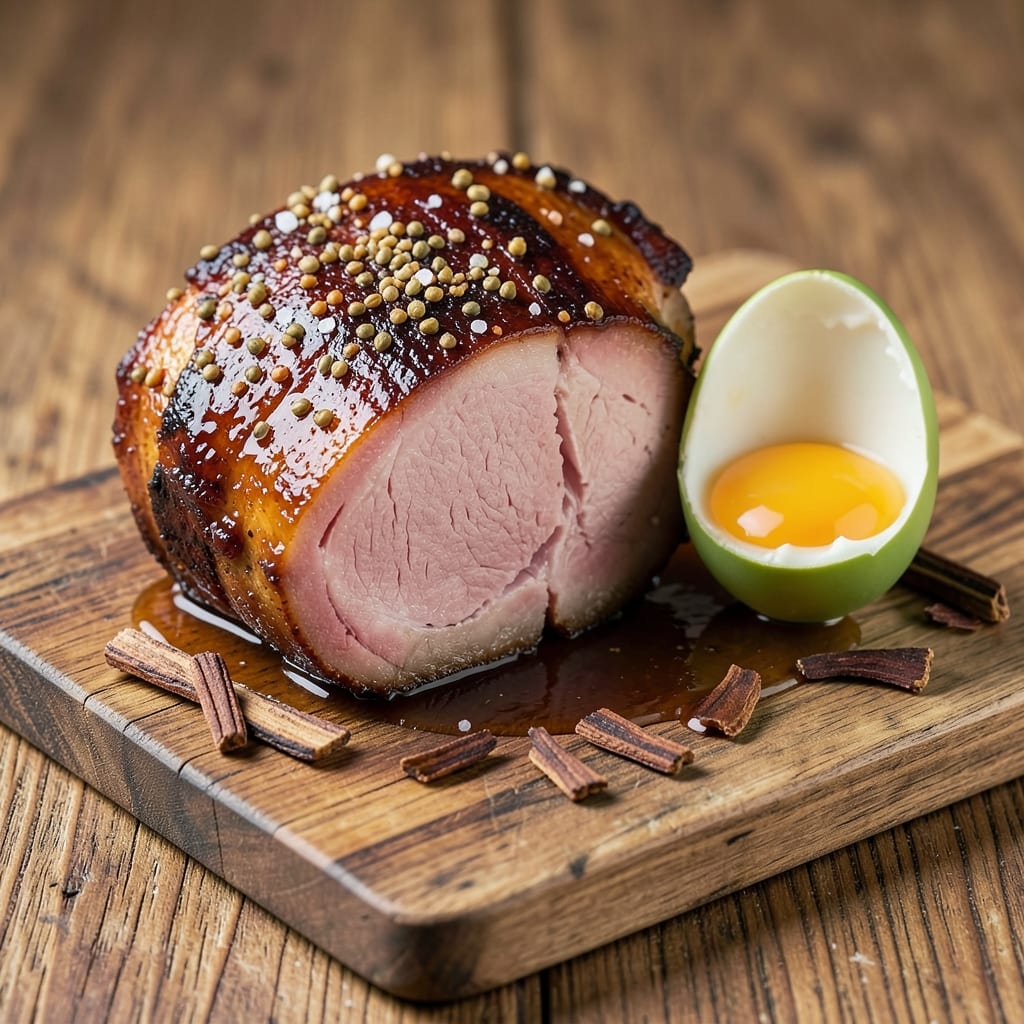
This double smoked ham recipe transforms breakfast into a smoky, crispy masterpiece using your Big Green Egg—where tender, flavorful ham meets a celery-crusted crust that cracks with every bite. The secret lies in low-and-slow smoking with applewood, creating layers of savory depth that turn ordinary ham into a showstopper. I’ve perfected the technique to ensure a crispy exterior while keeping the meat juicy inside, all while leveraging the Big Green Egg’s even heat distribution for foolproof results.
The process starts with a simple brine to enhance moisture and flavor, followed by a dry rub that includes crushed celery seeds for that signature crispy crust. Unlike traditional oven-roasted ham, smoking in the Big Green Egg infuses the meat with wood-fired aroma, while the charcoal management system keeps temperatures steady at 225°F for hours. This isn’t just breakfast—it’s a weekend project that delivers restaurant-quality ham with minimal effort, thanks to the Egg’s hands-off design.
By the time you’re done, you’ll have a ham that’s crispy on the outside, smoky and tender within, and topped with a celery crust that’s addictively crunchy. The Big Green Egg’s versatility means you can adapt this for any occasion, from holiday brunches to weeknight dinners when you crave something special. The key is patience—let the smoke work its magic while you prep sides, and you’ll be rewarded with a ham that’s worth every minute of wait time.
Whether you’re a seasoned smoker or new to the Big Green Egg, this recipe simplifies the process without sacrificing flavor. The water pan placement ensures even moisture, and the charcoal setup is straightforward once you get the rhythm down. Serve thick slices with maple glaze or as-is—either way, your guests will think you’ve been smoking ham for years. Let’s get started on this fast, crispy, and deeply satisfying dish.
Ingredients for double smoked ham big green egg
Four pounds of ham, a smoker's dream setup, and your Big Green Egg ready for magic.
| Ingredient | Amount | Notes |
|---|---|---|
| Bone-In Ham (Fresh or Frozen) 🍖 | 4 lb | Center-cut, 1.5-2 inches thick |
| Applewood Chips 🌳 | 2 cups | Unsoaked, for smoking |
| Coarse Kosher Salt 🧂 | ½ cup | Diamond Crystal preferred |
| Brown Sugar 🍚 | ¼ cup | Light or dark |
| Crushed Celery Seeds 🌿 | 2 tbsp | For signature crust |
| Ground Black Pepper 🌶️ | 1 tbsp | Freshly cracked |
| Garlic Powder 🧄 | 1 tbsp | No garlic salt |
| Smoked Paprika 🌶️ | 1 tbsp | For depth of flavor |
| Water 💧 | 2 cups | For brine solution |
| Charcoal Briquettes 🔥 | 20 pieces | Lump or bin-style |
| Fresh Celery Sticks 🧅 | 1 bunch | For crust and garnish |
| Pure Maple Syrup 🍁 | ¼ cup | Grade A or B |
| Apple Cider Vinegar 🍎 | 1 tbsp | For brine acidity |
| Black Lava Rock 🪨 | 1 lb | For heat retention |
| Aluminum Foil 📄 | 1 sheet | Heavy-duty |
The ham is everything here—bone-in, center-cut is non-negotiable for that perfect balance of crispy exterior and juicy interior. I grab mine from Costco when they have the pre-cut boneless ham, but for this recipe, the bone helps retain moisture. Fresh or frozen works, but if frozen, thaw it in the fridge overnight. The applewood chips? Traeger or Cookshack brands are my go-to—they hold their smoke better than the generic stuff. For the celery seeds, Penzeys sells them pre-crushed, which saves time, but if you're grinding whole seeds, toast them first for deeper flavor.
No applewood chips? Hickory works in a pinch, though it'll give a slightly different profile. Short on celery seeds? Celery salt at half the amount gets you close, but you'll lose that signature crunch. The maple syrup can be swapped for honey if you're not strict vegan, though maple has a cleaner finish. For the brine, if you forget the vinegar, lemon juice works too. And if you're worried about the ham being too salty, don't—this brine is mild but effective. The key is letting the smoke do the heavy lifting while the Big Green Egg maintains that steady 225°F temperature.
Prep the ham the night before—it needs time to absorb the brine. Store it uncovered in the fridge so the salt can work its magic. The charcoal briquettes should be arranged in a circle around the water pan, with the ham placed on the grate above. Black lava rock stays hot longer, so add it to the coals for more consistent heat. The finished ham keeps for 5 days in the fridge, but it's best enjoyed fresh. Slice thick and serve with extra maple glaze—trust me, you'll want seconds.
Why You'll Love This Recipe
- No-Fuss Smoking: I swear by this recipe because it’s that easy—just slather the bone-in ham with brown sugar, crushed celery seeds, and a sprinkle of salt, then let the Big Green Egg do the rest. No brining, no fussing, no stress. Honestly, the hardest part is deciding whether to smoke it for 2 or 3 hours.
- Smoky-Sweet Magic: That combo of applewood chips and celery seeds? It’s like a flavor bomb—smoky, slightly sweet, with a hint of earthy celery that sticks to the ham like a dream. The bone-in cut keeps it juicy, and the crust? Crispy enough to make you want to eat it straight off the smoker.
- Budget-Friendly Crowd-Pleaser: A whole bone-in ham is cheaper than you’d think, and the spices cost pennies. Here’s what sold me—this feeds 8-10 people for under $20, and everyone walks away happy. Plus, the Big Green Egg’s efficiency means less fuel, less time, and more money in your pocket. Win.
Step-by-step instructions for smoky breakfast bites with celery crust
Here's how to transform your ham into smoky, crispy breakfast bites with that signature celery crust.
Prepare the Brine for Maximum Flavor
In a large container big enough to hold the ham, combine the 2 cups water, 0.5 cup coarse kosher salt, 0.25 cup brown sugar, 1 tbsp apple cider vinegar, and 1 tbsp garlic powder. Stir until everything dissolves completely—this creates the perfect balance of saltiness, sweetness, and acidity that will penetrate the ham deeply.
Place the 4 lb bone-in ham in the brine, ensuring it's fully submerged. Cover and refrigerate for 12-24 hours. This step is crucial for developing that tender, juicy interior while building a solid flavor foundation. The longer it brines, the more flavorful the result, but never exceed 24 hours or the texture will suffer.
Build the Signature Celery Crust
In a small bowl, mix together 2 tbsp crushed celery seeds, 1 tbsp ground black pepper, and 1 tbsp smoked paprika. This aromatic blend forms the backbone of your crispy crust. Once thoroughly combined, sprinkle this mixture evenly over the brined ham, pressing it gently into the surface so it adheres well.
For extra texture, wrap the ham tightly in the heavy-duty aluminum foil, sealing all edges completely. This creates a steam chamber that helps render fat and develop that signature crust. The foil also prevents the ham from drying out during the smoking process.
Set Up Your Big Green Egg for Smoking
Arrange the 20 charcoal briquettes in a circle around the base of your Big Green Egg, creating a dome shape. Place the 1 lb black lava rock in the center—this helps maintain even heat distribution throughout the cooking process. Light the charcoal and allow it to burn until you see clean, blue smoke with just a hint of white.
Once the charcoal is fully ignited and the temperature reaches around 225°F, carefully place the wrapped ham in the center of the egg. The lava rock helps stabilize the temperature, preventing hot spots that could create uneven cooking. Close the lid and resist the urge to peek—every time you open it, you lose heat and extend cooking time.
Smoke the Ham to Perfect Doneness
Smoke the ham for 6-8 hours, maintaining a consistent temperature of 225-250°F. You'll know it's ready when the internal temperature reaches 160°F in the thickest part of the meat. The ham should have a deep mahogany color and that irresistible smoky aroma wafting from the egg.
During the last 30 minutes of cooking, remove the foil wrapping to allow the crust to crisp up. This is where the celery seeds really shine—they'll develop that beautiful crunchy texture while the meat remains juicy and tender underneath. Watch carefully to ensure it doesn't over-brown.
Create the Maple-Glazed Finish
Once the ham reaches the proper internal temperature, remove it from the Big Green Egg and place it on a cutting board. In a small saucepan, combine 0.25 cup pure maple syrup, 2 cups applewood chips (chopped if needed), and let it simmer gently for 5 minutes until slightly thickened.
Brush this warm maple glaze generously over the top of the ham, then let it rest for 15 minutes before slicing. This final step adds a beautiful sheen and enhances the smoky flavors with natural sweetness. The crust should be crispy enough to stand up to the glaze without becoming soggy.
Pro Tips For Making Double Smoked Ham Big Green Egg
- Preheat Egg for 30 Minutes: Fire up that Big Green Egg to 225°F and let it sit for half an hour before adding the ham. I learned this the hard way—cold metal steals heat from your meat, and you’ll end up fighting the thermometer instead of cooking. A steady temp from the start means even smoking and a crust that sticks without burning.
- Trim Fat, Not Flavor: Leave a thin layer of fat on the ham—about ¼ inch—but trim off any thick deposits or discolored spots. The fat renders down for moisture, but you don’t want it turning to grease in the smoker. (Yes, even if it looks messy—this isn’t a beauty contest.)
- Salt the Ham Night Before: Dry-brine the ham with kosher salt and brown sugar overnight in the fridge. It keeps the meat juicy and lets the crust form faster in the Egg. I used to skip this, and my ham always came out dry—now it’s the thing that makes a real difference.
- Rotate the Ham Every 45 Minutes: Move the ham 180 degrees every hour to avoid hot spots. Applewood chips burn fast, and one side can get way too smoky while the other stays bland. (Pro tip: Use a meat probe in the thickest part—150°F internal is your target before resting.)
Pro cooking tips for double smoked ham big green egg
Charcoal Mastery
Your Big Green Egg’s magic happens with the charcoal setup. Arrange the 20 briquettes in a dome shape around the base, leaving space for airflow—this creates even heat distribution. I use lump charcoal when possible because it burns hotter and cleaner than briquettes, but if you’re using bin-style, spread them evenly. Add the 1 lb black lava rock to the center once the coals are white-hot—this helps stabilize temperature swings. 🔥
Pro tip: Never overload the charcoal. A full dome of 20 briquettes should maintain 225-250°F for 6-8 hours without needing adjustments. If the temperature drops below 225°F, add 5-6 fresh briquettes and wait 15 minutes before checking again. The lava rock acts like a heat sink, so it’ll help recover faster than raw charcoal alone.
Water Pan Placement
The Big Green Egg’s design makes water pan placement critical. Place a stainless steel water pan (about 1 gallon capacity) in the center of the dome, filled with 1-2 cups water. This creates a steam environment that keeps the ham moist and prevents a dry crust. I like to use a pan with legs (like the Weber Smokey Mountain pan) to ensure proper airflow underneath.
Refill the water every 2 hours—this prevents the pan from boiling dry, which can cause temperature spikes. If you notice the water evaporating too quickly, reduce heat slightly by moving the lava rock closer to the center. The goal is steady smoke, not a sauna!
Foil Wrapping Secrets
Wrapping your ham in heavy-duty aluminum foil during the first 5-6 hours of smoking locks in moisture and fat, creating that signature tender interior. The trick is double-layering the foil—this prevents leaks and ensures a tight seal. I press the edges firmly with my fingers to eliminate air pockets, then crimp them tightly with tongs.
For extra crispiness, unfoil the ham during the last 30 minutes of cooking. This lets the celery seeds toast and develop that shatteringly crisp crust while the internal temperature climbs to 160°F. If the ham starts browning too quickly, tent it loosely with foil to slow the process.
Temperature Troubleshooting
If your Big Green Egg struggles to maintain 225°F, you’re likely dealing with heat loss. First, check for gaps in the lid seal—even a small opening can drop temps by 20°F. Next, ensure the charcoal dome is complete with no gaps. I also recommend preheating the Egg for 15 minutes before adding the ham to stabilize the environment.
For stubborn temperature swings, try this: Place a thermometer probe near the lava rock (not touching it) to monitor core temperature. If it fluctuates more than ±10°F, add 3-4 more briquettes and wait 20 minutes before adjusting again. The Big Green Egg’s ceramic design helps retain heat better than metal smokers, but it still needs proper fuel management.
Nutrition facts
Frequently asked questions
Can I use pre-cooked ham for this Big Green Egg recipe?
No, this recipe requires raw bone-in ham for the best results. Pre-cooked ham lacks the moisture and tenderness you get from the 12-24 hour brine and low-and-slow smoking process. The Big Green Egg's even heat distribution transforms raw ham into a melt-in-your-mouth masterpiece with that signature crispy celery crust.
What if I don't have applewood chips? Can I use another wood?
Yes! While applewood is traditional, hickory or cherry work beautifully too. Avoid pine (too strong) or cedar (can taste bitter). For a milder flavor, try fruitwood blends. The key is maintaining 225°F - the wood just adds character. If using different wood, adjust smoking time by 30 minutes (hickory smokes faster than apple).
How do I know when the ham is done without a meat thermometer?
Look for three key signs: 160°F internal temp (use a probe in the thickest part), deep mahogany color, and when the ham "jiggles" slightly when moved (like gelatin). The celery crust should also be golden and crispy. If unsure, check every 30 minutes after 5 hours of smoking. Remember: the Big Green Egg's ceramic design helps maintain steady heat, so patience is key!
Can I make this recipe in a regular smoker instead of a Big Green Egg?
The technique works in any ceramic or stainless steel smoker, but you'll need to adjust for heat retention. Use 25% more charcoal (about 25 briquettes) and monitor temps closely - metal smokers lose heat faster. The 1 lb lava rock helps stabilize temps in both setups. For best results, preheat your smoker to 225°F for 15 minutes before adding the ham.
Why does my celery crust keep falling off?
This usually happens when the ham isn't properly brined or the crust isn't pressed firmly enough. First, ensure the ham is fully submerged in the 12-24 hour brine - this helps the crust adhere. Second, press the celery seed mix gently but firmly into the surface before wrapping. For extra grip, lightly mist the ham with water before applying the crust. The Big Green Egg's even heat helps crisp it perfectly when unfoiled in the final 30 minutes.