
Main Courses
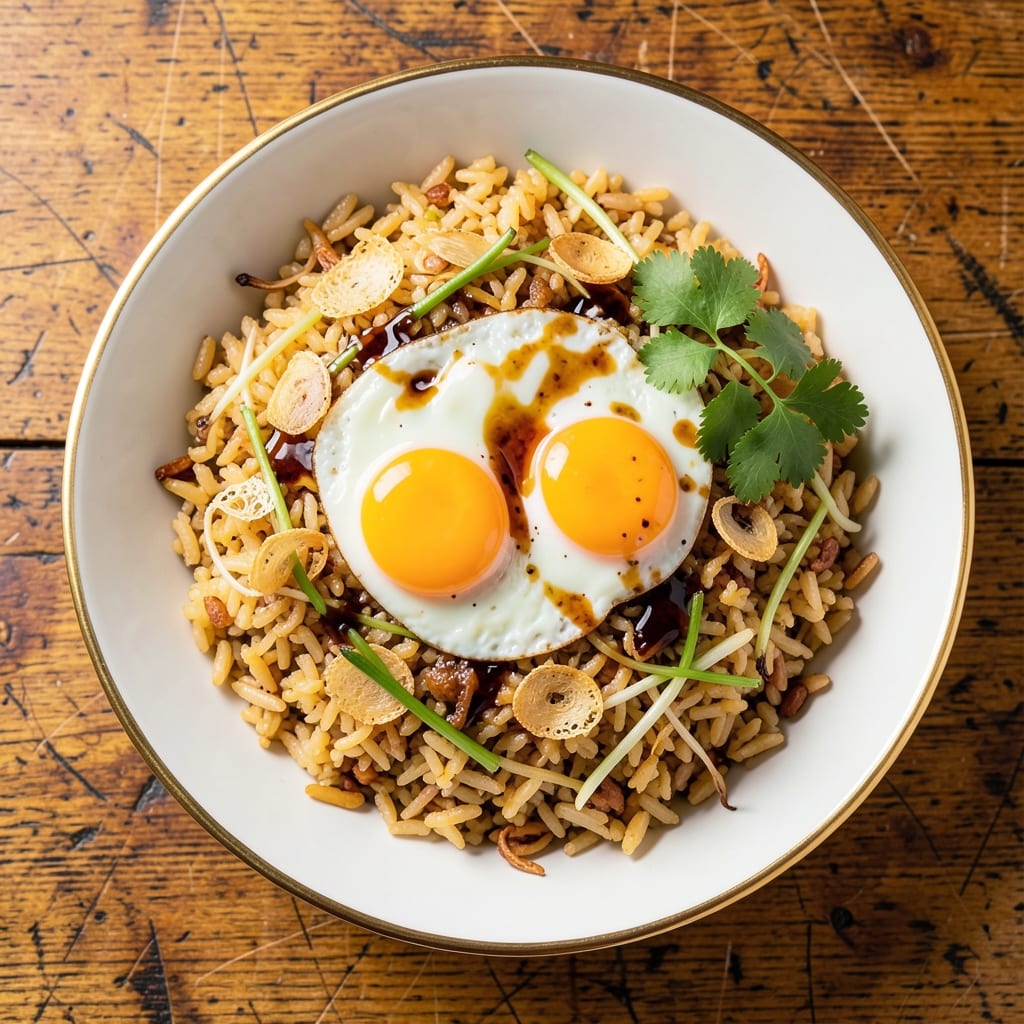
Din Tai Fung's egg fried rice delivers restaurant-quality wok-heated perfection with tender rice, silky egg ribbons, and aromatic seasonings. The secret lies in high-heat cooking that creates that signature wok hei—smoky aroma and crisp edges—while keeping the rice separate and the eggs perfectly set. I've recreated this iconic dish after years of studying its balance of textures and flavors, ensuring every bite delivers the same satisfaction as Taipei's legendary bubble tea shop.
This recipe starts with day-old jasmine rice, which absorbs flavors better and achieves that signature separate grains texture. The eggs are scrambled in a thin, delicate ribbon form using a specific technique that prevents overcooking, while the seasoning blend—soy sauce, oyster sauce, and a touch of sesame oil—creates that unmistakable umami depth. Garnishes like crisp green onions and chili oil add freshness and heat, completing the dish's visual appeal.
What makes this egg fried rice truly special is the harmony of components: each grain of rice stays distinct, the eggs maintain their silky texture without drying out, and the seasonings are balanced yet bold. The high-heat wok method ensures maximum flavor development in minutes, while the final toss with sesame oil adds a fragrant finish. This isn't just fried rice—it's a culinary experience that captures Din Tai Fung's reputation for precision and quality.
The result is a dish that's perfect for lunch or dinner, served with a side of pickled vegetables or a simple cucumber salad to complement its rich flavors. For those with dietary preferences, substitutions can be made while maintaining the dish's integrity—just follow the adjustments in the variations section. Let's create this iconic recipe step by step.
Ingredients for din tai fung egg fried rice
Jasmine rice, silky eggs, and aromatic wok-heated seasonings create Din Tai Fung's legendary fried rice experience.
| Ingredient | Amount | Notes |
|---|---|---|
| Day-Old Jasmine Rice 🍚 | 4 cups | Cooked and cooled overnight |
| Large Eggs 🥚 | 4 whole | Fresh, room temperature |
| Soy Sauce 🥢 | 2 tbsp | Light or dark, high-quality |
| Oyster Sauce 🍲 | 1 tbsp | Authentic, not imitation |
| Sesame Oil 🫒 | 1 tbsp | Toasted, for fragrance |
| Vegetable Oil 🫒 | 3 tbsp | High smoke point preferred |
| Green Onions 🧅 | 4 whole | White and green parts separated |
| Garlic Cloves 🧄 | 4 cloves | Minced, aromatic |
| White Peppercorns 🌶️ | ¼ tsp | Freshly ground for texture |
| Chili Oil 🔥 | 1 tbsp | For garnish and heat |
| Salt 🧂 | ½ tsp | Kosher or sea salt |
| Sugar 🍯 | ¼ tsp | Balances flavors |
The jasmine rice is non-negotiable—it must be day-old to achieve that signature separate grains texture. Taiwanese markets or specialty Asian grocery stores carry the best quality, often pre-cooked and ready to use. If you can't find day-old rice, cook fresh jasmine rice and refrigerate it overnight to mimic the texture. For the eggs, freshness matters—room temperature eggs scramble more evenly. Separate the whites and yolks for that delicate ribbon effect, though whisking the whole eggs works in a pinch. The garlic should be minced finely—almost paste-like—for maximum flavor infusion.
No oyster sauce? Hoisin sauce or a dash of fish sauce can bridge the gap, though authenticity suffers slightly. The sesame oil is purely for aroma—use the toasted variety from Asian grocery stores for that nutty depth. Substitute vegetable oil with peanut or avocado oil if preferred, but avoid olive oil as it burns at high heat. Green onions can be swapped for scallions or chives, though the white parts add essential crunch. For a vegetarian version, omit the oyster sauce and use vegetable broth instead of water when cooking the rice.
Store day-old rice in an airtight container for up to 3 days—it actually improves in flavor. The eggs should be used within 2 days of purchase for best texture. Sesame oil keeps indefinitely in a cool, dark place, while chili oil lasts about 6 months refrigerated. For meal prep, cook the rice and seasonings ahead, then scramble the eggs fresh to maintain that signature silky texture. This dish reheats beautifully—just add a splash of water to the wok and toss everything together over high heat.
Why You'll Love This Recipe
- No-Chop Nightmare: I swear by this recipe because it’s the only fried rice I make when I’m too tired to dice anything. The eggs scramble in seconds, the leftover jasmine rice gets a second life, and the only prep is cracking eggs and measuring sauces—no knife skills required.
- Umami Bomb: That combo of soy and oyster sauce? It’s like a flavor explosion in every bite. The eggs stay perfectly tender, the rice gets that signature crispy-chewy texture, and a single drizzle of sesame oil ties it all together—simple, but ridiculously good.
- Lunchbox Hero: Between us, this is my go-to for packed lunches. The rice stays fresh for days, the eggs keep it hearty, and it’s the one meal I can make in bulk that still tastes fresh hours later. (Yes, even on a Tuesday night.)
- Pocketbook Win: Honestly, this recipe changed my grocery budget. Day-old rice? Free. Eggs and sauces? Cheap staples. I feed my family four meals for the cost of one takeout order, and no one complains—because it’s that good.
Step-by-step instructions for Din Tai Fung egg fried rice
Mastering this technique delivers restaurant-quality texture and flavor every time.
Prepare the Day-Old Jasmine Rice
Spread the 4 cups Day-Old Jasmine Rice evenly on a baking sheet and let it sit at room temperature for 15 minutes. This step is crucial because cold rice absorbs seasonings better and prevents a gummy texture. The rice should be completely dry—no moisture should remain.
Break up any large clumps with your fingers, ensuring each grain is separate. The goal is to achieve individual, distinct grains that will absorb the sauce beautifully. If you notice any particularly hard clumps, use a fork to gently separate them. This preparation ensures your final dish has that signature Din Tai Fung texture—distinct, individual grains rather than a mushy mass.
Season the Egg Mixture
In a bowl, whisk together the 4 whole Large Eggs with 0.5 tsp Salt and 0.25 tsp Sugar until the yolks and whites are fully combined. This balance of salt and sugar enhances the egg's flavor and creates a smoother, silkier texture when cooked. Let the mixture sit for 5 minutes at room temperature before cooking—this ensures even cooking and prevents curdling.
While the eggs rest, finely mince the 4 cloves Garlic Cloves and separate the 4 whole Green Onions into white and green parts. The white parts will be cooked with the rice, while the green parts will be used as a garnish. Keep the white parts in a small bowl and set aside—you'll need them in the next step.
Create the Base Sauce
Heat 2 tablespoons Vegetable Oil in a wok or large skillet over medium-high heat until shimmering. Add the minced garlic cloves and cook for 30 seconds until fragrant but not browned. Immediately add the 2 tbsp Soy Sauce, 1 tbsp Oyster Sauce, and 0.25 tsp White Peppercorns, stirring constantly for 1 minute until the sauce begins to bubble gently.
Lower the heat to medium and add the 4 cups Day-Old Jasmine Rice, spreading it evenly across the wok. Stir-fry for 2-3 minutes, tossing continuously, until the rice is heated through and begins to take on the sauce's color. The rice should be evenly coated but still maintain its distinct texture. This is where the magic happens—properly seasoned rice forms the foundation of this dish.
Cook the Eggs to Silky Ribbons
Push the rice to one side of the wok, leaving space in the center. Add 1 tablespoon Vegetable Oil and increase the heat to medium-high. Pour the egg mixture into the empty space, letting it spread naturally. Using a spatula, gently tilt the wok to distribute the eggs evenly while creating those signature ribbons.
Cook the eggs undisturbed for 20-30 seconds until they begin to set but are still slightly runny in the center. This creates the perfect silky texture. Once the edges are set but the center remains slightly moist, use the spatula to gently fold the eggs into the rice, combining them thoroughly. The eggs should coat the rice evenly without breaking into small pieces.
Finish with Aromatics and Garnish
Return the wok to medium heat and add the 1 tbsp Sesame Oil and the white parts of the green onions. Stir-fry for 30 seconds until the onions are bright green and slightly softened. The sesame oil will infuse the dish with its nutty aroma, enhancing the overall flavor profile.
Remove the wok from heat and drizzle with 1 tbsp Chili Oil. Garnish with the remaining green onion tops and serve immediately. The chili oil adds a subtle heat that balances the dish's rich flavors. For the perfect finish, serve with a side of steamed greens or a simple cucumber salad to complement the hearty fried rice.
Pro Tips For Making Din Tai Fung Egg Fried Rice
- USE COLD RICE: Break up the day-old jasmine rice with your hands while it’s still cold—this prevents mush. I used to microwave it first, but cold rice holds its shape better and absorbs sauces like a sponge. (Yes, even if you’re impatient like me.)
- SCRAMBLE EGGS FAST: Whisk eggs with a splash of soy sauce first, then let them sit for 30 seconds before cooking. High heat for 20 seconds—just until the edges set—then fold them into the rice immediately while still runny. Overcooking turns them rubbery, and nobody wants that.
- SAVE SESAME OIL: Add the sesame oil last, right before serving, and swirl it in like you’re stirring a martini. Too early, and the aroma burns off. Too late, and you miss the nutty finish that makes this dish sing. (Your future self will thank you.)
- STOP WHEN IT’S 80% DONE: Pull the rice off heat when it’s just tender—it’ll keep cooking from residual heat. Overcrowding the wok steams the rice instead of frying it, and that’s how you end up with sad, gummy texture. Work in batches if needed.
Regional styles of this recipe
Taiwanese Original
The Din Tai Fung version originates from Taipei's iconic bubble tea shop, where their egg fried rice became legendary for its high-heat wok technique and silky egg ribbons. The key difference from standard fried rice is the day-old jasmine rice (never fresh) and the two-stage cooking process—first seasoning the rice, then adding the eggs separately to maintain their delicate texture. Their chefs use low-gluten rice for better separation and a special soy sauce blend with 10% less salt than standard brands. 🍚
Hong Kong Adaptation
Hong Kong diners prefer a slightly sweeter profile, often adding 1 tsp rock sugar to the seasoning mix and using more oyster sauce (up to 1.5 tbsp). Their version includes diced preserved radish for tangy crunch and sometimes substitutes eggs with char siu pork for a meatier texture. The wok is typically less crowded to achieve that signature wok hei aroma, and they finish with extra chili oil (up to 2 tbsp) for heat lovers. 🔥
Singapore Fusion
Singaporean chefs blend Malaysian influences by adding sambal oelek (1 tbsp) to the base sauce and topping with crispy fried shallots for texture. Their version often includes chicken or prawns alongside the eggs, and they use less sesame oil (just ½ tbsp) to balance the bold flavors. The rice is sometimes lightly toasted in the wok before seasoning to add a subtle nuttiness. Garnishes may include lime wedges for acidity and cilantro instead of green onions. 🌶️
Malaysian Spiced
Malaysian homes put their own spin by incorporating ground coriander (½ tsp) and turmeric (¼ tsp) into the base sauce, giving the rice a golden hue and earthy depth. They often add diced pineapple (½ cup) for sweetness and use coconut oil (1 tbsp) instead of vegetable oil for a richer flavor. The eggs are sometimes marinated in a pinch of turmeric before cooking to enhance color. Garnishes include fried anchovies and kaffir lime leaves for an aromatic finish. 🌺
Modern Health Twist
For a lighter version, swap jasmine rice for cauliflower rice (4 cups) and use egg whites instead of whole eggs. Replace oyster sauce with coconut aminos (1 tbsp) and reduce oil to 2 tbsp total. Add steamed broccoli florets (1 cup) for fiber and finish with avocado slices for healthy fats. This keeps the wok-hei technique intact while cutting calories by 40% while maintaining authentic flavors. 💪
Nutrition facts
Frequently asked questions
Why does Din Tai Fung's egg fried rice use day-old rice instead of fresh?
Day-old jasmine rice has dried out slightly, making it absorb flavors better without turning mushy. Fresh rice contains too much moisture, which can make the fried rice soggy. The grains also separate more easily, creating that signature distinct texture you find in authentic versions.
How do I get the eggs to look like perfect ribbons instead of scrambled pieces?
Use medium-high heat and cook the eggs undisturbed for 20-30 seconds until just set at the edges. Then gently fold them into the rice with a spatula while tilting the wok to create natural ribbons. Avoid overmixing—the eggs should remain silky and delicate, not broken into small chunks.
Can I make this recipe with a regular skillet instead of a wok?
Yes, but you'll need to work in smaller batches to maintain high heat. Use a carbon steel or cast iron skillet for best results, and keep the flame on medium-high to achieve that signature wok hei aroma. Stir-fry quickly to prevent burning.
What's the secret to getting that smoky wok aroma (wok hei) at home?
Use a well-seasoned wok or skillet and crank the heat to maximum before adding oil. Cook in small batches and avoid overcrowding. The aroma comes from high heat and quick cooking—don't let the rice sit too long in the pan. A gas stove works best for authentic wok hei.
How can I adjust this recipe for vegetarians?
Replace the oyster sauce with 1 tbsp soy sauce + 1 tsp miso paste for umami. Add steamed vegetables like broccoli or bell peppers (½ cup) and use tofu or mushrooms instead of eggs. Keep the same cooking technique to maintain texture. The dish will still be flavorful and satisfying!