
Desserts
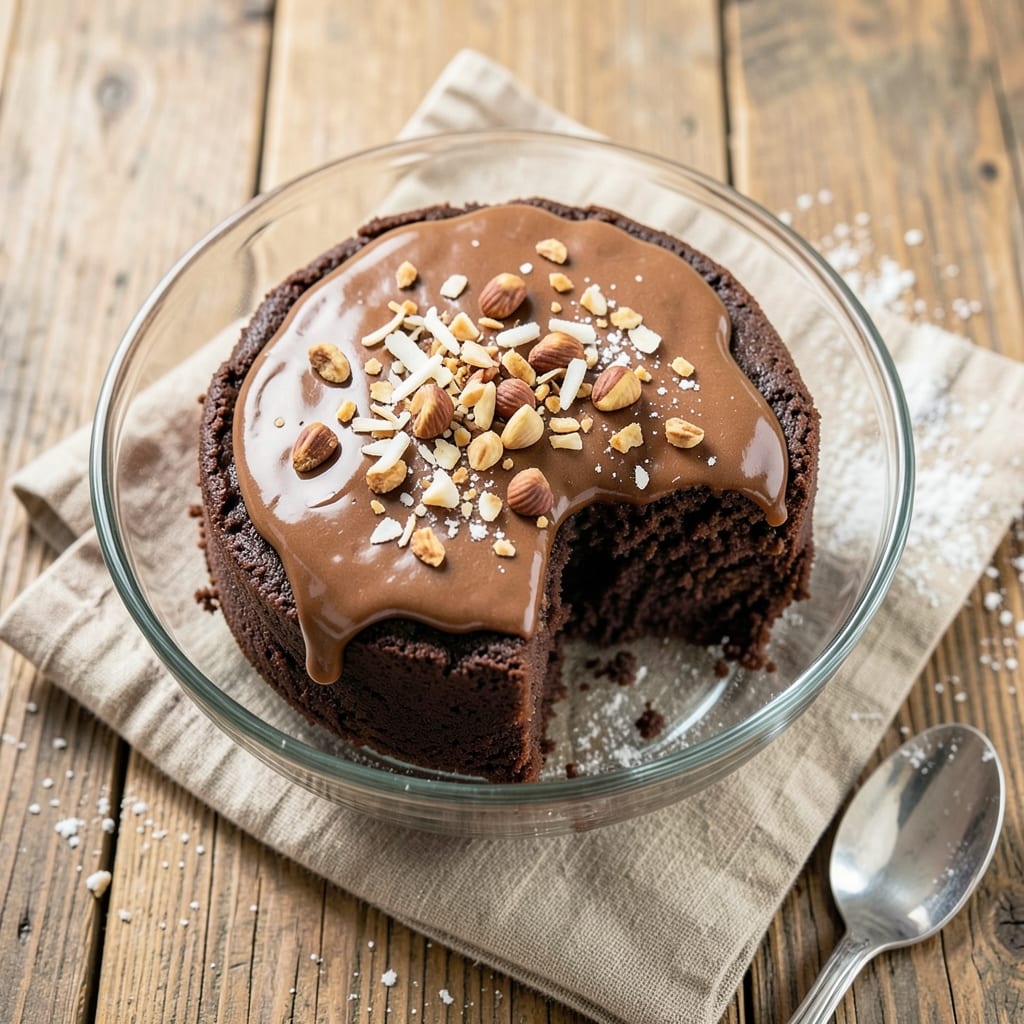
This dairy-free egg-free chocolate cake delivers decadent fudgy layers without dairy or eggs—proof that plant-based baking can rival traditional recipes. The secret lies in a clever combination of aquafaba (chickpea brine) for structure and melted coconut oil for moisture, creating a rich, dense texture that holds up to frosting. What makes this recipe stand out is how it achieves that signature chocolate cake experience without compromising flavor or texture.
What sets this apart from other vegan chocolate cakes is the two-stage baking process, which ensures even cooking and prevents cracking. The cake batter is rich and velvety, with a deep chocolate flavor that comes from using high-quality cocoa powder and blackstrap molasses. The result is a moist, fudgy interior with a tender crumb—exactly what you'd expect from a classic chocolate cake, but entirely plant-based.
Once baked, the cake develops a slightly domed top with a crackly crust, while the interior remains soft and dense. The frosting—made with coconut cream and powdered sugar—adds a smooth, creamy finish that complements the cake's richness. This isn’t just a substitute; it’s a superior version that even non-vegans will love.
Perfect for birthdays, celebrations, or simply indulging in a slice of chocolate cake without compromise. The recipe includes tips for decorating with fresh berries, sprinkles, or a dusting of cocoa powder to elevate the presentation. Let’s get baking!
Ingredients for dairy free egg free chocolate cake
High-quality cocoa, aquafaba, and coconut oil create a rich, fudgy cake without dairy or eggs.
| Ingredient | Amount | Notes |
|---|---|---|
| All-Purpose Flour 🌾 | 2 cups | Sifted for even texture |
| Dutch-Processed Cocoa Powder 🍫 | ¾ cup | High-quality for deep flavor |
| Blackstrap Molasses 🍯 | ¼ cup | For rich, complex sweetness |
| Granulated Sugar 🍚 | 1 ½ cups | Fine grain preferred |
| Aquafaba 🥫 | 1 cup | Chickpea brine, unsalted |
| Melted Coconut Oil 🫒 | ¾ cup | Unrefined for flavor |
| Vanilla Extract 🌿 | 2 tbsp | Pure Madagascar preferred |
| Baking Soda 🧂 | 1 tsp | Pure, non-aluminum |
| Salt 🧂 | ½ tsp | Fine sea salt preferred |
| Espresso Powder ☕ | 1 tbsp | Enhances chocolate depth |
| Coconut Cream 🥥 | 1 can | Full-fat for frosting |
| Powdered Sugar 🍚 | 2 cups | For smooth frosting |
| Fresh Blueberries 🫐 | ½ cup | Optional decoration |
The cocoa powder is non-negotiable—Valrhona or Ghirardelli deliver that signature depth. Blackstrap molasses adds complexity, so avoid the lighter varieties at the store. Aquafaba (chickpea brine) provides the structure eggs would normally give, so save the brine from a can of chickpeas—it’s free and works perfectly. For the coconut oil, unrefined virgin has a subtle coconut flavor that enhances the cake, while refined is neutral. Measure everything precisely; this recipe relies on the science of baking for that perfect fudgy texture.
No aquafaba? Flax eggs (3 tbsp ground flaxseed + 9 tbsp water) work in a pinch, though the texture won’t be identical. Substitute blackstrap molasses with maple syrup or agave, but reduce by 1 tbsp to account for moisture. For the frosting, vegan butter can replace coconut cream if preferred, though it lacks the same richness. If you’re decorating, vegan white chocolate chips or a sprinkle of cocoa powder add a professional touch. The espresso powder is optional but intensifies the chocolate flavor—skip it if you prefer a sweeter cake.
Store the cake in an airtight container at room temperature for up to 3 days, or refrigerate for 5 days to extend freshness. The frosting can be made 1 day ahead and stored separately. For a restaurant-quality finish, dust with powdered sugar or pipe frosting through a star tip. This cake freezes beautifully—wrap tightly and freeze for up to 3 months—though texture may be slightly drier after thawing.
Why You'll Love This Recipe
- No Eggs, No Problem: I swear by aquafaba—yes, the chickpea brine—as the secret weapon here. Whip it like meringue, fold it into the batter, and suddenly you’ve got a cake that’s light, airy, and actually holds together without a single egg in sight.
- Molasses Magic: That first spoonful of blackstrap molasses might make you pause—it’s rich, it’s bold—but trust me, it deepens the chocolate flavor into something almost fudgy. One taste and you’ll be adding it to everything (I now drizzle it on toast like it’s maple syrup).
- Party in a Box: This cake’s your go-to for birthdays, potlucks, or just because. The dense, moist crumb means it stays fresh for days, and the rich chocolate flavor means no one will guess it’s secretly egg-free. (Between us, my vegan cousin asked for the recipe twice.)
- Pantry Staple Power: Flour, cocoa, sugar—ingredients you already own, no specialty shopping required. The aquafaba? Probably hiding in a can of chickpeas you’ve got lingering. Honestly, this might be the most budget-friendly cake you’ll ever bake, and it still tastes like a dessert you’d order at a café.
Step-by-step instructions for dairy-free egg-free chocolate cake
A rich, fudgy chocolate cake that requires no eggs or dairy yet delivers perfect layers every time.
Whisk Dry Ingredients for Maximum Fluffiness
In a large mixing bowl, sift together the 2 cups all-purpose flour, 0.75 cup Dutch-processed cocoa powder, 1 tsp baking soda, and 0.5 tsp salt. I use a whisk to break up any clumps in the cocoa powder and ensure even distribution throughout the flour. This step prevents dense pockets in your cake.
Next, stir in the 1 tbsp espresso powder and 0.25 cup blackstrap molasses. The molasses adds depth while the espresso powder enhances the chocolate flavor. Set this dry mixture aside—it's ready when the bowl looks completely uniform with no visible streaks.
Combine Wet Ingredients for Perfect Texture
In a separate bowl, whisk together the 1 cup aquafaba, 0.75 cup melted coconut oil, 1.5 cups granulated sugar, and 2 tbsp vanilla extract until fully combined. The aquafaba (chickpea brine) acts as our egg substitute, creating structure and moisture. I like to whisk vigorously for about 2 minutes until the mixture becomes slightly frothy—this ensures proper aeration for a light yet dense cake.
Gradually add the dry ingredients to the wet mixture in three parts, whisking after each addition. This prevents overmixing while ensuring even distribution. The batter should be thick but pourable—similar to traditional chocolate cake batter. If it's too thick, add 1-2 tablespoons of warm water to reach the right consistency.
Bake in Layers for Even Cooking
Preheat your oven to 350°F and grease two 8-inch round cake pans with coconut oil, then line the bottoms with parchment paper. Divide the batter evenly between the pans—each should receive about half of the total batter. Tap the pans gently on the counter to remove any air bubbles.
Bake for 25-30 minutes, or until a toothpick inserted into the center comes out clean. The edges should be set while the center remains slightly springy. Rotate the pans halfway through baking for even heat distribution. I press down gently on the pans during the first 10 minutes—this prevents doming and ensures even thickness.
Prepare the Coconut Cream Frosting
While the cakes cool, prepare the frosting by chilling the 1 can coconut cream in the refrigerator for 1 hour. Scoop out the thick cream portion (discard the watery part) and whip it with an electric mixer until smooth and fluffy. Gradually add the 2 cups powdered sugar, 1 tbsp vanilla extract, and a pinch of salt while mixing on medium speed.
Continue whipping for 3-4 minutes until the frosting reaches a spreadable consistency. It should hold its shape when piped but still be soft enough to spread easily. The frosting should be thick enough to pipe but light enough to create smooth layers between the cake.
Assemble and Decorate for Presentation
Once the cakes have cooled completely (about 1 hour), level the tops if needed. Place the first cake layer on a serving plate and spread a generous layer of frosting on top. Place the second layer on top and repeat the process, frosting the entire cake. Use a spatula to smooth the sides for a professional finish.
For decoration, press the 0.5 cup fresh blueberries gently into the top layer of frosting, creating a beautiful contrast against the dark chocolate. The blueberries add a pop of color while keeping the cake visually appealing. Serve immediately or refrigerate for up to 3 days for a more stable texture.
Pro Tips For Making Dairy Free Egg Free Chocolate Cake
- Whip Aquafaba First: The moment you open that can of chickpeas, drain and rinse them thoroughly—no pulp means no grittiness in your meringue. Then whip the aquafaba cold (straight from the fridge) for 3-4 minutes before adding sugar; this prevents flat, sad peaks and gives you that cloud-like texture you’re chasing.
- Sift the Cocoa: I learned this the hard way—lumpy cocoa powder makes for a cake that’s dense in all the wrong places. Sift that Dutch-processed cocoa with your flour twice if you’re using a boxed mix, and then sift it again right before folding it into the batter. Yes, it’s extra work, but the payoff is a crumb so light it’ll make you question your life choices.
- Don’t Overmix the Batter: Once you add the wet ingredients to the dry, mix just until combined—maybe 10-12 strokes with a spatula. I used to think more mixing meant a better cake, but this batter is delicate. Overmixing develops gluten like crazy, and your cake will turn out tough instead of tender. Stop when there’s just a few dry spots—fold them in by hand if needed.
- Use Molasses Last: Blackstrap molasses is strong stuff, and adding it too early can make your batter smell like a boot factory. Wait until after you’ve mixed everything else, then stir it in gently. This keeps the flavor balanced and lets you taste as you go—you can always add more, but you can’t take it out. (And trust me, you’ll want to.)
Dietary considerations for these flavors
Allergen-Free Substitutions
This recipe cleverly replaces eggs with aquafaba (chickpea brine), which mimics eggs' binding properties while adding moisture. For those avoiding chickpeas, flax eggs (3 tbsp ground flaxseed + 9 tbsp water) work as a backup, though texture may differ slightly. The coconut oil replaces butter perfectly, but vegan butter can substitute if preferred—just reduce other liquids by 1 tbsp to balance moisture. 🥫
Dairy-Free Frosting
The coconut cream frosting delivers a rich, creamy finish without dairy. Chill the can overnight for thicker cream—this is key for smooth whipping. For a lighter texture, whip the frosting for 5 minutes instead of 3. Avoid powdered sugar substitutes with aftertaste; organic cane sugar works best for neutral flavor. Store frosting in an airtight container for up to 3 days at room temperature. 🥥
Gluten-Free Adaptation
Swap the all-purpose flour for a 1:1 gluten-free baking flour blend like Bob's Red Mill or King Arthur. Add 1 tsp xanthan gum to prevent crumbling, as gluten-free flours lack natural binding. Let the batter rest for 10 minutes before baking to hydrate the flour fully. The cake may have a slightly denser crumb, but the fudgy texture remains intact. 🌾
Nut-Free Options
All ingredients in this recipe are naturally nut-free, but always check labels: cocoa powder (like Ghirardelli) and vanilla extract (some brands process in nut facilities) may contain traces. For extra caution, use certified nut-free brands like Anthony's Goods for cocoa. The coconut cream frosting is also nut-free, but verify the can's label for cross-contamination warnings. 🚫
Sugar-Free Swaps
Replace granulated sugar with 1.5 cups monk fruit sweetener (like Lakanto) for a 1:1 ratio, though texture may be slightly drier. For molasses, use 1 tbsp erythritol per tbsp molasses to reduce sweetness. The frosting becomes less stable without sugar, so add 1 tbsp cornstarch to improve structure. Taste as you go—sugar substitutes vary in intensity. 🍚
Storage Tips
Keep the cake in an airtight container at room temperature for 3 days or refrigerate for 5 days. Freeze layers separately for up to 3 months—thaw overnight in the fridge. Reheat slices in a 300°F oven for 5 minutes to restore moisture. The frosting can be stored separately for 1 week in the fridge, but whip again before use for best texture. ❄️
Nutrition facts
Frequently asked questions
Why does this cake use aquafaba instead of eggs?
Aquafaba (chickpea brine) mimics eggs' binding properties perfectly while adding moisture and structure. It creates air bubbles when whisked, just like eggs, resulting in that classic cake texture. Plus, it's free if you save the brine from canned chickpeas!
Can I make this cake without coconut oil?
Yes! Use vegan butter or refined coconut oil for a neutral flavor. If substituting, reduce other liquids by 1 tablespoon to maintain proper moisture balance. The cake will still be rich and fudgy, just with a slightly different texture.
How do I prevent cracks in the cake?
Cracks often appear from uneven baking. Press down gently on the pans during the first 10 minutes of baking to flatten the top, and rotate the pans halfway through. Also, ensure your oven is fully preheated to 350°F before baking. A cool oven causes uneven rising.
What's the best way to store leftovers?
Keep the cake in an airtight container at room temperature for up to 3 days. For longer storage, refrigerate for 5 days or freeze layers separately for 3 months. Thaw frozen cake overnight in the fridge for best texture.
Can I make this cake gluten-free?
Replace the all-purpose flour with a 1:1 gluten-free baking blend and add 1 teaspoon xanthan gum to improve structure. Let the batter rest for 10 minutes before baking to hydrate the flour fully. The texture will be slightly denser but still fudgy.