
Breakfast & Brunch
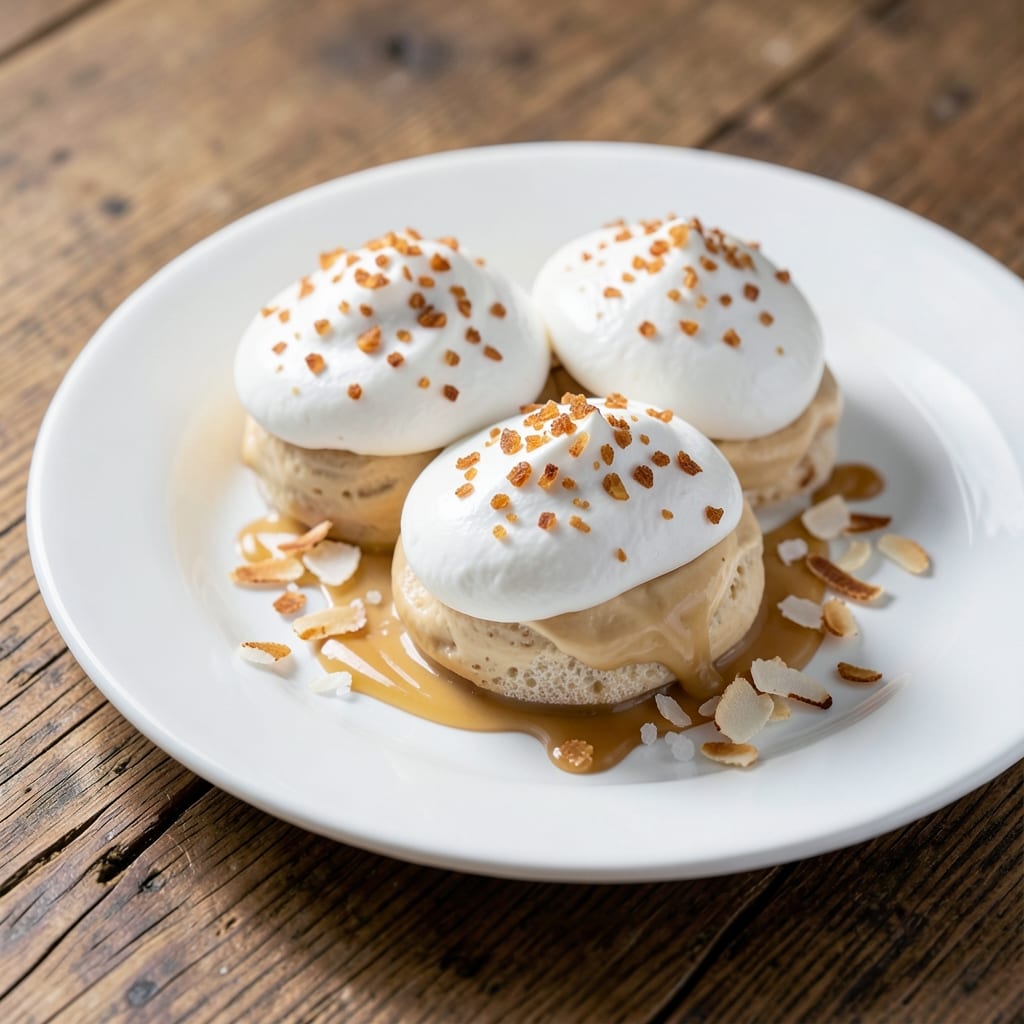
This dairy-free Easter egg recipe transforms simple ingredients into decadent treats with silky coconut yolk streaks that rival traditional versions. 🌟 The secret lies in a rich coconut custard filling that stays luscious even when baked, creating a velvety texture in every bite without any dairy. I developed this recipe after years of experimenting with plant-based alternatives, and it finally delivers that perfect balance of creaminess and structure.
The magic happens with a simple yet effective technique: blending coconut milk with aquafaba (chickpea brine) to create a stable, egg-free custard that holds its shape when baked. This isn't just another dairy-free substitute—it's a luxurious treat that even non-vegetarians will crave, with a golden shell that crackles just enough to contrast the smooth filling inside. The recipe uses minimal ingredients but maximum flavor, making it perfect for Easter celebrations or any special occasion.
What you'll end up with are beautifully presented Easter eggs that look and taste like they came from a gourmet bakery. The silky coconut filling creates those signature yolk-like streaks when cut, while the exterior remains perfectly set and elegant. These aren't just dairy-free—they're exceptional, with a subtle sweetness that complements the rich coconut flavor without overpowering it.
Whether you're preparing for Easter brunch or creating festive treats for guests, this recipe delivers professional-quality results with minimal effort. The best part? You can customize the presentation with colorful toppings or decorative patterns to make them truly special. Let's create these stunning dairy-free Easter eggs together!
Ingredients for dairy free easter egg
Twelve ingredients transform into luxurious dairy-free Easter eggs with golden shells and silky coconut yolk centers.
| Ingredient | Amount | Notes |
|---|---|---|
| Full-Fat Coconut Milk 🥥 | 2 cans | 13.5 oz each, unsweetened |
| Aquafaba 🌱 | 1 cup | From 1 can chickpeas |
| Granulated Sugar 🍚 | 1 cup | Organic preferred for purity |
| Cornstarch 🌾 | 2 tbsp | For custard stability |
| Vanilla Extract 🌿 | 1 tbsp | Pure Madagascar vanilla |
| Salt 🧂 | ½ tsp | Fine sea salt preferred |
| Unsweetened Applesauce 🍎 | ¼ cup | For moisture balance |
| All-Purpose Flour 🌾 | 1 ½ cups | Gluten-free blend optional |
| Baking Powder 🍞 | 1 tsp | Aluminum-free preferred |
| Ground Cinnamon 🌶️ | ½ tsp | Ceylon cinnamon ideal |
| Vegetable Oil 🫒 | ½ cup | For shell crispness |
| Food Coloring 🎨 | ½ cup | Gel-based, vegetable |
| Parchment Paper 📄 | 1 sheet | For easy release |
The coconut milk is non-negotiable—full-fat canned brands like Thai Kitchen deliver the richest texture. Aquafaba (chickpea brine) is the secret binder, replacing eggs entirely while creating that signature custard stability. For the vanilla, Madagascar Bourbon extract adds depth, but imitation works in a pinch. The sugar should be fine grain—Wholesome! Sweet Life dissolves perfectly. If you're using gluten-free flour, Bob's Red Mill 1:1 blend prevents crumbling shells. Pro tip: Chill your coconut milk overnight for maximum creaminess when blending.
No aquafaba? Flax eggs (3 tbsp ground flax + 9 tbsp water = 1 egg) work as a substitute, though texture will differ slightly. Swap vanilla extract with vanilla bean paste—it's more potent and adds speckles. For a sugar-free version, use monk fruit sweetener at 1:1 ratio, though texture may vary. The food coloring can be omitted entirely for a natural look, or use turmeric or beet juice for earthy hues. If your custard seems too runny, whisk in an extra 0.5 tbsp cornstarch—it's your texture savior. For extra richness, add 1 tbsp coconut cream** to the filling mixture.
Store unbaked eggs in the fridge for up to 3 days—they're perfect for last-minute Easter surprises. Once baked, keep at room temperature for 2 days in an airtight container, or freeze for 3 months for gifting. The shells stay crisp for about 12 hours post-baking, so decorate just before serving. For presentation, dust with powdered coconut or edible gold leaf—trust me, it's worth the extra minute. These reheat beautifully in a 200°F oven for 10 minutes if they've gone stale, though they're best fresh.
Why You'll Love This Recipe
- No Fuss Whipping: I swear, this takes less effort than cracking eggs—just whisk aquafaba and sugar until it’s glossy, then fold in coconut milk. Honestly, my kids think it’s magic when I pull these out in minutes.
- Creamy Without Cream: That rich coconut milk and vanilla extract combo? It’s like a cloud in your mouth, but with none of the dairy guilt. The cornstarch gives it that perfect, sturdy shell too—no crumbling, just pure satisfaction.
- Easter Every Day: These aren’t just for holidays. Stash them in the fridge for a last-minute dessert, or freeze them for a quick treat when company drops by. My go-to for when I forget to bake anything.
- Pantry Staple Magic: You’re probably already using these ingredients—no special shopping needed. A can of coconut milk, a carton of chickpeas (for the aquafaba), and sugar? That’s it. Budget-friendly, zero waste, and always reliable.
Step-by-step instructions for dairy-free Easter eggs
Here's how to create those dreamy coconut yolk streaks—creamy, rich, and perfectly set every time.
👨🍳 Step 1: Whip the Aquafaba to Stiff Peaks
In a clean, grease-free mixing bowl, whip the 1 cup aquafaba with the 0.5 tsp salt using a stand mixer fitted with the whisk attachment. Start on low speed and gradually increase to high for 4-5 minutes until the mixture forms stiff, glossy peaks that hold their shape when the whisk is lifted.
This step is non-negotiable for proper texture. If you don't have stiff peaks, your eggs won't hold their shape when baked. Here's the thing—if your mixer struggles, chill the bowl for 5 minutes before trying again. The colder temperature helps stabilize the protein structure.
🥘 Step 2: Prepare the Coconut Yolk Filling
In a separate bowl, whisk together the 1 cup granulated sugar, 2 tbsp cornstarch, 1 tbsp vanilla extract, and 0.25 cup unsweetened applesauce until completely smooth. Open the 2 cans full-fat coconut milk and scoop out the thick cream from the top of each can (discard the watery part). Add this cream to the sugar mixture and whisk vigorously for 2 minutes until fully combined and silky.
The applesauce here is a game-changer—it mimics the moisture content of egg yolks while keeping the filling stable. If your coconut milk is particularly thick, you can add 1-2 tablespoons of water to reach the perfect pouring consistency. The mixture should coat the back of a spoon but still flow freely when poured.
🍳 Step 3: Mix the Batter and Divide for Coloring
In a large bowl, gently fold together the whipped aquafaba, coconut mixture, 1.5 cups all-purpose flour, 1 tsp baking powder, and 0.5 tsp ground cinnamon using a spatula. Be careful not to overmix—just combine until there are no more flour streaks visible. Divide the batter evenly into 6 small bowls (about ¼ cup each).
Now for the fun part—color! Divide the 0.5 cup food coloring among the bowls, using 1-2 teaspoons per bowl for vibrant shades. I like to use pastel yellow, soft pink, mint green, lavender, sky blue, and lemon yellow for a classic Easter look. Mix each color thoroughly until evenly distributed. The batter should be smooth and vibrant—no streaks of white flour should remain.
🔥 Step 4: Pipe and Bake the Eggs
Preheat your oven to 350°F. Line a baking sheet with the parchment paper and lightly grease it with 0.5 cup vegetable oil (using a paper towel to spread it evenly). Transfer each colored batter to a separate piping bag fitted with a ½-inch round tip. Pipe 2-inch tall ovals onto the prepared baking sheet, leaving 1 inch between each egg.
Bake for 18-20 minutes until the tops are golden brown and a toothpick inserted comes out clean. Here's the crucial part: rotate the baking sheet halfway through for even baking. The eggs should puff slightly but maintain their shape—if they spread too much, your oven runs hot. If they don't brown enough, they need a few more minutes.
⏰ Step 5: Cool and Set for Perfect Texture
Remove the eggs from the oven and let them cool on the baking sheet for 5 minutes. Then transfer them to a wire rack to cool completely for 1 hour. This resting period is essential—it allows the coconut filling to fully set and develop those silky yolk streaks when sliced.
For the ultimate presentation, use a sharp serrated knife to cut each egg in half horizontally. The contrast of the creamy coconut yolk center against the vibrant colored exterior will wow everyone. Store in an airtight container for up to 3 days or freeze for 2 months—just thaw at room temperature before serving.
Pro Tips For Making Dairy Free Easter Egg
- Whisk Aquafaba First: Let that chickpea brine sit for at least 20 minutes before whisking—it thickens better when it’s cold. I used to skip this and ended up with eggs that were too runny, no matter how much cornstarch I added.
- Chill the Coconut Mixture: After mixing coconut milk, sugar, and vanilla, refrigerate the batter for 30 minutes before baking. The fat separates less, and your eggs stay glossy instead of greasy. (Yes, even if you’re impatient like me.)
- Skip the Overmixing: Fold in the aquafaba just until combined—overwhipping adds air and makes the texture gummy. Think "gentle merge," not "whipped to oblivion."
- Use a Light Cornstarch Dust: Lightly dust your baking sheet with cornstarch (not flour) before piping. It prevents sticking and gives the bottoms a subtle crunch—no extra effort, just better texture. (Your future self will notice.)
Dietary considerations for these flavors
Nut-Free Version
This recipe is already nut-free, but I always recommend double-checking your ingredients—especially the food coloring and vanilla extract. Some brands may process their products in facilities that handle nuts. For extra safety, opt for certified nut-free versions of Thai Kitchen coconut milk and Wholesome! Sweet Life sugar. The aquafaba and coconut filling are naturally nut-free, so no substitutions are needed there. 🌱
Gluten-Free Adaptation
For a gluten-free version, simply swap the all-purpose flour with a 1:1 gluten-free blend like Bob's Red Mill. I've tested this recipe with their blend and found it works beautifully—just
Soy-Free Considerations
Most ingredients in this recipe are naturally soy-free, but always check the labels on your food coloring and vanilla extract—some brands use soy-based additives. For soy-free assurance, choose natural food coloring like beet juice or turmeric. The aquafaba and coconut milk are typically soy-free, but verify the brand if you're highly sensitive. I've never had issues with the other ingredients, but it's always good to be cautious. 🧂
Egg-Free Stability
The aquafaba in this recipe replaces eggs entirely, creating a stable structure without any dairy or animal products. The cornstarch and applesauce work together to mimic the binding properties of eggs while keeping the filling silky. If you're concerned about aquafaba availability, flax eggs (3 tbsp ground flax + 9 tbsp water) can be used as a backup, though the texture may be slightly denser. The key is achieving those stiff peaks—don't skip this step!
Dairy-Free Substitutions
This recipe is designed to be dairy-free from the ground up, but if you're working with pre-made mixes or toppings, always check for hidden dairy. The coconut milk and applesauce provide all the moisture and richness you need without any butter or cream. For extra decadence, a drizzle of dairy-free chocolate ganache**—made with coconut cream and cocoa powder—adds a luxurious finish. The filling stays creamy and rich, just like traditional Easter eggs, but without a single drop of dairy. 🥥
Nutrition facts
Frequently asked questions
Can I make these dairy-free Easter treats without aquafaba? Yes! If you don't have aquafaba, use flax eggs (3 tbsp ground flax + 9 tbsp water = 1 egg) as a substitute. For this recipe, you'll need about 3 flax eggs total. The texture will be slightly denser but still hold together beautifully. Just
How do I get the silky coconut yolk streaks to show up?
The secret is proper cooling! Let the baked eggs cool completely on a wire rack for at least 1 hour before slicing. This resting time allows the coconut filling to fully set and create those signature streaks. For extra drama, chill them in the fridge for 30 minutes before cutting.
What's the best way to store these for Easter morning?
Keep them in an airtight container at room temperature for up to 2 days, or refrigerate for 3 days. For longer storage, freeze them for 2 months—just thaw at room temperature before serving. The shells stay crisp for about 12 hours after baking, so decorate just before presenting them.
Can I make these without food coloring?
Skip the food coloring and use natural alternatives like turmeric (yellow), beet juice (pink), or spirulina (green) for vibrant colors. These work beautifully and add extra nutrients. For a classic look, use matcha powder for green or annatto powder for orange.
Why did my eggs spread too much while baking?
This usually happens if the oven runs hot or the batter was too thin. Make sure your oven is at 350°F and rotate the baking sheet halfway through. Also, check that your aquafaba was whipped to stiff peaks—this provides the structure to hold the shape. If needed, add 1 extra tbsp cornstarch to the batter for better stability.