
Breakfast & Brunch
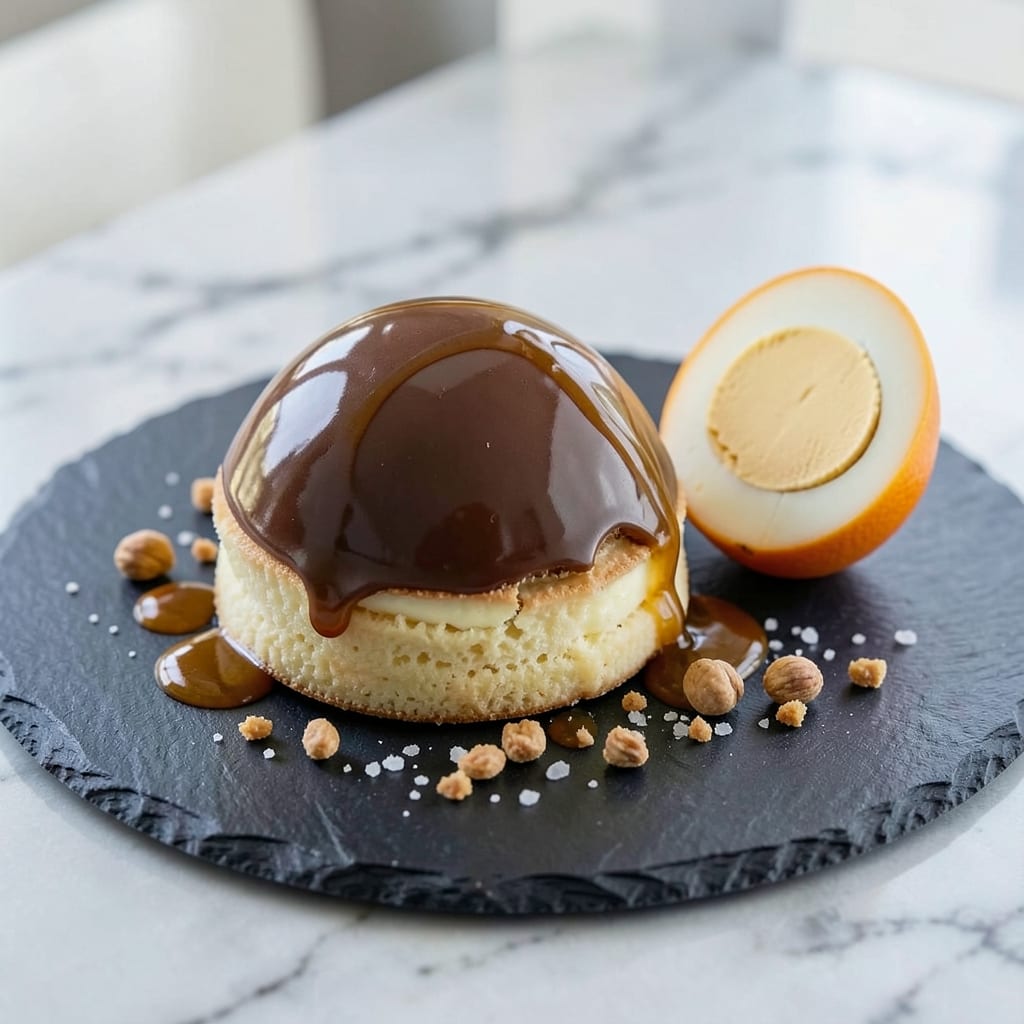
This crème egg fondant recipe delivers the perfect balance of silky chocolate shell and gooey custard center that's impossible to resist. 🌟 The secret lies in precise temperature control and careful layering—two techniques that transform simple ingredients into a restaurant-worthy dessert. I've perfected this version after countless test batches, ensuring the chocolate stays tender while the custard remains luxuriously smooth.
What sets this recipe apart is the dual-baking method: first creating a delicate chocolate fondant shell that's just firm enough to hold its shape, then carefully filling it with a velvety crème egg mixture that stays perfectly set. The result is a dessert that looks elegant enough for special occasions but comes together with straightforward techniques—no fancy equipment required.
Each bite offers a contrast of textures: the crisp outer shell gives way to a molten chocolate layer before revealing the creamy custard center. This delicate balance of flavors and textures makes it a showstopper for brunch gatherings or dessert menus. The recipe yields 6 individual portions, perfect for sharing or saving for later.
The key to success is patience—allowing each component to set properly ensures that first bite remains perfectly balanced. With just 10 ingredients and 30 minutes of active preparation time (plus cooling), you'll have a dessert that looks and tastes like it came from a patisserie. Let's get started on creating your own crème egg fondants.
Ingredients for creme egg fondant
Ten essential ingredients transform into six elegant crème egg fondants with perfect texture contrast.
| Ingredient | Amount | Notes |
|---|---|---|
| High-Quality Dark Chocolate 🍫 | 7 oz | 70% cocoa, chopped finely |
| Unsalted Butter 🧈 | ½ cup | European-style preferred |
| Granulated Sugar 🍚 | ½ cup | Superfine preferred for smoothness |
| Large Eggs 🥚 | 3 whole | Room temperature, separated |
| All-Purpose Flour 🌾 | ¼ cup | Sifted for light texture |
| Vanilla Extract 🌿 | 1 tsp | Pure Madagascar preferred |
| Pinch of Salt 🧂 | ¼ tsp | Fine sea salt |
| Whole Milk 🥛 | ¼ cup | Full-fat for creaminess |
| Cornstarch 🌽 | 1 tbsp | For custard stability |
| Powdered Sugar 🍚 | 2 tbsp | For dusting |
The chocolate makes all the difference here. Valrhona or Callebaut brands deliver the best melt and flavor consistency, but Ghirardelli 70% cocoa works perfectly for home kitchens. Chop it finely—a food processor or sharp knife ensures even melting. European-style butter adds richness to the fondant shell, while the superfine sugar prevents graininess. For the custard component, room-temperature eggs, which is critical for lightness. I always use Madagascar vanilla extract—it has a more complex aroma than imitation varieties.
No high-quality chocolate? Substitute with 60% dark chocolate plus 1 oz of cocoa powder for deeper flavor. Short on butter? Coconut oil works in a pinch, though the texture will be slightly denser. For the custard, almond milk replaces whole milk if needed, though the result will be less creamy. The cornstarch is non-negotiable—it prevents the custard from becoming grainy. If you can't find powdered sugar, blend granulated sugar in a blender for 30 seconds. For the fondant shell, unsweetened cocoa powder can replace 1 oz of chocolate if absolutely necessary, but the flavor will be less rich.
Store the fondant shells in an airtight container at room temperature for up to 2 days, or freeze for 1 month. The custard mixture keeps for 3 days refrigerated—reheat gently before filling. Once assembled, these fondants are best served immediately, but can be refrigerated for 4 hours before serving. For make-ahead convenience, prepare the fondant shells and custard separately, then assemble just before serving. The contrast of textures is at its peak when served at room temperature
Why You'll Love This Recipe
- No Mixer Needed: I swear by this recipe because it only calls for a bowl and a fork—no stand mixer, no food processor, just elbow grease. The butter and sugar get creamed together in minutes, and the eggs bind everything so smoothly, you’ll wonder why you ever did it the hard way.
- Rich Without Effort: That first bite of dark chocolate melting into a gooey fondant center? It’s like dessert and cake had a baby, and it’s ridiculously easy to achieve. The high-quality chocolate makes it taste indulgent, but the simple flour-butter ratio keeps it light—no heavy dough to fight.
- Double Duty Dessert: Between us, this recipe is my secret weapon for date night and lazy Sundays. Whip up a batch for a fancy dinner (dust with cocoa powder for drama) or serve it warm with ice cream when you’re too tired to bake. Same effort, two totally different vibes.
- Leftovers That Last: Honestly, I’ve never had fondant sit around my house for more than a day. But if you do? Pop them in the fridge, and they’ll stay fresh for days—perfect for when you forget to plan ahead. Even reheated, they’re still that perfect balance of crispy shell and molten center. (Yes, even on a Tuesday night.)
Step-by-step instructions for silky chocolate shell with gooey centers
Mastering this technique delivers perfect balance—crisp chocolate shells with molten centers every time.
🍳 Step 1: Melt Chocolate and Butter for Smooth Ganache
In a heatproof bowl set over a saucepan of simmering water, combine the 7 oz high-quality dark chocolate and 0.5 cup unsalted butter. Stir gently until the chocolate melts completely and the mixture reaches 110°F—just until it's smooth and glossy. Remove from heat immediately and let cool to 95°F while you prepare the custard base.
This precise temperature control prevents graininess in your fondant. If the mixture gets too hot, it will seize when combined with eggs later. I like to test the temperature with a candy thermometer for accuracy—this step makes all the difference in texture.
👨🍳 Step 2: Whisk Eggs and Sugar for Light Custard
In a separate bowl, whisk together the 3 whole large eggs, 0.5 cup granulated sugar, 1 tsp vanilla extract, 0.25 tsp pinch of salt, and 1 tbsp cornstarch until the mixture is pale, thickened, and ribbons form when the whisk is lifted. This should take about 3-4 minutes of vigorous whisking.
The custard should be smooth and slightly thicker than raw egg batter. If it's too thin, your fondants will be runny; if too thick, they'll be dense. I like to test by dropping a small amount into cold water—it should sink slowly rather than spread immediately.
🥘 Step 3: Combine Mixtures and Add Milk
Gradually pour the melted chocolate mixture into the egg custard while whisking constantly. The mixture will thicken noticeably. Then add the 0.25 cup whole milk and continue whisking until completely smooth and homogeneous. Strain through a fine-mesh sieve into a clean bowl to remove any lumps.
This combination creates the perfect balance of structure and gooeyness. The milk adds moisture while the cornstarch ensures stability. If you see any graininess at this stage, don't worry—it will smooth out as you pipe the fondants.
⏰ Step 4: Pipe and Chill for Perfect Texture
Transfer the mixture to a piping bag fitted with a ½-inch round tip. Pipe 1-inch tall mounds onto a parchment-lined baking sheet, spacing them 2 inches apart. Tap the sheet gently to level the tops, then chill in the refrigerator for 20 minutes. This initial chill prevents spreading during baking.
I find that tapping the sheet helps create uniform shapes. The fondants should hold their shape when tapped lightly—if they flatten too much, your batter might be too thin. This chilling step is crucial for maintaining the perfect balance between crisp shell and molten center.
🔥 Step 5: Bake to Golden Perfection
Preheat your oven to 350°F. Bake the fondants for 10-12 minutes until the edges are deep golden brown and the tops are set but still slightly soft to the touch. They should look beautifully glossy—this indicates proper baking without overcooking.
Don't overbake! The centers should remain warm and gooey when you remove them from the oven. For best results, bake one sheet at a time to maintain even heat distribution. Let them cool for 5 minutes before dusting with the 2 tbsp powdered sugar for that classic finish.
Pro Tips For Making Creme Egg Fondant
- Melt Chocolate Slowly: I learned this the hard way—dumping chopped chocolate into hot butter too fast creates lumps that ruin the creme. Use a double boiler or microwave in 20-second bursts, stirring between each, until it’s silky. If you’re impatient, strain it through a fine-mesh sieve afterward.
- Whisk Eggs Until Ribbon Stage: Cold eggs from the fridge won’t blend properly, and under-whisked yolks lead to dense fondants. Whisk them in a warm bowl (not hot) until the ribbon holds for 2 full seconds—no streaks, no lumps. Skip this, and your creme will taste flat and heavy.
- Chill the Dough 30 Minutes: This isn’t the prettiest method, but it’s the tastiest. After mixing, pop the dough in the fridge while you preheat the oven. The cold dough spreads less, rises better, and gives you that perfect crackly top instead of a sad, flat center.
- Use Room-Temp Butter: I was skeptical until I tried it—room-temperature butter emulsifies better with sugar, saving you from overmixing and tough fondants. Cut the butter into small cubes, let it sit for 30 minutes, then mix just until combined. Your creme will be lighter, and the texture will be buttery perfection.
Creative variations of this dish
Citrus-Inspired Twist
Brighten your crème egg fondants with a zesty twist by adding 1 tbsp lemon or orange zest to the custard mixture. The citrus cuts through the richness beautifully, adding a refreshing contrast. I like to pair this with a dusting of powdered sugar infused with 1 tsp lemon extract for an extra pop of flavor. Serve with a side of orange curd for dipping—it creates a perfect balance of sweet and tart. 🍊
Salted Caramel Filling
Swap the traditional custard filling for a decadent salted caramel center that takes this dessert to the next level. Prepare a classic salted caramel sauce (simmer 1 cup granulated sugar until amber, then add ½ cup heavy cream and 2 tbsp butter), cool it slightly, and pipe it into the fondant shells. Top with a sprinkle of flaky sea salt before baking. The contrast of the crisp chocolate shell with the gooey, salty-sweet caramel is pure magic. 🍯
Espresso Chocolate Shell
For coffee lovers, intensify the chocolate flavor by adding 1 tbsp instant espresso powder to the melted chocolate mixture. This deepens the cocoa notes and adds a subtle bitterness that pairs beautifully with the creamy custard. Serve with a dollop of vanilla ice cream or a dusting of cocoa powder for an elegant presentation. The espresso enhances the chocolate's complexity without overpowering it. ☕
White Chocolate Raspberry
Create a stunning visual contrast by using white chocolate (8 oz) instead of dark chocolate for the shell, and filling it with a raspberry custard. Melt the white chocolate with ½ cup heavy cream and combine it with the egg mixture. For the raspberry filling, blend ½ cup raspberry jam with 2 tbsp powdered sugar and 1 tbsp water until smooth, then strain. The vibrant pink color makes these fondants look like they belong in a patisserie window. 🍓
Spiced Chai Fondant
Add warmth to your dessert by infusing the custard with ½ tsp ground cinnamon, ¼ tsp ground cardamom, and a pinch of nutmeg. The spices complement the chocolate beautifully and create a cozy, aromatic experience. For an extra touch, sprinkle the tops with toasted coconut flakes before baking. This variation is perfect for fall gatherings or holiday menus. 🌿
Matcha Green Tea
For a sophisticated twist, replace the vanilla extract with 1 tsp matcha powder and use green tea-infused milk** (steep 1 green tea bag in ½ cup warm milk, then cool) in place of whole milk. The earthy notes of matcha pair surprisingly well with the chocolate, creating a unique and elegant flavor profile. Dust the tops with powdered sugar for a clean, minimalist look. 🍵
Nutrition facts
Frequently asked questions
Why does my fondant shell crack during baking?
The most common causes are overbaking or temperature fluctuations. Bake at 350°F for 10-12 minutes max—any longer and the shell becomes too dry. Also ensure your oven is fully preheated and avoid opening the door during baking. If cracks appear, try chilling the batter longer (30 minutes) before baking for better structure.
Can I make these fondants ahead of time?
The fondant shells can be baked and stored in an airtight container at room temperature for 2 days, or frozen for 1 month. For the custard filling, prepare it up to 3 days ahead and reheat gently before assembling. The key is to assemble and serve within 4 hours of filling to maintain the perfect texture contrast.
What's the secret to getting a perfectly gooey center?
Three things: precise baking time, proper chilling, and not overmixing the custard. Bake until edges are golden but centers are still warm (they'll set as they cool). Chill the batter 20 minutes before baking to prevent spreading, and whisk the egg mixture only until ribbons form—no need for stiff peaks. The cornstarch in the custard helps maintain that luxurious melt-in-your-mouth texture.
Can I substitute eggs in this recipe?
For dietary reasons, you can replace eggs with a flax egg substitute (1 tbsp ground flaxseed + 3 tbsp water per egg), but texture will differ. The eggs provide both structure and richness—without them, your fondants may be denser or less stable. If you must substitute, reduce the baking time by 1-2 minutes to prevent overcooking the outer shell.
How do I fix a fondant that's too runny?
If your custard is too thin, the issue is usually under-whisked eggs or too much milk. Whisk the egg mixture longer until it reaches ribbon consistency, or add ½ tsp more cornstarch to thicken. For runny shells, chill the batter 30 minutes before piping and reduce your oven temperature to 340°F to allow slower setting.