
Breakfast & Brunch
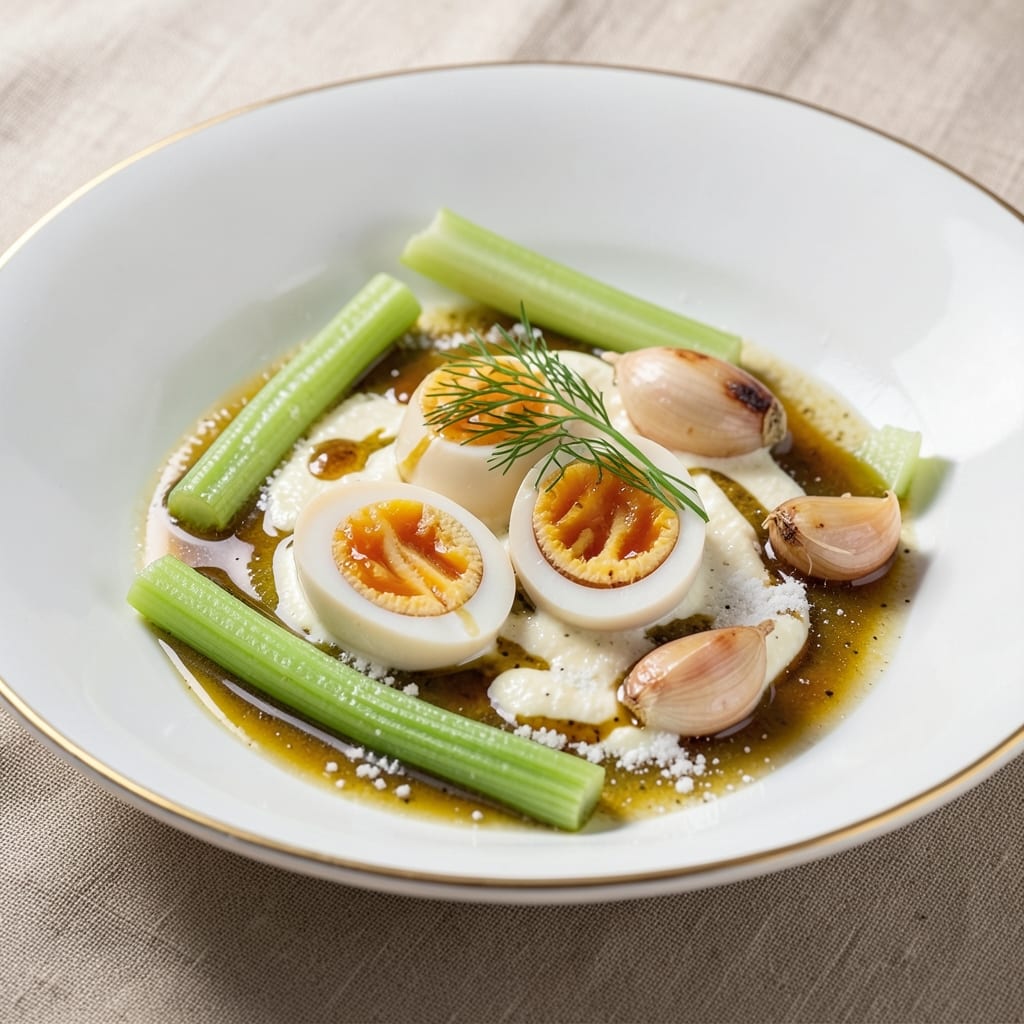
This creamy salted egg recipe transforms a classic Chinese ingredient into a luxurious breakfast dish that balances bold flavors with velvety texture. The secret lies in blending the egg's salty richness with a silky celery-infused custard, creating a harmony of tangy, creamy, and crunchy elements that elevate every bite. I developed this recipe after years of experimenting with salted egg dishes, finally nailing the perfect balance between the egg's intensity and the sauce's smoothness.
The foundation of this dish is a light yet rich sauce made with fresh celery, garlic, and a touch of soy sauce, which cuts through the saltiness while enhancing its depth. The custard base—thickened with a simple cornstarch slurry—ensures a luxuriously creamy consistency that coats each forkful. What makes this recipe stand out is how it transforms a simple ingredient into something restaurant-worthy, with layers of flavor that keep you reaching for more.
By the time you finish, you'll have a dish that's silky, tangy, and irresistibly creamy, with the crunch of fresh celery adding a refreshing contrast. The salted egg yolk, once a polarizing ingredient, becomes the star of this plate—a dish that's equal parts comforting and sophisticated. This recipe is perfect for brunch gatherings, weekend breakfasts, or even as an elegant appetizer that leaves a lasting impression.
Pair it with steamed rice or crusty bread to soak up every drop of that creamy, celery-kissed sauce, and watch as it becomes an instant crowd-pleaser. The beauty of this dish is its versatility—it's hearty enough for a main course but light enough for a starter. Let's get cooking!
Ingredients for creamy salted egg
Four salted yolks and celery's crisp crunch create this velvety, restaurant-worthy breakfast masterpiece.
| Ingredient | Amount | Notes |
|---|---|---|
| Salted Egg Yolks 🥚 | 4 whole | High-quality, peeled and separated |
| Fresh Celery Stalks 🧅 | 2 whole | Thinly sliced, including leaves |
| Garlic Cloves 🧄 | 4 cloves | Minced for aromatic depth |
| Extra-Virgin Olive Oil 🫒 | ½ cup | High-quality, fruity variety |
| Vegetable Stock 💧 | 1 ½ cups | Homemade or premium brand |
| Cornstarch 🌾 | 2 tbsp | For silky custard texture |
| Soy Sauce 🍶 | 2 tbsp | Light or dark, to taste |
| Rice Vinegar 🍶 | 1 tbsp | For subtle tanginess |
| Sesame Oil 🫒 | 1 tsp | Toasted for nutty aroma |
| White Sesame Seeds 🌰 | 1 tbsp | Toasted for garnish |
| Diamond Crystal Kosher Salt 🧂 | ½ tsp | For seasoning balance |
| White Peppercorns 🌶️ | ¼ tsp | Freshly ground for finish |
| Steamed Jasmine Rice 🍚 | 2 cups | For serving, cooked separately |
| Fresh Cilantro Leaves 🌿 | ¼ cup | Chopped for garnish |
The salted egg yolks are the heart of this dish—look for plump, firm yolks with minimal white, available in Asian markets or specialty stores like Whole Foods. The celery should be crisp and vibrant, not woody; Trader Joe's carries excellent organic bunches. For the vegetable stock, homemade is ideal, but Pacific Foods or Kitchen Basics brands deliver consistent quality. The cornstarch is non-negotiable for that signature silky texture; Bob's Red Mill is a reliable brand. Toast your sesame seeds in a dry pan for 30 seconds—this unlocks their nutty potential.
No fresh celery? Substitute with 1 cup thinly sliced fennel for a similar crunch, though the flavor profile shifts slightly. Running low on sesame oil? Toasted peanut oil works in a pinch, though the aroma will differ. The soy sauce can be swapped for tamari if gluten-free is required. For a deeper umami punch, add 1 tsp of mushroom powder to the sauce base. If you're using pre-minced garlic, toast it in oil first to remove moisture and enhance flavor. The rice vinegar should be seasoned—plain vinegar will make the dish taste harsh.
Store the salted egg yolks in the fridge for up to 3 days in an airtight container. The celery will last 5-7 days if wrapped in damp paper towels. The finished sauce keeps for 4 days in the refrigerator, though it tastes best within 2 days. For freezing, portion into ice cube trays—thaw in the fridge overnight for optimal texture. The steamed rice should be made fresh for serving, but you can par-cook and reheat to save time. Garnish with cilantro just before serving to preserve its freshness.
Why You'll Love This Recipe
- Five-Ingredient Magic: The pantry staples here? Already in my fridge. Celery and garlic take two minutes to chop—no fancy knife skills needed—and the salted egg yolks? Just whisk them into the simmering stock like you’re painting a masterpiece. That’s it.
- Umami Bomb: Here’s what sold me—the way the salted yolks melt into the stock, turning it into this rich, velvety sauce. The celery adds a crisp bite that cuts through the creaminess, while the garlic? Oh, it’s there, but it’s the olive oil that makes it sing—nutty and bright, like a secret handshake.
- Leftovers That Lie: Between us, this sauce is too good to stop at one serving. I make a double batch on Sundays, then drizzle it over noodles, stir it into rice, or even slather it on toast the next day. No one ever guesses it’s been reheated—until they ask, "Wait, you made this yesterday?"
- Budget Luxury: Salted eggs might sound fancy, but they’re my wallet’s best friend. A few yolks stretch into a whole pot of sauce, and the rest of the ingredients? Celery’s cheap, garlic’s a must-have, and olive oil lasts forever. It’s the kind of dish that feels indulgent without breaking the bank.
Step-by-step instructions for creamy salted egg with celery crunch
Transform simple ingredients into a velvety custard with bold umami and refreshing crunch.
Prepare the Celery Base for Maximum Flavor
Heat the 0.5 cup extra-virgin olive oil in a medium saucepan over medium heat until shimmering but not smoking. Add the 2 whole fresh celery stalks, sliced into ¼-inch pieces including leaves, and cook for 3-4 minutes until softened but not browned. This gentle cooking preserves their crisp texture while extracting their earthy sweetness.
Add the 4 cloves minced garlic cloves and continue cooking for 30 seconds until fragrant. Immediately remove from heat—garlic burns faster than you think. The celery should be tender enough to collapse slightly when pressed with a fork, but still retain some bite. This foundational step builds the dish's signature crunch while preventing a mushy final texture.
Create the Silky Salted Egg Custard
In a separate bowl, whisk together the 4 whole salted egg yolks with the 2 tbsp cornstarch until smooth and pale. This slurry is your thickening agent—cornstarch creates a glossy, velvety texture without graininess. Gradually whisk in the 1.5 cups vegetable stock until fully combined, then add the 2 tbsp soy sauce and 1 tbsp rice vinegar.
Return the pan with celery to medium-low heat and carefully pour in the yolk mixture, whisking constantly. The heat should gently cook the eggs without scrambling them. Let the mixture simmer for 3-4 minutes until it thickens enough to coat the back of a spoon. You're aiming for a consistency between pudding and heavy cream—thin enough to coat but thick enough to cling.
Finish with Umami and Nutty Depth
Remove the sauce from heat and stir in the 1 tsp sesame oil and 0.5 tsp diamond crystal kosher salt. The sesame oil adds a toasty aroma that complements the salted yolks' richness. Taste and adjust seasoning—you may need a touch more soy sauce for saltiness or rice vinegar for brightness. Freshly grind the 0.25 tsp white peppercorns directly into the sauce for a subtle, aromatic finish.
For the final texture contrast, add the 1 tbsp toasted white sesame seeds and 0.25 cup chopped fresh cilantro leaves. The sesame seeds should be lightly toasted in a dry pan until fragrant before adding. The cilantro adds freshness that cuts through the richness while keeping the dish vibrant. Let the sauce rest for 2 minutes—this allows flavors to meld and the texture to set slightly.
Serve Over Jasmine Rice for Perfect Balance
Divide the 2 cups steamed jasmine rice evenly among serving bowls. Ladle the warm salted egg sauce over the rice, allowing it to cascade gently. The rice should be hot but not steaming—this prevents the sauce from breaking. Garnish each serving with an additional sprinkle of sesame seeds and cilantro for visual appeal and extra texture contrast.
Serve immediately while the sauce is still velvety. Each bite should deliver the creamy salted egg custard's richness, the celery's refreshing crunch, and the sesame's nutty finish. The rice acts as a neutral canvas that lets the sauce's complex flavors shine. For best results, prepare the sauce just before serving to maintain its silky texture and vibrant colors.
Pro Tips For Making Creamy Salted Egg
- Whisk the Yolks Cold: Salted egg yolks are stubborn when warm—whisk them straight from the fridge with a splash of stock (about 2 tablespoons) to break them down smoothly. I used to force it at room temp and ended up with lumps every time.
- Slice Celery Thinly: Cut celery into paper-thin half-moons so it softens fast but still holds texture. Thick slices turn mushy and dull the dish—no one wants a sad, waterlogged crunch.
- Sweat Garlic Low: Cook garlic in olive oil on low heat until just fragrant, not browned. Burnt garlic overpowers the creamy yolk flavor and tastes bitter—like someone microwaved garlic cloves.
- Simmer, Don’t Boil: Keep the stock at a gentle simmer (tiny bubbles, not rolling) to avoid scrambling the yolks. I learned this after one disastrous batch where the sauce curdled—now I watch like a hawk.
Common mistakes when making this dish
Overcooking Celery
Celery loses its signature crunch when cooked too long—3-4 minutes max at medium heat is ideal. I’ve seen home cooks let it sit too long, turning it mushy and dulling the dish’s texture. To prevent this, keep a close eye on the pan and remove the celery as soon as it softens slightly but still holds its shape. 🧅
Underestimating Saltiness
The salted egg yolks pack a salty punch, so taste as you go and adjust the sauce gradually. I’ve ruined batches by assuming the soy sauce alone would balance the flavor. Start with 1 tbsp soy sauce, then add more in ½-tsp increments until the saltiness feels harmonious. Rice vinegar helps brighten the dish without overpowering.
Skipping the Resting Time
Rushing to serve the sauce immediately can make it grainy or unevenly thick. Let it rest for 2 minutes after removing from heat—this allows the cornstarch to fully set and flavors to meld. I’ve learned this the hard way: impatiently serving too soon leads to a less luxurious texture. Patience here makes all the difference. ⏳
Ignoring the Cornstarch Slurry
Whisking the cornstarch directly into the hot liquid causes lumpy custard. Always mix it with the egg yolks first to create a smooth slurry. I’ve seen cooks skip this step, resulting in a texture more like scrambled eggs than velvety sauce. For a foolproof method, whisk the cornstarch into the yolks until completely dissolved before adding liquid.
Overheating the Sauce
Cooking the sauce on high heat risks scrambling the eggs and breaking the custard. Maintain medium-low heat and stir constantly to prevent curdling. I’ve had to start over when the sauce separated—this gentle heat is key to achieving that restaurant-quality silkiness. A thermometer helps; aim for 180-190°F for perfect consistency. 🌡️
Using Low-Quality Salted Eggs
Not all salted eggs are created equal—cheap or poorly preserved yolks can be grainy or overly salty. Invest in high-quality ones, like those from Whole Foods or Asian markets, where the yolks are plump and firm. I’ve tried budget brands that turned my sauce into a salty, rubbery mess. Freshness matters more than you’d think!
Nutrition facts
Frequently asked questions
Can I substitute regular eggs for salted eggs in this recipe?
No, salted eggs are essential for that signature salty, umami-rich flavor. However, if you can't find them, try using 4 hard-boiled egg yolks mixed with 1 tsp soy sauce + ½ tsp salt** to mimic the saltiness. The texture will differ slightly, but it'll work in a pinch for a similar creamy base.
How do I store leftovers to maintain the creamy texture?
Store the cooled sauce in an airtight container in the fridge for up to 4 days. To reheat, warm gently on low heat while stirring constantly—never microwave directly, as it can make the sauce grainy. For best results, reheat only what you need and add a splash of vegetable stock to restore creaminess.
What's the best way to adjust this for a vegetarian/vegan version?
Replace salted eggs with 4 tbsp vegan butter + 2 tbsp nutritional yeast for umami depth. Use cornstarch-thickened coconut milk instead of stock, and add 1 tsp miso paste for saltiness. The celery and sesame elements remain perfect for texture contrast!
Can I make this sauce ahead for a brunch spread?
Prepare the sauce up to 1 day ahead and store it in the fridge. Reheat gently before serving—this dish actually tastes better the next day as flavors meld. For brunch, assemble the final plates just before guests arrive to keep the celery crisp and sauce velvety.
Why did my sauce turn out too thick/thin?
Too thick? Add 1 tbsp warm stock while stirring. Too thin? Mix 1 tsp cornstarch with 1 tbsp water, cook for 1 minute, then stir into the sauce. The key is medium-low heat—high heat causes rapid thickening. Always taste as you go!