
Breakfast & Brunch
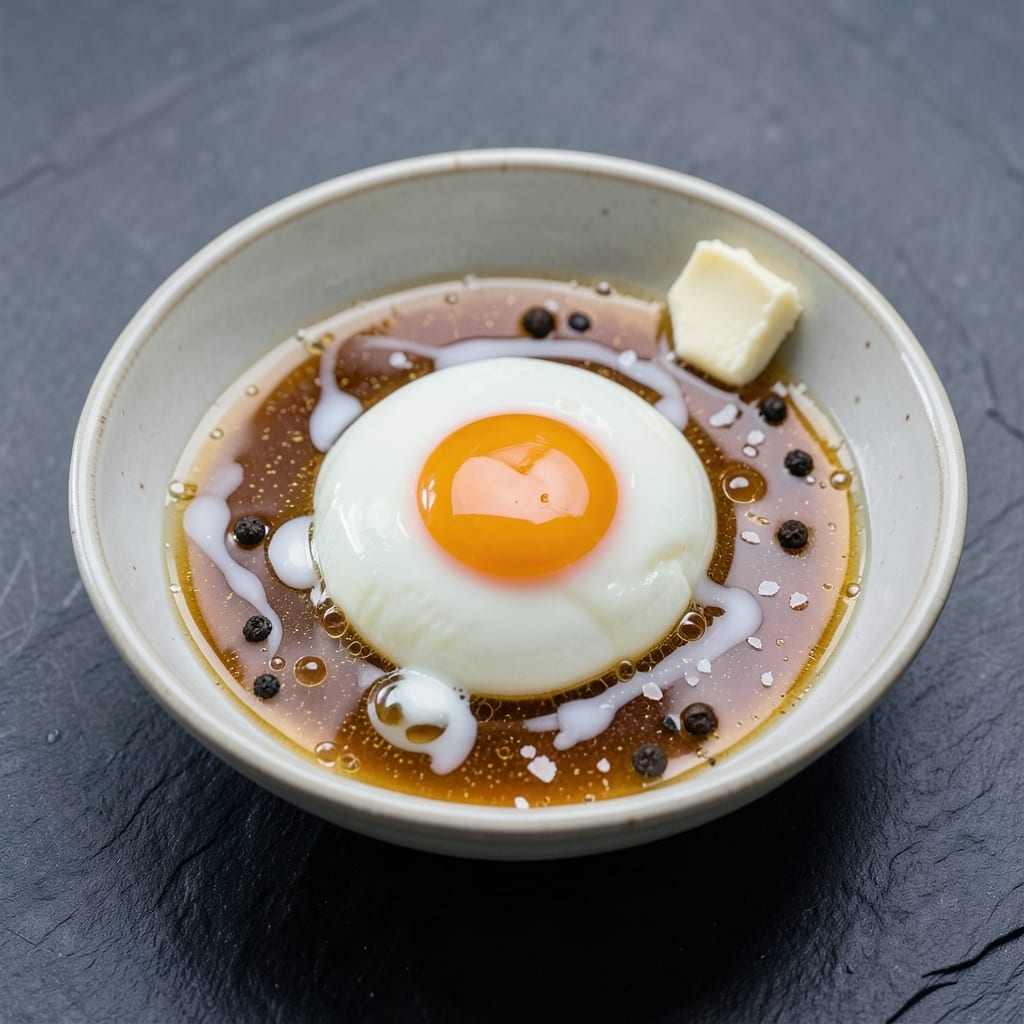
This coddled eggs recipe UK delivers the perfect balance of silky yolk and tender white—just like your grandmother used to make. The technique is deceptively simple: gently simmering eggs in flavorful broth until the whites set while keeping the yolk runny. It's a classic British breakfast that feels both nostalgic and utterly satisfying.
The beauty of this method lies in its simplicity—no fancy equipment needed, just a saucepan, broth, and a little patience. Whether you use chicken stock for depth or plain water with a splash of vinegar, the result is always the same: eggs with a velvety texture that melts on your tongue. The key is maintaining a gentle simmer, never a boil, to prevent the whites from turning rubbery.
What makes coddled eggs truly special is their versatility. Serve them with buttered toast soldiers for dipping, or pair with avocado slices for a more modern twist. The silky yolk is rich and luxurious, while the tender white provides just enough structure to hold the broth. It’s the kind of breakfast that feels indulgent yet effortless.
This recipe is perfect for weekend brunches, lazy mornings, or even a light lunch. The historical roots of coddled eggs make them a comforting choice, while the technique itself is foolproof—ideal for both beginners and seasoned cooks. Let’s get started on creating this timeless British classic.
Ingredients for coddled egg recipe uk
Four eggs, a few simple ingredients, and the patience to simmer gently. This classic British breakfast becomes a luxurious morning treat.
| Ingredient | Amount | Notes |
|---|---|---|
| Large Eggs 🥚 | 4 whole | Freshly laid preferred for best results |
| Chicken Stock 🍲 | 4 cups | Homemade or high-quality store-bought |
| White Vinegar 🍶 | 1 tbsp | For gentle simmering |
| Salt 🧂 | ½ tsp | Kosher or sea salt preferred |
| Black Pepper 🌶️ | ¼ tsp | Freshly ground for best flavor |
| Unsalted Butter 🧈 | 2 tbsp | For topping and toast soldiers |
| Sourdough Bread 🍞 | 4 slices | Crust removed for dipping |
| Fresh Avocado 🥑 | ½ whole | Sliced for modern pairing |
| Lemon Juice 🍋 | 1 tsp | Freshly squeezed for brightness |
| Fresh Chives 🌿 | 2 tbsp | Chopped for garnish |
| Olive Oil 🫒 | 1 tbsp | For drizzling on avocado |
The eggs are the star, so freshness matters. Look for eggs with bright orange yolks and firm whites—free-range or organic if possible. For the broth, homemade chicken stock gives the deepest flavor, but a quality store-bought version like Kallo or Crosse & Blackwell works beautifully. The vinegar isn't for taste—it lowers the simmering temperature just enough to keep those whites tender. I always buy distilled white vinegar from the baking aisle for consistency. If you're short on time, even plain water with a splash of vinegar will work, though the flavor will be more neutral.
No chicken stock? Vegetable stock makes a fine substitute, though the flavor profile shifts slightly. Running out of vinegar? A pinch of lemon zest in the broth can mimic its effect. For the bread, any sturdy white or sourdough works—just toast it until crisp. The avocado is optional but adds a modern twist; Hass varieties are best for their creamy texture. Fresh chives can be swapped for parsley or dill if you prefer, though chives have that delicate oniony note that pairs perfectly. And if you're feeling indulgent, a drizzle of truffle oil on the eggs adds a gourmet touch without overpowering.
Eggs keep best in the fridge for 3 weeks if stored pointy-end down, but for coddling, use them within 1 week of purchase for peak freshness. The stock can be made ahead and stored in the freezer for up to 3 months, but thaw it overnight before using. Toast the bread just before serving to keep it crisp—microwave reheating ruins the texture. Once coddled, the eggs stay fresh in the fridge for 2 days, though they're best enjoyed immediately. The avocado should be sliced just before serving to prevent browning, and a squeeze of lemon juice keeps it vibrant longer.
Why You'll Love This Recipe
- Five-Minute Setup: I swear by this trick—just crack eggs into simmering stock, add a splash of vinegar, and let them do the work. No fussy whisking, no cracking mishaps, just pure, hands-off magic while you stir the stock.
- Silky Center, Crispy Edge: That vinegar twist? It’s the secret—keeps the whites tender while the yolks stay molten and the edges develop a delicate crust. Honestly, it’s the kind of egg that makes you pause mid-bite, just to savor it.
- Brunch or Lunch: Serve it in a mug for a quick breakfast, nestle it into toast with soldiers, or pile it onto buttered sourdough for a proper Sunday lunch. It’s equally at home in a café or on my kitchen table with a side of crusty bread.
- Zero Waste, Maximum Value: A single egg and a cup of stock stretch to four perfect eggs, and leftovers reheat beautifully—just pop them back in the simmering stock. My wallet (and my lunchbox) thank me every time.
Step-by-step instructions for coddled eggs with avocado sourdough
Master this delicate technique for eggs with silky, runny yolks every time.
Prepare the Simmering Bath
In a small saucepan, combine the 4 cups chicken stock and 1 tablespoon white vinegar. Place over medium-low heat until it reaches a gentle simmer—just small bubbles breaking the surface, not a rolling boil. The vinegar lowers the cooking temperature and prevents the whites from tightening.
Add the ½ teaspoon salt and ¼ teaspoon black pepper to the stock. Stir gently to dissolve completely. Keep the heat at this precise level—too high and the eggs will cook too quickly, too low and they won't set properly. You're aiming for a temperature where steam rises steadily but the liquid doesn't bubble vigorously.
Crack and Coddle the Eggs
Using a small bowl, carefully crack the 4 whole large eggs into it—this prevents shell fragments from falling into your stock. Gently stir the eggs with a fork to remove any loose whites from the shells. Once clean, carefully pour each egg into the simmering stock, spacing them evenly.
Let the eggs cook undisturbed for 3 to 4 minutes. You'll know they're ready when the whites are just set but still translucent around the edges, and the yolks remain completely liquid. The key is timing—if you see the whites start to turn opaque all the way through, they've overcooked. Remove the pan from heat immediately once they reach this stage.
Toast the Sourdough and Prepare Avocado
While the eggs cook, remove the crusts from the 4 slices sourdough bread using a serrated knife. Brush both sides lightly with 1 tablespoon olive oil—just enough to coat without making them soggy. Toast in a dry skillet over medium heat for 1 to 2 minutes per side until golden brown and crisp.
Slice the ½ whole fresh avocado lengthwise, remove the pit, and scoop out the flesh with a spoon. Transfer to a bowl and gently mash with a fork. Add the 1 teaspoon lemon juice and mix well to prevent browning. The acidity brightens the avocado's flavor and balances the richness of the eggs.
Assemble and Serve Immediately
Using a slotted spoon, carefully transfer the coddled eggs to individual plates. Spoon the mashed avocado alongside each egg. Melt the 2 tablespoons unsalted butter in the same skillet used for toasting (no need to clean it) until it foams slightly. Drizzle this butter generously over the eggs and avocado.
Place the toasted sourdough slices on the side for dipping. Garnish each serving with 2 tablespoons chopped fresh chives, adding a fresh, oniony brightness that cuts through the richness. Serve immediately while the yolks remain liquid—this dish loses its magic if left to sit. The contrast of creamy yolk, buttery toast, and zesty avocado makes every bite perfect.
Pro Tips For Making Coddled Egg Recipe Uk
- USE FRESH STOCK: That sad, flavourless stock from a jar? Skip it. Simmer chicken bones with a bay leaf, peppercorns, and a splash of vinegar for 30 minutes—it’s the only way to get depth. I learned this after making coddled eggs taste like watered-down soup.
- CRACK EGGS GENTLY: No shattering shells into your pot. Tap the egg firmly on the edge of a bowl first, then slide it into the stock—no flipping. I used to rush this and ended up with egg bits floating like confetti.
- KEEP HEAT LOW: A rolling boil will scramble your eggs before they’re ready. Start on medium, then drop to the lowest simmer—just enough to see tiny bubbles breaking the surface. My first attempt turned into eggy porridge because I ignored this.
- SALT THE STOCK FIRST: Season the stock before adding the eggs—it makes a real difference. Use 1 tsp salt per litre, plus a pinch of pepper. I used to salt after and wondered why the eggs tasted bland. (Yes, even if you’re impatient like me.)
Regional styles of this dish
Classic British Pub Style
This version keeps it simple and true to British pub traditions—just eggs, stock, and toast soldiers. Use strong chicken stock (homemade or Kallo brand) and simmer the eggs for 3-4 minutes until the whites are set but yolks remain runny. Serve with crustless white bread soldiers dipped in the warm broth for a nostalgic touch. The vinegar is key here—it prevents the whites from tightening too quickly, giving you that signature velvety texture. 🥚
Modern Avocado Twist
For a brunch-worthy update, pair coddled eggs with mashed avocado and a drizzle of lemon juice to balance the richness. The Hass avocado works best—its creamy texture contrasts perfectly with the silky yolk. Toast sourdough bread until crisp and serve with truffle oil for an elevated touch. This version is popular in London cafés and keeps the dish fresh while staying true to the coddling technique.
Scottish Smoked Salmon
In Scotland, coddled eggs are often elevated with smoked salmon and a dollop of crème fraîche. After coddling the eggs, top them with thinly sliced Scottish smoked salmon and a spoonful of crème fraîche for a creamy, smoky finish. Garnish with fresh dill instead of chives for a Nordic twist. The salmon adds a luxurious touch while keeping the dish light and flavorful. 🍣
Cornish Clotted Cream
For a truly Cornish experience, serve coddled eggs with clotted cream and strawberry jam. The cream’s thickness complements the runny yolk beautifully, while the jam adds a sweet contrast. This version is a weekend brunch staple in Cornwall, where clotted cream is a local specialty. Use double cream if clotted cream isn’t available—simmer it gently to thicken it slightly.
Irish Cream Variation
In Ireland, coddled eggs are often paired with Irish cream (like Baileys) and a sprinkle of sea salt. After coddling, drizzle a small amount of Baileys over the eggs and garnish with flaky sea salt for a sophisticated finish. This version is perfect for a cozy morning treat and adds a hint of indulgence without overpowering the eggs. The salt cuts through the sweetness beautifully. 🍫
Nutrition facts
Frequently asked questions
Why do coddled eggs have runny yolks but set whites?
The gentle simmering technique is key—eggs cook at 160-165°F in broth, where whites firm up but yolks stay liquid. The vinegar lowers the cooking temperature, preventing whites from overcooking while yolks remain silky. This delicate balance takes 3-4 minutes of precise timing!
Can I use water instead of stock?
Yes! For a neutral flavor, use 4 cups water with 1 tbsp vinegar—the vinegar prevents whites from tightening too quickly. For extra flavor, add a pinch of salt or a bay leaf. Stock adds depth, but water works perfectly for a simpler version.
What if my eggs overcook?
Overcooked eggs have fully set yolks. If this happens, remove them immediately and serve with extra butter or avocado to mask the texture. To prevent it, keep heat at a gentle simmer (small bubbles) and never a boil. Fresh eggs are less likely to overcook than older ones.
How do I make toast soldiers for dipping?
Use crustless white or sourdough bread, cut into 1-inch strips. Toast in a dry skillet over medium heat for 1-2 minutes per side until golden and crisp. Brush with melted butter before serving for extra flavor. The soldiers should be sturdy enough to hold up to the runny yolk!
Can I make coddled eggs ahead?
Coddled eggs are best served immediately, but you can prepare the broth and toast soldiers ahead. Reheat the broth gently (low heat) and coddle fresh eggs for 2-3 minutes when ready to serve. The yolks will firm up slightly if left sitting, so always cook fresh for the perfect texture.