
Breakfast & Brunch
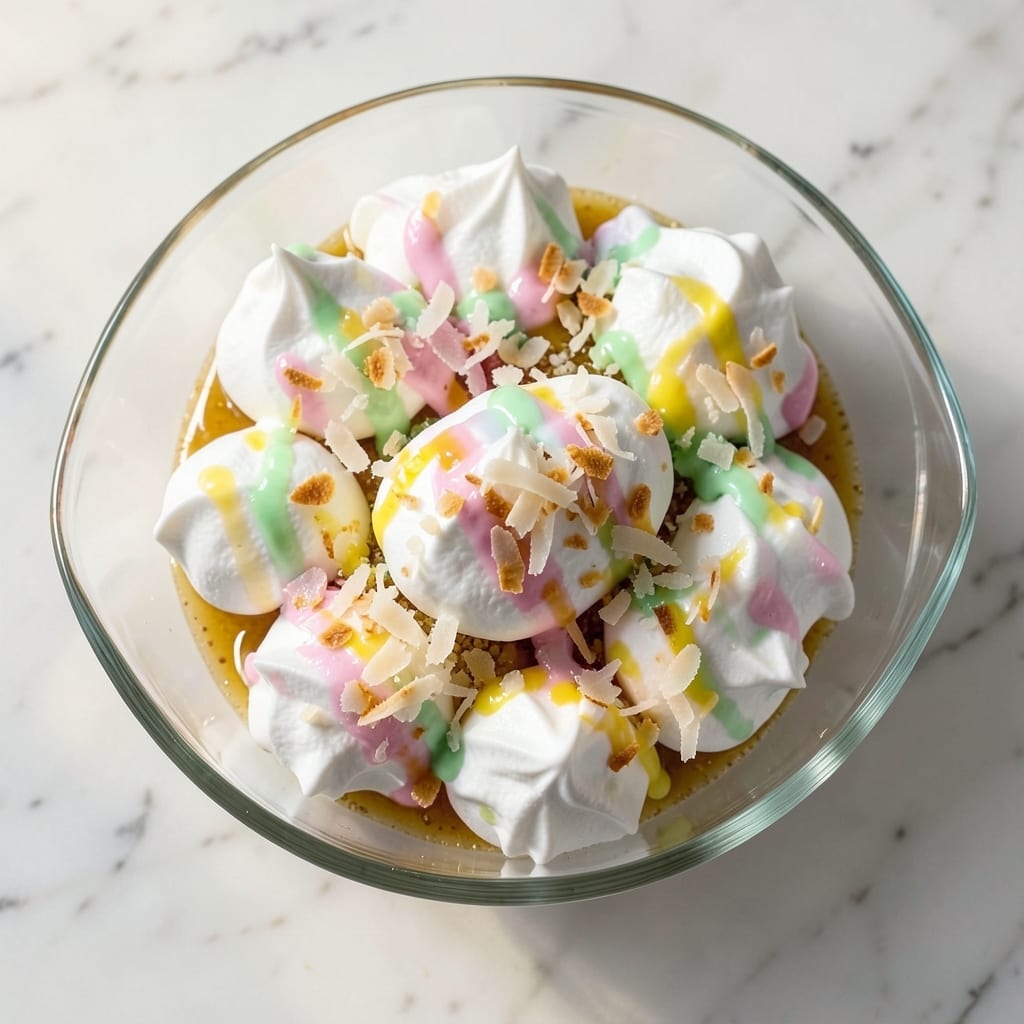
This coconut Easter egg candy recipe transforms simple ingredients into elegant, tropical-inspired treats perfect for spring celebrations. The delicate crunch of toasted coconut flakes combined with meringue creates a delicate yet sturdy candy shell, ideal for Easter egg decorating. What makes these candies special is their ability to hold vibrant colors while maintaining a light, airy texture that melts in your mouth.
The process begins with toasted coconut flakes and egg whites whipped into stiff peaks, then carefully shaped into egg forms before baking. The key to success lies in precise temperature control during baking to achieve that perfect golden hue without browning. Once cooled, these edible canvases can be painted with food coloring for a festive Easter look or rolled in colorful sprinkles for added texture.
What you'll end up with are elegant coconut Easter egg candies that combine the tropical flavors of coconut with the classic appeal of decorated Easter eggs. These treats are not only visually stunning but also surprisingly sturdy, making them perfect for gift-giving or decorating your spring table. The recipe yields about 24 candies, enough to fill a basket or create a beautiful centerpiece.
These candies store beautifully in an airtight container for up to two weeks, allowing you to prepare them ahead of time for Easter gatherings. Whether you're looking to add a tropical twist to traditional Easter decorations or simply want to create beautiful edible treats, this recipe delivers both visual appeal and delicious flavor. Let's get started on creating these festive coconut Easter egg candies!
Ingredients for coconut easter egg candy
Tropical crunch meets spring celebration—just 12 ingredients for 24 stunning coconut Easter eggs.
| Ingredient | Amount | Notes |
|---|---|---|
| Large Egg Whites 🥚 | 6 whole | Room temperature for best volume |
| Unsweetened Shredded Coconut 🥥 | 3 cups | Toasted until golden brown |
| Granulated Sugar 🍚 | 1 ½ cups | Superfine preferred for smooth texture |
| Light Corn Syrup 🍯 | ½ cup | For stable meringue structure |
| Vanilla Extract 🌿 | 1 tsp | Pure vanilla for authentic flavor |
| Food Coloring 🎨 | 1 tsp | Gel or liquid, vibrant colors |
| Colorful Sprinkles 🍬 | 1 cup | Assorted for festive decoration |
| Powdered Sugar 🍚 | ¼ cup | For dusting finished candies |
| Lemon Juice 🍋 | ½ tsp | Fresh for bright flavor |
| Aluminum Baking Pan 🍳 | 1 whole | 9x13-inch for shaping eggs |
| Parchment Paper 📄 | 1 sheet | For easy release |
| Pastry Brush 🎨 | 1 whole | For egg white application |
The coconut is the star here, so toast it until golden brown—that rich, nutty aroma makes all the difference. Trader Joe's has the best unsweetened shredded coconut, but any brand works as long as it's fresh. For the egg whites, room temperature is key—they whip up fluffier and hold their shape better. I always grab extra vanilla extract because that subtle floral note ties everything together. The baking pan matters too—aluminum conducts heat evenly, which prevents those stubborn brown spots. Pro tip: line your pan with parchment paper before shaping the eggs for easy release later.
No food coloring? Natural dyes work too—turmeric for yellow, beet juice for pink, or activated charcoal for black. Running short on sprinkles? Crushed freeze-dried fruit adds a fruity twist. The corn syrup might seem like an odd addition, but it's what keeps those meringue shells from cracking during baking. If you're feeling fancy, add a pinch of cream of tartar to your egg whites—it stabilizes the meringue even more. And if you're making these ahead? Freeze the unbaked egg shapes for up to a week—they'll thaw perfectly fine before baking.
Once baked, these candies need to cool completely before decorating—at least 2 hours. Store them in an airtight container with a piece of bread to absorb moisture, and they'll keep for up to 2 weeks. The powdered sugar dusting isn't just for looks—it adds a delicate crunch that makes them even more special. For gift-giving, wrap individual candies in cellophane with a ribbon—they make stunning centerpieces that double as edible treats. And if you're feeling extra festive, add a tiny chocolate Easter grass stem to each one!
Why You'll Love This Recipe
- No Fuss, No Mess: I swear, this recipe is the kind of thing you’ll make when you’re too tired to measure precisely—just whip the egg whites until they’re fluffy, fold in the coconut, and let the sugar do its magic. The corn syrup keeps it from drying out, so even if you’re not a baking pro, it’ll turn out chewy and perfect every time.
- Tropical Crunch Magic: That first bite? Pure coconut euphoria. The shredded coconut stays crispy on the outside while the meringue inside melts into a vanilla-kissed cloud—like a mini dessert hug. Honestly, I’ve made it for years, and my kids still beg for seconds.
- Easter Table Star: These little treats are made for Easter baskets, but I’ve also used them as toppers for ice cream, stirred into yogurt, or even crushed over oatmeal. (Yes, even on a Tuesday morning.) They’re small enough to pack in lunchboxes too—my son’s teacher actually asked for the recipe.
- Pantry Staple Power: You’re probably already stocked for this—egg whites, sugar, and coconut are basics, and a tiny splash of corn syrup stretches the sweetness. I’ve made a full batch for under $3, and the leftovers? They last a week in an airtight container, or you can freeze them for months. Zero waste, all win.
Step-by-step instructions for coconut Easter egg candy
Transform simple ingredients into vibrant, tropical-inspired Easter treats with this foolproof method.
Whip Egg Whites to Stiff Peaks
Start by separating the 6 whole Large Egg Whites from the yolks, ensuring no fat touches the whites—this prevents them from whipping properly. In a clean, grease-free bowl, beat the egg whites on high speed until soft peaks form. Gradually add the 1.5 cups Granulated Sugar and 0.5 cup Light Corn Syrup, one tablespoon at a time, while continuing to beat.
Increase the speed to high and whip for 5-7 minutes until the mixture forms glossy, stiff peaks that hold their shape when the whisk is lifted. The meringue should look thick, smooth, and hold its form without collapsing. This step is crucial—under-whipped meringue won't hold the coconut mixture, and over-whipped meringue can become grainy.
Fold in Coconut and Flavorings
Gently fold in the 3 cups Unsweetened Shredded Coconut using a spatula, working just until combined. Be careful not to deflate the meringue. Add the 1 tsp Vanilla Extract, 0.5 tsp Lemon Juice, and 1 tsp Food Coloring, mixing until evenly distributed. The dough should be thick, pliable, and hold its shape when pressed between fingers.
If the mixture feels too dry, add a splash of water (no more than 1 tablespoon) to help bind it. The coconut should be evenly distributed throughout, giving your eggs a consistent texture and flavor. This is where the tropical twist comes to life—don't skip the lemon juice, as it brightens the coconut flavor and adds a subtle tang.
Shape and Color the Eggs
Line the 9x13-inch Aluminum Baking Pan with parchment paper and lightly grease it with a pastry brush. Divide the coconut mixture into 4 portions and tint each with a different color using the remaining food coloring. Work quickly to avoid overworking the dough.
Using your hands, shape each portion into 6 small egg shapes (about 2 inches long) and place them on the prepared pan, spacing them 1 inch apart. Press down gently to ensure they hold their shape during baking. The vibrant colors will make these candies look festive and irresistible—perfect for Easter celebrations.
Bake Until Golden and Crisp
Preheat your oven to 300°F. Bake the coconut eggs for 20-25 minutes, rotating the pan halfway through, until the edges are golden brown and the centers feel firm to the touch. The candies should hold their shape without sticking to the pan.
Remove the pan from the oven and let the eggs cool on the pan for 10 minutes before transferring them to a wire rack. While still warm, roll each egg in the 1 cup Colorful Sprinkles for an extra festive touch. The sprinkles will adhere best when the eggs are slightly warm.
Dust and Serve
Once completely cool, dust the coconut eggs generously with the 0.25 cup Powdered Sugar using a fine-mesh sieve. This gives them a professional finish and adds a delicate sweetness. Store them in an airtight container at room temperature for up to 2 weeks, though they're sure to disappear quickly!
These candies are perfect for Easter baskets, gifts, or as a colorful centerpiece for your holiday table. The combination of crispy coconut, sweet meringue, and vibrant colors makes them a standout treat that’s both fun to make and eat.
Pro Tips For Making Coconut Easter Egg Candy
- Whip Egg Whites Cold: Grab that bowl of egg whites straight from the fridge—room temperature makes them stubborn. I used to struggle with stiff peaks every time, then realized cold whites whip faster and hold shape better. No need to wait; just crack and go.
- Toast Coconut First: Spread shredded coconut on a baking sheet and toast at 325°F for 8–10 minutes until golden. Skipping this step means bland, clumpy candy that sticks together like wet sand. Trust me, the extra 10 minutes makes all the difference.
- Don’t Rush the Syrup: Heat sugar and corn syrup to a gentle simmer—no boiling yet. If you rush, the mixture will crystallize or turn grainy when you add the egg whites. A slow, steady simmer keeps it smooth and glossy.
- Shape While Warm: Roll the coconut mixture into eggs immediately after mixing—before it cools and hardens. I learned this after watching my first batch turn into crumbly balls. Work fast, keep your hands slightly damp, and don’t overpack the centers.
Creative variations of this recipe
Tropical Fruit Fusion
Swap the plain coconut for a mango-coconut blend by blending 1 cup fresh mango puree with the 3 cups unsweetened shredded coconut before folding it into the meringue. The natural sweetness of mango reduces the need for extra sugar, and the vibrant color adds a stunning tropical twist. For extra flair, add ½ tsp lime zest to the mixture—it brightens the flavor and pairs beautifully with the coconut. 🌴
Chocolate-Dipped Eggs
After baking and cooling, melt ½ cup dark chocolate (I love Ghirardelli 72% for its rich flavor) and dip the bottom half of each coconut egg in the chocolate. Let it set on parchment paper before dusting with powdered sugar. This creates a decadent contrast between the crisp coconut and smooth chocolate. For a festive touch, add crushed peppermint or sprinkles to the melted chocolate before dipping. 🍫
Spiced Cinnamon Version
Infuse the coconut mixture with warmth by adding 1 tsp ground cinnamon and ½ tsp cardamom when folding in the coconut. The spices complement the coconut beautifully and give the candies a cozy, autumnal vibe—perfect for spring brunch tables. For extra depth, brush the baked eggs with a simple egg wash (1 egg white + 1 tbsp water) before sprinkling with coarse sugar for a caramelized finish. ✨
Nutty Crunch Add-Ins
For texture lovers, fold in ½ cup finely chopped toasted pecans or almonds along with the coconut. The nuts add a satisfying crunch that balances the soft meringue. Toast the nuts in a dry pan over medium heat for 3-4 minutes until fragrant, then chop them finely. This works especially well with the chocolate-dipped version, creating a luxurious texture contrast. 🌰
Vegan Adaptation
Make this recipe vegan-friendly by replacing the egg whites with 6 tbsp aquafaba (chickpea brine) whipped to stiff peaks. Use agave syrup instead of corn syrup and ensure your coconut is unsweetened. The texture will be slightly lighter but still holds its shape beautifully. For color, use natural food dyes like turmeric or beet juice. This version is just as festive and perfect for guests with dietary restrictions. 🌱
Mini Egg Garnishes
For a whimsical touch, use a piping bag with a small round tip to add tiny edible glitter or white chocolate drizzles to the tops of the eggs after baking. You can also pipe royal icing in simple patterns like dots or stripes for a professional finish. These details make the candies look like they came from a specialty shop—ideal for gift-giving or centerpieces. 🎨
Nutrition facts
Frequently asked questions
Can I make these coconut Easter eggs without an aluminum baking pan?
Yes! Use a glass or ceramic baking dish instead, but line it with parchment paper to prevent sticking. If you don't have a 9x13-inch pan, a round cake pan works too—just shape the eggs slightly smaller to fit. The key is ensuring even heat distribution for consistent baking.
Why did my coconut eggs turn out too soft?
This usually happens when the meringue wasn't whipped to stiff peaks or the oven temperature wasn't hot enough. Make sure your egg whites are glossy and hold their shape before adding coconut, and always preheat the oven to 300°F. For extra firmness, add ½ tsp cream of tartar to the egg whites before whipping.
How can I store these candies for longer than 2 weeks?
For extended storage, place the candies in an airtight container with a damp paper towel to prevent dryness. They'll stay fresh for up to 1 month at room temperature. For even longer, freeze them (uncoated) for 2 months
Can I make these candies without food coloring?
Use natural dyes like turmeric (yellow), beet juice (pink), or activated charcoal (black). For green, blend spinach + lemon juice. Just remember natural dyes may be less vibrant than artificial ones. The tropical coconut flavor still shines through!
What's the best way to transport these candies for gifting?
Wrap each candy individually in cellophane bags with a twist tie, then place in a gift box with tissue paper. For extra protection, add a thin layer of parchment paper between layers. Store in a cool, dry place until ready to give—these look as good as they taste!