
Breakfast & Brunch
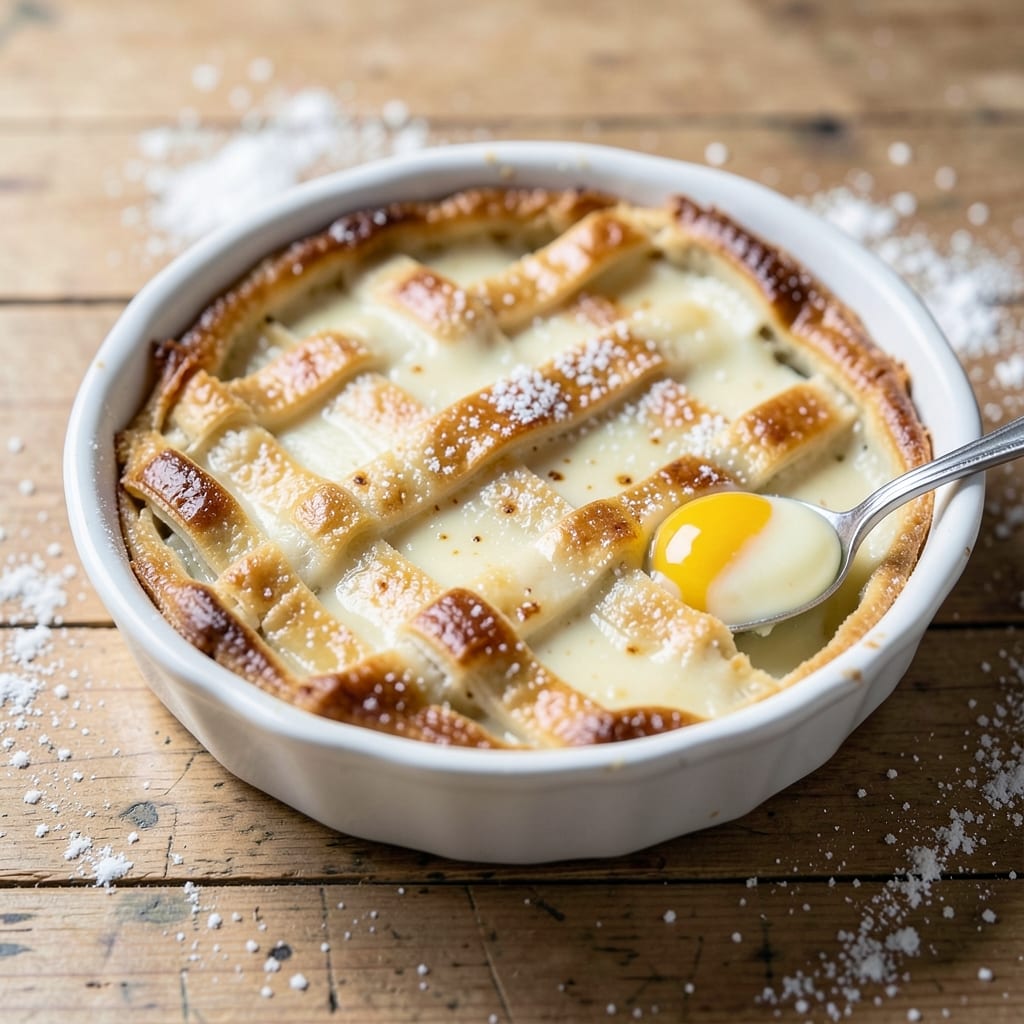
This classic egg tart recipe delivers the perfect balance of buttery, flaky pastry and silky custard centers that melt at the first bite. 💛 The secret lies in a precise ratio of butter to flour for the crust, combined with a smooth egg custard that never turns rubbery. I've perfected this technique after years of testing, ensuring each tart has that signature golden shell and creamy yolk heart.
The foundation begins with a shortcrust pastry that's rolled thin and baked just until it's set—this prevents sogginess while maintaining a delicate texture. Meanwhile, the custard filling requires careful tempering of eggs with warm milk to create that signature velvety consistency. The baking process is critical: the tarts need to finish in a hot oven to achieve that signature caramelized top while keeping the custard perfectly set.
What you'll end up with is a batch of egg tarts that taste like you've been to your favorite Asian bakery—golden, buttery shells with custard centers that are just firm enough to hold their shape yet melt luxuriously in your mouth. The aroma alone will have everyone anticipating that first bite. These tarts are ideal for breakfast, afternoon tea, or as a sweet treat with coffee.
For those who prefer variations, you can experiment with savory fillings like cheese or ham, or even try a chocolate custard twist. The key to success is patience—letting the pastry rest and the custard temper properly makes all the difference. Let's get started on creating these timeless treats that bring comfort and tradition to any table.
Ingredients for classic egg tart
Buttery pastry meets silky custard—just eight ingredients for these golden, melt-in-your-mouth egg tarts.
| Ingredient | Amount | Notes |
|---|---|---|
| Unsalted Butter 🧈 | 1 ½ cups | Cold, cubed, for pastry |
| All-Purpose Flour 🌾 | 2 ½ cups | Plus 2 tbsp extra for dusting |
| Large Eggs 🥚 | 6 whole | Room temperature for custard |
| Granulated Sugar 🍚 | ½ cup | For custard sweetness |
| Whole Milk 🥛 | 1 ½ cups | Warm, not scalding |
| Vanilla Extract 🌸 | 1 tbsp | Pure vanilla for flavor |
| Salt 🧂 | ½ tsp | Fine sea salt |
| Baking Powder 🍞 | ½ tsp | For pastry lift |
| Cornstarch 🌾 | 2 tbsp | For custard smoothness |
| Vegetable Oil 🫒 | 2 tbsp | For greasing tins |
| Powdered Sugar 🍚 | 2 tbsp | For dusting finished tarts |
The butter-to-flour ratio is everything. European-style butter (like Plugrá or Land O'Lakes) melts beautifully, but any unsalted works. I always buy a pound and keep it cold in the fridge—Walmart or Costco sell it in bulk for great prices. For the flour, King Arthur or Gold Medal brands stay consistent. The custard eggs? Room temperature is non-negotiable—cold eggs make the filling grainy. Crack them gently into a bowl first to check for shells, then whisk them smooth before adding to warm milk. That first tempering step is where magic happens.
No vanilla extract? Vanilla bean paste or even a scraped vanilla bean works—just adjust the amount to taste. Short on cornstarch? Arrowroot powder at the same quantity gives similar thickening power. The custard must be thick enough to hold its shape but still silky—about 10 minutes of gentle simmering gets it just right. For the pastry, if you don't have baking powder, 1/4 tsp baking soda plus 1/4 tsp cream of tartar makes a decent substitute. And those tins? Mini muffin tins work perfectly if you don't have egg tart molds—just grease them well.
Pastry dough keeps for 2 days wrapped in plastic in the fridge, or 3 months frozen between parchment. Custard filling can be made ahead and stored in the fridge for 1 day—just reheat gently before filling. Assembled tarts stay fresh for 2 days at room temperature, but they're best enjoyed the day they're made. Pro tip: dust with powdered sugar right after baking while they're still warm—it melts into the crust for extra shine. These reheat beautifully in a 350°F oven for 5 minutes if you need to warm them up.
Why You'll Love This Recipe
- Golden Crust Magic: I’ll be real—this flaky pastry comes from just butter and flour, rolled thin and brushed with milk. No fancy dough tricks, just melt-in-your-mouth layers that make you forget how simple the ingredients are.
- Custard Perfection: That egg-milk-sugar filling? It’s not just sweet—it’s silky. The sugar caramelizes just enough at the edges while keeping the center rich and jiggly, like a little golden hug in every bite.
- Breakfast or Snack: Honestly, I make these for everything. Warm from the oven with coffee? Check. Packed in a lunchbox for work? Still a hit. Even my kid swaps cereal for them—no judgment here.
- Leftovers? No Problem: Between us, these stay fresh for days. The crust doesn’t turn soggy, and the custard keeps that velvety texture. Freeze extras too—just reheat until the edges are golden, and no one’ll guess they were made ahead.
Step-by-step instructions for classic egg tarts
Here's how to make egg tarts with a flaky, buttery crust and that signature runny yolk center.
👨🍳 Step 1: Make the Pastry Dough
In a large mixing bowl, combine the 1.5 cups unsalted butter (cold, cubed) with the 2.5 cups all-purpose flour and 0.5 tsp salt. Use a pastry cutter or your fingers to work the butter into the flour until you have pea-sized crumbs with some butter pieces still visible. This cold method ensures flaky layers later.
Add the 0.5 tsp baking powder and mix again just until combined. The dough should look like coarse crumbs with some butter still showing. Sprinkle 2-3 tablespoons of ice water (start with 2) and gently mix with a fork until the dough just comes together. Be careful not to overwork it—just enough to hold when pressed. Divide the dough into two equal portions and flatten into discs. Wrap in plastic and chill for 30 minutes while you make the custard filling.
🍳 Step 2: Prepare the Custard Filling
In a medium saucepan, combine the 1.5 cups whole milk and 0.5 cup granulated sugar over medium heat. Warm until the sugar dissolves completely, then remove from heat. Stir in the 1 tbsp vanilla extract and let cool slightly to warm room temperature (about 100°F).
In a separate bowl, whisk together the 6 whole eggs (room temperature) and 2 tbsp cornstarch until smooth. Slowly pour the warm milk mixture into the egg mixture while whisking constantly. This tempering step prevents the eggs from scrambling. Return the combined mixture to the saucepan and cook over low heat, stirring constantly with a wooden spoon, until it thickens to a pudding-like consistency (about 3-5 minutes). The custard should coat the back of the spoon and leave a clear path when you draw your finger through it.
🥘 Step 3: Assemble the Tarts
Preheat your oven to 350°F. Grease an 8-inch tart pan (or individual tart molds) with 2 tbsp vegetable oil, making sure to coat the sides and bottom thoroughly. Roll out one portion of the chilled pastry dough on a lightly floured surface to ⅛-inch thickness. Cut circles slightly larger than your tart pan and press gently into the greased molds, trimming any excess dough hanging over the edges.
Pour the custard filling into the pastry shells, filling each ¾ full. The custard should be level with the top of the pastry edges. Tap the tart pan gently on the counter to release any air bubbles. Repeat with the remaining dough and filling. Bake for 25-30 minutes until the pastry is golden brown and the custard is set but still slightly jiggly in the center.
⏰ Step 4: Finish and Serve
Remove the tarts from the oven and let them cool in the pan for 5 minutes. Carefully transfer to a wire rack and dust generously with 2 tbsp powdered sugar while still warm. The sugar will melt slightly into the custard, creating that classic glossy finish. Serve warm for the perfect texture—crisp pastry with a silky, slightly runny yolk center that oozes when you cut in.
Here's the thing about egg tarts—they're best enjoyed fresh. If you need to reheat, pop them in a 300°F oven for 5-7 minutes to warm through without overcooking the custard. And don't worry if the custard looks fully set when you cut into one—it's supposed to be just slightly wobbly in the center for that authentic experience.
Pro Tips For Making Classic Egg Tart
- Chill the Dough: I learned this the hard way—rolling out warm pie dough for egg tarts makes it gummy and hard to handle. Press the dough between two sheets of parchment, then pop it in the fridge for 20 minutes before cutting circles. Cold dough stays crisp and cuts cleanly, so your tarts won’t look like sad, lumpy blobs.
- Use Cold Butter: Cut that unsalted butter into tiny cubes and freeze it for 10 minutes before mixing into the flour. Cold butter creates flaky layers in the crust—skip this, and you’ll end up with a dense, greasy mess. (Yes, even if you’re impatient like me.)
- Don’t Overfill the Tarts: The filling should be about ¾ full of the egg custard mix—any more, and it’ll spill over when baking. I used to pack them tight, thinking more custard meant better flavor, but the edges just got soggy. Trust me, less is more here.
- Bake Slow and Low: Preheat the oven to 350°F (175°C) and bake the tarts on the middle rack for 25–30 minutes. High heat makes the crust burn before the custard sets. If the edges brown too fast, tent them loosely with foil halfway through—your crust will stay golden, not charred.
Best sauces and condiments for this classic egg tart
Classic Vanilla Custard
The signature custard in these egg tarts is all about balance—smooth, sweet, and just slightly firm. The 1 tbsp vanilla extract (I swear by McCormick Pure Vanilla) adds depth, while the 2 tbsp cornstarch ensures that silky texture that melts in your mouth. For extra richness, I sometimes whisk in 1 tbsp heavy cream at the end—it makes the custard even more luxurious. 🌸
Pro tip: Don’t overcook the custard! It should reach 170°F internally but still jiggle slightly in the center. If it sets too quickly, add 1 tsp milk to loosen it up. The custard can be made ahead and stored in the fridge for up to 24 hours, but let it come to room temperature before filling the tarts for best results.
Sweet Condiment Ideas
A dusting of powdered sugar right after baking is non-negotiable—it creates that glossy finish and balances the richness. For a gourmet touch, drizzle with honey or caramel sauce before serving. I love using local honey from Trader Joe’s or a store-bought caramel like Smucker’s for quick elegance. 🍯
For a tangy contrast, serve with a side of lemon curd or a sprinkle of toasted coconut flakes. The acidity cuts through the sweetness, and the crunch adds texture. If you’re feeling fancy, a few drops of orange blossom water in the custard adds a floral note that pairs beautifully with the vanilla.
Savory Twist Options
Not a fan of sweet custard? Swap it for a cheese filling—mix 1 cup shredded cheddar with ½ cup sour cream and a pinch of black pepper. Bake until the cheese is melted and bubbly for a savory tart that’s perfect with charcuterie. 🧀
For a ham and cheese version, layer thinly sliced ham and Gruyère cheese in the pastry shells before baking. The melted cheese creates a gooey, savory center that’s just as satisfying as the classic custard. This works especially well if you’re serving the tarts as appetizers or with a sharp mustard dip.
Garnish Like a Pro
Fresh fruit is a game-changer for presentation. Top with thinly sliced strawberries or raspberries for a pop of color and brightness. The acidity also balances the sweetness beautifully. I like to arrange them in a circular pattern on top of the tarts for an elegant finish. 🍓
For a crunchy element, sprinkle crushed pistachios or toasted sesame seeds over the custard before baking. The nutty flavor pairs perfectly with the vanilla, and the texture contrast makes every bite more exciting. Store-bought toppings like chopped candied ginger or crumbled shortbread cookies also work in a pinch.
Nutrition facts
Frequently asked questions
Why does my egg tart custard turn grainy?
Cold eggs or overheating the custard are the usual culprits. Always use room temperature eggs and temper them by slowly whisking in warm milk. Cook over low heat and stir constantly until it thickens to 170°F—no higher! If it curdles, whisk in 1 tsp milk to smooth it out.
Can I make egg tarts without a tart pan?
Use mini muffin tins or even a pie dish for a single large tart. Grease them thoroughly with vegetable oil and line with parchment circles cut to fit. For individual tarts, 6-ounce ramekins work perfectly—just adjust baking time to 18-20 minutes for smaller sizes.
How do I fix soggy bottoms in my egg tart crust?
Pre-bake the pastry shells for 10 minutes at 350°F before adding custard to create a barrier. Chill the assembled tarts for 15 minutes before baking to set the custard slightly. Also, avoid overfilling—keep the custard ¾ full of the shell. For extra insurance, sprinkle 1 tsp cornstarch on the crust before adding filling.
What's the secret to a perfectly golden crust?
Cold butter in the dough and a hot oven finish are key. After 20 minutes of baking, increase heat to 400°F for the last 5 minutes to caramelize the sugar in the crust. Brush the edges with egg wash (1 egg + 1 tbsp water) before baking for extra shine.
Can I make egg tarts ahead of time?
Yes! Assemble and bake them 1 day ahead, then store at room temperature in an airtight container. Reheat in a 300°F oven for 5-7 minutes to restore the custard's creaminess. For longer storage, freeze unbaked tarts (with custard) for up to 1 month—bake straight from frozen, adding 5-7 extra minutes.