
Breakfast & Brunch
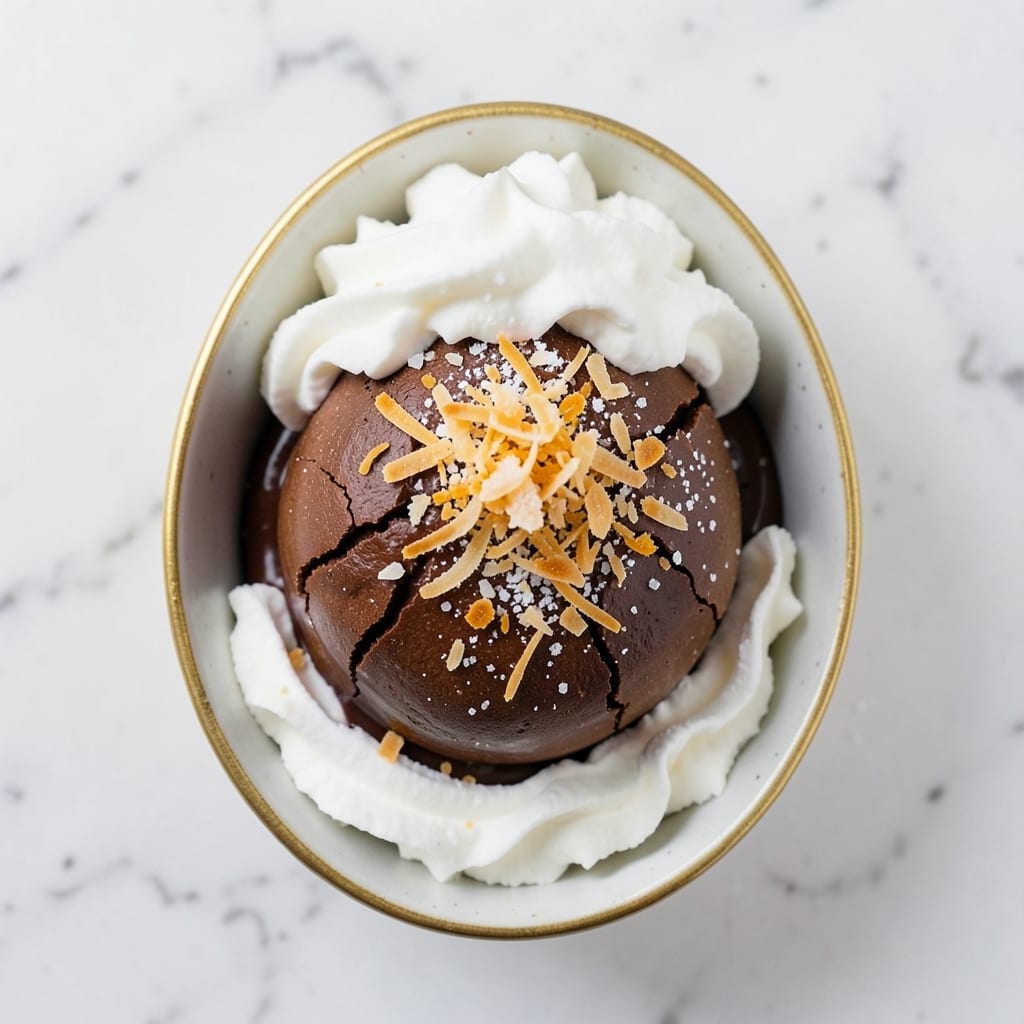
This chocolate coconut Easter egg recipe transforms simple ingredients into elegant, crunchy-shelled treats perfect for spring celebrations. The secret lies in baking the eggs to a crispy shell before dipping them in rich chocolate and topping with toasted coconut flakes—every bite delivers a satisfying crunch followed by velvety chocolate and tropical sweetness. I developed this recipe after years of perfecting the balance between structure and indulgence, ensuring the shells stay sturdy while the ganache remains luscious.
The process begins with baking egg whites into delicate, hollow shells that crisp beautifully, then filling them with dark or milk chocolate ganache for a decadent center. Toasting the coconut flakes adds depth of flavor and visual appeal, while a dusting of powdered sugar creates that signature Easter look. This method yields 8-10 perfectly shaped eggs that look stunning on a dessert platter or as individual gifts.
What makes these stand out is the texture contrast—crispy shells give way to creamy ganache, then a final crunch from the coconut topping. The ganache hearts can be customized with food coloring for vibrant Easter hues, while adding orange or lemon zest to the chocolate elevates the flavor profile. Each step is designed to be approachable yet impressive, making this a showstopper for any spring gathering.
These chocolate coconut eggs are ideal for Easter baskets, brunch spreads, or as a festive dessert centerpiece. The recipe scales easily for parties, and leftovers keep beautifully in the fridge for up to a week. Let’s create something that feels both nostalgic and luxurious—perfect for celebrating the season in style.
Ingredients for chocolate coconut easter egg
Elegant spring treats require just twelve thoughtful ingredients—crisp shells, velvety ganache, and tropical crunch.
| Ingredient | Amount | Notes |
|---|---|---|
| Large Egg Whites 🥚 | 12 whole | Room temperature for even baking |
| Dark Chocolate Chips 🍫 | 12 oz | 70% cocoa or higher, high quality |
| Heavy Whipping Cream 🥛 | 1 cup | Full-fat for rich ganache |
| Unsalted Butter 🧈 | 4 tbsp | Cold, cut into small cubes |
| Shredded Coconut 🥥 | 1 ½ cups | Unsweetened, fine shreds preferred |
| Powdered Sugar 🍚 | ½ cup | For dusting and decorating |
| Orange Zest 🍊 | 1 tbsp | Freshly grated for brightness |
| Vanilla Extract 🌿 | ½ tsp | Pure vanilla for depth |
| Salt 🧂 | ¼ tsp | Fine sea salt for balance |
| Food Coloring 🎨 | 1 tsp | Optional, gel-based preferred |
| Lemon Juice 🍋 | 1 tbsp | Freshly squeezed for acidity |
| Granulated Sugar 🍬 | 2 tbsp | For ganache stability |
The quality of chocolate and coconut makes all the difference here. Valrhona or Lindt chocolate chips deliver the best melt and flavor, though Ghirardelli works beautifully for a more budget-friendly option. For coconut, unsweetened, fine shreds from Trader Joe's toast perfectly—avoid the sweetened kind, which can overpower the delicate ganache. The egg whites should be fresh, not older than a week, as they bake into the crisp shells. If you're using store-bought egg whites, opt for the pasteurized kind to ensure safety without compromising texture. Toast your coconut in a dry pan over medium heat until golden—about 5 minutes—for maximum flavor development.
No high-quality chocolate on hand? Double the cocoa powder and reduce cream slightly for a close approximation, though texture may vary. Short on coconut? Toasted almond flakes or crushed pistachios add a different but equally elegant crunch. The ganache relies on a precise ratio of cream to chocolate—never substitute water, as it creates a grainy texture. For extra stability, add the granulated sugar and pinch of salt to the ganache mixture. If you're coloring your eggs, gel-based food coloring disperses smoothly without altering the ganache's consistency. The orange zest and vanilla extract can be omitted, but the lemon juice is crucial for balancing sweetness—bottled lemon juice works in a pinch, though fresh is always superior.
Store-bought chocolate chips can be used directly, but chop your own bars for a smoother ganache. The toasted coconut should be cooled completely before using—spread it on a baking sheet and let it sit for 10 minutes. Ganache keeps beautifully for up to 2 weeks in an airtight container at room temperature, though it softens slightly in warm weather. The crisp shells are best enjoyed within 3 days of baking, as they lose their crunch over time. Assemble the eggs just before serving to maintain that perfect texture contrast. For gifting, wrap individual eggs in parchment paper and tie with ribbon—they'll stay fresh for 5 days this way.
Why You'll Love This Recipe
- No Fuss Assembly: I swear by this recipe—just whip egg whites, fold in melted chocolate and coconut, then pipe into shells. No rolling, no baking stress, just pure hands-off magic while the oven does the work.
- Tropical Crunch Magic: That first bite? Rich dark chocolate crunching into toasty coconut—it’s like a hug for your taste buds. The egg whites keep it light, so it doesn’t feel heavy, just dangerously addictive.
- Easter (or Any Day) Hero: These eggs scream "celebration" but show up for birthdays, potlucks, or even as a fancy dessert when you’ve got nothing else. Swap the shells for mini muffin tins, and suddenly you’ve got bite-sized treats for a crowd.
Step-by-step instructions for chocolate coconut Easter egg recipe
Here's how to craft elegant, bite-sized chocolate hearts with crisp coconut shells and luscious ganache centers.
Prepare the Coconut Shells
Preheat your oven to 325°F and line a baking sheet with parchment paper. In a medium bowl, combine the 1.5 cups shredded coconut, 2 tablespoons granulated sugar, 1 tablespoon orange zest, and 0.25 teaspoon salt. Mix thoroughly until the coconut is evenly coated with sugar and zest.
Spread the coconut mixture evenly on the prepared baking sheet, pressing down lightly to create a flat surface. Bake for 8-10 minutes until the coconut turns a light golden color and smells toasty. Remove from the oven and let it cool completely before proceeding—this ensures the shells will hold their shape when you fill them later.
Create the Chocolate Ganache
In a medium heatproof bowl, combine the 1 cup heavy whipping cream and 1 tablespoon lemon juice. Place this bowl over a pot of simmering water (double boiler method) and heat until the cream is steaming but not boiling. Remove from heat and immediately add the 12 ounces dark chocolate chips.
Let the mixture sit for 2 minutes to allow the chocolate to melt completely, then whisk until smooth. Stir in the 0.5 teaspoon vanilla extract and 1 teaspoon food coloring (if using) until fully incorporated. The ganache should be glossy and fluid—this consistency ensures it fills the coconut shells perfectly. Let it cool to room temperature before using.
Shape the Coconut Shells
Once the toasted coconut has cooled, use a small cookie cutter or the back of a spoon to press and shape the coconut into heart shapes. Gently pack the coconut into the molds, ensuring they're firm enough to hold their shape but not so dense that they become difficult to fill later. You should yield about 10 heart-shaped shells using all the coconut.
Place the shaped coconut hearts on a fresh piece of parchment paper and set aside. These shells will form the crunchy exterior of your Easter eggs, so their stability is crucial for the final presentation. If any shells crumble during shaping, simply press them back together gently before proceeding.
Fill and Assemble the Easter Eggs
Using a small spoon or piping bag, carefully fill each coconut heart with about 1 teaspoon of the cooled ganache. Be precise with your filling to avoid overstuffing, which could cause the shells to burst. Once filled, place the eggs on a wire rack to allow any excess ganache to drip off, leaving clean edges.
While the ganache sets, dust the eggs lightly with the 0.5 cup powdered sugar using a fine-mesh sieve. This step adds a delicate finish and helps the shells maintain their shape. Let the filled eggs sit at room temperature for 30 minutes to allow the ganache to firm up slightly before serving or storing.
Final Touches and Serving
Once the ganache has set sufficiently, your chocolate coconut Easter eggs are ready to be served. For an elegant presentation, arrange them on a platter dusted with additional powdered sugar or garnished with a sprinkle of orange zest. These treats are perfect for gifting or decorating an Easter table.
The combination of the toasted coconut's crunch and the rich, velvety ganache creates a delightful contrast in both texture and flavor. Serve immediately for the best experience, as the ganache softens slightly at room temperature, enhancing its creamy texture. Store any leftovers in an airtight container in the refrigerator for up to 5 days.
Pro Tips For Making Chocolate Coconut Easter Egg
- Whip Cream Cold: Use your chilled mixing bowl and beaters straight from the freezer—this makes the heavy whipping cream stiffen faster and hold its shape better. I used to skip this, and my coconut layer would slide right off the eggs. Five minutes in the fridge changes everything.
- Toast the Coconut: Dry-toast the shredded coconut in a low oven (300°F) for 5–7 minutes until it smells nutty and turns just a shade darker. Untreated coconut stays clumpy and bland—this step adds texture and depth without burning. (Yes, even if you’re impatient like me.)
- Temper the Chocolate: Melt the dark chocolate chips in 10-second bursts in the microwave, stirring between each, until it’s smooth but not hot enough to seize. Overheating turns it grainy, and nobody wants to bite into a gritty center. A thermometer isn’t necessary—just watch for shine, not steam.
- Chill the Eggs: Pop the filled egg whites into the freezer for 10 minutes before dipping in coconut—this prevents the warm filling from melting the outer layer. I learned this the hard way when my first batch turned into a sad, gooey mess. Patience here saves cleanup later.
Common mistakes when making this recipe
Overfilling the Shells
One of the most common mistakes is overfilling the coconut shells with ganache. When you pack too much chocolate into the shells, the excess will spill out during baking or cooling, creating messy edges and potentially causing the shells to crack. I recommend using a small spoon or piping bag to measure 1 teaspoon of ganache per shell—this ensures a clean, elegant finish without compromising the structure. If you're unsure, slightly underfill the shells and add more ganache to the center after they've set slightly. 💡
Skipping the Cooling Step
Rushing the cooling process is a recipe for disaster. The toasted coconut shells must cool completely before shaping, and the ganache needs to reach room temperature before filling. If you try to work with warm coconut, it will crumble when you press it into shapes. Similarly, filling the shells with warm ganache causes it to melt and drip, ruining your presentation. Let the coconut cool for at least 30 minutes and the ganache for 15-20 minutes before assembling. Patience here makes all the difference! ⏳
Using Sweetened Coconut
Sweetened coconut flakes can completely throw off the balance of flavors in this recipe. The natural sweetness of the coconut pairs beautifully with the rich chocolate, but added sugar can make the ganache taste cloying. Stick to unsweetened, fine shredded coconut—brands like Trader Joe's or Bob's Red Mill work perfectly. If you accidentally use sweetened coconut, reduce the granulated sugar in the ganache by 1 tablespoon to compensate. 🥥
Not Toasting the Coconut
Toasted coconut adds depth of flavor and a satisfying crunch that raw coconut simply can't match. If you skip this step, your shells will taste bland and lack the structural integrity needed to hold the ganache. Toast the coconut in a dry pan over medium heat for 5 minutes, stirring constantly, until it turns golden and smells fragrant. For extra flavor, add the orange zest and sugar while toasting—this creates a caramelized crust that enhances the overall texture. 🌟
Improper Ganache Temperature
The ganache must be at the right temperature when you fill the shells—too hot and it will melt the coconut, too cold and it won't set properly. The ideal temperature is just slightly cooler than room temperature, around 70-75°F. If your ganache is too thick after cooling, gently reheat it over a double boiler for 10-15 seconds and stir until smooth. Avoid microwaving, as it can create hot spots that ruin the texture. A smooth, glossy ganache is key to a professional-looking finish. 🌡️
Ignoring the Resting Time
After filling the shells, it's tempting to serve them immediately, but the ganache needs time to firm up slightly. Skipping the 30-minute resting period at room temperature can result in a runny center that spoils the texture contrast. Place the filled eggs on a wire rack to allow air circulation, which helps the ganache set more evenly. If you're in a hurry, chill them in the fridge for 15 minutes, but bring them back to room temperature before serving to prevent the coconut from getting soggy. ⏰
Nutrition facts
Frequently asked questions
Can I make these without baking the coconut shells?
The baked coconut shells create that perfect crunchy texture, but you can adapt this recipe! Press unsweetened coconut into heart shapes and chill in the fridge for 1 hour to firm up. Skip the baking step entirely, though the flavor won't be as developed. For extra stability, lightly spray the coconut with water before shaping.
How do I prevent the ganache from getting grainy?
Grainy ganache happens when chocolate and cream aren't properly combined or cooled too quickly. Always melt the chocolate gently over a double boiler, then whisk until completely smooth before adding cream. Let the ganache cool to 70-75°F before using—room temperature is ideal. If it starts to thicken, reheat gently and stir until silky again.
What's the best way to store these treats?
Keep them airtight in the fridge for up to 5 days to maintain crisp shells. For longer storage (2 weeks), freeze the filled eggs (unfrosted) on a tray, then transfer to a bag. Thaw at room temperature for 30 minutes before serving. Avoid stacking to prevent crushing the coconut shells.
Can I use white chocolate instead of dark?
Yes, but expect a sweeter, creamier result. Use the same ratio of cream to chocolate (1:1), but reduce the granulated sugar in the ganache by 1 tablespoon since white chocolate is already sweet. The texture will be richer, but the shells might soften faster. For extra stability, chill the filled eggs for 10 minutes before serving.
How can I make these vegan?
Swap the heavy cream for 1 cup full-fat coconut milk and use vegan chocolate (70% cocoa or higher). Replace butter with vegan butter if needed, and ensure all other ingredients are plant-based. The ganache may set slightly softer, so chill the filled eggs for 15 minutes before serving. Toasted coconut remains vegan-friendly!