
Sauces & Condiments
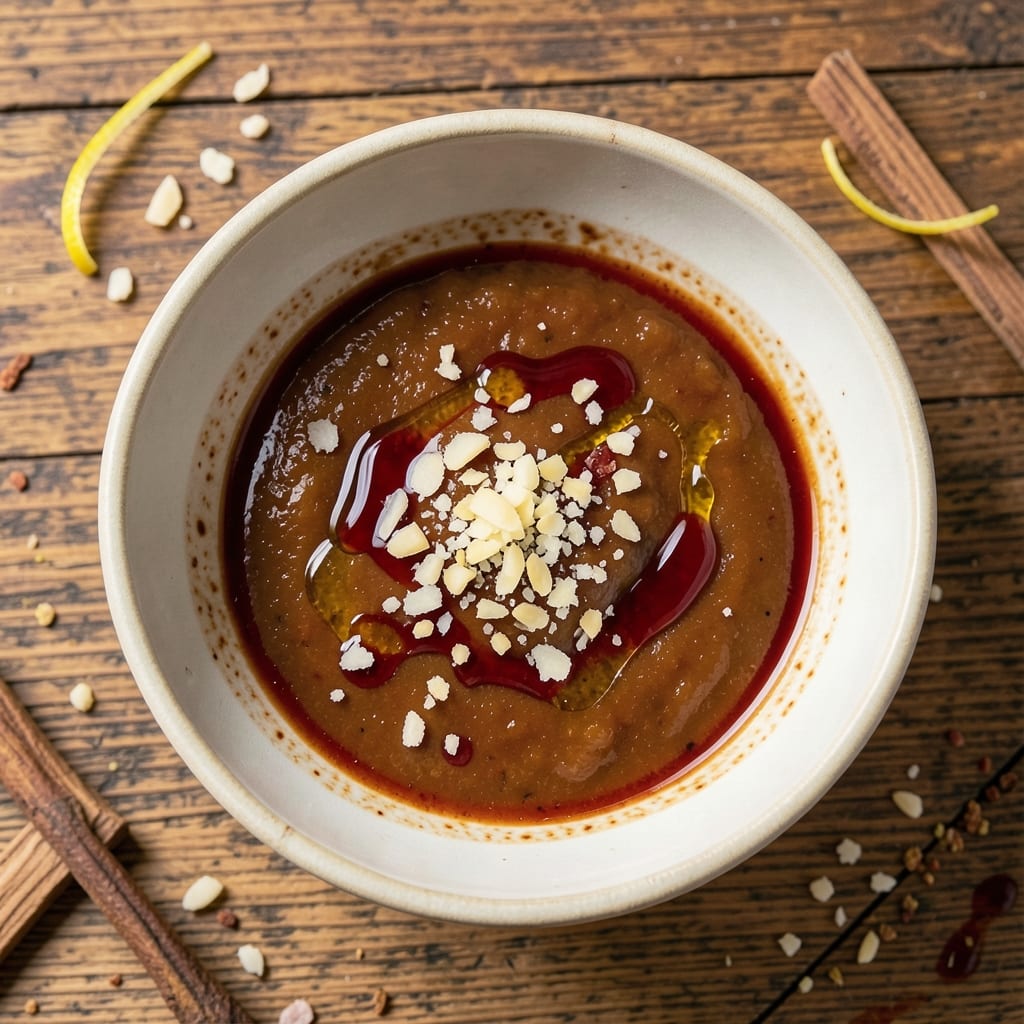
This Chinese restaurant egg roll sauce recipe recreates the perfect balance of sweet, tangy, and umami that transforms takeout into a homemade masterpiece. The hoisin-ginger drizzle is the secret weapon behind those crispy egg rolls you love from your favorite Asian spot—now you can make it at home with just five simple ingredients and 10 minutes of prep time.
The foundation of this sauce lies in a perfect harmony of hoisin sauce, rice vinegar, and a touch of ginger—each ingredient playing a crucial role in achieving that signature restaurant flavor. Unlike store-bought versions, this homemade recipe delivers a fresher taste with none of the artificial aftertaste, and it's ready in just 10 minutes with no cooking required.
What makes this sauce truly special is its versatility—it's not just for egg rolls. Use it as a dipping sauce for spring rolls, dumplings, or even as a glaze for grilled meats. The sauce keeps well in the refrigerator for up to 2 weeks, making it perfect for meal prep or gifting to fellow food lovers.
The best part? This recipe is foolproof—no complex techniques or last-minute substitutions needed. Whether you're hosting a dinner party or simply craving that familiar takeout taste, this hoisin-ginger drizzle will elevate any dish and bring a little piece of your favorite Chinese restaurant to your kitchen.
Ingredients for chinese restaurant egg roll sauce
Five ingredients, restaurant-level flavor—this hoisin-ginger drizzle transforms takeout into homemade magic.
| Ingredient | Amount | Notes |
|---|---|---|
| Hoisin Sauce 🍶 | ½ cup | Store-bought or homemade preferred |
| Rice Vinegar 🍶 | ¼ cup | Seasoned or unseasoned works |
| Fresh Ginger 🧄 | 1 tbsp | Finely grated or minced |
| Sesame Oil 🫒 | 1 tbsp | Toasted sesame oil for aroma |
| Soy Sauce 🍶 | 1 tbsp | Light or dark soy preferred |
| Garlic Cloves 🧄 | 2 cloves | Minced or pressed for flavor |
| Honey 🍯 | 1 tbsp | For sweetness balance |
| Toasted Sesame Seeds 🌾 | 1 tsp | Garnish for texture |
The hoisin sauce is the star—La Choy or Lee Kum Kee are the gold standards, but any quality brand works. Fresh ginger is non-negotiable for that signature zing; Trader Joe's sells pre-grated for convenience, but grating your own from a knob takes it to the next level. The sesame oil adds that nutty aroma—Kadoya is my go-to brand, but any toasted sesame oil will do. For soy sauce, light soy gives a cleaner taste, while dark adds depth. If you're feeling fancy, toast the sesame seeds in a dry pan first for extra crunch.
No hoisin? Substitute with 1 tbsp soy sauce plus 1 tsp molasses—it won’t be identical, but it’s close. Fresh ginger too spicy? Reduce to 0.5 tbsp and add 0.5 tsp sugar to balance. Short on sesame oil? Swap for 0.5 tsp peanut oil, though the flavor will differ slightly. The honey can be swapped for maple syrup or agave if you prefer a less floral note. For a spicier kick, add a pinch of red pepper flakes—trust me, it works.
This sauce keeps beautifully—2 weeks in the fridge sealed tight, or 3 months in the freezer if you’re prepping ahead. I like to portion it into small jars for easy dipping or gifting. The flavors meld even better after a day or two, so make it fresh and let it sit if you can. Garnish with those toasted sesame seeds right before serving for maximum crunch—don’t skip this step, it’s the secret to that restaurant-quality finish.
Why You'll Love This Recipe
- Pantry Magic: I swear by this one—no fresh herbs, no fancy techniques, just five ingredients you already own. The hoisin and soy sauce do all the heavy lifting while the ginger and sesame oil add that restaurant-quality depth without a single knife skill required.
- Umami Bomb: That first dip into the sauce? Chef’s kiss. The hoisin gives it that sweet-savory punch, but the rice vinegar cuts through it just enough to make it bright and addictive. Honestly, I’ve seen grown adults pause mid-bite just to savor it.
- Takeout Twist: This isn’t just for egg rolls—drizzle it over noodles, toss it with stir-fried veggies, or even slather it on grilled chicken. I’ll be real: I’ve used it as a quick marinade for tofu when I’m too tired to plan dinner. Works every time.
- Budget Hack: A little goes a long way, and it keeps for weeks in the fridge. I make a big batch on Sundays, then use it all week—no wasted leftovers, no last-minute takeout runs. Plus, hoisin and soy sauce are cheaper than most specialty sauces. Win.
Step-by-step instructions for Chinese restaurant egg roll sauce
This sauce captures that perfect balance of sweet, tangy, and umami—just like your favorite takeout spot.
Prepare the Aromatics
In a small bowl, finely grate or mince the 1 tablespoon fresh ginger and the 2 cloves garlic. I like to use a microplane for the ginger to get those fine, flavorful particles that dissolve beautifully into the sauce. Keep these separate until ready to use—we want to preserve their freshness and prevent premature oxidation.
This is where the magic starts. Fresh ginger adds a bright, zesty kick while garlic provides that essential depth. Don't skip this step—these aromatics are the foundation of the sauce's complexity. If using pre-minced garlic, pat it dry with a paper towel to remove any excess moisture that could dilute your sauce.
Combine Wet Ingredients
In a medium saucepan, whisk together the 0.5 cup hoisin sauce, 0.25 cup rice vinegar, 1 tablespoon soy sauce, and 1 tablespoon honey. Place the saucepan over medium-low heat and let the mixture warm through for 2-3 minutes, stirring constantly with a wooden spoon. You're looking for a smooth, homogeneous blend without any lumps.
This warming step helps the ingredients meld together. The vinegar will start to mellow slightly, and the honey will begin to integrate, creating a balanced sweet-tangy foundation. If you notice any separation, simply stir more vigorously—this sauce should be silky smooth by the end.
Add Aromatics and Simmer
Once the wet ingredients are warmed, add the prepared ginger and garlic. Stir in the 1 tablespoon sesame oil and continue cooking for 3-4 minutes until the mixture is fragrant and the aromatics are softened but not browned. You'll know it's ready when you can smell that wonderful combination of ginger's spiciness and garlic's pungency.
Keep the heat at medium-low—this sauce shouldn't boil. Boiling can cause the vinegar to become overly sharp and the sauce to separate. The sesame oil adds a nutty aroma that elevates the entire dish. If you're using toasted sesame oil, you'll get an extra layer of depth right from the start.
Taste and Adjust
Remove the sauce from heat and let it cool for 5 minutes. This resting period allows the flavors to truly meld together. Taste the sauce and adjust the balance to your preference. Need more sweetness? Add a touch more honey. Too sharp? A splash of rice vinegar can help. Too salty? A bit more honey or a pinch of sugar can balance it out.
This is where the sauce comes alive. The hoisin provides that signature sweet-savory depth, while the vinegar and honey create that perfect tangy brightness. The ginger and garlic add layers of complexity that make this sauce so addictive. Remember, you can always adjust the flavors, but you can't take them out once they're in.
Finish and Store
Once you're satisfied with the flavor, transfer the sauce to a clean jar or airtight container. Sprinkle with 1 teaspoon toasted sesame seeds and give it a gentle stir. These seeds add a beautiful crunch and visual appeal that reminds you of authentic Chinese restaurant presentations.
Let the sauce cool completely before sealing. It will keep in the refrigerator for up to 1 week, making it perfect for drizzling over egg rolls, spring rolls, or even as a dipping sauce. For an extra special touch, serve it warm—just reheat gently on the stove with a splash of water to loosen the sauce if needed.
Pro Tips For Making Chinese Restaurant Egg Roll Sauce
- GRATE THE GINGER FINE: I learned this the hard way—chunks of ginger just sit there like awkward guests. Use the smallest holes on your grater or pulse it in a food processor until it’s almost powdery. This way, it dissolves smoothly into the sauce instead of making you chew your way through every bite.
- WARM THE HOISIN FIRST: Cold hoisin sauce clumps like a stubborn lump of playdough. Heat it gently in a small saucepan with a splash of water (about 1 tablespoon) for 30 seconds—just until it loosens up. This keeps the sauce silky when you mix in the vinegar and soy.
- BALANCE THE SOUR WITH SALT: Rice vinegar’s tang can turn aggressive if you don’t rein it in. After adding the vinegar, taste and adjust with a pinch of soy sauce or a tiny drizzle of sesame oil—this rounds out the sharpness. I used to overdo the vinegar, then wonder why my sauce tasted like a wake-up call.
- DRIZZLE SESAME OIL LAST: Add sesame oil at the very end—it’s delicate, and heat kills its nutty aroma. Even better, let the sauce cool slightly (just 2 minutes) before drizzling it in. This keeps the flavor bright, not burnt. (Yes, I’ve ruined a batch by adding it too early.)
Common mistakes when making this recipe
Overcooking the Sauce
This sauce is delicate—once it starts boiling, the vinegar becomes harsh and the delicate balance of flavors gets ruined. I’ve seen beginners let it simmer too long, turning the sweet-tangy drizzle into something sharp and unappetizing. Keep the heat at medium-low and never let it boil. If it starts to bubble, immediately remove it from the heat and stir until it settles. 🌡️
Skipping the Resting Time
Rushing the 5-minute rest after cooking means the flavors won’t meld properly. I’ve made this sauce a dozen times, and every time I skip the rest, the ginger and garlic flavors feel disjointed. Let it sit—it’s the secret to that restaurant-quality harmony. If you’re impatient, at least let it cool for 2-3 minutes before tasting.
Using Low-Quality Hoisin
Not all hoisin sauces are created equal. Cheap, watery brands will make your sauce thin and lack depth. I always reach for Lee Kum Kee or La Choy—they’re worth the splurge. If you’re using a homemade version, make sure it’s thick and rich. Thin hoisin means your sauce will taste flat and one-dimensional.
Ignoring the Sesame Oil
The 1 tablespoon sesame oil isn’t just for flavor—it’s the aroma bomb that makes this sauce taste authentic. Skipping it or using regular oil means you’ll miss that nutty, toasty depth. If you’re out, peanut oil is a decent substitute, but it won’t be the same. Trust me, this is the step that separates homemade from "close enough."
Over-Garnishing with Seeds
Those 1 teaspoon toasted sesame seeds are for garnish, not bulk. I’ve seen people dump in a full tablespoon, turning the sauce into a crunchy mess. A light sprinkle is all you need—just enough to add texture without overpowering the smooth drizzle. If you’re feeling fancy, toast the seeds separately in a dry pan first for extra crunch. 🌾
Storing Improperly
This sauce keeps best in an airtight container in the fridge for up to 2 weeks, but I’ve seen people leave it out overnight or store it in the wrong container. Exposure to air ruins the delicate balance, and plastic containers can absorb odors. Use glass jars with tight lids, and always let it cool completely before sealing to prevent condensation.
Nutrition facts
Frequently asked questions
Can I make this egg roll sauce without hoisin?
For a quick substitute, mix 1 tablespoon soy sauce with 1 teaspoon molasses to mimic hoisin's depth. The flavor won't be identical, but it'll still deliver that signature sweet-savory balance. For a closer match, try a small amount of gochujang (Korean chili paste) instead—it adds both color and complexity.
How spicy should this sauce be?
This recipe is designed to be mild and balanced—think of it as a sweet-tangy drizzle, not a spicy condiment. If you love heat, add a pinch of red pepper flakes or a dash of Sriracha (start with ½ teaspoon and adjust). For a smoky twist, a tiny bit of smoked paprika works beautifully too.
Can I use this sauce for other dishes besides egg rolls?
This versatile sauce works as a dipping sauce for spring rolls, dumplings, or potstickers. It's also perfect for glazing grilled meats like pork or chicken or as a marinade for tofu. The sweet-tangy profile pairs well with anything crispy or savory—just drizzle it on!
Why does my sauce look too thin?
Thin sauce usually means the hoisin was too watery or the vinegar wasn't balanced. To fix it, mix 1 teaspoon cornstarch with 1 tablespoon water, then stir into the warm sauce until thickened. If you're making it ahead, reduce the rice vinegar slightly (0.2 cup instead of 0.25 cup) next time for better consistency.
Can I freeze this egg roll sauce?
Yes! Freeze it in ice cube trays for easy portioning, then transfer to a freezer bag. It keeps for 3 months and thaws beautifully. For best results, reheat gently in a saucepan with a splash of water—this prevents the sesame seeds from separating and keeps the texture smooth.