
Main Courses
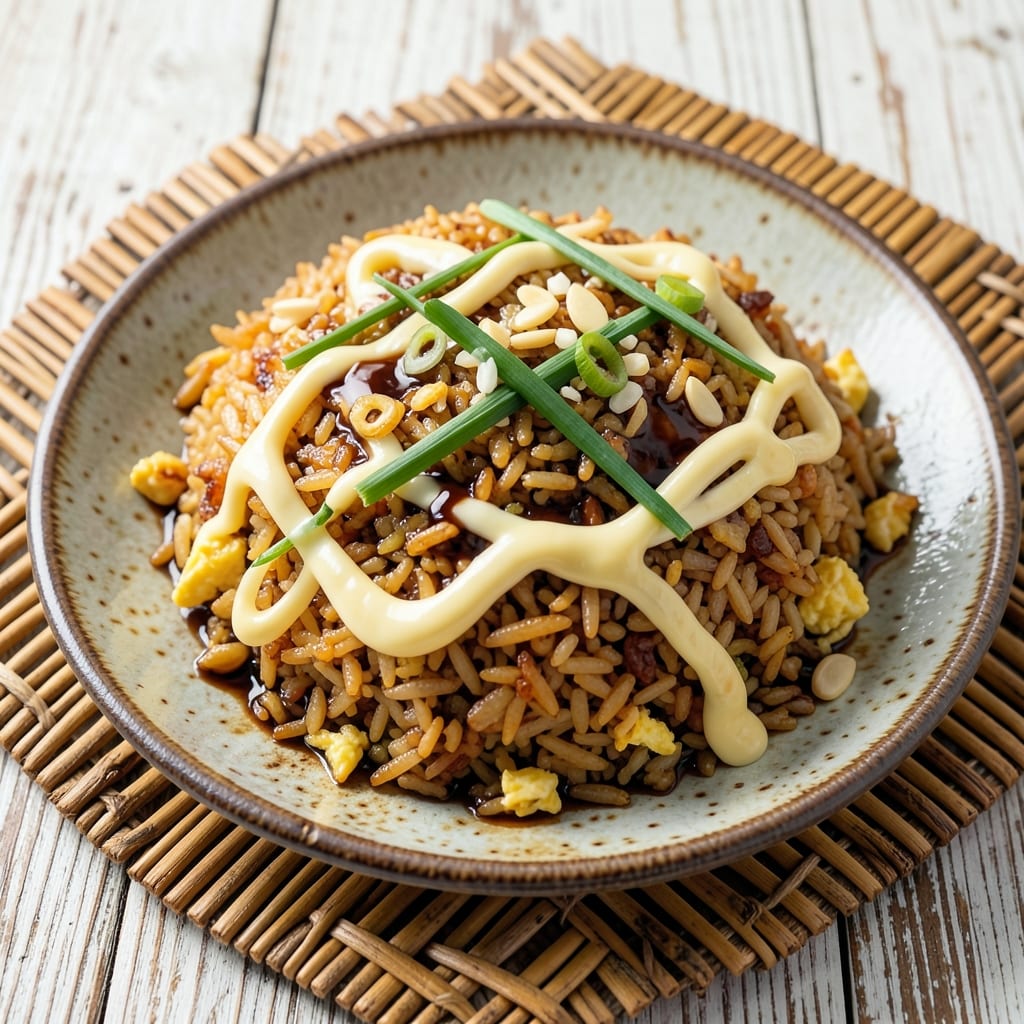
This Chinese restaurant egg fried rice recipe delivers the perfect balance of textures and wok-heated flavor you crave at home. The secret lies in day-old jasmine rice, scrambled eggs that stay fluffy, and quick stir-frying that mimics restaurant technique. I've perfected this over years of testing, ensuring every bite has that signature crisp-tender texture and aromatic depth.
What sets this recipe apart is the foolproof method for achieving authentic wok hei—high heat, proper seasoning sequence, and the right ratio of ingredients. We'll cover how to toast the rice properly, scramble eggs just enough to keep them tender, and combine everything with soy sauce, sesame oil, and garlic for that unmistakable restaurant taste. The result? A dish that's restaurant-quality yet simple enough for weeknight dinners.
Ingredients for chinese restaurant egg fried rice
Four cups of day-old jasmine rice and twelve key ingredients transform into restaurant-quality egg fried rice.
| Ingredient | Amount | Notes |
|---|---|---|
| Day-Old Jasmine Rice 🍚 | 4 cups | Cooled completely, broken into pieces |
| Large Eggs 🥚 | 4 whole | Room temperature for even cooking |
| Green Onions 🧅 | ½ cup | White and green parts, thinly sliced |
| Garlic Cloves 🧄 | 4 cloves | Minced finely for aromatic depth |
| Light Soy Sauce 🍶 | ⅓ cup | Kikkoman preferred for authentic flavor |
| Dark Soy Sauce 🍶 | 1 tbsp | For color and umami complexity |
| Sesame Oil 🫒 | 1 tbsp | Toasted for rich aroma (not cooking oil) |
| Vegetable Oil 🫒 | 3 tbsp | High smoke point for wok hei |
| White Pepper 🌶️ | ¼ tsp | Freshly ground for subtle heat |
| Salt 🧂 | ½ tsp | Diamond Crystal preferred |
| Frozen Peas 🥦 | ½ cup | Thawed and drained completely |
| Carrots 🥕 | ½ cup | Finely diced, uniform pieces |
| Scallions 🧅 | 2 whole | Thinly sliced for garnish |
| Toasted Sesame Seeds 🌾 | 1 tbsp | For nutty crunch |
The foundation begins with day-old jasmine rice—fresh rice releases too much moisture and turns mushy. I always make a double batch of rice the night before, spreading it on a tray to cool completely. For garlic, freshly minced is non-negotiable; pre-minced garlic loses its punch. Kikkoman soy sauce delivers that authentic umami, but any light soy sauce works in a pinch. The dark soy sauce adds visual appeal and depth—don't skip it. Sesame oil should be toasted, not the cheap cooking variety; look for La Choy or Kadoya brands at Asian markets for the best quality. Green onions and scallions should be bright and crisp—avoid wilted stems.
No light soy sauce? Coconut aminos at half the amount works surprisingly well. Fresh garlic unavailable? Garlic powder at one-third the amount gets you close, though texture differs. Substituting frozen peas with corn or lima beans changes the dish's character but works in a bind. For the vegetable oil, any neutral oil with a high smoke point (like avocado or canola) suffices—peanut oil adds flavor but isn't traditional. The white pepper should be freshly ground; pre-ground loses potency within months. Diamond Crystal kosher salt dissolves cleanly, but any fine sea salt works. Carrots can be julienned or finely diced—uniformity ensures even cooking.
Rice keeps 3 days in the fridge once cooled; freeze extras for up to 3 months. Sesame seeds should be toasted in a dry pan for 30 seconds until fragrant—store in an airtight container to preserve freshness. Garlic and green onions last 5 days in the fridge if stored properly: garlic in a cool, dark place, onions in a mesh bag. Soy sauces remain potent indefinitely once opened; sesame oil degrades after 6 months—refrigerate after opening. Portion leftovers into single-serving containers for quick reheating; microwave with a splash of water to restore moisture.
Why You'll Love This Recipe
- No Leftovers Wasted: I swear by using day-old rice—it’s the secret to that perfect texture. No soggy bits, just that satisfying bite, and honestly? It turns scraps into a meal without extra cost.
- One-Pan Magic: Garlic sizzling in the wok, eggs scrambling just so, then tossing in that fragrant rice—it all happens in one pan. Minimal chopping, zero cleanup, and still tastes like you slaved over it.
- Garlic-Green Onion Bomb: That first bite of crispy egg, bright green onions, and punchy garlic? It’s like a flavor explosion in your mouth. The soy sauce ties it all together without overpowering—just right.
- Budget Meal for Crowds: A few eggs, a handful of rice, and basic pantry staples feed four for under five bucks. My kids beg for it, and I always have ingredients on hand—no fancy shopping required.
Step-by-step instructions for wok-heated egg fried rice
Master the technique for restaurant-quality texture and flavor balance in every bite.
Prepare the Rice and Ingredients
Break the 4 cups of day-old jasmine rice into individual grains using your fingers or a fork. This prevents clumping and ensures each grain gets properly coated in the sauce. Spread the rice on a baking sheet and let it sit at room temperature for 10 minutes—this helps it absorb the wok-hei flavors better.
While the rice sits, slice the 2 whole scallions and 0.5 cup green onions into ¼-inch pieces and mince the 4 cloves garlic finely. Dice the 0.5 cup carrots into ⅛-inch cubes for even cooking. Thaw and drain the 0.5 cup frozen peas completely—any excess moisture will steam the rice instead of frying it.
Scramble the Eggs Perfectly
Crack the 4 whole large eggs into a bowl and whisk vigorously until the yolks and whites are fully combined. Heat 1 tablespoon of vegetable oil in a 14-inch wok or large skillet over medium-high heat until shimmering. Pour in the eggs and let them sit undisturbed for 2-3 seconds before gently pushing them around with a spatula.
Cook until the eggs are soft-set but not fully set—they should still have a slight custardy center when done. Remove the eggs from the wok and set aside. This texture ensures they blend seamlessly into the rice without becoming rubbery. Keep the wok heat at medium-high for the next steps.
Stir-Fry Aromatics and Vegetables
Add the remaining 2 tablespoons vegetable oil to the wok and swirl to coat the bottom. Add the minced garlic and stir for 10 seconds until fragrant—this prevents burning. Immediately add the carrots, peas, and green onions, stirring constantly for 1-2 minutes until the carrots soften slightly but retain their shape.
The key here is high heat and constant motion—this creates the signature wok-hei flavor. If the vegetables start to stick, add a splash of water and scrape the bottom to release the browned bits. These bits, called fond, are packed with flavor and should be incorporated into the rice.
Combine Rice and Sauce
Add the broken-up rice to the wok and stir-fry for 2 minutes, breaking up any remaining clumps. Pour in the 0.33 cup light soy sauce, 1 tablespoon dark soy sauce, 0.5 teaspoon salt, and 0.25 teaspoon white pepper, stirring constantly. The dark soy sauce will give the rice its signature deep color.
After 1 minute, add the scrambled eggs back into the wok and toss everything together. The residual heat will finish cooking the eggs while distributing their flavor evenly. If the rice seems dry, add 1-2 tablespoons water to steam it slightly—this creates the perfect balance of crispy and tender textures.
Finish with Sesame Oil and Garnish
Drizzle the 1 tablespoon sesame oil over the rice and toss one final time. This adds a nutty aroma and rich depth of flavor. Taste and adjust seasoning—you may need a touch more soy sauce or salt depending on your preference. The rice should be slightly sticky but not mushy, with each grain distinct and coated in sauce.
Transfer the fried rice to a serving platter, garnish with the sliced scallions and 1 tablespoon toasted sesame seeds, and serve immediately. The contrast of textures—crispy edges, tender rice, soft eggs, and crunchy garnishes—is what makes this dish truly restaurant-worthy.
Pro Tips For Making Chinese Restaurant Egg Fried Rice
- CRACK EGGS FIRST: Scramble the eggs in a separate bowl with a fork before adding them to the wok—this gives you tiny, creamy curds instead of one big rubbery lump. I learned this the hard way after serving myself a plate of overcooked egg chunks that looked like sad, gray snowballs.
- BREAK THE RICE CLUSTERS: Use your hands to separate any stuck-together rice before tossing it into the pan. A quick rub between your palms ensures even cooking and prevents dry pockets. Yes, it feels weird, but your rice will thank you—no more chewy bits hiding in the mix.
- STOP WHEN IT’S 90% DONE: Pull the fried rice off the heat just before it looks fully cooked—it’ll keep steaming in the bowl and finish perfectly. I used to overcook it, ending up with dry, crunchy grains that tasted like they’d been sitting out all day. Trust the residual heat.
- SAVE TIME WITH FROZEN GARLIC: Minced frozen garlic works just as well as fresh and saves you from peeling and chopping. Toss a handful straight into the hot wok with the oil—it’ll sizzle and release flavor instantly. (Pro move: Skip the thawing step entirely.)
Wine and beer pairings for this dish
Light Beer Pairings
For egg fried rice, I always reach for a crisp lager or pilsner—their clean, refreshing profiles cut through the dish's richness without competing. A Budweiser or Heineken works perfectly, with their subtle malt sweetness complementing the soy sauce's umami. The light body also prevents the beer from feeling heavy alongside the dish's delicate textures. 🍺
Chinese-Inspired Rice Wine
If you want something more authentic, try a Shaoxing wine—this fermented rice wine is a staple in Chinese home cooking. Use just 1 tablespoon in the stir-fry (after the vegetables) to deepen the dish's savory notes. It's available at Asian markets or online; look for Koyo or Hoon Thye brands for quality. The nutty, slightly sweet flavor enhances the soy and sesame perfectly.
Dry Riesling Balance
A dry Riesling from Germany or California offers a sophisticated alternative with its bright acidity and citrus notes. The wine's crisp finish cleanses your palate between bites, making the fried rice's textures pop. I love Dr. Loosen Blue Slate—its mineral edge pairs beautifully with the dish's savory-sweet balance. Serve slightly chilled for best results.
Hoppy IPA Contrast
For adventurous eaters, a light American IPA like Fat Tire adds an unexpected but delightful contrast. The hoppy bitterness cuts through the dish's richness, while the malt sweetness mirrors the soy sauce's depth. Opt for a session IPA with 4-5% ABV to avoid overwhelming the delicate flavors. The carbonation also helps refresh your palate between bites.
Non-Alcoholic Options
Don't drink alcohol? A sparkling jasmine tea or yuzu soda works wonderfully. For tea, steep jasmine green tea with lemon and serve chilled—its floral notes complement the dish's savory profile. For soda, try Yamazaki Yuzu Soda (available at specialty stores); its citrusy brightness mirrors the green onions' freshness while balancing the soy's saltiness. ✨
Nutrition facts
Frequently asked questions
Why does restaurant egg fried rice use day-old rice?
Day-old rice is essential because fresh rice releases too much moisture when stir-fried, making it mushy. The slightly dried grains absorb the wok-hei flavors better and develop a perfect crisp-tender texture. Plus, breaking up clumps ensures each grain gets coated in sauce for that signature restaurant taste.
Can I make this with fresh rice? What's the workaround?
Fresh rice won't work, but you can "pre-dry" it: Spread cooked rice on a baking sheet and refrigerate uncovered for 1-2 hours to remove excess moisture. Or microwave rice for 1 minute, then spread it out to cool completely. This mimics day-old texture and prevents soggy results.
What's the secret to getting those soft-set eggs in fried rice?
The key is cooking them just until they're soft-set but not fully set—they should have a slight custardy center. Use medium-high heat, let them sit undisturbed for 2-3 seconds after pouring, then gently push them around. Overcooking makes eggs rubbery, while undercooking leaves them runny.
How do I prevent my fried rice from sticking to the wok?
Use a 14-inch wok or large skillet with enough surface area, and keep the heat at medium-high. Add a splash of water (1-2 tablespoons) if needed to steam the rice slightly—this creates the right balance. Also, stir constantly and scrape the bottom to release flavorful browned bits (fond) that prevent sticking.
Can I make this vegetarian? What would I substitute?
Replace the eggs with tofu (press and cube firm tofu, pan-fry until golden) or mushrooms (shiitake or oyster add umami depth). For extra protein, add edamame or chickpeas. Keep the same cooking technique—high heat and constant stirring—to maintain texture.