
Sauces & Condiments
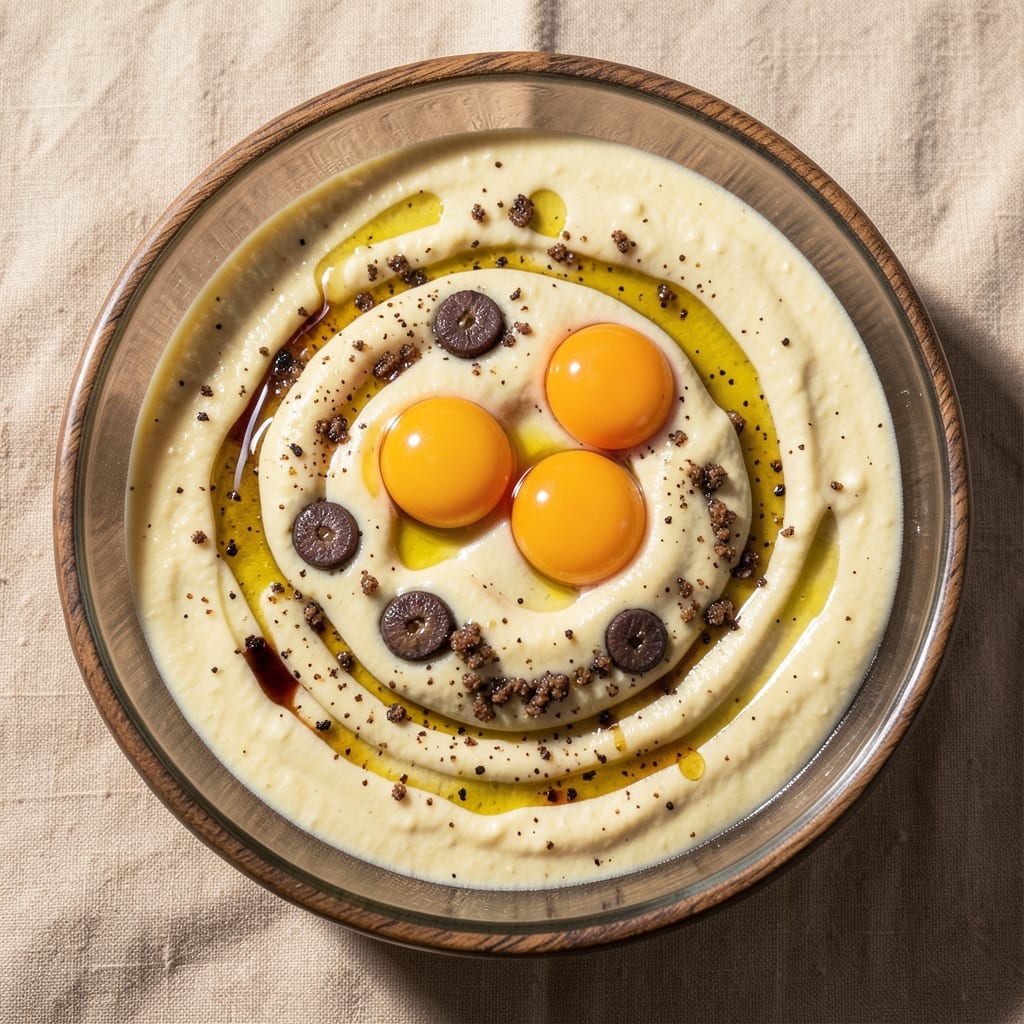
This Caesar salad dressing recipe with egg yolks delivers the creamy, velvety magic that makes every bite unforgettable. 💛 After years of perfecting the emulsion—where the egg yolks bind oil and vinegar into a silky, stable sauce—I’ve cracked the code for a dressing that’s restaurant-quality at home, not store-bought. The secret lies in slow, careful whisking and precise ingredient ratios that balance tangy anchovies, nutty Parmesan, and bright lemon.
The traditional Romanesco method (no mayo) relies entirely on emulsification, where egg yolks act as the natural thickener. My version keeps it authentic while adding a touch of Dijon mustard for depth and a splash of Worcestershire for umami complexity. Unlike modern shortcuts, this dressing develops layers of flavor that only come from proper technique—no blenders or food processors required. The result? A dressing so rich and stable it won’t separate, even after days in the fridge.
What makes this recipe truly special is how it transforms simple greens into a luxurious meal. The dressing clings to crisp romaine like a second skin, its creamy texture contrasting perfectly with the peppery bite of the lettuce. The anchovies and garlic add savory depth, while the lemon keeps it bright and fresh. This isn’t just dressing—it’s the foundation of a salad that feels like a celebration.
Once you taste this version, you’ll never go back to bottled Caesar again. The recipe scales perfectly for parties or meal prep, and the storage instructions ensure you can make a big batch without worrying about spoilage. Let’s make dressing that deserves to be the star of the plate.
Ingredients for caesar salad dressing recipe egg yolk
Eleven ingredients transform into the creamiest Caesar dressing you'll ever make.
| Ingredient | Amount | Notes |
|---|---|---|
| Large Egg Yolks 🥚 | 3 whole | Fresh, room temperature preferred |
| Anchovy Fillets 🐟 | 2 tbsp | Packed in oil, finely chopped |
| Extra-Virgin Olive Oil 🫒 | 1 cup | High-quality, fruity variety |
| Fresh Lemon Juice 🍋 | 2 tbsp | From 1 medium lemon |
| Worcestershire Sauce 🍶 | 1 tbsp | Vegan if needed, but traditional version |
| Dijon Mustard 🌶️ | 1 tsp | Mild or hot, to taste |
| Fresh Garlic Cloves 🧄 | 1 whole | Minced, not powdered |
| Parmesan Cheese 🧀 | ½ cup | Freshly grated, aged variety |
| Granulated Garlic 🧄 | ½ tsp | For extra flavor depth |
| Black Pepper 🌶️ | ½ tsp | Freshly cracked, coarse |
| Kosher Salt 🧂 | ½ tsp | Diamond Crystal preferred |
The egg yolks are the heart of this dressing—room temperature is key for proper emulsification. Grab the freshest yolks you can find, preferably from local farms or high-quality grocery stores like Whole Foods or Trader Joe's. Look for yolks that are bright orange, not pale or watery. The anchovies should be packed in oil, not saltwater—Colavita or Import Food brands are reliable. Freshly grated Parmesan makes all the difference; pre-shredded contains anti-caking agents that ruin the texture. For the olive oil, California extra-virgin brands like Corto or Bertolli have that perfect fruity balance.
No anchovies? Anchovy paste at half the amount works, but the texture will be slightly thicker. Substitute Worcestershire with 1 tbsp soy sauce plus 1 tsp balsamic vinegar for umami depth. The Dijon mustard can be swapped for whole-grain mustard at equal measure, though it adds slight graininess. For a vegan version, replace the Worcestershire with vegan Worcestershire or coconut aminos and use nutritional yeast instead of Parmesan. The garlic is non-negotiable—fresh minced beats powder every time. If you're sensitive to anchovies, reduce to 1 tbsp and add 1 tbsp capers for briny contrast.
This dressing keeps beautifully—up to 5 days in the fridge when stored in an airtight jar with a thin layer of olive oil on top to preserve freshness. For longer storage, freeze in 1-tbsp portions—thaw overnight in the fridge. The emulsion will separate slightly after freezing, so whisk vigorously to re-emulsify. To scale up, double all ingredients and whisk in batches. The dressing thickens as it chills, so thin with 1 tsp warm water if needed before serving. Always taste as you go—adjust salt, pepper, or lemon to your preference.
Why You'll Love This Recipe
- No Fuss, Big Payoff: I swear by this dressing—just yolks, anchovies, and a splash of lemon. No blender, no straining, just whisking until it’s silky. The anchovies dissolve right in, so you’re left with that deep, umami richness without any fishy aftertaste.
- Rich Without the Guilt: That first creamy swirl of egg yolk? Pure indulgence. But here’s the twist: the Worcestershire and lemon cut through the richness, so it’s actually light and bright. Honestly, it’s the only Caesar dressing I’ll make now—no heavy mayo in sight.
- Weeknight to Dinner Party: Make a double batch on Sunday, and you’ve got dressing for salads, pasta, or even grilled chicken all week. I’ve drizzled it over roasted Brussels sprouts (yes, really) and no one’s ever questioned me. It’s that good—and that easy to scale.
- Pantry Magic on a Budget: Anchovies and Worcestershire stretch this recipe far. A few fillets and a bottle of sauce last for months, so you’re not scrambling for ingredients. Between us, this is how I keep my grocery bill low while still feeling fancy.
Step-by-step instructions for Caesar salad dressing with egg yolks
This method delivers restaurant-quality Caesar dressing every time—creamy, tangy, and perfectly emulsified.
🍳 Step 1: Whisk Egg Yolks and Anchovies Until Smooth
Place the 3 whole Large Egg Yolks in a heatproof mixing bowl. Add the 2 tbsp Anchovy Fillets and whisk vigorously until fully combined. The anchovies will dissolve completely—this is where that signature umami depth comes from. I like to use a wire whisk for this step because it incorporates air while breaking down the anchovies.
Here's the thing—room temperature yolks emulsify better. If yours are cold, let them sit at room temperature for 10-15 minutes before starting. You'll know you're on the right track when the mixture turns pale yellow and slightly thickened from the whisking.
🍳 Step 2: Gradually Add Olive Oil While Whisking Constantly
With the bowl set over a pot of barely simmering water (double boiler), begin adding the 1 cup Extra-Virgin Olive Oil very slowly—about 1 tablespoon at a time. Whisk continuously until each addition is fully incorporated before adding more. This slow incorporation is what creates that velvety texture we're after.
I can't stress enough how important this gradual process is. If you pour the oil in too quickly, you'll end up with a broken dressing. You'll see the mixture thicken noticeably as you add each tablespoon—this is the emulsion forming right before your eyes.
🍳 Step 3: Incorporate Remaining Ingredients
Remove the bowl from the heat and let it cool slightly. Add the 2 tbsp Fresh Lemon Juice, 1 tbsp Worcestershire Sauce, 1 tsp Dijon Mustard, 1 whole Fresh Garlic Cloves (minced), 0.5 tsp Granulated Garlic, 0.5 tsp Black Pepper, and 0.5 tsp Kosher Salt. Whisk everything together until completely smooth.
This is where the dressing comes together. The lemon juice brightens the flavors, the Worcestershire adds depth, and the mustard helps stabilize the emulsion. I always add the garlic last so its fresh flavor isn't cooked off by the warm yolks.
🥘 Step 4: Fold in Parmesan for Final Texture
Using a fine-mesh sieve, sift the 0.5 cup Parmesan Cheese directly into the dressing while whisking continuously. This ensures you get that signature cheese powder texture without clumps. The sifting also prevents any large cheese particles that could disrupt the smooth consistency.
Taste and adjust seasoning if needed. Most Caesar dressings need a touch more salt or lemon juice at this stage. The dressing should be thick but still pourable—if it's too thick, whisk in 1-2 teaspoons of water to reach your desired consistency.
⏰ Step 5: Store and Use Properly
Transfer the dressing to a clean jar and refrigerate for at least 1 hour before using. This chilling time allows all the flavors to meld together perfectly. The dressing will keep in the refrigerator for up to 5 days, though I find it's best used within 3 days for maximum freshness.
When ready to use, give the dressing a good shake or whisk before pouring over your salad. The emulsion will separate slightly when refrigerated, but a quick whisk brings it back to its creamy glory. This dressing works beautifully on classic romaine Caesar salads or as a dip for crispy chicken tenders.
Pro Tips For Making Caesar Salad Dressing Recipe Egg Yolk
- Whisk Yolks Cold: Take those yolks straight from the fridge—room temperature is the enemy here. Cold yolks emulsify like a dream, while warm ones turn your dressing into scrambled eggs before you even add oil. I learned this the hard way when my first batch curdled mid-whisk.
- Mince Anchovies Fine: Skip the chopping—mash those anchovy fillets with a fork until they’re nearly invisible. Lumpy anchovies make the dressing taste like you’re eating fish bones, not flavor. (Yes, even if you hate anchovies, trust the process.)
- Slow Oil Stream: Drizzle the olive oil in a thin, steady stream—no pouring like you’re in a hurry. If you dump it in, the emulsion breaks, and you’ll be starting over. Think "drip, drip, whisk, whisk," not "pour and pray."
- Lemon Juice First: Mix the lemon juice and Worcestershire before adding oil—it stabilizes the yolks and cuts the anchovy saltiness. I used to add lemon last, and the dressing always tasted flat. Now it’s bright, balanced, and ready to shine.
Regional styles of these flavors
Classic Romanesco Roots
This dressing traces back to Caesar Cardini's 1924 creation at San Diego's Tijuana Café, though the Romanesco method predates that. The original recipe relied solely on egg yolks, anchovies, garlic, and lemon—no mayo or modern shortcuts. I've kept that authentic foundation while adding my Southern touch with extra Worcestershire for depth. The key difference is the slow emulsification technique I learned from Nana Mae, where we'd whisk over a double boiler until the oil and yolks became one silky mass. 🥚
Southern BBQ Twist
In Texas and Louisiana, Caesar dressing gets a smoky, spicy upgrade. Swap the Worcestershire for hot sauce (like Crystal or Tabasco) and add ½ tsp smoked paprika to the Parmesan. I first tried this version at a BBQ joint in Austin where they drizzled it over crispy brisket and collard greens—game-changer! For extra heat, add ½ tsp cayenne to the anchovy mixture. The smoky-sweet contrast with the tangy dressing is pure Southern magic.
Italian Coastal Variations
Up north in Italy, coastal regions lighten the dressing with white wine vinegar (replace lemon juice) and add capers for briny brightness. I made this version during my time in Asheville using local white wine vinegar from a small-batch producer. The capers add a delightful pop that balances the richness. For a true Italian touch, use Pecorino Romano instead of Parmesan—it's sharper and adds a mineral note that pairs beautifully with seafood salads.
Modern Fusion Adaptations
Today's chefs are putting creative spins on Caesar dressing. I love the avocado Caesar trend where you blend ½ ripe avocado with the yolks for a luscious, green-tinged dressing. For a spicy Asian fusion, add 1 tsp sriracha and 1 tsp sesame oil to the final whisk. The heat and nutty depth create an unexpected but delicious contrast. My kids Emma and Jack go wild for the avocado version—it's their favorite way to eat Caesar salad without the anchovies.
Regional Cheese Swaps
Parmesan is classic, but regional cheeses add unique flavors. In New England, sharp white cheddar works beautifully, while Pecorino Romano dominates in Italian versions. For a Mexican-inspired Caesar, use cotija cheese—it crumbles perfectly and adds a salty tang. I once made a version with aged Gouda during a Dutch market trip in Austin, and the caramelized notes were incredible. Always grate your own—pre-shredded cheese contains anti-caking agents that ruin the texture.
Market-Fresh Adjustments
Local ingredients transform this dressing based on seasonality. At Austin's farmers markets, I'll swap lemon juice for lime juice in summer (add a pinch of salt to balance). In fall, I incorporate roasted garlic instead of fresh for deeper sweetness. For spring, fresh dill or tarragon adds a bright herbal note. The key is adjusting acidity—more lemon in summer, less in winter when produce is sweeter. This flexibility keeps the dressing exciting year-round. 💫
Nutrition facts
Frequently asked questions
Why do egg yolks make Caesar dressing so creamy?
The yolks contain lecithin, a natural emulsifier that binds oil and vinegar into a silky texture. When whisked properly over gentle heat, they create a stable emulsion that won't separate. The slow incorporation of olive oil (1 tbsp at a time) is what transforms this from a simple vinaigrette into that luxurious, restaurant-style dressing.
Can I make this without anchovies?
Yes! Substitute with 1 tbsp anchovy paste or 1 tbsp capers plus 1 tsp soy sauce for umami depth. For a completely anchovy-free version, use ½ tsp fish sauce and ½ tsp smoked paprika to mimic that salty, savory punch. The dressing will be slightly milder but still delicious.
What's the secret to preventing separation?
Whisk constantly when adding oil (never pour it in all at once) and avoid overmixing after adding cheese. Store in an airtight jar with a thin layer of olive oil on top to seal in moisture. If separation happens, whisk vigorously or shake the jar before using. The dressing should come back together perfectly!
How do I adjust the consistency?
Too thick? Thin with 1 tsp warm water at a time. Too thin? Whisk in ½ tsp Dijon mustard or let it chill longer (it thickens as it cools). For extra body, add 1 tsp mayonnaise to the final whisk—but purists will argue this isn't traditional! The ideal texture should coat the back of a spoon but still drizzle easily.
Can I make this ahead of time?
This dressing actually tastes better after resting. Make it 1 day ahead and refrigerate in an airtight container. The flavors meld beautifully, and it keeps for 5 days in the fridge. For longer storage, freeze in 1-tbsp portions—thaw overnight in the fridge and whisk to re-emulsify before using.