
Side Dishes
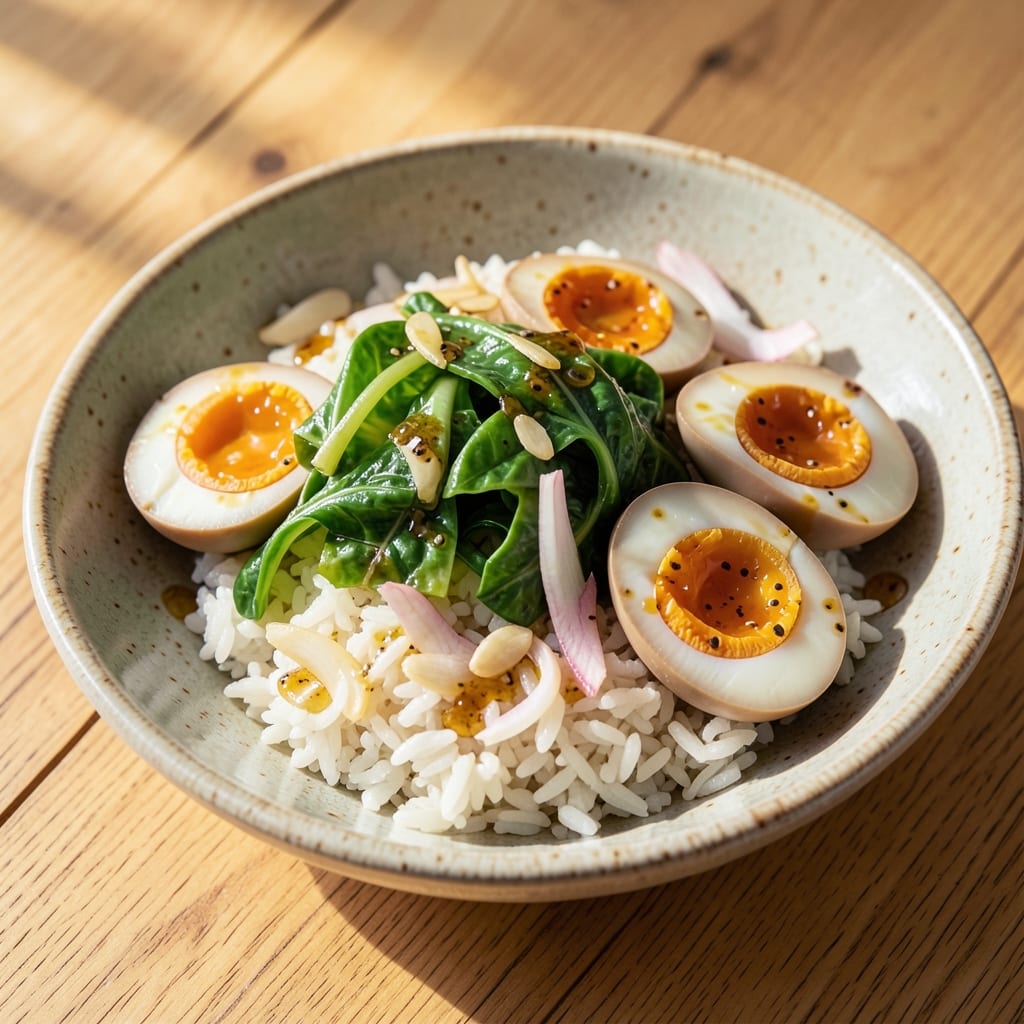
This cabbage egg rice recipe transforms simple ingredients into a crispy, savory stir-fry that’s quick, satisfying, and packed with texture. The secret lies in high-heat wok cooking—where cabbage wilts into tender bites, eggs cook to perfect runny yolks, and rice absorbs the aromatic sauce without turning mushy. I’ve perfected this dish for busy weeknights, but it’s equally at home as a light lunch or side for grilled meats.
The magic happens in layers: first, the cabbage gets a quick sear in oil until slightly charred, then the rice joins to soak up the flavors while the eggs poach in their own little pockets of warmth. The result? A dish that’s crispy on the edges, creamy from the eggs, and fragrant with garlic and soy. Serve it as-is for a balanced meal, or add protein like shrimp or chicken for extra heartiness. Ready in under 20 minutes, this recipe proves homemade fried rice doesn’t require a gourmet kitchen—just the right technique.
Ingredients for cabbage egg rice
Simple ingredients, bold flavors—this crispy fried rice delivers restaurant-quality texture in minutes.
| Ingredient | Amount | Notes |
|---|---|---|
| Day-Old Cooked White Rice 🍚 | 4 cups | Cold or room temperature preferred |
| Green Cabbage 🥬 | 4 cups | Shredded, core removed |
| Large Eggs 🥚 | 4 whole | Fresh, room temperature |
| Vegetable Oil 🫒 | ½ cup | High smoke point preferred |
| Garlic Cloves 🧄 | 4 cloves | Minced, fresh preferred |
| Fresh Ginger 🌿 | 1 tbsp | Grated, or 1 tsp ground |
| Light Soy Sauce 🍶 | 3 tbsp | Low-sodium preferred |
| Sesame Oil 🌰 | 1 tbsp | Toasted, for aroma |
| White Pepper 🌶️ | ½ tsp | Freshly ground preferred |
| Salt 🧂 | ½ tsp | Kosher or sea salt |
| Scallions 🧅 | 3 whole | Thinly sliced, green parts |
| Sesame Seeds 🌰 | 1 tbsp | Toasted, for garnish |
The cabbage is key here—green cabbage holds up best to high heat and adds that satisfying crunch. Grab a small head from Trader Joe's or your local Asian market for the freshest cut. If you're using pre-shredded cabbage, give it a quick rinse to remove excess moisture. The rice should be day-old—fresh rice turns mushy when stir-fried. If you don't have leftover rice, cook extra and refrigerate overnight. Day-old rice absorbs flavors like a sponge without getting gummy. For the eggs, room temperature ensures even cooking—just pull them from the fridge 30 minutes before starting.
No sesame oil? Toasted peanut oil works in a pinch, though the flavor will differ slightly. Short on scallions? Green onions or chives are perfect substitutes. The soy sauce can be regular or low-sodium—just adjust the salt at the end if needed. For extra crispiness, toss the cabbage in 1 tsp cornstarch before stir-frying. The white pepper adds depth without overpowering, but black pepper works too. If you're feeling adventurous, swap half the cabbage for Napa cabbage or bok choy for a different texture.
Store any leftovers in an airtight container for up to 3 days—though this dish reheats beautifully, the eggs may get slightly firmer. For longer storage, freeze portions for up to 3 months. I like to portion mine into single-serving containers so I can grab a quick lunch. The sesame seeds and scallions are best added fresh right before serving, but you can store them separately in the fridge for 1 week. If you're making this ahead, cook the rice and cabbage mixture in advance and store separately—just reheat the rice with a splash of water before adding the eggs.
Why You'll Love This Recipe
- One-Pan Magic: I swear by this—just toss everything in one pan, stir once, and walk away. The cabbage wilts while the eggs cook right into the rice, no flipping or fussing required. (Yes, even on a Tuesday night when I’m exhausted.)
- Garlic-Crispy Crunch: That first bite? The eggs stay runny inside with a crispy edge, and the garlic? Oh, it’s toasted until it’s fragrant and just shy of burning. The cabbage adds a satisfying crunch that disappears the second you eat it—like a little flavor explosion.
- Leftovers That Don’t Suck: Honestly, this tastes better the next day. The rice soaks up all the eggy goodness, and the cabbage softens into something almost buttery. I make a double batch on Sundays because it’s the only meal I don’t dread reheating.
- Pantry Staple Power: Between us, this recipe costs me pennies. Cabbage lasts forever, eggs are cheap, and I always have rice sitting around. It’s my go-to when I’m broke, busy, or both—and somehow still feels like a proper meal. (No takeout needed.)
Step-by-step instructions for crispy fried rice with soft-boiled eggs
Transform day-old rice into golden, crispy fried rice with perfectly soft-boiled eggs.
Prepare the Soft-Boiled Eggs
Bring a small pot of water to a gentle boil. Gently lower the 4 whole Large Eggs into the water using a spoon. Cook for exactly 6 minutes for jammy yolks—this timing is critical. You'll know they're ready when the whites are set but the yolks remain runny and slightly wobbly when gently shaken.
Immediately transfer the eggs to a bowl of ice water for 5 minutes to stop the cooking process. This shock treatment keeps the yolks perfectly soft. Peel the eggs under cool running water for easier removal of the shells. Set aside until ready to use—don't let them sit too long or they'll firm up.
Sauté the Aromatics and Cabbage
Heat 0.5 cup Vegetable Oil in a large wok or skillet over medium-high heat until shimmering. Add the 4 cloves Garlic Cloves and 1 tbsp Fresh Ginger, stirring constantly for 30 seconds until fragrant. You'll smell the garlic mellowing and the ginger releasing its warm aroma—this is your signal to add the cabbage.
Toss in the 4 cups Green Cabbage and stir-fry for 4-5 minutes until the edges just begin to soften but still retain some crunch. The cabbage should look vibrant green and slightly wilted. Remove from the pan and set aside—keeping it separate prevents it from overcooking during the rice cooking process.
Cook the Rice to Crispy Perfection
Increase the heat to high and add the 4 cups Day-Old Cooked White Rice, breaking up any clumps with a spatula. Cook for 3-4 minutes, stirring constantly, until the rice becomes golden brown in spots and begins to crisp at the edges. This is where the magic happens—the high heat creates that signature wok hei flavor.
Add the 3 tbsp Light Soy Sauce and 0.5 tsp Salt, mixing well to coat the rice evenly. Stir in the 1 tbsp Sesame Oil and 0.5 tsp White Pepper, then immediately add the sautéed cabbage back to the pan. Cook for another 2 minutes, tossing continuously to distribute the flavors and ensure even crisping throughout.
Halve the Eggs and Combine
Carefully slice each soft-boiled egg in half lengthwise and place them on top of the fried rice. The warm rice will gently cook the egg edges while keeping the centers perfectly runny. Use a spatula to gently fold the rice around the eggs, creating a visually appealing presentation with the yolks peeking through.
Cook for an additional 1-2 minutes just to meld the flavors and ensure everything is heated through. The rice should be crispy around the edges with a slight chew in the center, while the cabbage maintains its vibrant color and slight crunch.
Garnish and Serve Immediately
Remove from heat and immediately sprinkle with the 3 whole Scallions and 1 tbsp Sesame Seeds. The scallions add a fresh, bright contrast to the rich fried rice, while the toasted sesame seeds provide a nutty finish. Serve family-style in a large bowl or divide among individual plates.
This dish is best enjoyed immediately while the rice is crispy and the eggs are warm. The combination of crispy fried rice, soft-boiled eggs, and fresh cabbage creates a perfect balance of textures and flavors. Each bite should deliver that satisfying crunch followed by the creamy egg yolk and tender cabbage.
Pro Tips For Making Cabbage Egg Rice
- CHOP CABBAGE THIN: I learned this the hard way—thick cabbage slices take forever to soften and end up chewy. Aim for ⅛-inch strips, then give them a quick massage with a pinch of salt before cooking. This jumpstarts the breakdown so they melt into the rice instead of sitting like rubber.
- STIR-FRY RICE FIRST: Don’t just toss cold rice into the pan—heat it dry for 2 minutes with a splash of oil before adding anything else. This crisps the edges and toasts the starch, so the eggs and cabbage stick to it instead of sliding around like greased balls.
- SALT THE EGGS: Crack eggs into a bowl first, then season them with a pinch of salt. The whites will hold their shape better when cooked, and the yolks stay bright instead of turning cloudy from the cabbage’s acidity. (Yes, even if you’re impatient like me.)
- GARLIC AFTER CABBAGE: Add minced garlic only after the cabbage has softened and released its water—usually 3-4 minutes into cooking. This prevents it from burning before the cabbage can release its moisture, which keeps the whole dish from turning bitter.
Dietary considerations for this cabbage egg rice
Vegetarian-Friendly
This dish is naturally vegetarian, making it perfect for plant-based diets. The cabbage, rice, and eggs provide a complete protein profile when combined—cabbage offers fiber and vitamins, while eggs contribute high-quality protein. For a fully vegan version, simply replace the eggs with tofu or tempeh cubes, pressing them lightly before cooking to remove excess moisture. I like using extra-firm tofu cut into ½-inch cubes and pan-fried until golden. 🌱
Gluten-Free Adaptations
Traditional soy sauce contains gluten, but you can easily adapt this recipe for gluten-free diets. Use tamari or gluten-free soy sauce like San-J Tamari instead of regular soy sauce. These alternatives have a similar umami depth without the gluten content. I also recommend checking your sesame oil label—some brands process their oil in facilities that handle gluten-containing products. For extra safety, opt for certified gluten-free sesame oil. ✨
Egg-Free Options
If you're avoiding eggs for dietary reasons or allergies, this dish still shines with a few simple swaps. Replace the eggs with marinated mushrooms or crispy chickpeas for protein and texture. For mushrooms, slice 8 oz cremini mushrooms and sauté them with 1 tbsp soy sauce and 1 tsp maple syrup until caramelized. Chickpeas add a satisfying crunch—toss 1 cup cooked chickpeas with 1 tsp smoked paprika and pan-fry until golden. 💛
Low-Sodium Adjustments
This recipe uses soy sauce, which can be high in sodium, but it's easy to control. Start with low-sodium soy sauce and reduce the amount to 2 tbsp instead of 3 tbsp. Balance the flavor with extra fresh ginger or garlic—I often add an additional ½ tsp grated ginger or 1 extra clove of garlic for depth. For a salt-free option, use coconut aminos instead of soy sauce, though the flavor will be slightly milder. Taste as you go and adjust with a pinch of salt at the end if needed. 🧂
Protein Boost
Want to make this a heartier meal? Add shrimp, chicken, or tofu for extra protein. For shrimp, use ½ lb peeled and deveined, sautéed in 1 tbsp oil with ½ tsp garlic powder until pink. Chicken works well too—cut ½ lb boneless breast into ½-inch pieces and cook until no longer pink. Tofu absorbs flavors beautifully; press and cube 1 block extra-firm tofu, then pan-fry until crispy. Add these proteins during the final 2 minutes of cooking to avoid overcooking. 💪
Nutrition facts
Frequently asked questions
Can I use fresh rice instead of day-old rice?
Fresh rice is too moist and will turn mushy when stir-fried. For best results, use day-old rice that's slightly dry and separate. If you only have fresh rice, spread it on a tray and refrigerate for at least 4 hours to dry it out before cooking.
What's the secret to perfectly soft-boiled eggs?
The key is precise timing and immediate cooling. Cook eggs for exactly 6 minutes in boiling water, then shock them in ice water for 5 minutes. This stops the cooking process and keeps the yolks runny. Peel them under cool running water for easier removal.
How do I prevent the cabbage from getting soggy?
Cook the cabbage separately first for 4-5 minutes until just tender-crisp, then remove it from the pan. Re-add it only in the final 2 minutes of cooking with the rice. This two-step method maintains its crunch while allowing it to absorb flavors.
Can I make this recipe without sesame oil?
Yes! Use toasted peanut oil or avocado oil instead. For a similar nutty aroma, add ½ tsp ground toasted sesame seeds directly to the rice during cooking. The dish will still taste delicious—just with slightly different flavor notes.
How do I reheat leftovers without drying out the rice?
Sprinkle 1 tsp water over the rice in the microwave-safe dish, cover with a damp paper towel, and heat for 45-60 seconds on medium power. For stovetop reheating, use a nonstick pan with ½ tsp oil and cover with a lid to trap steam.