
Breakfast & Brunch
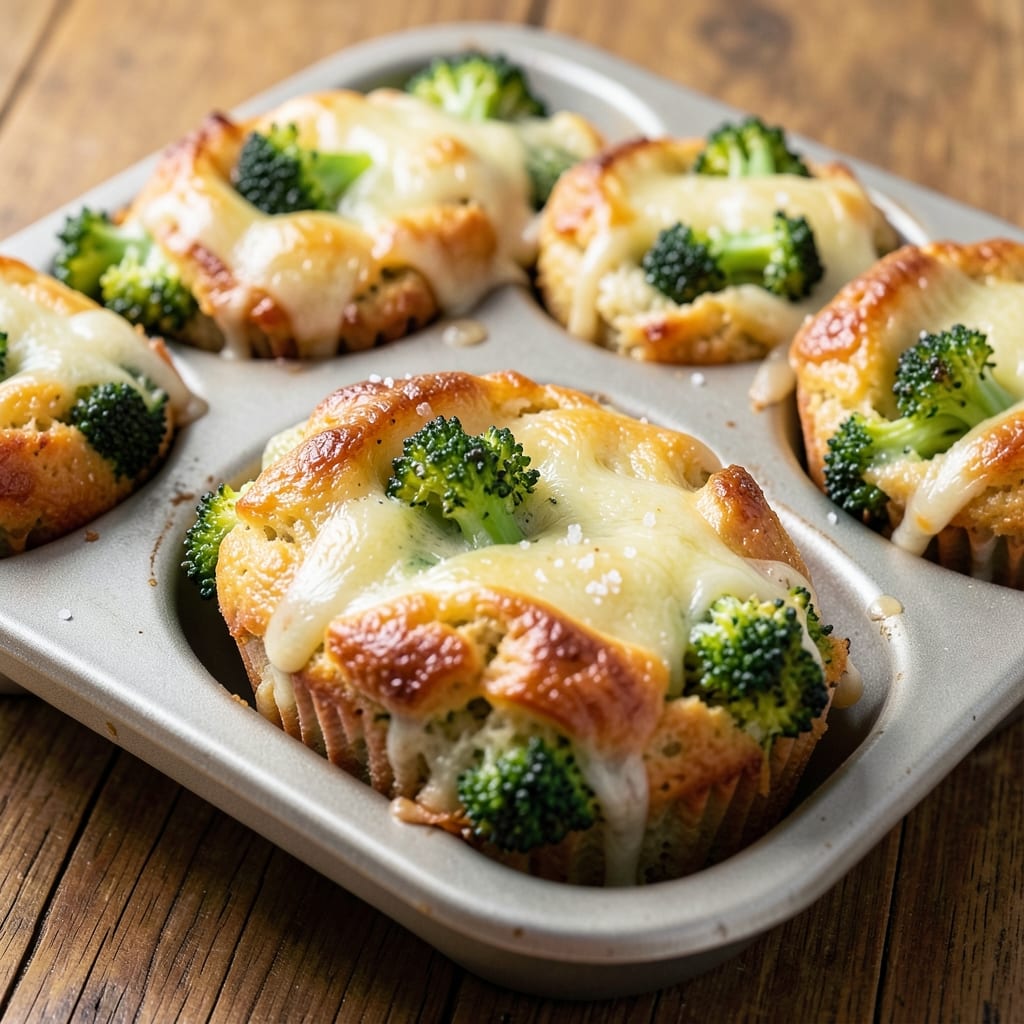
This broccoli cottage cheese egg muffin recipe transforms simple ingredients into high-protein, savory bites perfect for meal prep or breakfast on the go. The combination of fluffy eggs, creamy cottage cheese, and steamed broccoli creates a texture that's both tender and satisfying—like a cross between a quiche and a protein-packed frittata. I developed this recipe after realizing how quickly I could whip up a batch of egg muffins that stayed fresh for days, making mornings effortless.
The secret to these muffins lies in the balance of flavors and textures: the cheesy richness of cottage cheese, the earthy crunch of broccoli, and the light, fluffy structure from beaten eggs. Unlike traditional egg muffins, this version incorporates steamed broccoli for a vibrant color and subtle sweetness that pairs beautifully with the savory notes. Baking at 350°F ensures they’re golden and fully set, while still maintaining a moist interior—no dry or rubbery results here.
What sets these apart is their versatility—they’re great for breakfast, a protein-packed snack, or even a light lunch. The muffins hold their shape when reheated, making them ideal for meal prep. Top them with a sprinkle of everything bagel seasoning or hot sauce for an extra kick, or keep them plain for a clean, wholesome bite. Each muffin delivers a perfect balance of protein, fiber, and flavor without any unnecessary ingredients.
Ready in just 20 minutes, this recipe is designed for efficiency without sacrificing quality. Whether you’re prepping for the week or craving a quick breakfast, these muffins deliver restaurant-quality results with minimal effort. Let’s get started—your future self will thank you.
Ingredients for broccoli cottage cheese egg muffin
Twelve ingredients for twelve high-protein muffins—simple yet restaurant-quality with cottage cheese and broccoli.
| Ingredient | Amount | Notes |
|---|---|---|
| Large Eggs 🥚 | 6 whole | Room temperature for even baking |
| Low-Fat Cottage Cheese 🧀 | 1 cup | 2% or full-fat for creaminess |
| Fresh Broccoli Florets 🥦 | 2 cups | Steamed until tender-crisp |
| All-Purpose Flour 🌾 | ¼ cup | For binding texture |
| Shredded Low-Moisture Mozzarella 🧀 | ½ cup | Part-skim for balanced flavor |
| Diamond Crystal Kosher Salt 🧂 | ½ tsp | Adjust to taste |
| Freshly Ground Black Pepper 🌶️ | ¼ tsp | Cracked peppercorns preferred |
| Extra-Virgin Olive Oil 🫒 | 1 tbsp | For greasing muffin tin |
| Garlic Powder 🧄 | ½ tsp | For subtle depth |
| Onion Powder 🧅 | ½ tsp | Enhances savory profile |
| Everything Bagel Seasoning 🧂 | 1 tbsp | For garnish (optional) |
| Non-Stick Cooking Spray 🫧 | 1 tbsp | For muffin tin preparation |
The cottage cheese is non-negotiable here—it delivers that signature cheesy richness without making the muffins dense. 2% or full-fat works best, though low-fat still delivers protein. I always grab Organic Valley from the grocery store's refrigerated section—it's consistently creamy. For the broccoli, fresh is best, but frozen works in a pinch if thawed and steamed properly. Look for florets with vibrant green color; yellowing means it's past its prime. Pre-steaming the broccoli until tender-crisp is key—overcooking turns it mushy and ruins the texture balance.
No fresh broccoli? Frozen steamed florets will work, but drain them well to avoid soggy muffins. Swap the mozzarella for Parmesan or cheddar if you prefer, though mozzarella's mild flavor complements the eggs perfectly. The flour is just for binding—don't skip it, but if you're gluten-free, almond flour at double the amount works surprisingly well. For the seasonings, garlic and onion powders add depth without overpowering, but fresh herbs like chives or parsley could replace them if you're feeling fancy. The eggs should be room temperature for even baking—cold eggs create dense muffins.
These muffins reheat beautifully—microwave for 30 seconds or bake at 300°F for 5 minutes to restore crispiness. Store in an airtight container in the fridge for 5 days or freeze for 3 months by wrapping each muffin individually. For meal prep, I assemble the batter in advance and bake fresh the next day—batter keeps 24 hours in the fridge. The everything bagel seasoning is optional but adds a delightful crunch; sprinkle it on right before serving. Leftovers make great lunches or snacks—just pop one in the toaster for extra crisp.
Why You'll Love This Recipe
- I swear by this trick: just dump frozen broccoli florets straight into the mix—no thawing, no chopping. The steam softens them perfectly while the eggs cook, and honestly? You’d never know they started frozen. (Yes, even on a Tuesday night when I’m too tired to peel garlic.)
- I’ll be real: cottage cheese and eggs are cheap, and broccoli’s one of those veggies that lasts forever in the freezer. Flour and mozzarella? You’re already buying those for other things. This recipe stretches a grocery budget without feeling like a sacrifice. Plus, the leftovers reheat in minutes—no sad, rubbery egg situations here.
Step-by-step instructions for broccoli cottage cheese egg muffins
Here's the precise method for creating fluffy, high-protein egg muffins with perfect texture every time.
Steam the Broccoli Until Tender-Crisp
Bring a small pot of water to a gentle boil and add the 2 cups fresh broccoli florets. Steam for exactly 3-4 minutes until the florets are bright green and tender yet still firm to the bite. Overcooking will make them mushy, which affects the muffin texture. Immediately drain in a colander and press out any excess water using a clean kitchen towel.
While the broccoli steams, preheat your oven to 375°F. This temperature ensures even baking without drying out the muffins. I like to position the oven rack in the middle position for consistent heat distribution throughout the baking process.
Whisk Wet Ingredients for Maximum Fluffiness
In a large mixing bowl, combine the 6 whole large eggs, 1 cup low-fat cottage cheese, 0.25 cup all-purpose flour, 0.5 tsp diamond crystal kosher salt, 0.25 tsp freshly ground black pepper, 0.5 tsp garlic powder, and 0.5 tsp onion powder. Using a whisk or electric mixer, beat the ingredients vigorously for 2-3 minutes until completely smooth and slightly thickened.
The cottage cheese adds creaminess while the flour helps bind the mixture. I've found that room temperature eggs incorporate more air, which creates lighter muffins. If your eggs are straight from the fridge, let them sit at room temperature for 10 minutes before mixing.
Fold in Broccoli and Cheese
Gently fold the steamed broccoli florets and 0.5 cup shredded low-moisture mozzarella into the egg mixture using a rubber spatula. Be careful not to overmix—just combine until the broccoli is evenly distributed. The mixture should be thick but still pourable. If it appears too thick, add 1-2 tablespoons of water to achieve the right consistency.
This is where the texture magic happens. The broccoli adds moisture and nutrients while the mozzarella contributes meltiness. The key is gentle folding to maintain air pockets created during the whisking phase. Any lumps in the broccoli will disappear during baking, so don't worry about perfect uniformity.
Prepare and Fill Muffin Tin
Lightly grease a standard 12-cup muffin tin using the 1 tbsp non-stick cooking spray, making sure to coat each cup thoroughly. Then, carefully pour the batter into the prepared muffin tin, filling each cup about ¾ full. I use a small ladle for even distribution, tapping the tin gently on the counter to help the batter settle evenly.
For best results, work quickly but carefully. The batter should be at room temperature when you pour it, which helps create those beautiful air pockets. If you notice the batter separating in the tin, gently swirl each cup with a toothpick before baking to restore uniformity.
Bake to Golden Perfection
Bake the egg muffins in the preheated 375°F oven for 18-20 minutes, until the tops are golden brown and a toothpick inserted into the center comes out clean. The muffins should be set but still slightly moist—overbaking leads to dry, rubbery results.
I recommend checking at the 18-minute mark as ovens vary. When they're done, remove from the oven and let them cool in the tin for 5 minutes before transferring to a wire rack. This brief resting period helps them set properly. For extra flavor, sprinkle with the 1 tbsp everything bagel seasoning while still warm.
Pro Tips For Making Broccoli Cottage Cheese Egg Muffin
- Preheat Muffin Tin First: I learned this the hard way—cold tins absorb heat like sponges, so your muffins will steam instead of brown. Pop the tin in a 350°F (175°C) oven for 5 minutes while you prep the batter, then crack those eggs right in. The difference in texture is night and day.
- Chop Broccoli Tiny: Big florets turn mushy and sink to the bottom like rocks. Pulse them in a food processor for 3-4 seconds—you want pea-sized pieces that distribute evenly. If you’re doing it by hand, aim for florets no bigger than a dime. They’ll cook faster and stay crisp.
- Drain Cottage Cheese Well: Skip the watery mess by lining a fine-mesh strainer with cheesecloth, then spooning in the cottage cheese. Let it drain for 10 minutes in the fridge while you mix the rest. Wet cottage cheese makes your muffins dense and gummy—no one wants that.
- Add Mozzarella Last: Fold in the shredded cheese right before baking, or it’ll melt into a sad, soupy glop. Use your hands to gently mix it in—this recipe isn’t a science experiment, and overmixing makes muffins tough. The cheese should peek through the top like little golden surprises.
Storing and reheating your broccoli cottage cheese egg muffin
Fridge Storage
Store your egg muffins in an airtight container on the middle shelf of your fridge, where temperatures stay most consistent. They'll keep fresh for up to 5 days, with flavors actually deepening over time. I like to arrange them in a single layer first, then stack with parchment paper between layers to prevent sticking. Label the container with the date—trust me, you'll forget! 🧀
For maximum freshness, let the muffins cool completely before storing. I've found that transferring them to the fridge while still warm creates condensation inside the container, which can make them soggy. If you're prepping for the week, I recommend baking just enough for 3-4 days at a time rather than making a giant batch all at once.
Freezer-Friendly
Freeze muffins individually wrapped in parchment paper or stored in a single layer on a tray before transferring to a freezer bag. This prevents them from sticking together. They'll stay good for 3 months, though I've had mine taste great even after 4 months. When ready to eat, thaw overnight in the fridge or reheat directly from frozen. 🥶
For quick reheating, I recommend the oven method: bake at 300°F for 8-10 minutes until warmed through. This restores their crispy exterior while keeping the inside tender. If you're short on time, the microwave works too—just heat for 30 seconds on medium power, then add 10 seconds more if needed. Sprinkle with everything bagel seasoning after reheating for that fresh-from-the-oven taste.
Meal Prep Tips
Prepare the batter ahead of time and store it in an airtight container in the fridge for up to 24 hours. When ready to bake, simply pour into the muffin tin and pop in the oven. This saves you 10 minutes of prep time in the morning. I've also found that baking the muffins fresh each day maintains the best texture, though they're still delicious reheated. 📅
For variety, assemble different muffin flavors in advance—like adding spinach to half the batter and broccoli to the other half. Store them separately in the fridge or freezer, then mix and match when reheating. This is especially useful if you have picky eaters in your household. The cottage cheese base keeps them creamy regardless of the vegetable addition.
Reheating Methods
For crispy exteriors, I prefer the toaster method—just pop a muffin in for 1-2 minutes until golden. This works best for muffins stored in the fridge. If they've been frozen, the oven method at 300°F for 8-10 minutes gives you the best texture restoration. Avoid microwaving unless you're in a rush—they can end up rubbery. 🔥
Pro tip: If your muffins seem dry after reheating, try adding 1 teaspoon of water to the microwave-safe plate before reheating. The steam helps restore moisture. For extra flavor, I like to sprinkle a pinch of garlic powder or hot sauce after reheating—it's like giving them a little flavor boost. The everything bagel seasoning also adds a nice crunchy contrast to the tender interior.
Nutrition facts
Frequently asked questions
Can I make these egg muffins without broccoli? Swap the broccoli for 1 cup of spinach, ½ cup diced bell peppers, or even ¼ cup finely chopped mushrooms for a different flavor profile. Just
Why did my egg muffins turn out dense instead of fluffy?
Dense muffins usually happen when the batter isn't whipped enough or the eggs are cold. Always use room-temperature eggs and whisk the wet ingredients for 2-3 minutes to incorporate air. Also, avoid overmixing after adding the cottage cheese and veggies—gentle folding is key! If your oven runs hot, reduce the temperature to 350°F for baking.
How many muffins should I make for a single serving?
These muffins are perfectly portioned for 1-2 per serving, depending on your appetite. A standard 12-cup muffin tin yields 12 muffins, which makes 6 servings (2 muffins each) or 12 individual snacks. For meal prep, I recommend making a full batch—they reheat beautifully and keep well in the fridge or freezer.
Can I add cooked meat to these egg muffins?
Yes! These muffins work great with diced cooked sausage, crumbled bacon, or shredded rotisserie chicken. Just make sure the meat is fully cooked and drained well to avoid making the batter too wet. Add it to the egg mixture right before pouring into the muffin tin. For a heartier version, you could even mix in ¼ cup of cooked quinoa or black beans for extra fiber.
What's the best way to reheat these muffins for maximum crispiness?
For the crispiest results, use a toaster or toaster oven for 1-2 minutes—this restores that golden crust without drying out the inside. If you prefer oven reheating, bake at 300°F for 8-10 minutes. For microwave reheating (when you're in a hurry), cover with a damp paper towel for 20-30 seconds—this adds steam to keep them moist. Always reheat until piping hot to kill any bacteria.