
Breakfast & Brunch
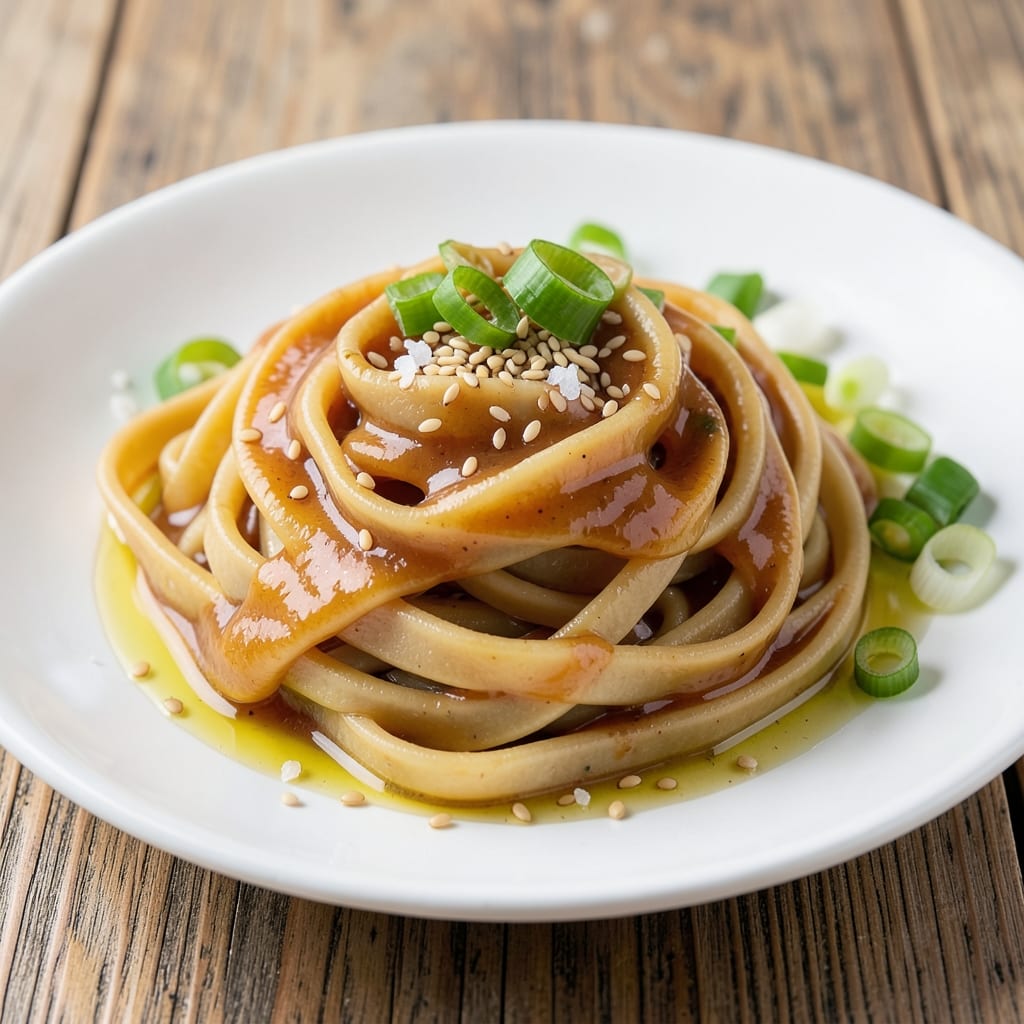
Broad egg noodles transform any dish into something extraordinary with their silky texture and golden yolk streaks. 🌟 The secret lies in the high-egg content—these noodles are rich, tender, and perfect for stir-fries, soups, or even simple garlic oil dishes. Unlike store-bought versions, homemade broad egg noodles boast a delicate chew and vibrant color that elevates every bite.
This recipe delivers a foolproof method for achieving restaurant-quality results at home. With just five ingredients and 30 minutes of active time, you'll master the art of rolling, cutting, and cooking noodles that hold their shape yet remain tender. The key is patience: proper resting time ensures the dough develops gluten for that signature silky texture.
Imagine twirling noodles coated in a fragrant sauce, each strand glistening with egg yolk and aromatics. Whether you're making dan dan noodles, aglio e olio, or a simple stir-fry, these noodles absorb flavors beautifully while maintaining their structure. The best part? They pair equally well with bold sauces or light dressings.
Perfect for weeknight dinners or special occasions, these noodles become the star of any meal. Let's get started on creating your own batch—your taste buds will thank you.
Ingredients for broad egg noodles
Five simple ingredients transform into golden, silky noodles that taste like a restaurant favorite.
| Ingredient | Amount | Notes |
|---|---|---|
| All-Purpose Flour 🌾 | 2 ½ cups | High-protein preferred for chew |
| Large Eggs 🥚 | 6 whole | Room temperature for best mixing |
| Salt 🧂 | 1 tsp | Fine sea salt preferred |
| Water 💧 | ½ cup | Room temperature for smooth dough |
| Vegetable Oil 🫒 | 1 tbsp | For dusting rolling pin |
The flour is where the magic happens—King Arthur or Gold Medal are my go-tos for that perfect chew. High-protein flour (11-12% protein) gives you that restaurant-quality bite, but all-purpose works in a pinch. Eggs? Room temperature is key—crack them into a bowl first, let them sit while you mix the flour. The salt? Don't skip it—it balances the richness of the eggs and enhances flavor. I always use Diamond Crystal kosher salt because it dissolves better than table salt. For the water, tap is fine, but if yours is super hard (like mine), filtered or bottled works best—you want smooth dough, not gritty surprises.
No high-protein flour? Add 1 tbsp vital wheat gluten to all-purpose for a similar effect. Egg substitutes? Flax eggs (3 tbsp ground flax + 9 tbsp water = 3 eggs) work, but the texture won't be quite as silky. The dough should be smooth but slightly tacky—add a splash more water if it's crumbly, but don't overdo it. Rolling out the noodles? Vegetable oil on your rolling pin prevents sticking, and a well-floured surface makes all the difference. Want wider noodles? Roll thinner and cut wider strips. Narrower? Thicker dough and thinner cuts. Pro tip: Chill the dough 15 minutes before rolling if your kitchen feels warm—it makes handling easier.
Freshly made noodles cook in 2-3 minutes—set a timer and watch like a hawk! They're done when they float and turn opaque. Never overcook—they'll keep cooking off the heat. Store leftovers in an airtight container with a damp paper towel to prevent drying. Keeps 3-4 days in the fridge, or freeze for up to 3 months (thaw in cold water before cooking). For a shortcut, cook fresh noodles, rinse in cold water, and freeze them in a single layer on a tray before bagging. They'll keep their shape perfectly!
Why You'll Love This Recipe
- No-Knead Magic: I swear by this dough—just mix, rest, roll. No standing over a counter, no aching arms. The eggs bind it all together while you sip coffee, and that little oil rub? Keeps them tender without fuss.
- Rich, Chewy Bite: The eggs make these noodles ridiculously satisfying—silky inside, with that perfect resistance when you bite. Honestly, I’ll take these over store-bought any day, especially when tossed with garlic butter or a simple stir-fry.
- Weeknight Workhorse: These noodles handle everything—slurp them in broth, toss with veggies, or pile high for a lazy Sunday brunch. I make a double batch on Sundays and freeze half; by Wednesday, I’m grateful for the shortcut.
- Pocketbook Friendly: Five ingredients, zero waste. Flour and eggs stretch farther than you’d think, and the oil keeps them from sticking like glue. Between us, this is how I feed my family well without breaking the bank—no sad takeout nights here.
Step-by-step instructions for making broad egg noodles
Here's how to craft silky, golden noodles with perfect yolk streaks—every bite will be pure comfort.
👨🍳 Step 1: Mix Dough to a Smooth, Elastic Texture
Create a well in the center of the 2.5 cups all-purpose flour on a clean surface or stand mixer bowl. Add the 6 whole large eggs (room temperature) and 1 teaspoon salt to the well. Using a fork, gently whisk the eggs and salt until combined, then gradually incorporate the flour from the edges, mixing with your hands or mixer paddle on low speed.
Once rough clumps form, switch to medium speed and knead for 5-7 minutes until the dough becomes smooth, elastic, and no longer sticky. If it feels too dry, add 1 tablespoon water at a time until just combined. The dough should feel like soft modeling clay—press your finger into it; if it springs back slowly, it's ready. Wrap tightly in plastic and rest for 30 minutes at room temperature for easier rolling.
🥘 Step 2: Roll the Dough to Perfectly Even Thickness
Lightly dust your work surface with flour and unwrap the rested dough. Divide it into 4 equal pieces (about ¾ pound each) for easier handling. Take one piece and roll it into a log, then use a rolling pin to flatten it into a ¼-inch thick rectangle. Here's the thing—broad noodles need precision. Use a pasta machine if you have one, or roll by hand with even pressure, rotating the dough 90 degrees after each pass to maintain consistency.
If the dough tears, don't panic—just patch it with a bit of water and keep rolling. The goal is a smooth, even surface. For extra-silky noodles, fold the rolled dough into thirds like a letter, then roll again. This creates thinner layers that yield more delicate strands when cut. Keep the remaining dough covered to prevent drying.
🔪 Step 3: Cut into Broad Ribbons with Precision
Set your pasta machine to the widest setting (usually 1/8-inch) and feed the dough through once. For hand-rolled dough, use a sharp knife or pasta cutter to slice ¼-inch wide ribbons. The width matters—too thin and they'll break; too thick and they'll feel heavy. Taste-test a small piece by cooking it for 2 minutes in boiling water to check the texture. If it's perfect, proceed; if not, adjust your rolling thickness.
Lay the cut noodles in a single layer on a floured surface, separating the strands with your fingers. Sprinkle lightly with flour to prevent sticking. This step is where the magic happens—when you cook them, each strand will hold its shape beautifully, releasing those golden yolk streaks into your dish. Work quickly to avoid overhandling, which can make the noodles tough.
🔥 Step 4: Cook to Al Dente Perfection
Bring a large pot of water to a rolling boil and add 1 tablespoon salt (enough to taste like the sea). Add the noodles in batches if needed, stirring gently to prevent sticking. Cook for 2-3 minutes—they're done when they float to the surface and a taste test reveals a tender yet slightly firm bite. Broad noodles cook faster than thin strands, so don't overcook!
Drain immediately and toss with a splash of the pasta water to prevent sticking. For the ultimate presentation, transfer to a serving dish and drizzle with a little of the vegetable oil (the same oil you used for dusting). This keeps them glossy and prevents clumping. Serve immediately with your favorite sauce—those silky yolk streaks will create a showstopping effect in every bite.
Pro Tips For Making Broad Egg Noodles
- Use Cold Water for Kneading: I learned this the hard way—warm water makes the dough sticky and impossible to handle. Mix your flour, eggs, and salt first, then add ice water (about 2-3 tablespoons) until the dough comes together just enough to press. Cold water tightens the gluten without overworking it, and your noodles will hold their shape when boiling.
- Cut Eggs Through the Shell: Skip cracking eggs into a bowl—it’s messy and introduces extra air. Instead, poke holes in the shells, let the yolks slide into your mixing bowl, then squeeze the whites through. This keeps the yolks intact for richer flavor and saves cleanup. (Yes, even if you’re impatient like me.)
- Rest Dough 20 Minutes: This isn’t the prettiest method, but it’s the tastiest. After mixing, let the dough sit under a damp towel while you prep your rolling surface. The gluten relaxes, so rolling becomes effortless, and your noodles won’t tear when cutting. I skip this when I’m lazy, but the dish is noticeably better when I don’t.
- Roll Thin, Cook Fast: Broad egg noodles should be about 3mm thick—thicker means gummy centers. Use a well-floured rolling pin or machine, and test a piece in boiling water: it’s done when it floats and holds its shape. Overcooking turns them mushy, so keep an eye on the pot. (Your future self will thank you.)
Health benefits of these flavors
Protein Powerhouse
Each serving of these broad egg noodles delivers a satisfying 12-15 grams of protein per 2-ounce serving, thanks to the high egg content. This makes them an excellent choice for muscle recovery after workouts or as a filling vegetarian meal. The eggs provide all nine essential amino acids, which are crucial for tissue repair and immune function.
Rich in B Vitamins
Eggs are nature's B vitamin powerhouse, and these noodles inherit that nutritional boost. A single serving provides significant amounts of B12, riboflavin, and folate, which support energy metabolism and red blood cell production. The B vitamins also help convert food into usable energy, making these noodles perfect for a quick lunch that fuels your day.
Healthy Fats for Satiety
Contrary to popular belief, the egg yolks in these noodles contribute beneficial monounsaturated and polyunsaturated fats, which support heart health and keep you feeling full. These fats help stabilize blood sugar levels, preventing energy crashes. Plus, the natural fats in eggs enhance the absorption of fat-soluble vitamins like vitamin A and vitamin E from other ingredients in your meal.
Low-Carb Flexibility
With only about 3-4 grams of carbohydrates per serving, these noodles fit seamlessly into low-carb or keto diets when used in moderation. The high protein and fat content help satisfy cravings while keeping net carbs low. For an even lower-carb option, you can reduce the flour slightly by substituting 2 tablespoons with vital wheat gluten per batch.
Gluten-Free Adaptation
While traditional broad egg noodles contain wheat flour, you can easily adapt this recipe for gluten-free diets. Replace the all-purpose flour with a 1:1 gluten-free flour blend (like Bob's Red Mill) and add 1 extra tablespoon of xanthan gum per cup of flour. The texture will be slightly different but still delicious. Always check that your gluten-free flour blend has a high protein content for the best results.
Versatile Nutritional Base
These noodles serve as a blank canvas for nutrient-dense toppings. Pair them with steamed vegetables for fiber, lean proteins like shrimp or tofu for extra protein, or avocado for healthy fats. The silky texture makes them perfect for absorbing vitamins and minerals from your favorite sauces while keeping the meal balanced and satisfying. 💪
Nutrition facts
Frequently asked questions about broad egg noodles
Why do broad egg noodles have those beautiful golden streaks?
The golden yolk streaks come from the high egg content in the dough. When you cook them, the heat releases fat from the yolks, which melts into the strands as they soften. For extra dramatic streaks, use pasture-raised eggs—their richer yolks create more pronounced color and flavor.
Can I make these noodles without a pasta machine?
Roll the dough by hand using a rolling pin on a floured surface. Aim for ¼-inch thickness and rotate the dough 90 degrees after each roll for even thickness. For precision, fold the rolled dough into thirds like a letter and roll again—this creates thinner layers that yield more delicate strands.
How do I prevent my homemade noodles from sticking together?
After cutting, lay the noodles in a single layer on a well-floured surface and separate the strands with your fingers. Lightly dust with flour again before cooking, and toss them with a splash of pasta water after draining. For storage, keep them in an airtight container with a damp paper towel to maintain moisture.
What's the best way to reheat leftover broad egg noodles?
Reheat in a skillet with 1 tablespoon oil over medium-low heat for 2-3 minutes, stirring constantly to prevent sticking. Add a splash of water or broth to keep them moist. For microwave reheating, cover with a damp paper towel and heat in 20-second bursts until warmed through. Never reheat dry—they'll turn rubbery!
Can I use whole wheat flour instead of all-purpose?
Yes, but expect a nuttier flavor and slightly denser texture. Replace ½ the all-purpose flour with whole wheat and add 1 extra tablespoon water to compensate for the extra moisture in whole wheat. The dough will be stickier, so work quickly and keep everything well-floured. For best results, use a blend of 70% all-purpose and 30% whole wheat flour.