
Breakfast & Brunch
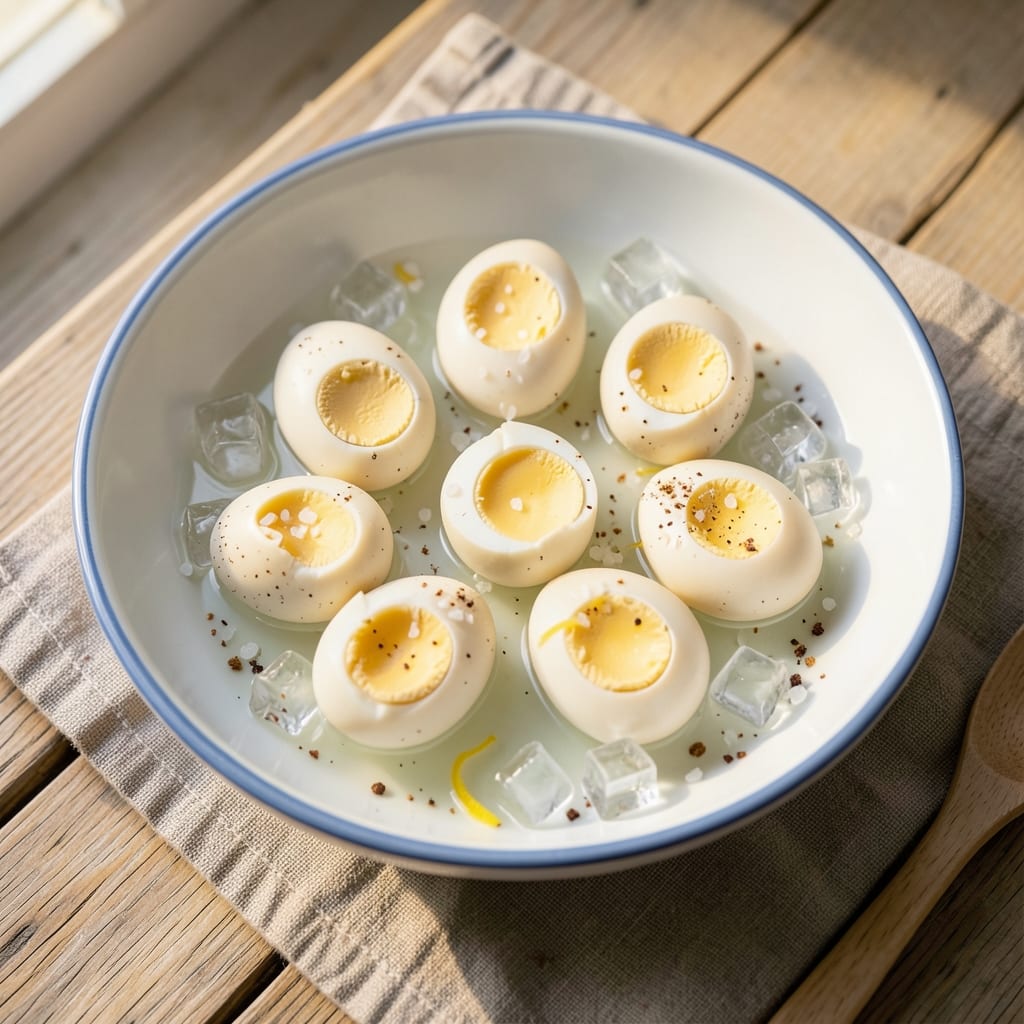
A boil egg recipe for breakfast delivers that perfect balance of crispy shells and creamy yolks—a protein-packed start that takes just minutes to master. The secret lies in precise water temperature and timing, transforming simple eggs into a satisfying, restaurant-quality bite. I’ve perfected this method after years of trial and error, ensuring no more rubbery whites or green-tinged yolks.
This recipe focuses on fast, foolproof boiling with room-temperature eggs and a pinch of vinegar to keep shells intact. Whether you prefer soft, medium, or hard-boiled eggs, the technique adapts seamlessly. The result? Eggs that slice cleanly, with vibrant yolks and shells that stay snappy even after cooling.
Pair your boiled eggs with toasted sourdough, avocado slices, or a sprinkle of flaky salt for a complete breakfast. The versatility is endless—use them in salads, sandwiches, or enjoy them solo with a dash of hot sauce. This method guarantees crispy shells and creamy yolks every time, making it a breakfast game-changer.
No special equipment is needed—just a pot, timer, and patience. The key steps (water-to-egg ratio, ice bath cooling) ensure perfect eggs without guesswork. Ready in under 15 minutes, this recipe transforms your morning routine into a satisfying, protein-rich ritual.
Ingredients for boil egg recipe for breakfast
Eight essential ingredients transform simple eggs into restaurant-quality breakfast bites.
| Ingredient | Amount | Notes |
|---|---|---|
| Large Eggs 🥚 | 8 whole | Room temperature for even cooking |
| White Vinegar 🍶 | 1 tbsp | Prevents shell cracking during boiling |
| Ice Cubes ❄️ | 4 cups | For ice bath cooling |
| Diamond Crystal Kosher Salt 🧂 | 1 ½ tbsp | For flavorful water |
| Cold Water 💧 | 8 cups | Room temperature preferred |
| Flaky Sea Salt 🧂 | 1 tsp | For final seasoning |
| Freshly Ground Black Pepper 🌶️ | ½ tsp | Optional finishing touch |
| Toasted Sourdough Bread 🍞 | 4 slices | For serving |
| Avocado Slices 🥑 | 1 whole | Optional garnish |
| Hot Sauce 🌶️ | 1 tbsp | Optional serving suggestion |
The eggs are the star—large, fresh eggs with firm whites and vibrant yolks yield the best results. Room temperature eggs cook more evenly, preventing cracked shells. I always source mine from local farms or specialty grocers like Whole Foods, where the eggs are pasture-raised for richer flavor. The Diamond Crystal kosher salt is crucial for seasoning the boiling water—it dissolves completely and enhances flavor without overpowering. Vinegar isn't just for preservation; it prevents shell cracking by creating a protective barrier during the boiling process. For optimal texture, avoid using eggs straight from the fridge—they cook unevenly and may develop greenish yolks.
No vinegar? A splash of lemon juice or white wine works in a pinch, though vinegar is ideal for its neutral flavor. Short on ice? Cold water from the tap in a bowl suffices, though an actual ice bath ensures firmer whites. The flaky sea salt for finishing should be coarse—it clings better to the eggs and adds a satisfying crunch. For serving, toasted sourdough is my go-to, but any crusty bread works. Avocado adds richness, while hot sauce brings heat. The eggs can be boiled to soft (6 minutes), medium (7 minutes), or hard (9 minutes)—adjust timing based on preference. The key is consistency in water temperature and timing.
Boiled eggs keep for 1 week in the fridge when stored in their shells, but they're best enjoyed fresh. For longer storage, peel and place in an airtight container with a sprinkle of salt—they'll last up to 5 days. I always make a double batch on Sunday mornings: half for breakfast, half to use in salads or sandwiches throughout the week. The ice bath water can be reused for up to 3 batches before refreshing. For extra crispy shells, let the eggs cool completely in the ice bath before peeling. This method ensures restaurant-quality eggs every time, with minimal effort.
Why You'll Love This Recipe
- Foolproof Timing: I swear by this method—no more guessing when eggs are done. The ice bath stops them dead at perfect doneness, so you never end up with that rubbery yolk again. (And yes, I’ve burned eggs. This fixes that.)
- Crispy-Creamy Magic: That vinegar trick? It’s the secret to eggs so silky inside and just slightly grippy on the outside—like biting into a cloud with a little crunch. Honestly, store-bought hard-boiled eggs can’t compete.
- Meal Prep MVP: I make a batch on Sundays and toss them into salads, wraps, or snacks all week. They keep in the fridge for five days without losing that fresh-boiled snap—way better than sad, waterlogged eggs.
- Pocketbook Hero: Eggs are the cheapest protein around, and this method costs pennies more. A dozen eggs run $2, and you get 12 perfect breakfasts for less than a fancy coffee. (Between us, I’d rather eat eggs anyway.)
Step-by-step instructions for perfect boiled eggs
Master this technique and you'll achieve restaurant-quality boiled eggs every time—crisp shells and velvety yolks.
Prepare the Eggs and Water
Place the 8 whole Large Eggs in a bowl and cover them with cold water. Let them sit for 5 minutes at room temperature—this prevents cracking during boiling. Meanwhile, in a large saucepan, combine 8 cups cold water and 1.5 tablespoons Diamond Crystal kosher salt. Add 1 tablespoon white vinegar to the water, which helps prevent the shells from cracking by breaking down the egg whites' surface tension.
Bring the water to a gentle boil over medium-high heat, then immediately remove the pan from heat. The water should be at a rolling boil for exactly 1 minute—this initial boiling ensures even cooking. I use a timer here because precision matters for perfect results. The eggs will continue cooking as the water cools, so this step sets the foundation for consistent doneness.
Boil the Eggs to Perfection
Using a slotted spoon, carefully lower the eggs into the boiling water. Return the pan to medium heat and let the water return to a gentle simmer—not a full boil. Cook the eggs for 9 minutes from the moment the water returned to a simmer. This timing gives you crisp shells and creamy yolks that are fully set but still rich and vibrant.
I press down gently on the eggs with the spoon during the first minute to prevent them from floating. The reason we simmer rather than boil vigorously is that rapid boiling creates uneven cooking and can cause the whites to separate from the yolks. You'll know they're ready when the water is just barely bubbling around them.
Prepare the Ice Bath
While the eggs cook, fill a large bowl with 4 cups ice cubes. The ice bath stops the cooking process instantly and helps the eggs retain their shape. I use a separate bowl for this step—it's critical to have the ice water ready before the eggs finish cooking so you can transfer them immediately.
When the 9 minutes are up, use the slotted spoon to transfer the eggs to the ice bath. Let them sit for 10 minutes, turning them occasionally with the spoon. This cooling process ensures the yolks remain perfectly creamy rather than overcooked and rubbery. The contrast between the hot eggs and cold water also helps set the whites more firmly against the shells.
Peel and Season the Eggs
Remove the eggs from the ice bath and gently tap each one on a hard surface to crack the shell all over. Roll them between your palms to loosen the shells, then peel under cool running water. The water helps remove any remaining shell fragments while keeping the eggs cool to the touch. I find this method gives me the cleanest peels with minimal effort.
Season the peeled eggs immediately with 1 teaspoon flaky sea salt and ½ teaspoon freshly ground black pepper. The flaky salt adds a delicate crunch and enhances the natural flavor of the eggs. Serve them warm with 4 slices toasted sourdough bread and optional toppings like avocado slices or 1 tablespoon hot sauce for a flavorful breakfast experience.
Pro Tips For Making Boil Egg Recipe For Breakfast
- USE VINEGAR LAST: Add the white vinegar to the boiling water only when the eggs hit a rolling boil—otherwise, it’ll just sit there doing nothing while your eggs overcook. I learned this the hard way after making eggshells taste like pickles.
- START WITH ICE WATER: Shock your boiled eggs in ice water for at least 5 minutes—this stops cooking instantly and makes peeling them effortless later. Skip this, and you’ll be scrubbing egg guts off your hands like it’s 1950.
- SALT THE WATER LIGHTLY: A teaspoon of Diamond Crystal kosher salt in the boiling water is plenty—too much makes the whites rubbery. I used to dump in a full tablespoon, and my eggs tasted like a sad, salty science experiment.
- BOIL ON HIGH THEN LOW: Bring the water to a full rolling boil first, then reduce to a gentle simmer for 9–11 minutes—this keeps the yolks creamy and the whites firm. Rushing the heat? You’ll end up with green yolks or mushy whites.
Best sauces and condiments for this recipe
Classic Hot Sauce
Start with a dash of hot sauce—I love Cholula or Tabasco for their balanced heat and tang. Drizzle 1 tablespoon over your boiled eggs just before serving to add a sharp, spicy kick that cuts through the richness of the yolks. The acidity in hot sauce also helps balance the eggs' natural creaminess, making each bite more dynamic. 🌶️
Creamy Avocado Dressing
Mash ½ ripe avocado with 1 tablespoon sour cream, ½ teaspoon lemon juice, and a pinch of salt. Spread this bright, velvety mixture on toasted sourdough before adding your eggs. The healthy fats in avocado complement the eggs' protein, while the lemon juice adds a refreshing zing. This combo turns a simple breakfast into a nutrient-packed meal.
Spicy Mayo
Mix 2 tablespoons mayonnaise with ½ teaspoon sriracha and a pinch of garlic powder for a quick, flavorful sauce. Spread it on toast or drizzle over halved eggs for a creamy, spicy contrast. The mayo adds richness, while the sriracha introduces a subtle heat that pairs beautifully with the eggs' clean, crisp shells. Store-bought mayo works, but homemade tastes even better.
Honey-Sriracha Glaze
Combine 1 tablespoon honey with 1 teaspoon sriracha and a splash of water to thin. Brush this sweet-spicy glaze over halved eggs or drizzle it on toast. The honey caramelizes slightly when warm, creating a sticky, flavorful coating that balances the eggs' savory notes. This glaze is especially great for a quick, gourmet touch that feels restaurant-worthy.
Everything Bagel Seasoning
Sprinkle ½ teaspoon everything bagel seasoning over your eggs right before eating. The mix of sesame seeds, poppy seeds, garlic, onion, and salt adds a nutty, savory crunch that elevates the eggs' natural flavor. It’s a simple but effective way to transform boiled eggs into a flavorful, textured bite. Buy pre-made seasoning or make your own with store-bought spices.
Smoky Chipotle Aioli
Blend 2 tablespoons mayonnaise with ½ teaspoon adobo sauce (from a can of chipotles) and a pinch of smoked paprika. Spread this smoky, slightly spicy aioli on toast or dollop it over halved eggs. The chipotle adds depth, while the paprika enhances the eggs' crispiness. This sauce is perfect for those who love bold, smoky flavors in their breakfast. 🔥
Nutrition facts
Frequently asked questions
Why do my boiled eggs turn greenish around the yolk?
This happens when eggs overcook, especially if boiled in hard water or at high heat. To prevent it, use cold water and bring it to a gentle simmer (not a rolling boil) for 9 minutes max. The green ring is harmless but indicates overcooked yolks. An ice bath after boiling helps maintain vibrant color.
Can I boil eggs without vinegar?
Yes, but you might see more cracked shells. Vinegar (or lemon juice) helps by breaking down the egg whites' surface tension. For a vinegar-free method, use extra cold water and lower eggs gently with a spoon. The shells will still stay intact, though not as reliably.
What's the best way to store boiled eggs?
Keep them in their shells in the fridge for 1 week or peel and store in an airtight container for 5 days. For longer storage, freeze peeled eggs in cold water for up to 1 month. Always let them cool completely before refrigerating to prevent condensation.
How do I make soft-boiled eggs with runny yolks?
Boil eggs for 6 minutes in simmering water (not boiling) for perfect soft-boiled results. Use the ice bath method to stop cooking immediately. Serve with toast and hot sauce for a classic breakfast. For extra creamy yolks, let eggs sit at room temperature for 10 minutes before peeling.
Why do my boiled eggs stick to the shell when peeling?
This usually means the eggs weren't cooled properly or were overcooked. For easy peeling, use the ice bath method and store eggs in the fridge for 1 hour before peeling. Tap gently on a hard surface first to crack the shell all over, then roll between palms under cool running water.