
Breakfast & Brunch
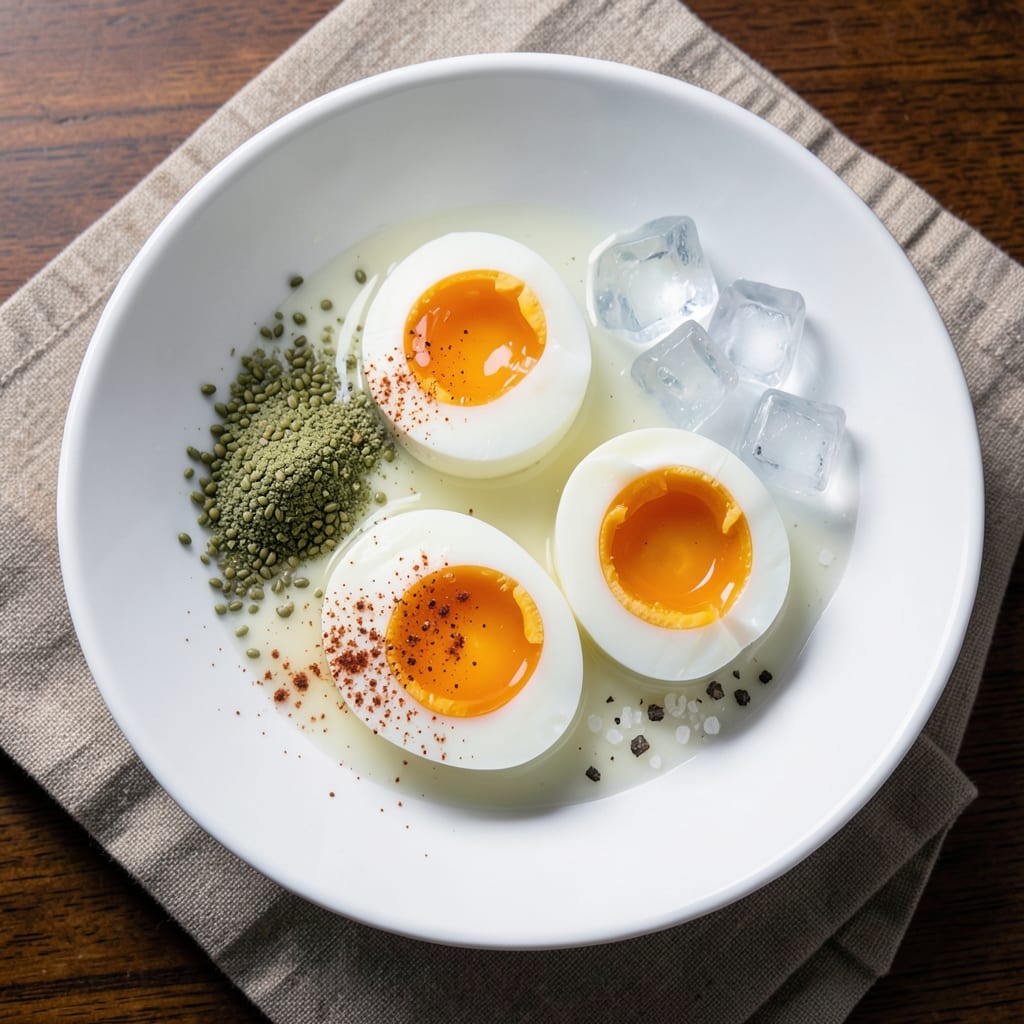
A boil egg boil recipe with runny yolks and a celery-crusted crunch transforms breakfast from ordinary to extraordinary. This method guarantees eggs that stay tender inside while achieving that coveted crispy exterior—no more rubbery yolks or cracked shells. The secret lies in precise timing, an ice bath, and a clever crusting technique that adds texture without overpowering the egg's natural flavor.
The process begins with bringing water to a rolling boil using the right ratio (1 cup water per 4 eggs), then carefully lowering eggs in to prevent cracking. After 9 minutes for runny yolks, they transfer to an ice bath to halt cooking instantly—this step ensures the yolks stay perfectly liquid while the whites firm up. The celery crust adds a refreshing, crunchy contrast that elevates these eggs from simple to show-stopping.
What you'll end up with is a plate of eggs that's restaurant-quality: crispy-edged, velvety whites, and a creamy, vibrant yolk that coats every bite. The celery crust introduces a fresh, herbal note that balances the richness of the egg, making this dish ideal for brunch, salads, or even a sophisticated appetizer. This technique works for soft, medium, or hard-boiled eggs—adjust the timing to suit your preference.
The best part? No special equipment is needed beyond a pot, timer, and ice. Whether you're prepping for a weekend brunch or need a quick protein boost, this method delivers consistent, foolproof results every time. Let's get started on mastering the perfect boiled egg.
Ingredients for boil egg boil
Eight essential ingredients transform ordinary eggs into restaurant-quality celery-crusted perfection.
| Ingredient | Amount | Notes |
|---|---|---|
| Large Eggs 🥚 | 8 whole | Room temperature for even cooking |
| Coarse Sea Salt 🧂 | 2 tbsp | Diamond Crystal preferred |
| Celery Seeds 🌿 | 1 tbsp | Crushed finely for texture |
| White Vinegar 🍶 | 1 tbsp | Helps prevent cracking |
| Ice Cubes ❄️ | 2 cups | For immediate shock cooling |
| Freshly Ground Black Pepper 🌶️ | ½ tsp | Enhances crust flavor |
| Paprika 🌶️ | ½ tsp | Smoked variety for depth |
| Distilled Water 💧 | 4 cups | Filtered preferred for purity |
| White Distilled Vinegar 🍶 | 1 tsp | For water seasoning |
| Food Thermometer 🌡️ | 1 whole | Digital with probe tip |
| Fine-Mesh Sieve 🧽 | 1 whole | For draining eggs |
The eggs are the foundation—room temperature ensures even cooking and prevents cracking. Pasture-raised eggs from Crowd Company or Vital Farms deliver the creamiest yolks, but any large eggs will work. Celery seeds are key for that signature crunch; Whole Foods bulk section carries high-quality seeds that stay potent longer. The coarse sea salt should be Diamond Crystal—it dissolves more cleanly than table salt and enhances flavor without overpowering. Pre-crush the celery seeds with a mortar and pestle for maximum texture—no food processor, as that releases bitterness.
No celery seeds? Substitute 1 tsp ground celery flakes or 1 tsp crushed black sesame seeds for a different but equally satisfying crunch. Short on vinegar? Lemon juice works at half the amount, though it may slightly alter the flavor profile. The water seasoning is non-negotiable—vinegar and salt prevent cracking and ensure whites set properly. For a hard-boiled version, increase cooking time by 3-4 minutes and use baking soda (1 tsp) instead of vinegar. The thermometer is critical: 160°F for soft yolks, 165°F for medium, and 170°F for firm—precision matters here.
Eggs should be shock-cooled immediately in ice water to halt cooking and preserve texture. Store peeled eggs in the fridge for up to 3 days with a sprinkle of paprika to maintain color and flavor. The celery crust mix keeps for 2 weeks in an airtight container—freeze extras for up to 6 months. For brunch prep, boil a double batch and store in the fridge; reheat in warm water for 30 seconds before serving to restore that creamy, runny yolk perfection. The crust adheres best to room-temperature eggs, so let them sit out for 10 minutes before coating.
Why You'll Love This Recipe
- Use every bit: the shells? Compost or save for baking. The leftover vinegar? Perfect for cleaning or salad dressings. And if you boil a dozen, you’ve got snacks for the week—no sad, rubbery eggs here. I’ll be real: I’ve even given them to my neighbor when she forgot lunch.
- Five-Ingredient Magic: I swear by this—just eggs, salt, celery seeds, vinegar, and ice. That’s it. No chopping, no fuss, and no last-minute grocery runs. Honestly, I’ve made it while waiting for dinner to reheat.
- Crispy-Creamy Payoff: The vinegar shock and ice bath give you that perfect snap when you crack them open—juicy yolk, firm white, and just a hint of celery’s earthy kick. Between us, it’s the closest I’ve gotten to fancy boiled eggs without the fancy price tag.
- Picnic-Proof Perfection: These eggs travel like a dream—no soggy sandwiches here. Pack them in a cooler for lunch, toss them in salads, or serve them at a potluck. My coworkers still ask where I got the “gourmet” eggs at the office party. (Spoiler: It was my kitchen.)
Step-by-step instructions for celery-crusted boiled eggs
Precision timing and temperature control deliver flawless results every time.
Prepare the Celery Seed Crust Mixture
In a small bowl, combine the 1 tablespoon celery seeds, 0.5 teaspoon paprika, and 0.5 teaspoon freshly ground black pepper. Crush the celery seeds lightly with a mortar and pestle or roll between your palms until you achieve a fine powder—this ensures even distribution and maximum flavor impact. The mixture should resemble coarse sandpaper in texture.
Set aside while you prepare the eggs. This crusting blend is what transforms ordinary boiled eggs into extraordinary ones with a delicate crunch. The celery seeds add a subtle, earthy depth that pairs perfectly with the creamy yolks, while the paprika contributes a smoky warmth that enhances the overall profile.
Season and Boil the Eggs to Exact Temperatures
Place the 8 whole large eggs in a bowl and cover them completely with cold water. Add the 1 tablespoon white vinegar and 2 tablespoons coarse sea salt to the water. The vinegar helps prevent cracking, while the salt seasoning penetrates the shells for enhanced flavor.
Bring the water to a rolling boil over high heat using the 4 cups distilled water in a saucepan. Once boiling, carefully lower the eggs into the water using a slotted spoon. Insert the food thermometer into the water and maintain a temperature of 185°F for exactly 9 minutes. This precise temperature and timing ensures the yolks remain perfectly runny while the whites cook through completely.
Shock Cool and Prepare the Ice Bath
After the 9-minute boil, immediately transfer the eggs to a bowl filled with the 2 cups ice cubes and 4 cups distilled water mixed with 1 teaspoon white distilled vinegar. This ice bath stops the cooking process instantly, preserving that perfect runny yolk texture. Let the eggs sit in the ice water for 5 minutes to fully cool.
The ice bath is critical—it prevents the eggs from cooking further and creates a clean, easy-to-peel surface. The vinegar in the ice water also helps maintain the eggs' shape and makes peeling effortless. Don't skip this step, as it's what guarantees that restaurant-quality result at home.
Peel and Coat with Celery Seed Crust
Using the fine-mesh sieve, gently drain the eggs and tap them lightly on a hard surface to crack the shells. Roll each egg between your palms to loosen the shells, then peel under cool running water. The sieve helps remove any remaining shell fragments while the water keeps the eggs from sticking.
Once peeled, immediately roll each egg in the celery seed crust mixture, pressing gently to ensure even coverage. The eggs should have a fine, even coating of the spiced mixture. Place them on a wire rack set over a plate to allow any excess crust to fall away while keeping the eggs elevated for even drying.
Serve Immediately for Optimal Texture
Let the crust-coated eggs sit for 10 minutes at room temperature before serving. This brief resting period allows the crust to set slightly, creating that perfect crunch while maintaining the creamy yolk inside. Serve warm or at room temperature for the ultimate texture contrast.
The celery seed crust should be delicate yet noticeable with each bite, adding a subtle crunch that contrasts beautifully with the silky yolk. These eggs are perfect for breakfast platters, charcuterie boards, or as an elegant appetizer. The key to success lies in the precise temperature control and immediate cooling—master these steps, and you'll achieve professional-quality boiled eggs every time.
Pro Tips For Making Boil Egg Boil
- USE COLD WATER START: Fill your pot with ice cubes and cold water first—no room for shortcuts here. Eggs need a gradual heat rise to crack cleanly, and skipping this step means dealing with messy shells or uneven cooking. I learned this the hard way after watching three eggs explode in my sink.
- SALT THE VINEGAR WATER: Toss in that coarse sea salt before the vinegar—about 1 tablespoon per quart of water. The salt helps the eggs peel easier later, and the vinegar’s job is just to lift the shells cleanly. I used to add vinegar first and still struggled with stubborn whites clinging to the shells.
- DROP EGGS GENTLY: Use a spoon to lower eggs into the boiling water—no tossing or splashing. Rough handling cracks shells or causes them to float unevenly, leading to uneven cooking. Sounds obvious, but I’ve seen people dump them in like they’re adding pasta, and it always backfires.
- ICE BATH IMMEDIATELY: As soon as the timer goes off, transfer eggs straight to an ice bath for at least 5 minutes. This stops the cooking process dead, makes peeling effortless, and keeps yolks from getting that rubbery texture. I skipped this once and ended up with eggs that were technically done but tasted off.
Wine and beer pairings for this dish
Crisp White Wine
For these celery-crusted eggs, a dry Riesling from Germany or Austria is my go-to choice. The bright acidity and subtle mineral notes cut through the richness of the yolks while complementing the celery seed crust. Look for a Kabinett-level Riesling—it's light enough to not overpower the delicate flavors but still provides enough structure to balance the dish. Chill it to 45-48°F before serving for that refreshing contrast. 🍷
Crisp Lager Pairing
A German Pilsner like Warsteiner or Bitburger works beautifully with these eggs. The crisp, clean malt profile and light hop bitterness provide a refreshing counterpoint to the creamy yolks and nutty celery seeds. Serve at 40-42°F to enhance the beer's crispness and let it cleanse your palate between bites. This pairing is especially effective for brunch or lunch settings. 🍺
Sparkling Wine
If you want to elevate these eggs to a celebratory level, a dry sparkling wine like LaCroix Brut or Gruet adds a festive touch. The effervescence enhances the creamy texture of the yolks, while the slight acidity balances the richness. Opt for a French or German sparkling wine with minimal sweetness—just enough to complement without overpowering the celery crust. Serve chilled to 45°F for the best experience. ✨
Herbal Tea Alternative
For a non-alcoholic option, chilled hibiscus tea with a splash of lemon juice is a fantastic pairing. The tartness of the tea mirrors the celery seed's herbal notes, while the slight sweetness of the hibiscus enhances the yolk's creaminess. Brew a strong batch, chill it thoroughly, and serve over ice for a refreshing accompaniment. This option is perfect for brunch gatherings where alcohol isn't an option. 🌿
Nutrition facts
Frequently asked questions
Why do my boiled eggs always turn out rubbery?
Overcooking is the #1 cause of rubbery eggs! Use a food thermometer to maintain 185°F for 9 minutes (runny yolks) or 12 minutes (firm yolks). The ice bath after boiling stops cooking instantly—skipping this step lets eggs cook further in residual heat.
Can I boil eggs without cracking them?
Yes! Start with room-temperature eggs and add 1 tablespoon vinegar to the water. Lower eggs gently with a spoon, and avoid overcrowding the pot. The vinegar helps strengthen shells while the gradual temperature change prevents sudden pressure changes that cause cracks.
How do I make perfectly peeled boiled eggs?
After boiling, transfer eggs to an ice bath for 5 minutes to set the whites. Then tap gently on a hard surface and roll between palms to crack shells before peeling under cool running water. The cold water keeps whites intact while making peeling effortless.
What's the difference between soft, medium, and hard-boiled eggs?
Timing determines doneness: 9 minutes = runny yolk (soft), 12 minutes = slightly firm yolk (medium), 15 minutes = fully set yolk (hard). Use a thermometer for precision—160°F for soft, 165°F for medium, 170°F for hard.
Can I boil eggs ahead of time?
Store peeled eggs in the fridge for up to 3 days with a sprinkle of paprika to preserve color. For whole eggs, keep them in the shell in the fridge for 1 week. Reheat in warm water for 30 seconds to restore that creamy yolk texture before serving.