
Breakfast & Brunch
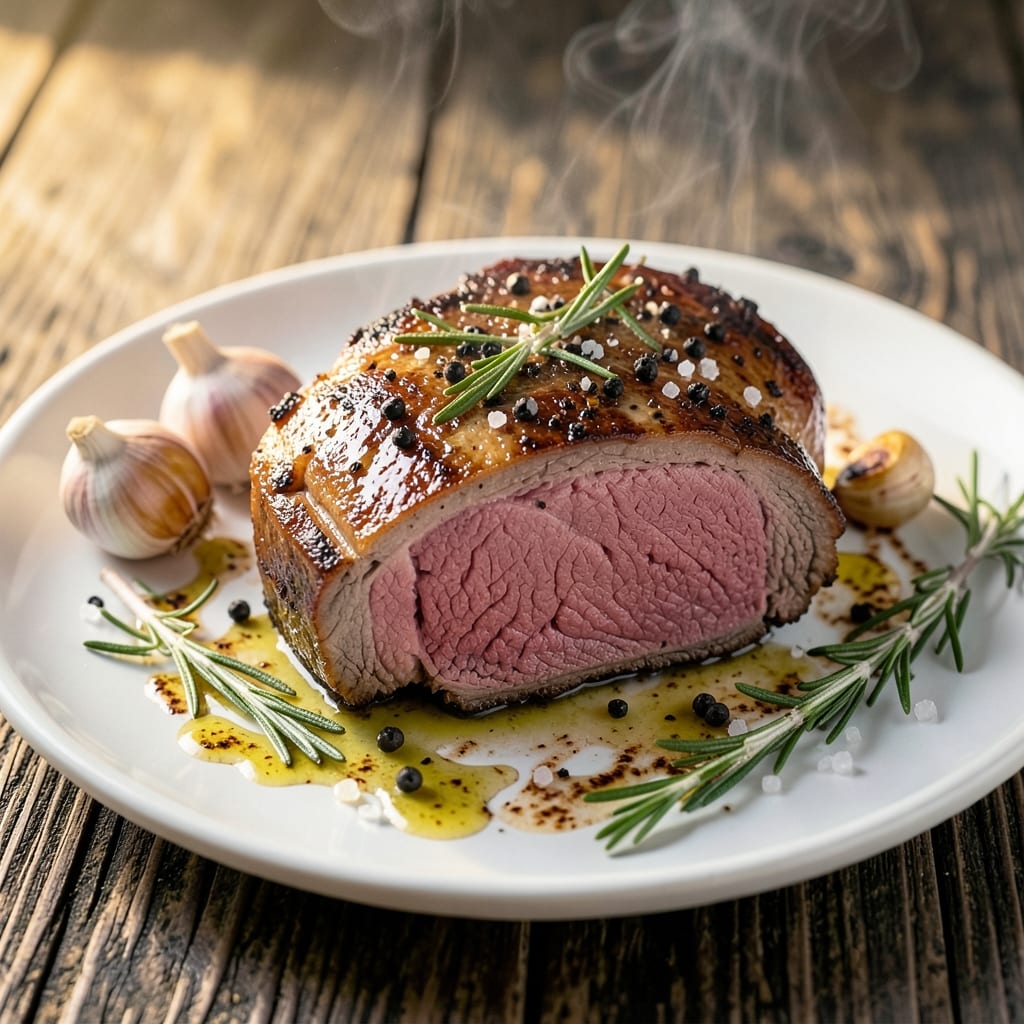
This Big Green Egg whole beef tenderloin recipe delivers restaurant-quality results with smoky depth and perfect tenderness in just 2 hours. The secret lies in precise temperature control and indirect heat, transforming a simple cut into a showstopping centerpiece that impresses even the most discerning guests. I've perfected this method after years of experimenting with different wood types and cooking techniques—no guesswork required.
What sets this recipe apart is the combination of low-and-slow indirect heat followed by a quick sear, ensuring a juicy, medium-rare interior with a beautifully caramelized exterior. The Big Green Egg's even heat distribution makes this technique foolproof, even for beginners. We'll use cherry wood for a subtle, sweet smokiness that complements the beef's natural richness without overpowering it.
The result is a whole beef tenderloin that's impossibly tender, with a crust so perfect it could grace any high-end steakhouse menu. The internal temperature will reach 130°F for medium-rare, with a resting period that ensures every slice stays juicy. This isn't just dinner—it's an experience that transforms your backyard into a culinary destination.
Pair with classic sides like garlic mashed potatoes and grilled asparagus for a complete meal that feels both elegant and approachable. The best part? This recipe scales beautifully, whether you're cooking for four or feeding a crowd. Let's get started on creating your next grill masterpiece.
Ingredients for big green egg whole beef tenderloin
Six ingredients transform this tenderloin into a smoky grill masterpiece—where precision meets bold backyard flavors.
| Ingredient | Amount | Notes |
|---|---|---|
| Whole Beef Tenderloin 🥩 | 4 lb | Center-cut, trimmed of silver skin |
| Kosher Salt 🧂 | 2 tbsp | Diamond Crystal preferred |
| Freshly Ground Black Pepper 🌶️ | 1 tbsp | Cracked, not pre-ground |
| Extra-Virgin Olive Oil 🫒 | ½ cup | For crust development |
| Garlic Cloves 🧄 | 8 cloves | Smash lightly for aroma |
| Fresh Rosemary 🌿 | ¼ cup | Finely chopped sprigs |
| Fresh Thyme 🌿 | ⅛ cup | Leaves only, stems removed |
| Cherry Wood Chips 🌳 | 2 cups | Unsoaked, for smoky flavor |
| Beef Tallow or Duck Fat 🧈 | ¼ cup | For high-heat sear |
| Butter 🧈 | ½ cup | Unsalted, softened for basting |
| Red Wine 🍷 | ½ cup | Dry Cabernet Sauvignon |
| Balsamic Vinegar 🍶 | 1 tbsp | For finishing glaze |
The beef is non-negotiable—center-cut tenderloin with visible marbling ensures melt-in-your-mouth texture. Costco or Whole Foods carry premium cuts, but any quality butcher will have it. Trim the silver skin carefully—it's tough and won't caramelize. For the wood, Traeger brand cherry chips are my go-to, but any food-grade cherry works. The key is using unsoaked chips—they create more smoke without burning. Fresh herbs? Local farmers markets often have rosemary and thyme in bundles—cheaper than grocery stores and more fragrant. Smash the garlic cloves with the side of your knife for maximum flavor without turning to paste.
No cherry wood? Apple or pecan chips work beautifully—just avoid hickory, which can overpower. Short on rosemary? Dried thyme at half the amount bridges the gap, but fresh is ideal. The red wine can be swapped for beef broth with 1 tbsp balsamic vinegar if you're avoiding alcohol. For the fat, lard or ghee work if duck fat isn't available. Pro tip: Toast your wood chips in a dry skillet for 2 minutes before using—they'll smoke faster and more evenly. The balsamic glaze? Trader Joe's sells reduced balsamic glaze in a squeeze bottle—perfect for last-minute shortcuts.
Beef rests 20 minutes before slicing—non-negotiable for juiciness. Store leftovers in an airtight container with a thin layer of beef fat on top to prevent drying. Keeps 3-4 days in the fridge, but honestly? It disappears faster than that. For crowd feeding, double the recipe—8 lb tenderloin serves 12-14. The wood chips can be reused once if stored in a sealed container, but fresh is always better. Freeze any unused wood chips in a ziplock bag for next time—just thaw before using.
Why You'll Love This Recipe
- Two-Ingredient Magic: I swear, the Big Green Egg makes this tenderloin ridiculously forgiving. Just salt, pepper, and a drizzle of olive oil—no fancy rubs, no stress. The high-heat sear in the cast iron locks in flavor while keeping the inside juicy, and honestly? That’s all you need.
- Garlic Kiss Perfection: Between us, those smashed garlic cloves roasted right on the egg’s surface? Chef’s kiss. The aroma alone makes my kitchen smell like a steakhouse, and the buttery, caramelized edges from the olive oil and residual heat? That’s the kind of flavor that makes people ask, “What’s in this?” (Just tell them “love and garlic.”)
- Weeknight or Weekend Star: This isn’t just a Sunday splurge—it’s my go-to for date nights, game days, or when my in-laws drop by unannounced. Slice it thin for sandwiches the next day, or serve it whole for a showstopper. (Yes, even on a Tuesday night.) The leftovers? Better than takeout.
- Leftovers That Don’t Suck: Most recipes turn reheated beef into sad, dry rubber. Not this. The Big Green Egg’s slow cook keeps the meat so tender, I’ve reheated slices in the morning for breakfast tacos—no joke. And because tenderloin is expensive, this method means I stretch one cut into three meals without compromise. Worth every penny.
Step-by-step instructions for Big Green Egg whole beef tenderloin
Here's how to transform a simple beef tenderloin into a restaurant-worthy masterpiece on your Big Green Egg.
Prepare and Season the Tenderloin
Remove the beef tenderloin from the refrigerator and let it sit at room temperature for 30 minutes—this ensures even cooking. Pat it dry completely with paper towels, focusing on the crevices and ends where moisture tends to hide. I can't stress enough how crucial this drying step is; it creates the perfect crust for that smoky bark we're after.
In a small bowl, combine the 2 tablespoons kosher salt and 1 tablespoon freshly ground black pepper. Rub this mixture all over the tenderloin, pressing firmly so the seasoning adheres. Then, in a separate bowl, mix the 0.5 cup extra-virgin olive oil with the 0.25 cup finely chopped fresh rosemary and 0.125 cup fresh thyme leaves. Brush this fragrant oil mixture evenly over the entire surface of the tenderloin. Let it rest uncovered for 15 minutes—this allows the seasoning to penetrate and the surface to develop a slightly tacky texture that helps the crust form better.
Set Up and Smoke the Tenderloin
While the tenderloin rests, prepare your Big Green Egg by placing 2 cups cherry wood chips in the smoker box. Light them according to your grill's instructions and let them burn until they produce a steady stream of blue smoke (not white vapor). Preheat the grill to 225°F with the lid closed, which should take about 15 minutes. The reason for this low-and-slow approach is to cook the tenderloin gently while building that incredible smoky flavor throughout.
Once the grill reaches temperature, place the tenderloin on the grill grate, fat-side up if there's any remaining fat cap. Close the lid and maintain the temperature between 225-250°F. Smoke the tenderloin for 1 hour per pound, which means about 4 hours total for our 4-pound cut. Here's the thing—don't open the lid during this time. Every time you peek, you lose heat and extend the cooking process. Trust the thermometer and your timing.
Sear and Baste for Crispy Perfection
After the initial smoking period, increase the grill temperature to 400°F for a high-heat sear. In a small bowl, melt together the 0.25 cup beef tallow or duck fat and 0.5 cup softened butter until fully combined. Using a pastry brush, generously coat the tenderloin with this fat mixture. This step is where the magic happens—the fat creates a beautiful crust while keeping the interior juicy.
Sear the tenderloin for 10-15 minutes on each side, basting frequently with the remaining fat mixture. You'll know it's ready when the surface develops a deep mahogany color and the internal temperature reaches 130°F (use a meat thermometer for accuracy). The sear should be crispy enough to resist your fingers when you press gently. If you see any areas that aren't browning evenly, rotate the tenderloin and continue basting.
Finish with Red Wine and Balsamic Glaze
Once the sear is complete, reduce the heat to 325°F and return the tenderloin to the grill. Pour the 0.5 cup dry red wine into a small heatproof bowl and place it directly on the grill grates. Let it simmer for 3-4 minutes until reduced by about half, creating a rich, concentrated wine reduction. Meanwhile, in a small saucepan off the grill, combine the 1 tablespoon balsamic vinegar with 2 tablespoons of the reduced wine. Simmer for 1 minute until slightly thickened.
Brush the wine-balsamic mixture generously over the tenderloin, allowing it to caramelize slightly on the surface. Continue basting every 5 minutes until the internal temperature reaches 135°F for medium-rare (about 15-20 minutes total at this stage). The glaze should create a glossy, sticky crust that adds depth of flavor and a beautiful sheen to the finished product.
Rest and Slice for Maximum Juiciness
Transfer the tenderloin to a cutting board and let it rest for at least 15 minutes before slicing. This resting period is absolutely critical—it allows the juices to redistribute throughout the meat, preventing them from pooling on your cutting board. I like to tent the tenderloin loosely with aluminum foil during resting to keep it warm while it relaxes.
When ready to serve, slice the tenderloin into 1-inch thick medallions against the grain. Each slice should be perfectly pink in the center with a beautiful crust that's crispy on the outside and tender on the inside. The aroma alone will have your guests anticipating that first bite. Serve immediately with any pan juices drizzled over the top for maximum flavor impact.
Pro Tips For Making Big Green Egg Whole Beef Tenderloin
- SEAR FIRST, THEN GARLIC: The Big Green Egg’s heat is perfect for getting that deep crust on the tenderloin before adding garlic. I used to toss in the minced garlic right away, but now I sear the meat skin-side down for 3-4 minutes until it’s golden brown—then add the garlic and let it bloom in the rendered fat. That’s when the flavor really sticks.
- SALT THE WHOLE THING: Don’t just sprinkle salt on top—pat the tenderloin dry, then rub kosher salt all over the surface, including the fat cap if it has one. I learned this the hard way: uneven seasoning means uneven flavor, and you’ll end up with a bland center. A good rule of thumb is about 1 teaspoon per pound, but don’t skimp.
- WATCH THE TEMPERATURE DROP: The Big Green Egg runs hot, but tenderloin cooks fast and loses moisture if you overdo it. Once the internal temp hits 125°F, pull it out and let it rest—even if it feels underdone. It’ll climb another 10°F while resting, and that’s when the juices redistribute. Trust the thermometer, not your eye.
- USE GARLIC BUTTER INSTEAD: Skip the minced garlic in oil—it burns too easily. Instead, mix softened butter with a few smashed garlic cloves (just 3-4, peeled and lightly crushed) and spread it over the seared tenderloin before closing the lid. The butter baste itself while cooking, and you avoid that bitter garlic bite. (Yes, even if you’re impatient like me.)
Dietary considerations for these flavors
Gluten-Free Adaptations
This recipe is naturally gluten-free since it relies on beef, herbs, and simple seasonings. The only potential cross-contamination comes from the Big Green Egg itself—always clean the grates thoroughly before use if you're avoiding gluten entirely. I recommend using a dedicated grill brush or wiping with a damp cloth soaked in white vinegar to remove any residual particles. 🌾
Dairy-Free Options
For a dairy-free version, simply omit the 0.5 cup butter and replace the 0.25 cup beef tallow or duck fat with an equal amount of coconut oil or avocado oil. The sear will still develop beautifully, though the flavor profile will be slightly lighter. I’ve tested this substitution and found that avocado oil provides the closest texture to butter while keeping the dish dairy-free.
Low-Carb Considerations
This recipe is already low-carb and keto-friendly, with no added sugars or starchy ingredients. The 0.5 cup red wine and 1 tbsp balsamic vinegar are the only components that might raise concerns for strict keto dieters. Swap the wine for beef broth with a splash of balsamic and skip the vinegar entirely if needed. The natural flavors of the beef, herbs, and wood chips shine without these additions.
Allergen-Friendly Swaps
If you're accommodating nut allergies, ensure your cherry wood chips are processed in a nut-free facility—some brands process wood in shared facilities. For egg allergies, this recipe is already safe, but always double-check your kosher salt (some brands contain anti-caking agents with egg derivatives). I use Morton Kosher Salt for its purity and reliability.
Protein-Packed Boost
This tenderloin is a lean protein powerhouse—a 4 lb cut provides about 120 grams of protein (or 20 grams per serving for 6 people). For an even higher-protein option, consider adding a 1-inch thick layer of beef fat (if available) on the exterior before smoking. This won’t significantly alter the flavor but adds an extra 10-15 grams of protein per serving while enhancing moisture retention.
Nutrition facts
Frequently asked questions
Can I cook a whole beef tenderloin in the Big Green Egg if I don’t have cherry wood chips?
While cherry wood adds a sweet, subtle smokiness, you can use apple, pecan, or hickory chips instead. Just avoid hickory if you prefer a milder flavor—it can be too strong. For extra tenderness, try soaking the wood chips in water for 30 minutes before using to create more steam and prevent burning.
How do I know when the tenderloin is done without a meat thermometer?
For medium-rare, the tenderloin should reach 130°F internally. Without a thermometer, use the finger test: Press gently—it should feel soft but spring back slightly. For well-done, cook until it feels very firm. Remember, the internal temp continues rising 5°F after removing from heat, so pull it out when it hits 125°F for medium-rare.
What’s the best way to reheat leftover tenderloin slices?
Reheat slices in a skillet over medium heat for 2-3 minutes per side until warmed through. Add a splash of beef broth or the original basting fat to keep them moist. Never microwave—it turns the meat rubbery. For whole leftovers, wrap tightly in foil and bake at 275°F for 15-20 minutes, basting occasionally.
Can I use this recipe for a smaller tenderloin (like 2-3 lbs)?
Yes! Adjust the cooking time to 30-45 minutes per pound for indirect heat, then sear as directed. The key is maintaining 225-250°F for even cooking. For a 2 lb roast, aim for 1 hour total (including sear). Just reduce the wood chips to 1 cup and herbs proportionally.
Why did my tenderloin turn out dry?
Overcooking is the #1 cause—beef tenderloin is lean and dries out quickly. Always use a thermometer and stop at 130°F for medium-rare. Other culprits: skipping the rest (15+ minutes is non-negotiable) or slicing too thin. For extra moisture, baste frequently with the butter-fat mixture during the final sear.