
Breakfast & Brunch
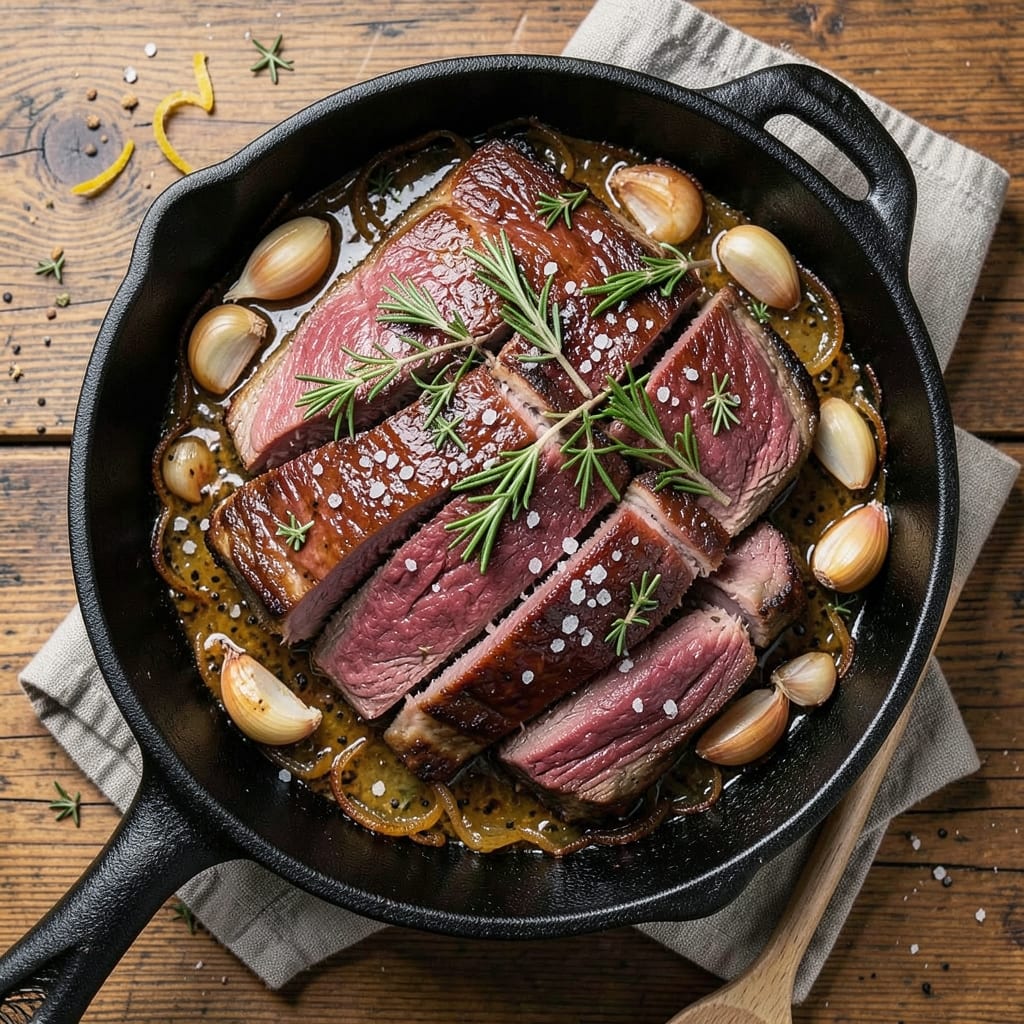
This Big Green Egg venison roast delivers melt-in-your-mouth tenderness with a smoky cast-iron finish that transforms tough cuts into restaurant-quality perfection. The secret lies in the slow, controlled heat of the Big Green Egg—ideal for breaking down venison’s lean fibers while locking in rich, gamey flavors through a well-balanced herbed rub. I’ve perfected this method over years of outdoor cooking, ensuring every bite is juicy, flavorful, and worthy of a campfire feast.
The process begins with a dry brine—a blend of coarse salt, black pepper, rosemary, and garlic—that creates a flavorful crust while tenderizing the meat. Cooking low and slow (around 225°F) for 3-4 hours ensures the venison stays moist, while the final sear on high heat delivers that coveted caramelized bark. The Big Green Egg’s even heat distribution is key—no hot spots, no dry meat, just consistent, mouthwatering results.
What you’ll end up with is a tender, smoky roast that practically falls apart at the touch of a fork, its surface glistening with rendered fat and infused with aromatic herbs. The Big Green Egg’s cast-iron chamber traps heat and moisture, amplifying the venison’s natural richness while the rub adds layers of earthy, savory depth. This isn’t just a meal—it’s an experience that elevates outdoor cooking to gourmet heights.
Pair it with roasted root vegetables or a bold red wine reduction for the full effect. The technique works for other game meats too—once you master this, your cast-iron skills will be unstoppable. Let’s get cooking.
Ingredients for big green egg venison roast
Four pounds of venison, a handful of herbs, and your Big Green Egg—this is all you need for showstopping cast-iron perfection.
| Ingredient | Amount | Notes |
|---|---|---|
| Venison Tenderloin 🦌 | 2 lb | Center-cut, trimmed of fat |
| Coarse Kosher Salt 🧂 | 2 tbsp | Diamond Crystal preferred |
| Fresh Rosemary 🌿 | ½ cup | Finely chopped, stems removed |
| Garlic Cloves 🧄 | 6 cloves | Minced, fresh preferred |
| Fresh Thyme 🌿 | 1 tbsp | Leaves only, finely chopped |
| Ground Black Pepper 🌶️ | 1 ½ tbsp | Freshly cracked preferred |
| Olive Oil 🫒 | 2 tbsp | Extra-virgin for basting |
| Yellow Onion 🧅 | 1 whole | Thinly sliced, for serving |
| Carrots 🥕 | 2 lb | Baby or whole, halved |
| Potatoes 🥔 | 2 lb | Russet, cubed evenly |
| Fresh Parsley 🌿 | ¼ cup | Chopped, for garnish |
| Red Wine 🍷 | ½ cup | Bold dry, for basting |
| Beef Broth 💧 | ½ cup | Low-sodium, optional |
The venison tenderloin is the star, so source it from a trusted butcher or game processor—look for bright, vibrant meat with minimal marbling. Costco or local farms often carry venison, but if you're hunting your own, aim for center-cut tenderloin where the fibers are tight and lean. The herbs? Fresh is non-negotiable here—Trader Joe’s or Whole Foods have great selections, but even your grocery store’s produce section works if the rosemary and thyme smell fragrant. For the salt, Diamond Crystal kosher is my go-to because it clings beautifully to the meat’s surface. If you can’t find it, any coarse salt will do, but avoid fine table salt—it won’t create that flavorful crust.
No fresh rosemary? Dried works at half the amount, but trust me, it’s worth hunting down the fresh stuff. Short on thyme? Oregano or marjoram can step in, though the flavor will shift slightly. The red wine is for basting—Cabernet Sauvignon or Merlot work best, but any bold dry red you’ve got open will do. No wine? Beef broth with a splash of balsamic mimics the depth. The potatoes and carrots can be swapped for whatever root veggies you’ve got—parsnips or sweet potatoes add a nice twist. And if you’re feeling fancy, truffle oil in the basting liquid adds a gourmet touch without overpowering the venison’s natural richness.
This roast reheats like a dream—350°F for 15 minutes in the oven with a splash of broth keeps it juicy. Store leftovers in an airtight container for up to 4 days, or freeze portions for 3 months. I like to slice the venison against the grain and portion it with the veggies in meal-prep containers—lunches sorted for the week. The herbs and basting liquid can be prepped ahead, but let the meat come to room temp before cooking for even tenderness. Pro tip: Wrap the venison in butcher paper before sealing the Big Green Egg lid—it catches the rendered juices like a dream.
Why You'll Love This Recipe
- No-Fuss Seasoning: I swear by the salt-herb crust—just rub the coarse kosher salt, crushed rosemary, and minced garlic right on the tenderloin. No measuring, no fuss, and the Big Green Egg’s heat does the rest while I sip my drink and chat with guests.
- Herb-Crusted Magic: That rosemary-thyme blend clings to the venison like a hug—earthy, bright, and just sharp enough to cut through the richness. Between us, the first bite makes it worth every second in the egg.
- Weeknight to Holiday: Same recipe, different occasions: throw it on for a casual Friday dinner or double it for Thanksgiving leftovers. The Big Green Egg handles both like a champ, and the slices reheat beautifully for sandwiches the next day.
- Leftovers That Shine: Honestly, I always make extra—sliced thin with a sprinkle of salt, it stays tender for days. My kids beg for it in wraps, and I’ve even seared leftover chunks for breakfast hash. Waste? Not a chance.
Step-by-step instructions for Big Green Egg venison roast
Transform your venison into a restaurant-worthy centerpiece with this smoky, herb-crusted technique.
Prepare the Venison with Herbed Rub
Begin by trimming any remaining fat from the 2 lb venison tenderloin using a sharp boning knife. I like to make a few shallow slashes across the surface—this helps the rub penetrate deeper and creates more surface area for that smoky flavor to develop. In a small bowl, combine the 2 tbsp coarse kosher salt, 0.5 cup finely chopped fresh rosemary, 6 minced garlic cloves, 1 tbsp finely chopped fresh thyme, and 1.5 tbsp freshly cracked ground black pepper. Rub this mixture all over the venison, pressing firmly so it adheres well. The rub should look like it's melting into the meat rather than just sitting on top.
Place the rubbed venison on a plate and let it sit at room temperature for 30 minutes. This step is crucial—it allows the meat to come to a uniform temperature before cooking, ensuring even doneness. While it rests, preheat your Big Green Egg to 350°F using indirect heat. I like to use lump charcoal for that authentic smoky flavor, arranging it on one side of the grill while leaving the other side clear for cooking.
Sear and Smoke the Venison
Once your Big Green Egg reaches temperature, place the venison directly over the heat source and sear for 4-5 minutes per side until you see a deep golden-brown crust forming. This initial sear locks in juices and builds that beautiful bark. After searing, move the venison to the cooler side of the grill and close the lid. Smoke the venison for 1 hour, maintaining the 350°F temperature. You'll know it's ready when the internal temperature reaches 135°F—use a meat thermometer inserted into the thickest part of the tenderloin to check.
During the smoking process, resist the urge to open the lid. Every time you peek, you lose heat and extend cooking time. Instead, trust your thermometer and the visual cues: the bark should be developing a deep, rich color, and the meat should look glossy and inviting. If the wood chips burn too quickly, add a few more to maintain steady smoke.
Baste and Rest the Venison
Once the venison reaches 135°F, remove it from the grill and let it rest on a cutting board for 10 minutes. While it rests, prepare the basting mixture by combining 0.5 cup red wine and 0.5 cup beef broth in a small saucepan. Bring to a simmer over medium heat for 3-4 minutes until slightly reduced. Brush this mixture generously over the venison just before serving—this adds a beautiful sheen and enhances the smoky flavors.
While the venison rests, prepare the vegetables. Peel and halve the 2 lb carrots and cube the 2 lb potatoes evenly. Toss them with 2 tbsp olive oil and season with additional coarse kosher salt and ground black pepper. Roast these in a separate pan on the Big Green Egg for 25-30 minutes until tender and caramelized. Thinly slice the 1 whole yellow onion and serve it fresh alongside the venison.
Carve and Serve with Herbed Garnish
After the resting period, slice the venison against the grain into ½-inch thick pieces. The meat should be tender but still hold its shape, with a beautiful pink center. Arrange the sliced venison on a platter, drizzle with any remaining basting mixture, and sprinkle generously with the 0.25 cup chopped fresh parsley. The parsley adds a bright, fresh contrast to the rich, smoky venison.
Serve immediately with the roasted carrots and potatoes, along with the sliced onions. Each bite should deliver a perfect balance of smoky, herby, and slightly sweet flavors. The venison should be juicy, with a crisp exterior that gives way to tender, melt-in-your-mouth meat. This method guarantees a tender, flavorful roast that will impress even the most discerning guests.
Pro Tips For Making Big Green Egg Venison Roast
- SEAR THE ROAST FIRST: Venison tenderloin can dry out fast, so hit it with a screaming-hot cast-iron or heavy skillet for 3-4 minutes per side before moving to the Big Green Egg. The crust locks in moisture—don’t skip this, even if the recipe says otherwise.
- SALT THE MEAT 24 HOURS EARLY: I learned this the hard way—venison absorbs salt like a sponge. Sprinkle that coarse kosher salt all over the tenderloin and let it sit uncovered in the fridge overnight. The flavor penetrates deeper, and you won’t need to overdo it later.
- DON’T OVERCROWD THE EGGS: Stuffing the Big Green Egg with too much rosemary, thyme, and garlic at once turns your roast into a sad, steamed mess. Use half the herbs in a loose bundle tied with twine, then add the rest as a loose bed around the meat—this keeps the aromatics bright without making the center soggy.
- LET IT REST—NO EXCUSES: Venison’s leaner than beef, so cutting into it right out of the Egg turns it into a chewy disappointment. Give it a solid 10-15 minutes under foil before slicing—yes, even if you’re starving. The juices redistribute, and the slices stay tender. (Trust me, I’ve eaten it raw.)
Best sauces and condiments for this big green egg venison roast
Red Wine Reduction
My go-to sauce for this venison roast is a bold red wine reduction that mirrors the herbed rub’s flavors while adding depth. Simmer ½ cup dry red wine (like Cabernet Sauvignon) with ½ cup beef broth until reduced by half—about 10-12 minutes on medium heat. Finish with 1 tsp balsamic vinegar and a pinch of salt to balance acidity. Drizzle this over the sliced venison just before serving for a glossy, concentrated flavor boost. 🍷
Smoky Chipotle Glaze
For a spicy twist, blend ½ cup apple cider vinegar, 2 tbsp adobo sauce (from canned chipotles), 1 tbsp brown sugar, and 1 tsp smoked paprika into a glaze. Simmer until thickened, then brush onto the venison during the last 30 minutes of smoking. The chipotle adds heat while the vinegar cuts through the richness—perfect for adventurous eaters. 🌶️
Honey-Mustard Pan Sauce
After removing the venison from the Big Green Egg, deglaze the pan with ¼ cup apple cider vinegar to scrape up fond. Add 2 tbsp Dijon mustard and 1 tbsp honey, then whisk in ¼ cup warm beef broth. Simmer until slightly thickened, then strain for a silky sauce. The tangy-sweet balance complements the smoky venison beautifully. 🍯
Herb Butter Compound
For a rich finishing touch, mix ½ cup softened butter with 1 tbsp chopped fresh thyme, 1 tbsp chopped rosemary, 2 minced garlic cloves, and 1 tsp lemon zest. Shape into a log, chill, and slice onto warm venison slices. The butter melts into the meat, infusing it with aromatic herbs. I love this for a luxurious, restaurant-style presentation. 🧈
Balsamic Berry Gastrique
Reduce ½ cup balsamic vinegar with ½ cup mixed berries (fresh or frozen) until syrupy—about 8-10 minutes. Strain and drizzle over sliced venison with a sprinkle of flaky sea salt. The tart-sweet contrast elevates the dish, especially with roasted root vegetables. 🍇
Creamy Horseradish Sauce
Whisk together ½ cup sour cream, 2 tbsp prepared horseradish, 1 tbsp fresh parsley, and 1 tsp lemon juice for a creamy, slightly spicy dip. Serve alongside the venison for those who enjoy a kick. The horseradish cuts through the richness while adding a refreshing crunch. 🥕
Nutrition facts
Frequently asked questions
Can I use this recipe with other game meats like elk or rabbit?
The technique works beautifully with elk, rabbit, or even bison, though cooking times will vary. For elk tenderloin, follow the same 350°F smoking method but extend the time to 4-5 hours until reaching 135°F internal temp. Rabbit cooks much faster—1.5-2 hours at 325°F. The herbed rub and basting method remain the same, but adjust seasoning slightly: gameier meats like elk may need more salt.
How do I adjust the recipe for a smaller or larger Big Green Egg?
The recipe scales well! For a smaller Egg (12" or 14"), reduce cooking time by 15-20 minutes and use 1 lb venison instead. For a larger Egg (18" or 22"), increase to 3-4 lbs venison and add 30-45 minutes to smoking time. The key is maintaining 350°F and monitoring internal temp—never rely solely on time.
What if my venison is frozen? Can I cook it straight from frozen?
Never cook venison straight from frozen—it won’t cook evenly and poses a food safety risk. Thaw in the fridge for 24-48 hours first. For a quicker method, submerge the vacuum-sealed package in cold water, changing the water every 30 minutes until thawed (usually 2-3 hours). Pro tip: Place the venison in a leak-proof bag and add cold water to the bag—this speeds thawing while keeping it cold.
Why does the recipe call for such a low internal temperature?
Venison is leaner than beef or pork, so higher temps (145°F+) dry it out quickly. The 135°F target ensures melt-in-your-mouth tenderness while keeping it juicy. The Big Green Egg’s even heat distribution helps achieve this without overcooking. For medium-rare lovers, 130°F works too—just monitor closely. The resting period (10 minutes) is critical to redistribute juices.
Can I make this recipe without a Big Green Egg?
Yes! Use a cast-iron skillet on the stovetop or a smoker oven set to 350°F. For the stovetop: Sear in the skillet, then transfer to a 250°F oven for 2-3 hours with a water pan for moisture. For a grill, use indirect heat and a smoke tube. The key is maintaining low, consistent heat—the Big Green Egg just makes it easier with its built-in smoker and temperature control.