
Breakfast & Brunch
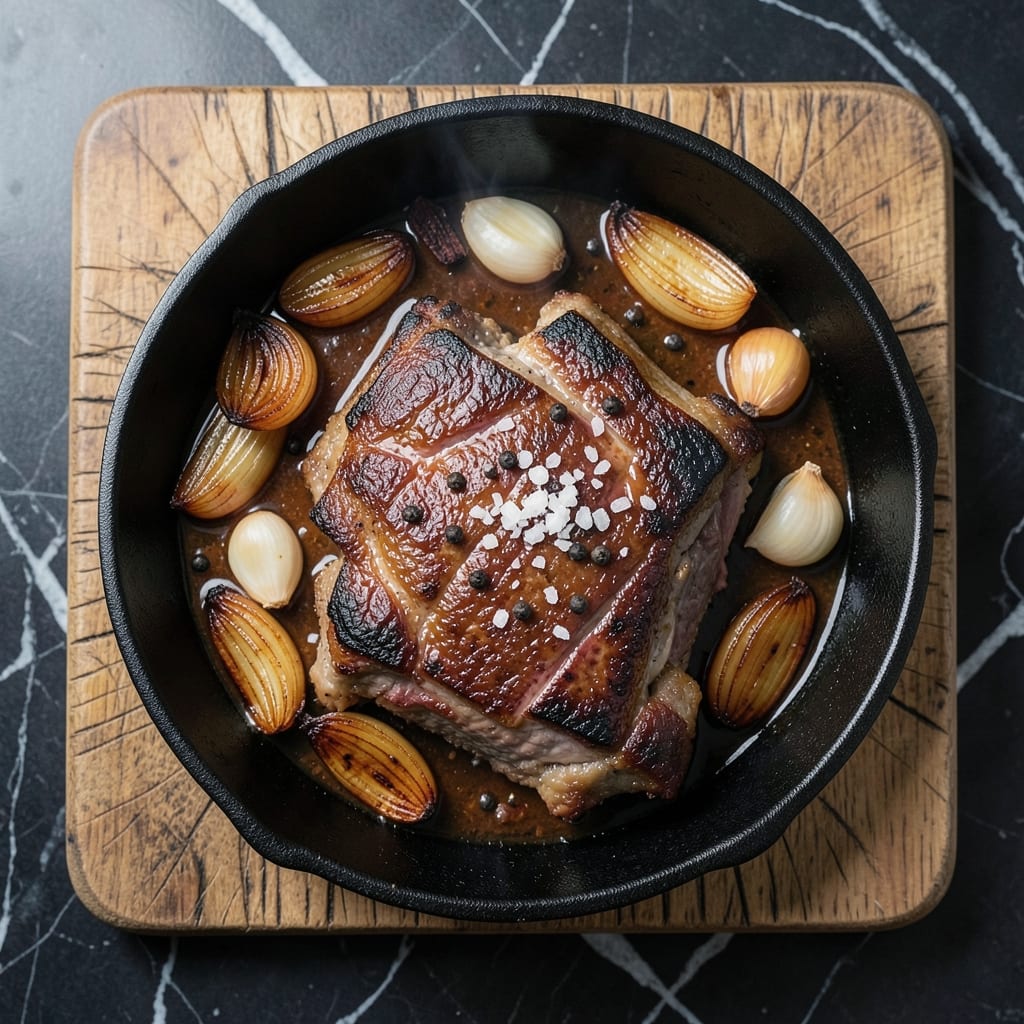
This Big Green Egg short rib recipe delivers melt-in-your-mouth tenderness with a celery salt crust that crackles with every bite—perfect for weekend cookouts or special occasions. The secret lies in the Big Green Egg's ability to maintain consistent, low-and-slow heat, transforming tough cuts into restaurant-quality ribs without drying them out. I've perfected this technique over countless summer cookouts, and the results speak for themselves: fall-apart texture with a smoky depth that lingers long after the last bite.
The process begins with a dry brine—salting the ribs 24 hours ahead—then a celery salt crust that adds a subtle, tangy crunch while locking in moisture. Unlike traditional grilling, the Big Green Egg's even heat distribution ensures the ribs cook through evenly, with no need for constant temperature adjustments. You'll work with bone-in beef short ribs, which stay juicy thanks to the slow smoke and the Egg's superior heat retention compared to a standard grill.
By the time you pull these ribs from the Egg, they'll be tender enough to cut with a fork, with a caramelized crust that's both crisp and slightly sticky. The smoky aroma will fill your backyard, and the first bite delivers that perfect balance of rich beef, smoky char, and salty crunch. This isn't just another grilled dish—it's a showstopper that makes every meal feel like a celebration.
Pair these ribs with classic sides like creamy mac and cheese, roasted potatoes, or a crisp green salad to round out the meal. The leftovers reheat beautifully, making this a weekend-worthy recipe that doubles as meal prep for busy weeknights. Ready to master the Big Green Egg? Let's get started.
Ingredients for big green egg short rib
Six ingredients transform tough short ribs into Big Green Egg showstoppers—smoky, tender, and crisp-crusted perfection.
| Ingredient | Amount | Notes |
|---|---|---|
| Bone-In Beef Short Ribs 🥩 | 4 lb | 2-2.5 inches thick, trimmed of excess fat |
| Diamond Crystal Kosher Salt 🧂 | ½ cup | For dry brine, plus extra for crust |
| Celery Salt 🧅 | ¼ cup | For signature crust |
| Freshly Ground Black Pepper 🌶️ | 1 tbsp | Freshly cracked for depth |
| Yellow Onions 🧅 | 2 whole | Quartered, for dry brine mix |
| Garlic Cloves 🧄 | 8 cloves | Smashed, for dry brine |
| Apple Cider Vinegar 🍎 | 2 tbsp | For tenderizing brine |
| Wood Chips (Hickory or Cherry) 🌳 | 2 cups | Soaked 30 minutes for smoke |
| Unsalted Butter 🧈 | ½ cup | Cubed, for basting |
| Heavy Cream 🥛 | ½ cup | For finishing sauce |
| Fresh Thyme Leaves 🌿 | ¼ cup | Chopped, for aroma |
| Fresh Rosemary Sprigs 🌿 | 4 whole | For smoke infusion |
| Beef Tallow or Duck Fat 🍳 | ¼ cup | For basting, optional |
The ribs are everything here. Look for bone-in beef short ribs with good marbling—Costco or local butchers usually have the best cuts. Aim for 2-2.5 inches thick; thinner pieces won't develop that fork-tender texture. If your butcher doesn't have them pre-cut, ask for the chuck roll and have them slice it for you. The dry brine is non-negotiable: salt the ribs 24 hours ahead, then let them sit uncovered in the fridge. This step alone ensures maximum tenderness. For the celery salt crust, Diamond Crystal is my go-to—it dissolves better than generic brands and gives that signature tangy crunch.
No celery salt? Mix 1 tbsp regular salt with 1 tbsp finely ground dried celery seeds—it's not identical, but it works in a pinch. Short on wood chips? Pecan shells or fruitwood blends add sweetness to complement the beef. The butter and cream can be swapped for olive oil and coconut milk if you're avoiding dairy, but trust me on the full-fat version—it makes the sauce richer. For the herbs, fresh is ideal, but dried thyme at half the amount gets you close. And if you're feeling fancy, infuse the wood chips with rosemary by wrapping sprigs in foil with the chips before soaking—game changer for aroma.
These ribs reheat like a dream—4-5 days in the fridge, 3 months frozen. I always make a double batch because they disappear fast. Store ribs in a sealed container with their juices to keep them moist. For serving, I like to wrap each portion in foil with a pat of the basting butter—keeps everything warm and saucy. The leftovers? Even better the next day as sandwiches or tacos. The Big Green Egg's even heat means you can pull them out, let them rest, and they'll stay tender for hours.
Why You'll Love This Recipe
- Big Green Egg Magic: I swear, the way those short ribs caramelize right in the cast iron—crisp edges, tender meat—feels like a Sunday dinner every time. That deep, smoky flavor? Pure comfort in one bite.
- Four-Ingredient Powerhouse: Honestly, you’d think you needed a whole spice rack, but it’s just salt, pepper, and onions doing the heavy lifting. The celery salt on those ribs? That’s the secret weapon—simple, but chef’s kiss.
- Weeknight to Weekend: Between us, this is my go-to for game day, potlucks, or when I’m too tired to fuss. The ribs stay juicy even reheated—perfect for meal prep or feeding a crowd without stressing.
- Budget-Friendly Luxury: Bone-in short ribs stretch further than you’d think, and the Big Green Egg turns them into something restaurant-worthy. I’ll be real: it’s the most impressive dish I can make for half the cost of takeout.
Step-by-step instructions for Big Green Egg short ribs
Here's how to transform tough short ribs into melt-in-your-mouth perfection with a signature celery salt crust.
Prepare the Dry Brine and Season the Ribs
In a large bowl, combine the 0.5 cup Diamond Crystal kosher salt, 0.25 cup celery salt, 1 tbsp freshly ground black pepper, 2 whole yellow onions (coarsely chopped), 8 smashed garlic cloves, and 2 tbsp apple cider vinegar. Mix thoroughly to create the dry brine mixture.
Pat the 4 lb bone-in beef short ribs completely dry with paper towels—this is critical for that crispy crust. Place the ribs in a single layer in a baking dish and generously coat both sides with the dry brine mixture, pressing it into the meat. Cover and refrigerate for 24 hours, flipping the ribs halfway through. This long dry brine breaks down tough muscle fibers and creates that iconic celery salt crust.
Set Up the Big Green Egg for Low-and-Slow Smoking
Soak the 2 cups wood chips (hickory or cherry) in water for 30 minutes to prevent flare-ups. When ready, fill the smoker tube with the soaked wood chips and light them according to your Big Green Egg's instructions. Preheat the grill to 225°F with the lid closed.
Once the temperature stabilizes and you see clean blue smoke (not thick white steam), place the brined ribs bone-side down on the grill grates. This positioning allows the fat to render slowly and baste the meat. Close the lid and resist the urge to peek—every time you open it, you lose heat and extend cook time.
Smoke Until Probe-Tender with Celery Salt Crust
Smoke the ribs undisturbed for 6-8 hours, maintaining a consistent 225°F temperature. About halfway through, sprinkle an additional 2 tbsp celery salt over each rib to enhance the crust. You'll know they're ready when they reach an internal temperature of 195-203°F and a meat probe slides in like butter.
Here's the thing—don't rush this step. The low-and-slow process is what transforms tough beef into fork-tender perfection. If the crust starts to darken too quickly, move the ribs to a cooler part of the grill or reduce the heat slightly. The celery salt crust should be deep amber with a crisp texture that shatters slightly when pressed.
Finish with Butter Baste and Cream Sauce
Once the ribs reach the target temperature, transfer them to a cutting board and tent loosely with foil. In the same Big Green Egg, increase the heat to medium-high and melt the 0.5 cup unsalted butter in a cast-iron skillet. Add the 4 whole rosemary sprigs and 0.25 cup chopped fresh thyme leaves, letting them infuse for 1 minute. Pour this butter mixture over the ribs and let them rest for 15 minutes.
Return the ribs to the grill for 5-10 minutes to crisp the celery salt crust one final time. Meanwhile, in a saucepan, combine the 0.5 cup heavy cream with the 0.25 cup beef tallow or duck fat, simmering until slightly thickened. Drizzle this sauce over the ribs before serving, ensuring each bite delivers that rich, velvety finish.
Slice and Serve with Confidence
Using a sharp boning knife, slice the ribs against the grain into ½-inch thick pieces. The meat should separate easily with minimal resistance, revealing that beautiful pink smoke ring beneath the crust. Serve immediately with the creamy sauce spooned over the top and any accumulated juices from the cutting board.
Each bite should deliver a perfect balance of smoky depth, tender beef, and that signature celery salt crunch. The sauce should coat the ribs with a luxurious richness that ties everything together. These short ribs are worth every minute of the slow cook—trust the process, and you'll have a showstopper for your table.
Pro Tips For Making Big Green Egg Short Rib
- SEAR THE RIBEYE SIDE DOWN: I learned this the hard way—skipping the initial sear on the ribeye-side means you’ll end up with uneven cooking and a sad, pale crust. Use a screaming-hot Big Green Egg and let those ribs sit undisturbed for 4-5 minutes until they’re deep brown, almost black in spots. That’s where the flavor hides.
- TRIM THE FAT, NOT THE FLAVOR: Bone-in short ribs come with fat caps that render beautifully, but if you’re using a Big Green Egg, resist the urge to trim all of it off. Leave the fat intact for the first 30 minutes of cooking—it baste the meat like a self-contained dream. Just pat the ribs dry first; wet fat won’t render the same way.
- DON’T RUSH THE LOW AND SLOW: I was skeptical until I tried it: after the initial sear, drop the heat to 225°F and let those ribs cook for 6-8 hours, not the 4 you might read elsewhere. The Big Green Egg’s insulated chamber keeps temps steady, but rushing it means tough, stringy meat. Check internal temp at 203°F—probe the thickest part, not the bone.
- USE ONIONS LIKE A FLAVOR BOMB: Skip the pre-chopped onions—you’ll regret it. Dice your yellow onions into rough, uneven chunks (no smaller than ½-inch) and toss them in with the ribs early. They’ll caramelize slowly in the fat, turning into a sticky, sweet base that clings to every bite. Add them raw with the ribs; they’ll soften just enough to break down without turning to mush.
Essential equipment for perfect results
Big Green Egg Essentials
The Big Green Egg is your secret weapon for perfect short ribs—its ceramic kamado design maintains 225°F heat with precision, unlike traditional grills that struggle with temperature swings. I’ve found the 18-inch Egg is ideal for this recipe, giving you enough space for ribs plus wood chips without crowding. The heat diffuser (included with most models) is a game-changer—it spreads heat evenly, ensuring the celery salt crust develops uniformly. 🔥
Must-Have Accessories
Start with a stainless steel meat probe thermometer—I swear by the ThermoWorks Smoke—to monitor internal temps without opening the lid. A cast-iron skillet (like Lodge) is non-negotiable for basting with butter and herbs. For wood chips, I stock hickory and cherry blends from Traeger—they’re pre-soaked and ready to use, cutting prep time in half. Don’t forget long-handled tongs (like Weber’s) to safely flip ribs without burning your hands.
Charcoal Mastery
Use lump charcoal (not briquettes) for the cleanest burn and most consistent heat. I measure 10-12 lumps for a 6-8 hour cook, replenishing every 2 hours to maintain 225°F. The Big Green Egg’s ceramic walls radiate heat back into the cooking chamber, so you’ll need 30-40% fewer coals than a traditional grill. Pro tip: Store charcoal in a sealed metal container to keep it dry—moisture kills heat output. ⚡
Crust Development Tools
The celery salt crust needs a gentle touch—avoid pressing it down with your hands. Instead, use a fine-mesh sieve to sprinkle the celery salt evenly over the ribs halfway through cooking. For extra crunch, I brush the ribs with melted beef tallow (from the recipe) before the final crisping phase. A silicon brush (like OXO’s) works best—it won’t leave bristle marks. Keep a small bowl of extra celery salt nearby to adjust as you go.
Resting and Serving Setup
After smoking, transfer ribs to a large cutting board lined with parchment paper to catch juices. Tent loosely with heavy-duty foil and let rest for 15 minutes—this step is crucial for juicy slices. For serving, I use individual plates with a drizzle of the cream sauce and a sprinkle of fresh thyme. A carving fork (like Victorinox’s) makes slicing against the grain effortless. Prep your table with warm dinner rolls and butter knives—these ribs are messy but worth it. 💫
Nutrition facts
Frequently asked questions
Why do the ribs need a 24-hour dry brine?
The dry brine transforms tough short ribs into melt-in-your-mouth perfection by breaking down muscle fibers and creating that signature celery salt crust. Without it, the meat stays chewy and lacks the crispy texture. The salt also enhances flavor penetration throughout the thick cuts. Don't skip this step—it's what makes these ribs restaurant-quality!
Can I use bone-in or boneless short ribs?
This recipe is designed for bone-in beef short ribs—the bones add incredible flavor and keep the meat moist during slow smoking. Boneless ribs won't develop the same depth of flavor or texture. If you must use boneless, reduce cooking time by 30-45 minutes and monitor closely to avoid drying out.
What's the best wood chip choice for this recipe?
Hickory or cherry are ideal—they complement beef beautifully without overpowering. Hickory adds bold smokiness while cherry offers subtle sweetness. Avoid mesquite (too strong) or fruitwoods like apple (too mild). For extra aroma, try rosemary-infused wood chips by wrapping sprigs in foil with the chips before soaking.
How do I fix ribs that are too tough?
If your ribs aren't tender enough, they likely didn't cook long enough or the temperature fluctuated too much. The Big Green Egg's ceramic design helps maintain consistent heat, but if you're using a different grill, aim for 225°F for 6-8 hours minimum. For tough ribs, try slicing thinner (¼-inch) and serving with extra sauce to add moisture. Next time, use a meat probe thermometer to check for 195-203°F internal temp.
Can I make this recipe in a regular grill or smoker?
Yes, but you'll need to work harder to maintain consistent 225°F heat. The Big Green Egg's ceramic design excels at heat retention, while traditional grills often struggle with temperature swings. If using a charcoal grill, add extra lump charcoal every 1-2 hours and use a heat diffuser to even out heat distribution. For electric smokers, expect 1-2 extra hours of cook time.