
Breakfast & Brunch
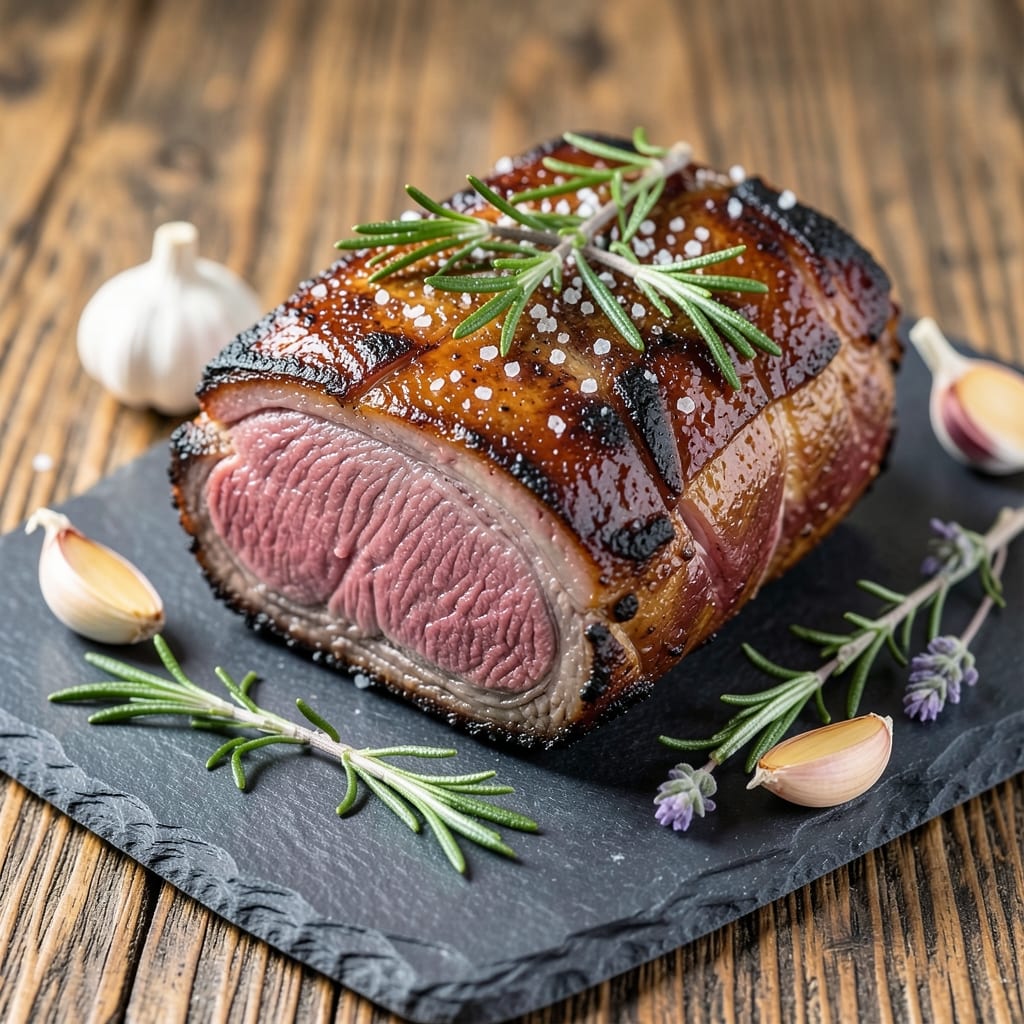
The Big Green Egg ribeye roast delivers restaurant-quality tenderness with smoky depth you can only achieve over charcoal. 🔥 The secret lies in the Egg’s ability to retain heat evenly, transforming tough cuts into melt-in-your-mouth perfection while locking in juices. Unlike open flames, the Egg’s dome creates a controlled environment where the ribeye develops a caramelized crust and tender interior simultaneously.
This recipe starts with a high-heat sear to build flavor, followed by low-and-slow cooking that lets the Egg’s heat circulate evenly. The result? A perfectly pink center with a crust so crisp it shatters at the first bite—all while the Egg’s natural charcoal aroma infuses every bite with that unmistakable smoky character. No fancy equipment needed beyond the Egg itself and a basic roasting pan.
What makes this roast truly special is how it handles sides too. Roasted potatoes or grilled vegetables cooked alongside absorb the Egg’s smoky essence, turning a simple meal into a showstopper. The key is patience: letting the ribeye rest before slicing ensures every bite stays juicy, while the Egg’s heat retention keeps everything warm until the last plate is served.
Perfect for weekend brunches, holiday gatherings, or when you want to impress without stress. The technique is straightforward but delivers results that rival high-end steakhouses—all from the comfort of your backyard or grill station.
Ingredients for big green egg ribeye roast
Six ingredients plus the Egg's magic—this ribeye roast delivers restaurant-quality tenderness with smoky depth.
| Ingredient | Amount | Notes |
|---|---|---|
| Ribeye Steak 🥩 | 4 lb | Bone-in, 1-1.5 inch thick |
| Kosher Salt 🧂 | 1 ½ tbsp | Diamond Crystal preferred |
| Freshly Ground Black Pepper 🌶️ | 1 ½ tbsp | Coarse grind for texture |
| Garlic Cloves 🧄 | 6 cloves | Smashed, skin-on |
| Fresh Rosemary 🌿 | ½ cup | Chopped, stems removed |
| Fresh Thyme 🌿 | ¼ cup | Leaves only, stems removed |
| Extra-Virgin Olive Oil 🫒 | ½ cup | For high-heat sear |
| Yellow Onion 🧅 | 1 whole | Thick slices, charred |
| Russet Potatoes 🥔 | 3 lb | Cut into 2-inch chunks |
| Charcoal Briquettes 🔥 | 20 pieces | Big Green Egg specific |
| Apple Cider Vinegar 🍎 | 2 tbsp | For crust enhancement |
| Beef Tallow 🧈 | 2 tbsp | For extra richness |
The ribeye is the star here—bone-in, 1-1.5 inches thick cuts work best. Local butchers often have perfect cuts, but if you're at Costco or Walmart, grab the thickest steaks they've got. Look for good marbling—those white flecks of fat are what make it juicy. The potatoes? Russets or Yukons—they hold up to the Egg's heat without falling apart. For the herbs, fresh is non-negotiable—dried just won't give that same smoky depth when charred. I usually grab rosemary and thyme from the farmers market in season, but the grocery store stuff works in a pinch.
No beef tallow? Extra-virgin olive oil or duck fat works just as well—just don't skip it, that's where the richness comes from. Short on time? Pre-cut the potatoes and store them in cold water with a splash of vinegar until you're ready to cook. The garlic should be smashed but still in the skin—this keeps the cloves intact while they infuse the meat. For the onions, char them separately on the Egg's grate if you're feeling fancy, but tossing them in with the potatoes works too. And if you're really short on time, pre-char the onions in a pan before adding everything to the Egg.
This roast reheats beautifully—just pop it back in the Egg for 10-15 minutes at medium heat. The potatoes? 3-4 days in the fridge, but honestly, they're better the next day once everything melds. For leftovers, I slice the ribeye against the grain and portion it with the potatoes—airtight containers keep everything warm for lunches. The Egg's residual heat means you can actually serve this straight from the container without reheating. And if you're planning ahead, prep the potatoes the night before—toss them in olive oil, salt, and pepper, then refrigerate until ready to cook.
Why You'll Love This Recipe
- One-Pan Magic: I swear by this—just toss the ribeye, crushed garlic, and rosemary sprigs into the Big Green Egg, sprinkle salt and pepper, and let it do the work. No flipping, no fussing, just perfect every time.
- Rosemary-Garlic Crust: That crispy, herby crust? It’s the star. The garlic cloves caramelize right into the meat while the rosemary infuses deep, earthy notes—like a fancy steakhouse bite without the pretension.
- Game Day Ready: Between us, this is my go-to for tailgates or lazy Sundays. Slice it thin, serve it with crusty bread, and suddenly you’re the hero. (Yes, even when you’re just feeding your own crew.)
- Leftovers That Don’t Suck: The best part? The second day is just as good. Cold slices in a sandwich? Yes. Reheated with a splash of red wine? Even better. No sad, dry steak leftovers here—just rich, juicy flavor.
Step-by-step instructions for Big Green Egg ribeye roast
This method delivers melt-in-your-mouth ribeye with crispy edges and smoky depth—all in one pan.
🔥 Step 1: Prep and Season the Ribeye
Pat the 4 lb ribeye steak completely dry with paper towels, then rub it with 2 tbsp beef tallow to create a flavorful crust. I press the tallow into the meat so it penetrates slightly—this adds richness that pairs perfectly with the smoky charcoal flavor.
Next, season both sides generously with 1.5 tbsp kosher salt and 1.5 tbsp freshly ground black pepper. I like to press the seasoning firmly so it adheres well. Let the steak sit at room temperature for 30 minutes while you prep everything else—this ensures even cooking through the thickest parts.
🍳 Step 2: Build the Charcoal Fire and Sear the Steak
Set up your Big Green Egg with 20 pieces charcoal briquettes arranged for indirect heat. I create a two-zone fire—hot coals on one side, cooler coals on the other. Once the coals are white and glowing, place the ribeye directly over the hottest zone and sear for 5 minutes per side until deeply browned with a crust.
Here's the thing—don't move the steak during those first 2 minutes on each side. You want that beautiful crust to form without breaking. When you see the edges start to crisp and pull away slightly, it's time to flip. The steak should release easily from the grill when ready.
🥘 Step 3: Add Potatoes and Aromatics for One-Pan Roast
Move the ribeye to the cooler side of the grill and arrange the 3 lb russet potatoes (cut into 2-inch chunks) around it. Drizzle everything with 0.5 cup extra-virgin olive oil, then sprinkle with 6 smashed garlic cloves, 0.5 cup chopped fresh rosemary, and 0.25 cup fresh thyme leaves. Toss the potatoes gently to coat.
Add 2 tbsp apple cider vinegar and 1 whole yellow onion (cut into thick slices) to the pan. The acidity from the vinegar helps break down the meat fibers, making the ribeye even more tender. Cover the grill and let everything cook for 1.5 hours, turning the steak occasionally to ensure even exposure to the heat.
⏰ Step 4: Finish with Perfect Doneness
After 1.5 hours, check the steak's internal temperature with a meat thermometer. For medium-rare, aim for 130-135°F. If it needs more time, return it to the cooler side of the grill for 10-15 minute increments, checking frequently. The potatoes should be tender and slightly crispy on the edges by now.
Once the steak reaches your desired temperature, let it rest for 10 minutes before slicing. This resting period allows the juices to redistribute, ensuring every bite is juicy and flavorful. The potatoes will continue to absorb the smoky flavors during this time—don't skip this step!
🔪 Step 5: Slice and Serve with Crispy Potatoes
Slice the ribeye against the grain into ½-inch thick pieces. The meat should be tender with a perfect pink center, surrounded by a smoky, slightly crispy crust. Arrange the slices on a platter with the roasted potatoes and any accumulated juices from the pan.
Here's where it gets fun—toss the potatoes with a little extra apple cider vinegar and fresh thyme right before serving. The acidity brightens the flavors and cuts through the richness of the ribeye. Serve immediately while everything is hot and the steak is still juicy.
Pro Tips For Making Big Green Egg Ribeye Roast
- CRANK THE HEAT FIRST: The Big Green Egg’s lid traps heat like a sauna, so start with the burner cranked to max—you’re aiming for 500°F+ inside to sear that ribeye’s surface in 3-4 minutes. I used to play it safe with medium-high, and my crust turned out more "browned" than "crispy." Trust the egg to handle the heat once it’s sealed.
- SMASH THE GARLIC: Don’t just mince those cloves—smash them first with the flat side of your knife. This releases more oils and flavor into the egg’s cast iron, which then clings to the ribeye as it roasts. I learned this the hard way after serving a dish where the garlic taste was polite but not bold.
- SALT THE ROSEMARY: Toss the fresh rosemary sprigs in a bowl with 1/2 teaspoon kosher salt before rubbing them onto the steak. The salt helps the needles stick better and prevents them from curling up into a useless nest. (Yes, I’ve seen this happen—it’s a crime against flavor.)
- REST UNDER FOIL: After pulling the ribeye from the egg, tent it loosely with foil and let it sit for a solid 5-10 minutes. The Big Green Egg’s residual heat will keep it warm, but the foil prevents the surface from drying out while the juices redistribute. I know, I know—you want to cut into it immediately. Fight the urge.
Troubleshooting this dish
Uneven Cooking Fix
If your ribeye cooks unevenly, the issue is likely heat distribution in your Big Green Egg. The Egg’s dome creates a natural convection current, but you can optimize it by rotating the roasting pan every 30 minutes—this ensures all sides get equal exposure to the heat. I also recommend preheating the Egg for 15 minutes before adding the meat to stabilize temperatures. If one side of the steak is overcooked, move it to the cooler side of the grill and cover with the lid to slow cooking. 🌡️
Dry or Tough Meat
Dry ribeye usually means overcooking or lack of fat rendering. First, check your internal temperature—130-135°F for medium-rare is ideal. If the steak is tough, it might not have rested long enough. Let it rest for the full 10-15 minutes before slicing. For extra moisture, brush the steak with beef tallow during the last 10 minutes of cooking, which adds fat and prevents drying. Also, avoid cutting into it too soon—juices need time to redistribute.
Potatoes Not Crispy
If your potatoes turn out soggy instead of crispy, they likely didn’t get enough direct heat exposure. Arrange them away from the steak (which blocks heat) and place them closer to the hot coals for the first 20 minutes of cooking. Toss them with an extra 1 tbsp olive oil and ½ tsp salt before adding to the Egg. If they’re still undercooked after 1.5 hours, uncover the grill and let them crisp under the broiler for the last 10 minutes.
Smoke Overload
Too much smoke can make your ribeye bitter. This happens when the Egg’s vents aren’t open enough or the fire is too hot. Crack the top and bottom vents slightly wider to increase airflow and reduce smoke buildup. If the coals are burning too fast, reduce the number to 15 pieces instead of 20. A two-zone fire (hot on one side, cool on the other) also helps control smoke while keeping the steak cooking evenly.
Steak Sticking to Pan
Sticking is usually caused by moisture or low heat. Pat the steak completely dry with paper towels before seasoning, and let it sit at room temperature for 30 minutes to prevent condensation. Use a heavy-duty roasting pan (like Lodge Cast Iron) for better heat retention. If it still sticks, increase the heat slightly and sear undisturbed for 3-4 minutes per side before moving to indirect heat. A thin layer of beef tallow also creates a natural barrier between the meat and pan.
Resting Time Too Short
Skipping the rest or cutting too soon leads to dry, stringy meat. The 10-minute rest is non-negotiable—it lets juices redistribute from the center to the edges. For a 4 lb ribeye, I often rest it for 15 minutes to be safe. If you’re in a hurry, tent it loosely with aluminum foil to keep it warm while you finish sides. Pro tip: Place the steak on a wire rack over a baking sheet to catch drippings—this keeps the meat elevated and prevents sogginess.
Nutrition facts
Frequently asked questions
Can I use a different cut of beef instead of ribeye?
The Big Green Egg's even heat works beautifully with other beef cuts, but ribeye is ideal for its marbling and tenderness. For similar results, try tomahawk or New York strip steak—both benefit from the Egg's smoky flavor. Avoid leaner cuts like sirloin, which can dry out during low-and-slow cooking. If you must substitute, increase cooking time by 10-15 minutes and monitor internal temperatures closely.
How do I adjust cooking time for a thicker or thinner steak?
Thickness matters! For every ½-inch thicker than 1.5 inches, add 5-7 minutes to total cooking time. A 2-inch thick ribeye might need 1 hour 45 minutes total. Use a meat thermometer—130-135°F for medium-rare is your target. For thinner cuts (1-inch), reduce time by 20-25 minutes and sear only 2 minutes per side before moving to indirect heat.
What if I don't have beef tallow?
No problem! Swap beef tallow for extra-virgin olive oil or duck fat—both work equally well. For extra richness, mix 1 tbsp olive oil with ½ tbsp butter and brush it on the steak before searing. Avoid vegetable oils with low smoke points—they can burn and create bitter flavors. The key is using fat to create that flavorful crust while preventing sticking.
Can I make this recipe without potatoes?
The Big Green Egg handles other sides beautifully. Try carrots (tossed in olive oil and thyme), asparagus (charred with garlic), or brussels sprouts (halved and roasted). For a heartier meal, add onion rings or mushrooms—just adjust cooking times. The Egg's even heat means you can mix and match sides without overcooking. Just keep them away from the steak to prevent steaming.
How far ahead can I prep the ingredients?
Prep everything 24 hours ahead for maximum convenience! Store the ribeye in the fridge (unseasoned) until ready to cook. Cut potatoes and chop aromatics, then refrigerate in airtight containers with a paper towel to absorb moisture. Season the steak and prep the Egg just before cooking. The only thing you shouldn't prep ahead is the charcoal fire—light it 30 minutes before cooking to ensure proper heat.