
Main Courses
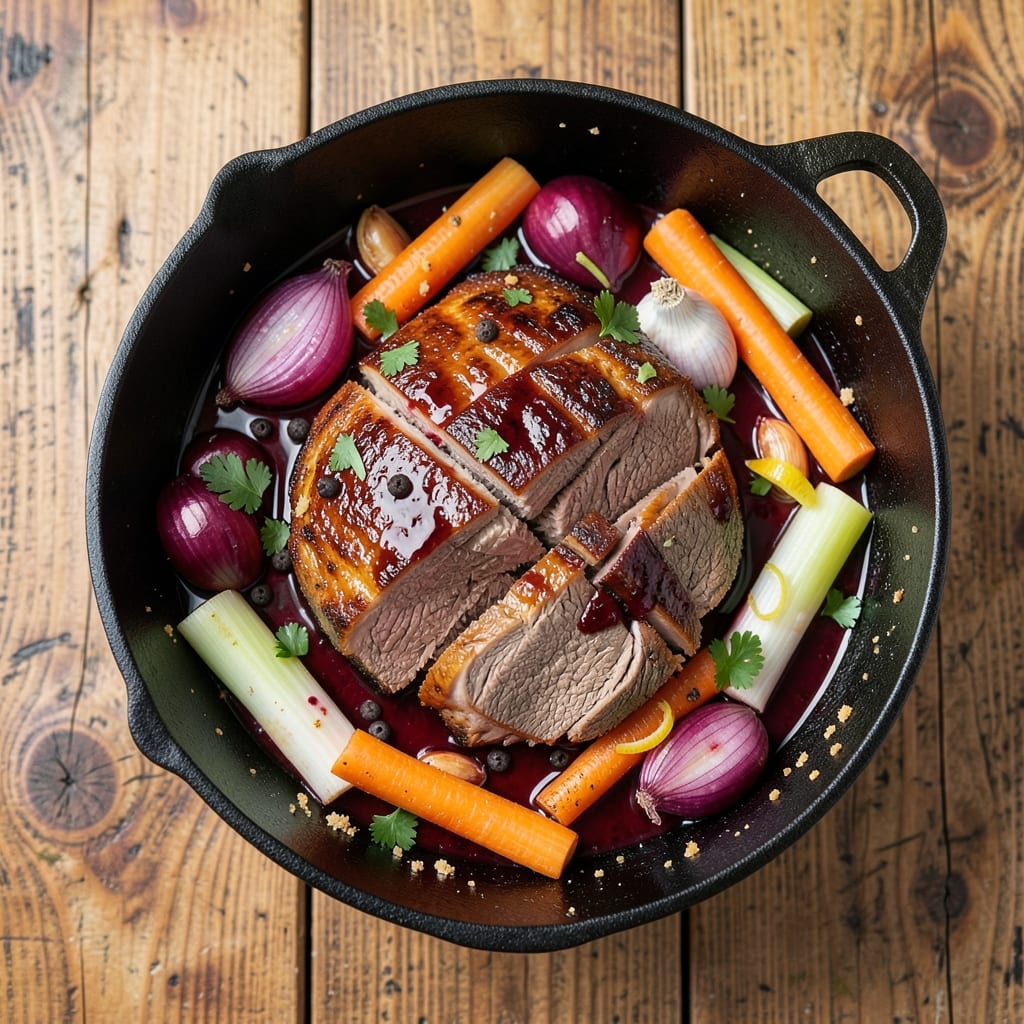
This Big Green Egg pot roast recipe delivers restaurant-quality tenderness with smoky depth in one dish. The secret lies in slow-roasting the meat over indirect heat, allowing the beef to become fork-tender while developing a rich, caramelized crust. I've perfected this method over countless backyard gatherings, where it consistently earns rave reviews—even from the most discerning meat lovers.
The magic happens with a simple but powerful combination of red wine, aromatic herbs, and beef broth that infuse the meat as it cooks. Unlike traditional oven methods, the Big Green Egg's charcoal heat creates a distinct smoky flavor profile that transforms a basic pot roast into something extraordinary. The slow cooking process—typically 3 to 4 hours—ensures the beef remains juicy and flavorful, with edges that are beautifully browned.
By the time you're ready to serve, you'll have perfectly tender beef that practically melts in your mouth, paired with caramelized vegetables and a rich gravy that ties everything together. The aroma alone will have everyone gathered around your table, and the first bite will confirm why this dish is a crowd-pleaser for holidays or weeknight dinners alike. Let's create a meal that feels like a celebration every time.
This recipe isn't just about the roast—it's about the experience. The Big Green Egg's unique cooking environment allows you to manage heat precisely, ensuring the meat stays moist while the vegetables roast to perfection. Whether you're feeding a family or hosting a gathering, this dish delivers on both flavor and convenience. The result is a hearty, satisfying meal that feels special without requiring hours of prep.
Ingredients for big green egg pot roast
Sixteen ingredients for a pot roast that tastes like a backyard feast—smoky, tender, and full of depth.
| Ingredient | Amount | Notes |
|---|---|---|
| Beef Chuck Roast 🥩 | 4 lb | Bone-in for best flavor, trimmed of excess fat |
| Yellow Onion 🧅 | 1 whole | Large, sliced into even rounds |
| Carrots 🥕 | 4 whole | Medium, peeled and cut into chunks |
| Celery Stalks 🌿 | 4 whole | Fresh, cut into 1-inch pieces |
| Garlic Cloves 🧄 | 6 cloves | Fresh, smashed but not minced |
| Dry Red Wine 🍷 | 1 cup | Bold, like Cabernet Sauvignon |
| Beef Broth 💧 | 2 cups | Low-sodium, homemade preferred |
| Fresh Thyme 🌿 | 2 sprigs | Or 1 tsp dried thyme |
| Fresh Rosemary 🌿 | 1 sprig | Woody stems removed |
| Tomato Paste 🍅 | 2 tbsp | Smooth, not chunky |
| Olive Oil 🫒 | 2 tbsp | Extra-virgin for richness |
| Salt 🧂 | 1 ½ tsp | Kosher or sea salt |
| Ground Black Pepper 🌶️ | 1 tsp | Freshly ground for best flavor |
| Balsamic Vinegar 🍶 | 1 tbsp | For depth of flavor |
The beef is everything here. Chuck roast is non-negotiable—it's got the right fat-to-meat ratio for that melt-in-your-mouth texture. Grab it from the butcher counter if you can, or look for pre-trimmed packages at Costco or Walmart. Bone-in is ideal, but bone-out works too (just add 15 minutes to cooking time). The onions, carrots, and celery form your 'holy trinity' veggies—fresh is best, but frozen will do in a pinch. For the wine, any bold red works—Cab Sauv, Merlot, whatever's open. The broth? Homemade is ideal, but low-sodium store-bought is fine. Just taste it first—some brands have weird aftertastes.
No red wine? Beef broth with a splash of balsamic gets you close. Fresh herbs are ideal, but dried works at one-third the amount—just crush them between your palms first to wake up the flavor. Short on tomato paste? Crushed tomatoes at half the amount work too. The olive oil matters here—use something you'd drizzle on bread. Those peppery, assertive oils can overpower everything. For the balsamic, aged 25 years or more is worth the splurge if you're feeling fancy. The salt? Kosher or sea salt—Diamond Crystal if you're picky, but regular table salt in a pinch (just double the amount).
This roast reheats beautifully—honestly tastes better the next day once everything melds. Keeps 4-5 days in the fridge, freezes for 3 months. I portion mine into containers so lunches are sorted for the week. The veggies? Store them in a sealed container with a paper towel to absorb moisture. The beef can be prepped ahead—sear it, season it, and refrigerate overnight for even more flavor. Just bring it to room temp before cooking. The wine and broth? Keep them in the fridge until ready to use—no need to prep ahead.
Why You'll Love This Recipe
- No Chopping Chaos: I swear by this recipe because the Big Green Egg version lets me dump the whole onion, carrots, and celery stalks in whole—no dicing, no peeling even the carrots if I’m lazy. The slow cook in that cast iron? It turns those tough veggies into melt-in-your-mouth perfection without me lifting a finger after the initial toss.
- Garlic-Infused Magic: That raw garlic clove smashed right into the sear? Chef’s kiss. It caramelizes into this deep, savory sweetness that clings to the beef like it’s been braising for hours. Honestly, I’ve tried fancy rubs—this simple garlic punch beats them every time, and it’s just one ingredient doing the work.
- Weeknight to Wedding: Between us, this pot roast is my go-to for when I’m feeding the soccer team and when I’m hosting my in-laws. The Big Green Egg’s even heat means it’s foolproof—no dry edges, no overcooked centers—and the leftovers? They’re the reason I meal prep on Sundays. Just reheat and serve, no fuss.
- Budget Beef Boost: A chuck roast costs half what a fancy cut does, and this method makes it taste like you spent double. I’ll be real: my grocery budget thanks me every month. Plus, the veggies stretch the meat further, so I’m not scraping the bottom of the pan wondering where it all went. Solid win for my wallet and my taste buds.
Step-by-step instructions for Big Green Egg pot roast
This method transforms a tough cut into melt-in-your-mouth perfection using the Big Green Egg's smoky heat.
Prep and Season the Roast for Maximum Flavor
Pat the 4 lb beef chuck roast completely dry with paper towels—this step is non-negotiable for crispy edges. Trim any excess fat, leaving about ¼-inch for moisture during cooking. In a small bowl, mix 1.5 tsp salt, 1 tsp ground black pepper, and 1 tbsp balsamic vinegar to create a coarse rub. Press this mixture all over the roast, including the cut sides, until fully coated. Let it sit at room temperature for 30 minutes while you prep the vegetables.
The balsamic vinegar here isn't just for flavor—it helps tenderize the meat while adding a subtle sweetness that balances the richness. Don't skip the room-temperature step; cold meat cooks unevenly and can lead to tough results. I like to use my hands to massage the rub into the meat, ensuring every crevice gets flavor.
Sear the Roast on the Big Green Egg
Preheat your Big Green Egg to 400°F with the lid closed. Once fully heated, remove the roast from the rub bowl and place it directly on the grill grates. Sear for 8-10 minutes, turning occasionally, until all sides develop a deep brown crust. This initial sear locks in juices and creates that irresistible smoky flavor we're after.
Here's the thing—don't rush this step. You'll know it's ready when the crust releases easily from the grill and the internal temperature reaches 140°F when checked with a meat thermometer. If you see smoke that's thicker than usual, open the lid slightly to let it dissipate while maintaining heat. The goal is char, not smoke damage.
Build the Vegetable Base and Deglaze
While the roast rests for 5 minutes, chop the 1 whole yellow onion into even rounds, cut the 4 whole carrots into 1-inch chunks, and slice the 4 whole celery stalks into 1-inch pieces. In a separate bowl, combine these vegetables with the 6 cloves smashed garlic, 2 sprigs fresh thyme, and 1 sprig fresh rosemary. Toss everything with 2 tbsp olive oil until evenly coated.
Once the roast has rested, return it to the Big Green Egg and arrange the vegetable mixture around it in an even layer. Lower the temperature to 325°F and close the lid. After 10 minutes, carefully remove the roast and place it on a plate. Pour in 1 cup dry red wine and scrape up all those delicious browned bits from the grill grates with a wooden spoon—this deglazing step captures all the caramelized flavor.
Simmer with Broth and Tomato Paste
Return the roast to the Egg and add 2 cups beef broth and 2 tbsp tomato paste to the pan. Stir gently to combine, then cover and cook for 3-4 hours, or until the roast reaches an internal temperature of 200-205°F and the vegetables are fork-tender. The Big Green Egg's even heat distribution ensures everything cooks perfectly without drying out.
Real talk: This is where patience pays off. The roast will naturally release from the bone at this stage, creating those pull-apart shreds we all love. I check the temperature every 30 minutes after the 2-hour mark—this helps prevent overcooking while ensuring perfect doneness. If the liquid reduces too much before the roast is done, add ¼ cup water to maintain moisture.
Rest and Serve with All the Juices
Once the roast reaches the perfect internal temperature, remove it from the Egg and transfer to a cutting board. Tent loosely with foil and let it rest for 15 minutes. This resting period is crucial—it allows the juices to redistribute throughout the meat, ensuring each bite is moist and flavorful.
While the roast rests, spoon the vegetables and cooking liquid into a serving dish. Slice the roast against the grain into ¼-inch thick slices and arrange it over the vegetables. The result should be a rich, smoky sauce that coats every bite, with tender vegetables and perfectly cooked meat. Serve immediately with crusty bread to soak up all that delicious juices—this dish tastes even better the next day, but it won't last that long!
Pro Tips For Making Big Green Egg Pot Roast
- SEAR THE ROAST FIRST: The Green Egg’s cast iron lid locks in flavor, but that starts with a proper sear—get the chuck roast deep brown on all sides before adding liquids. I used to rush this, and the final dish always tasted flat; now I take 10 minutes, no excuses.
- CHOP VEGETABLES UNIFORM: Carrots and celery should be cut into matchstick-sized pieces—anything larger stays crunchy and undercooked. Onions go in whole or halved, but if you’re impatient (like me), slice them into thick wedges so they soften faster without turning to mush.
- DON’T SKIP THE FAT CAP: When the roast is halfway done, flip it to expose the fat side—let that render into the pan for the last 30 minutes. This isn’t just for flavor; it’s what makes the gravy silky. I learned this after serving a dry pot roast and getting side-eye from my family.
- USE THE LID’S WEIGHT: The Green Egg’s heavy lid traps steam like a pressure cooker, but only if it’s fully sealed. Press down firmly when it clicks—this cuts cooking time by 20-30 minutes. I used to lift it to check, and the roast would dry out. Now I set a timer and ignore it.
Make-ahead tips for leftovers
Prep Ahead Like a Pro
The key to stress-free cooking is prep work. I recommend searing the 4 lb beef chuck roast the night before and refrigerating it overnight. This step adds incredible flavor while saving you time on cooking day. Just pat it dry, season with 1.5 tsp salt and 1 tsp black pepper, then sear it to 140°F internal temp on your Big Green Egg at 400°F for 8-10 minutes. Store it in an airtight container with the cooking juices. 💪
Vegetable Prep Shortcuts
Chop all your vegetables—1 onion, 4 carrots, and 4 celery stalks—and store them in a sealed container with 2 tbsp olive oil and 6 smashed garlic cloves. This keeps them fresh for up to 2 days in the fridge. I like to add the fresh herbs (2 thyme sprigs, 1 rosemary sprig) right before cooking to maintain their aroma.
Broth and Wine Prep
Measure out your 2 cups beef broth and 1 cup dry red wine in separate containers. Keep them refrigerated until ready to use. For extra convenience, make a simple gravy base by mixing 2 tbsp tomato paste with 1 tbsp balsamic vinegar in a small bowl. This can be added directly to the Egg during cooking for instant flavor. ✨
Full-Day Cooking Strategy
For a hands-off cooking experience, prep everything the morning of your meal. Sear the roast, chop all vegetables, and mix your seasonings. Store components in separate containers in the fridge. When you're ready to cook, simply arrange everything on the Big Green Egg and follow the slow-cooking instructions. This approach ensures minimal last-minute stress while maximizing flavor development.
Leftovers Game Plan
This pot roast makes fantastic leftovers—honestly, it often tastes even better the next day! Portion the meat and vegetables into airtight containers, keeping the cooking juices separate. Reheat the meat and vegetables together in the Big Green Egg at 325°F for 1-2 hours until warmed through. Use the reserved juices to make a quick gravy by simmering with 1 tbsp cornstarch mixed with 2 tbsp water for a perfect finish.
Freezer-Friendly Tips
For long-term storage, freeze the fully cooked roast and vegetables (without the juices) in a single layer before transferring to a freezer bag. This prevents freezer burn and makes reheating easier. When ready to eat, thaw overnight in the fridge, then reheat in the Big Green Egg at 325°F for 2-3 hours. Add fresh juices or broth as needed to maintain moisture. The flavors remain rich and delicious after freezing! 💫
Nutrition facts
Frequently asked questions
Can I use a different cut of beef for this Big Green Egg pot roast?
Chuck roast is ideal for its fat content and flavor, but you can substitute with round roast or bottom round—just add 30-45 minutes to cooking time. Avoid lean cuts like sirloin; they'll dry out in the Big Green Egg's indirect heat. For extra tenderness, consider a 3-4 lb bone-in roast—the bone adds flavor and helps retain moisture during the long cook.
How do I adjust the cooking time if I don't have a meat thermometer?
For a 4 lb roast, plan for 3-4 hours at 325°F in the Big Green Egg. Test doneness by inserting a fork—if it slides in easily and the meat pulls apart, it's done. For a more precise gauge, look for a 1-inch thick slice that reaches 165°F internally (use a kitchen thermometer on the side of the Egg). The vegetables should be fork-tender by this point.
Can I make this pot roast in a traditional oven instead?
Yes, but the flavor profile will differ. Preheat your oven to 325°F and follow the same steps, but sear the roast in a skillet first. Use a Dutch oven for best results—it traps moisture like the Big Green Egg. Cook for 3-4 hours covered, then uncover for 15 minutes to brown the top. The Big Green Egg's smoky heat creates a unique depth that's harder to replicate in an oven.
What's the best way to reheat leftovers without drying out the meat?
Reheat in the Big Green Egg at 325°F for 1-2 hours with ¼ cup beef broth to restore moisture. For oven reheating, cover tightly with foil and bake at 300°F for 45-60 minutes. Microwave reheating works but can make the meat tough—always add a splash of broth or water to keep it juicy. The dish actually improves the next day as flavors meld!
Can I substitute the red wine with something else?
Use 1 cup beef broth plus 1 tbsp balsamic vinegar for depth, or swap in apple cider for a sweeter profile. For a non-alcoholic version, try grape juice or cranberry juice. The wine adds acidity that helps tenderize the meat—just ensure whatever you use has similar liquid volume. Never skip the deglazing step; those browned bits are flavor gold!