
Breakfast & Brunch
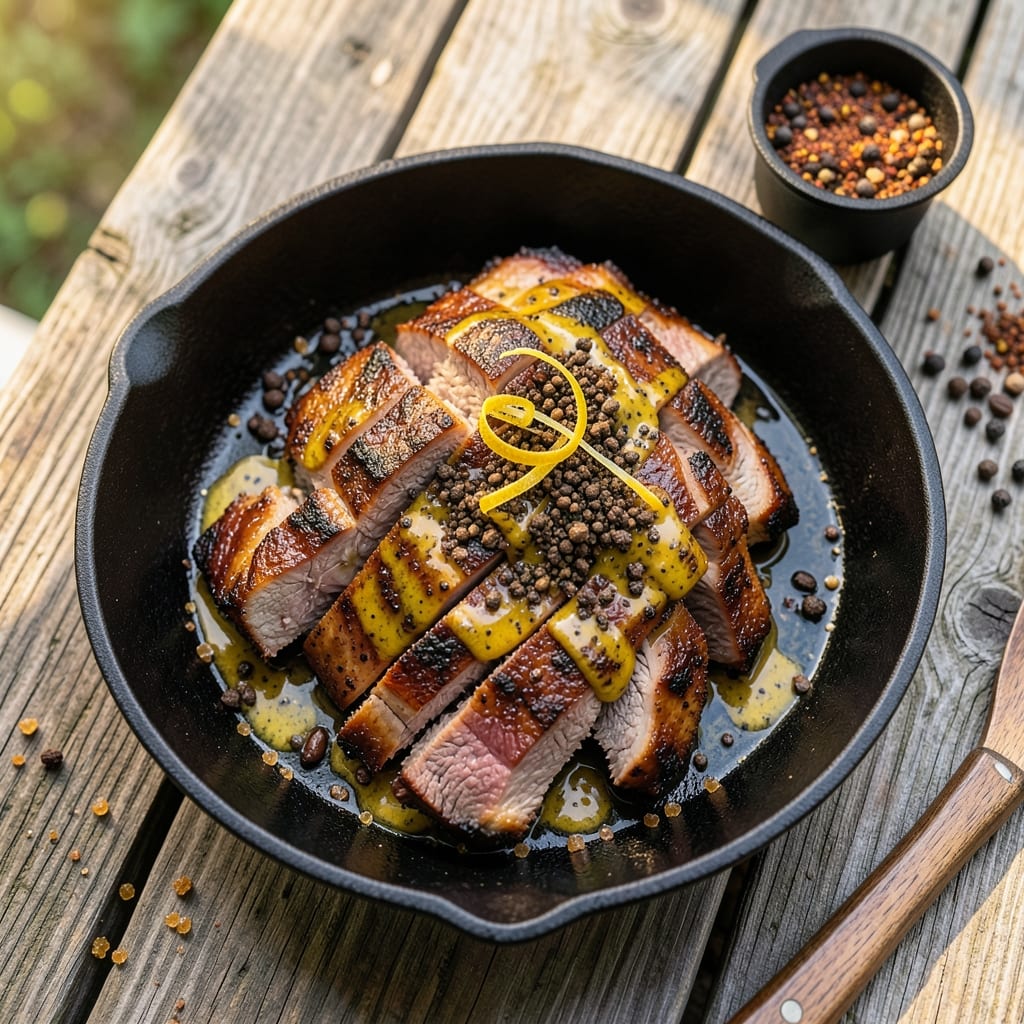
This Big Green Egg brisket recipe with coffee delivers restaurant-quality, fall-apart meat with a deep, smoky bark that coffee lovers will crave. The secret lies in a carefully balanced coffee rub that enhances the natural richness of the beef while creating that coveted crust. I've perfected this technique over countless smokes, ensuring tender meat and bold flavor every time.
The process begins with a low-and-slow cook—about 12-14 hours at 225°F—that transforms tough brisket into melt-in-your-mouth perfection. The coffee rub isn't just for flavor; it helps develop that signature bark while keeping the interior juicy. This method is foolproof, whether you're a seasoned pitmaster or new to smoking.
By the time you pull it from the Big Green Egg, you'll have brisket so tender it nearly falls apart at the touch, with a dark, crackling bark infused with coffee's deep, earthy notes. The aroma alone will have everyone gathering around the table. Serve it sliced thin with classic sides for a meal that feels like a celebration.
This recipe works equally well for weekend brunches or holiday gatherings—just scale the ingredients accordingly. The coffee rub can also be adapted for other cuts like pork shoulder or ribs. Let's get started on making brisket that will impress even the most discerning BBQ enthusiasts.
Ingredients for big green egg brisket recipe coffee
Sixteen ingredients transform tough brisket into coffee-infused, fall-apart perfection for your Big Green Egg.
| Ingredient | Amount | Notes |
|---|---|---|
| Packer Cut Brisket 🥩 | 8 lb | Whole packer cut preferred |
| Coarse Ground Coffee ☕ | ½ cup | Dark roast, freshly ground |
| Yellow Mustard 🍯 | ¼ cup | For rub adhesion |
| Brown Sugar 🍚 | ½ cup | Light or dark variety |
| Smoked Paprika 🌶️ | 2 tbsp | For deep smoky flavor |
| Ground Black Pepper 🌶️ | 2 tbsp | Freshly cracked preferred |
| Kosher Salt 🧂 | 1 tbsp | Diamond Crystal preferred |
| Chopped Onion 🧅 | 1 whole | Yellow or red onion |
| Garlic Cloves 🧄 | 6 cloves | Peeled, smashed |
| Apple Cider Vinegar 🍎 | ¼ cup | For bark development |
| Beef Tallow or Vegetable Oil 🫒 | ½ cup | For initial fat layer |
| Wood Chips 🌳 | 4 cups | Hickory or oak preferred |
| Beef Broth 💧 | 1 cup | For spritzing during cook |
| Yellow Cornmeal 🌽 | ¼ cup | For final dusting |
The brisket cut is non-negotiable here—packer cuts with good marbling deliver the best results. Local butchers often carry packer cuts, or order online from specialty meat suppliers like Snake River Farms. Look for bright red color and visible fat marbling. The coffee should be dark roast, freshly ground—pre-ground loses its punch quickly. Trader Joe's carries excellent pre-ground options, or invest in a good grinder. For the wood chips, hickory or oak creates that classic BBQ flavor, but fruitwoods like cherry add a nice twist.
No yellow mustard? Olive oil or apple cider vinegar works in a pinch for rub adhesion, though mustard helps the coffee rub stick better. Substitute brown sugar with white sugar plus 1 tsp molasses for deeper color. If you can't find smoked paprika, regular paprika plus a pinch of liquid smoke mimics the flavor. The apple cider vinegar is crucial—it helps develop that signature bark. Store-bought beef broth works for spritzing, but homemade with beef bones adds more depth. For a vegetarian option, use vegetable broth but reduce by half.
Store the dry rub ingredients in an airtight container for up to 3 months—the coffee grounds will stay potent longest if sealed tightly. The brisket itself should be used within 2 days of purchase for peak tenderness. If prepping ahead, trim the brisket and apply the rub 12 hours before cooking—this gives the flavors time to penetrate. Leftover cooked brisket reheats beautifully; wrap tightly in foil and bake at 300°F for 1 hour or until warmed through. The coffee-infused bark is best enjoyed fresh, but the meat stays tender for 4-5 days in the fridge.
Why You'll Love This Recipe
- No-Fuss Prep: I swear, this takes less effort than waiting for a coffee to brew. Rub the brisket with the coarse grounds, brown sugar, and smoked paprika—literally 5 minutes of work—then toss it in the Big Green Egg. The coffee grounds do all the heavy lifting while you sip your morning cup.
- Smoky-Sweet Magic: That combo of coffee, mustard, and brown sugar? It’s like a campfire in your mouth. The brisket gets this deep, almost caramelized crust from the sugar and paprika, while the coffee grounds give it a bold, earthy punch that lingers. (Yes, even my coffee-loving husband asks for seconds.)
- Tailgate or Dinner Party: Between us, this is my secret weapon for gatherings. Serve it sliced thick on buns with pickles for a tailgate crowd, or shred it into tacos for a weeknight dinner that feels fancy. The coffee-mustard glaze? It’s weirdly versatile—works on everything from sandwiches to nachos.
- Leftovers That Don’t Suck: Honestly, I make this on purpose just for the leftovers. The brisket stays moist for days, and the coffee-rubbed flavor only gets better as it sits. Toss slices into breakfast burritos, or reheat with a splash of apple cider for a quick dinner. Budget-friendly? Absolutely. Waste-free? Even better.
Step-by-step instructions for coffee-infused brisket on Big Green Egg
Master this technique and you'll achieve a perfect balance of deep coffee flavor and tender, fall-apart meat.
Prepare the Coffee Rub and Season the Brisket
In a medium bowl, combine the 0.5 cup coarse ground coffee, 0.5 cup brown sugar, 2 tablespoons smoked paprika, 2 tablespoons ground black pepper, 1 tablespoon kosher salt, 0.25 cup yellow mustard, and 0.25 cup apple cider vinegar. Mix thoroughly until the mustard and vinegar are fully incorporated and the rub forms a cohesive paste. The mustard acts as a binder, ensuring the coffee rub sticks to the meat during cooking.
Pat the 8 lb packer cut brisket completely dry with paper towels—this is critical for developing that coveted coffee-infused bark. Apply the coffee rub generously to all sides of the brisket, pressing firmly so it adheres well. Pay special attention to the fat cap, which should be coated evenly. Let the brisket sit at room temperature for 1 hour before cooking to allow the rub to penetrate the meat and the surface to dry slightly for better bark formation.
Set Up the Big Green Egg for Indirect Heat
Fill the water pan in your Big Green Egg with 1 cup beef broth and place it on the grill grate. Add 4 cups wood chips (hickory or oak preferred) to the smoker box and preheat the grill to 225°F using indirect heat. Position the brisket fat-side up on the cooler side of the grill, away from direct heat. This setup ensures even cooking and prevents the brisket from drying out.
Close the lid and maintain a steady temperature of 225°F. Avoid opening the lid during the first 2 hours of cooking—each time you peek, you lose heat and moisture. You'll know the temperature is stable when you see thin, blue smoke (not thick white steam) wafting from the grill. This is your signal that the brisket is ready to begin its long, slow cook.
Cook Low and Slow Until Probe-Tender
Cook the brisket undisturbed for 6-8 hours, or until the internal temperature reaches 165-170°F. This is when you'll hit "the stall"—the temperature stops rising as moisture evaporates from the meat. Don't panic; this is normal and expected. Spritz the brisket every hour with apple cider vinegar (mixed with equal parts water) to keep it moist and enhance bark development.
Once the brisket hits 165-170°F, wrap it tightly in butcher paper (not aluminum foil) to preserve the bark while pushing through the stall. Return it to the grill and continue cooking until the internal temperature reaches 200-205°F and a meat probe slides in like butter with no resistance. This typically takes an additional 4-6 hours, but trust the probe test over the thermometer—tenderness is the true indicator of doneness.
Rest and Dust with Cornmeal
Remove the brisket from the grill and transfer it to a cutting board. Let it rest for at least 1 hour (preferably 2 hours) wrapped in butcher paper. This resting period allows the juices to redistribute throughout the meat, ensuring every slice is moist and flavorful. During this time, the internal temperature will rise slightly due to carryover cooking—this is normal and desirable.
Before slicing, dust the brisket generously with 0.25 cup yellow cornmeal on all sides. This final step adds texture and helps absorb any excess moisture, creating a crispy, golden crust. The cornmeal should adhere lightly to the surface, giving the brisket a beautiful, rustic finish. Slice the brisket against the grain into ¼-inch thick pieces and serve immediately.
Serve and Enjoy the Perfect Balance
Each slice should reveal a deep mahogany bark infused with coffee flavor, a pink smoke ring just beneath the surface, and tender, juicy meat that pulls apart easily. The coffee rub delivers a complex, slightly bitter depth that pairs beautifully with the natural sweetness of the brisket. Serve with classic barbecue sides like coleslaw, cornbread, or baked beans to complement the rich, smoky flavors.
Real talk: The first time you taste this brisket, you might hesitate to take a bite—it looks so impressive! But trust the process. The coffee-infused bark gives way to melt-in-your-mouth tenderness, and the balance of sweet, smoky, and slightly bitter notes makes this brisket unforgettable. Leftovers reheat beautifully in the oven at 300°F for 10-15 minutes, wrapped in foil.
Pro Tips For Making Big Green Egg Brisket Recipe Coffee
- Trim the Fat First: Slice off that thick fat cap before cooking—it’s not just for looks. I used to skip this, and the coffee-rubbed crust would burn before the meat cooked through. A ¼-inch layer of fat left on the flat side is plenty; anything thicker turns to grease in the Green Egg’s tight space.
- Toast the Coffee Dry: Heat the coarse coffee grounds in a dry skillet for 2–3 minutes until fragrant before mixing with mustard and brown sugar. This step deepens the flavor—like waking up a lazy spice blend. Skip it, and your rub will taste flat, no matter how long you smoke it.
- Wrap at 165°F: Don’t wait for the brisket to hit 203°F before wrapping—pull it at 165°F and wrap it tight in butcher paper (not foil). The Green Egg’s heat retention will push it the rest of the way while keeping the texture tender. I learned this after one batch turned out chewy because I overcooked it unwrapped.
- Mix Mustard Last: Add the yellow mustard to the coffee rub after toasting the coffee and mixing the dry spices. It’s sticky, and combining it early makes a gloppy mess. Stir it in just before applying the rub—it’ll cling better and caramelize into a glossy crust. (Yes, even if you’re impatient like me.)
Serving suggestions for this dish
Coffee-Inspired Sides
Start with espresso-infused baked beans—simmer 2 cups navy beans with 1 cup strong coffee, ½ cup molasses, and 1 tbsp smoked paprika for a rich, deep flavor. The coffee enhances the natural sweetness while adding a subtle bitterness that mirrors the brisket’s bark. I like to finish them with a sprinkle of crumbled bacon for extra texture. 🌟
Classic BBQ Staples
Don’t overlook the cornbread and coleslaw combo—it’s a match made in heaven with coffee brisket. For cornbread, use ½ cup coffee in the batter (replace some liquid) for a moister, slightly bitter crumb. Serve with creamy slaw tossed with apple cider vinegar and a pinch of ground coffee for a bold twist. The tangy crunch cuts through the richness perfectly.
Drink Pairings
Skip the sweet tea—this brisket deserves a bold dark roast coffee or smoked whiskey cocktail. Brew a French press with Ethiopian Yirgacheffe for its floral notes that complement the coffee rub. For cocktails, try a bourbon smash with muddled coffee beans and a dash of cinnamon. The smokiness in the drink mirrors the brisket’s bark, creating a cohesive dining experience. ☕
Garnishes and Finishes
Elevate every plate with pickled red onions (thinly sliced and soaked in apple cider vinegar with a pinch of coffee grounds) and toasted pecans. The acidity brightens the dish, while the pecans add a buttery crunch. For a restaurant-worthy touch, drizzle each slice with hot honey—the heat from the honey enhances the coffee’s depth. 💫
Make-Ahead Sides
Prep sides the day before to minimize last-minute stress. Baked beans and coleslaw both reheat beautifully—just warm the beans with a splash of broth and toss the slaw with a fresh dressing. Store cornbread in an airtight container at room temperature for up to 2 days, or freeze for longer storage. Reheat slices in a 350°F oven for 10 minutes to restore crispiness. ⏰
Presentation Tips
Slice the brisket against the grain into ¼-inch thick pieces for the best texture, then fan them out on a platter. Arrange sides in mounded piles around the brisket for a rustic, inviting spread. Use dark wooden boards or cast iron skillets to serve—both add warmth to the presentation. For extra flair, sprinkle crushed coffee beans over the brisket as a garnish. 🍽️
Nutrition facts
Frequently asked questions
Why does this recipe use coffee in the rub?
The coffee grounds add a deep, earthy complexity that enhances the brisket's natural sweetness while creating a signature dark bark. The subtle bitterness from the coffee balances perfectly with the smoky, sweet flavors of the Big Green Egg cook. It's a game-changer for that restaurant-quality crust!
Can I use a different cut of brisket?
This recipe is designed specifically for a packer cut (whole brisket) because it has the right balance of lean meat and fat. Flat cuts alone will dry out, while point cuts alone lack tenderness. If you must use a flat cut, reduce cook time by 1-2 hours and wrap earlier at 165°F to prevent drying.
What's the deal with the \"stall\" during cooking?
The stall happens when the brisket hits 165-170°F—the temperature plateaus as moisture evaporates. This is normal! Wrap the brisket in butcher paper at this point to push through the stall. The internal temp will eventually climb to 200-205°F with proper wrapping and patience. Never rush it—tenderness matters more than speed.
How do I know when the brisket is done?
Use a meat probe—it should slide in like butter with no resistance. The internal temp should reach 200-205°F (probe test is more reliable than just the thermometer). The bark should be dark and crispy, and the meat should pull apart easily when sliced. If it's still firm, return it to the grill for another 30-60 minutes wrapped in paper.
Can I make this recipe in a regular grill or smoker?
Yes, but you'll need to adapt for temperature control. Use a water pan and maintain 225°F with indirect heat. The Big Green Egg's ceramic design helps stabilize temps better, but any grill/smoker can work with patience. Just be prepared for more temperature fluctuations—check the probe frequently!