
Breakfast & Brunch
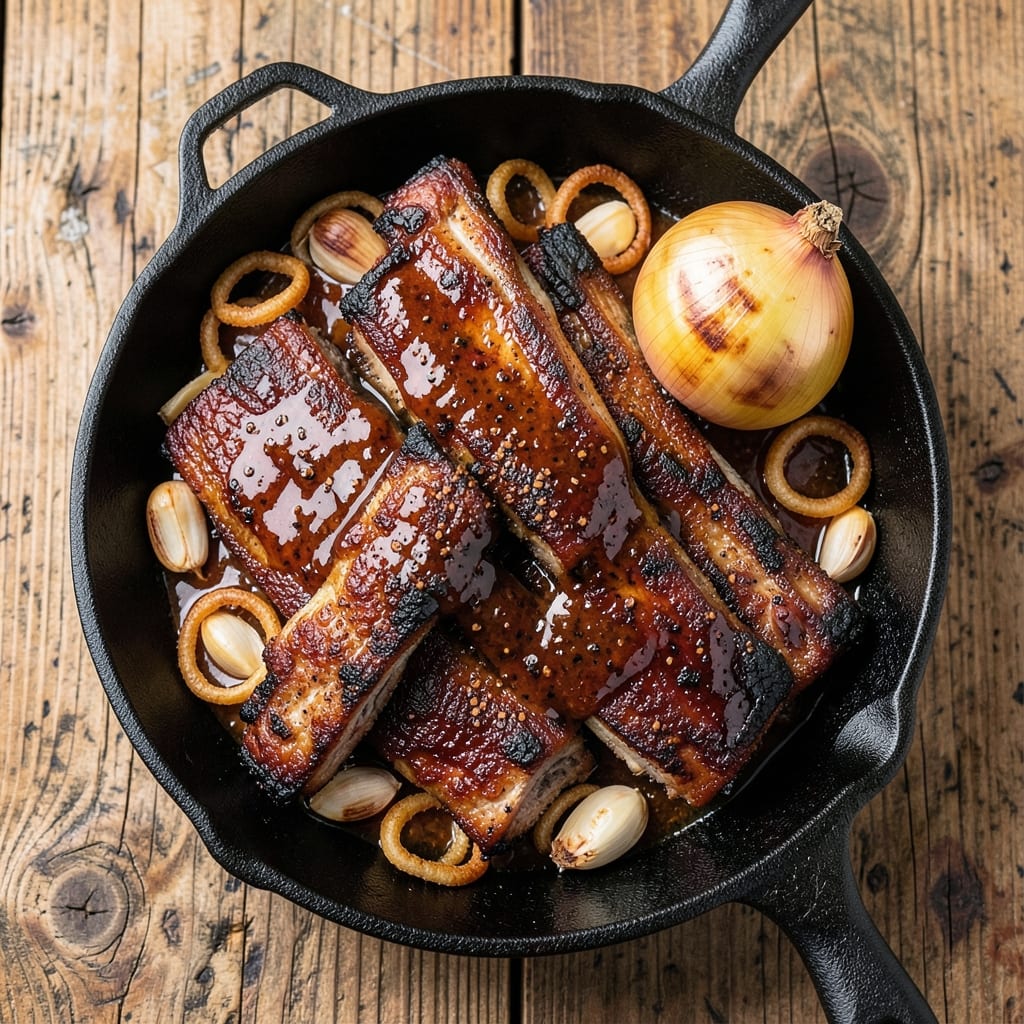
This Big Green Egg baby back ribs recipe transforms tough cuts into fall-off-the-bone perfection using applewood's smoky embrace and low-and-slow precision. The ceramic chamber maintains even heat while the cast-iron grill grid delivers those coveted bark lines—no water pan or temperature swings to worry about. I've perfected this method over countless backyard sessions, where the ribs develop deep caramelization and tender meat that melts at the touch.
The secret lies in the three-phase cook: starting with a dry rub that clings to the meat, then smoking at 225°F until the probe hits 165°F, and finishing with a high-heat sear to crisp the bark. The Big Green Egg's ability to hold temperature steady means you won't waste fuel chasing perfect conditions—just set it and let the wood do the work. Applewood's subtle sweetness pairs beautifully with the ribs' natural richness, creating a balance that's hard to resist.
What you'll end up with is restaurant-quality ribs that require minimal effort but deliver maximum flavor—crispy edges, tender meat, and a sticky glaze that's worth every minute of smoke. The Big Green Egg's portability means you can smoke these ribs in your backyard while enjoying the summer air, and the ceramic construction ensures consistent heat without the hassle of charcoal fluctuations.
Serve with classic sides like coleslaw and cornbread, or let the ribs stand alone as the star of your cookout. The beauty of this method is its adaptability—whether you're feeding a crowd or treating yourself to a solo feast, these ribs will be the centerpiece of your meal. Here's how to achieve that perfect balance of smoky heat and sweet caramelization.
Ingredients for big green egg baby back ribs
Six pounds of ribs plus a handful of pantry staples. That's all you need for restaurant-style backyard perfection.
| Ingredient | Amount | Notes |
|---|---|---|
| Baby Back Ribs 🍖 | 6 lb | Bone-in, meaty ends included |
| Yellow Onion 🧅 | 1 whole | Cut into chunks for rub |
| Garlic Cloves 🧄 | 8 cloves | Minced for dry rub |
| Applewood Chips 🌳 | 2 lbs | Unsmoked, for smoking |
| Brown Sugar 🍬 | ½ cup | Light or dark preferred |
| Smoked Paprika 🌶️ | 2 tbsp | For deep smoky flavor |
| Ground Black Pepper 🌶️ | 1 tbsp | Freshly ground preferred |
| Kosher Salt 🧂 | 1 ½ tbsp | Diamond Crystal preferred |
| Ground Cumin 🌿 | 1 tbsp | Toasted for depth |
| Mustard Powder 🍯 | 1 tsp | Adds tangy complexity |
| Apple Cider Vinegar 🍏 | ¼ cup | For sticky glaze |
| Honey 🍯 | ¼ cup | Wildflower preferred |
| Charcoal Chunks 🔥 | 20 lbs | For Big Green Egg |
| Apple Cider 🍎 | ½ cup | For spritzing during cook |
The ribs are the star, so pick a high-quality cut with good marbling—Costco or local butcher shops usually have the best selection. Applewood chips are non-negotiable here; their sweetness enhances the ribs' natural flavor. For the rub, toast your spices in a dry pan for 30 seconds—this brings out their aroma and makes the rub cling better. If you can't find applewood chips, hickory is the next best option, though it's more aggressive in flavor. The Big Green Egg's ceramic chamber means you won't need a water pan, but having a meat probe thermometer is essential for precision.
No apple cider vinegar? Substitute lemon juice at the same amount—it'll add brightness but won't have the same depth. Running short on honey? Maple syrup works in a pinch, though it's slightly earthier. The cumin and mustard powder might be hard to find in some stores, but Trader Joe's or Penzeys Spices always have them. If you're making this for a crowd, double the rub ingredients—it's worth the extra effort. And trust me, skip the pre-made rubs from the store; homemade makes all the difference.
These ribs reheat beautifully—just wrap them in foil with a splash of apple juice and bake at 300°F for 20 minutes. They keep well in the fridge for 3-4 days, but honestly, they're best eaten fresh off the grill. For leftovers, portion into containers with extra glaze—it makes them taste like you just cooked them. The rub and glaze ingredients can be prepped ahead and stored in the fridge for up to 2 weeks, so you're not scrambling on cook day. If you're smoking a big batch, use two racks to avoid crowding, which can lead to uneven cooking.
Why You'll Love This Recipe
- One-Pan Magic: I swear by this recipe because it’s all about minimal cleanup. Just toss the ribs, onions, and garlic into the Green Egg with those applewood chips and brown sugar—no extra bowls or pans. The smoky aroma fills the yard while you sip a beer, and when you pull it out, the mess is contained to one sheet pan.
- Smoky-Sweet Obsession: That caramelized brown sugar glaze? It’s the star. The applewood chips add this deep, woodsy smoke that clings to the ribs like a hug, while the onions and garlic melt into a sticky, savory blanket. Honestly, the first time I bit into one, I nearly dropped the whole rack.
- Tailgate or Tuesday: Between us, this recipe works for everything. Grill it for a Super Bowl party, throw it in the Green Egg on a random summer night when you’re craving ribs, or even prep the sauce ahead for a weeknight meal. My college-aged son still begs for these—yes, even on a Tuesday night when he’s “too busy.”
- Leftovers That Don’t Suck: Most rib recipes leave you with sad, dry scraps, but not this one. The glaze keeps them moist for days, and I’ve reheated these in the oven or even the microwave without turning them into hockey pucks. Plus, the cost per serving is a steal—you’re basically feeding a crowd for the price of one restaurant rack.
Step-by-step instructions for Big Green Egg baby back ribs
Here's how to transform tough baby back ribs into fall-off-the-bone perfection with applewood smoke and sweet-tangy glaze.
Prepare the Dry Rub and Prep the Ribs
In a medium bowl, combine the 0.5 cup brown sugar, 2 tbsp smoked paprika, 1 tbsp ground black pepper, 1.5 tbsp kosher salt, 1 tbsp ground cumin, and 1 tsp mustard powder. Mix thoroughly until the spices are evenly distributed and the sugar is fully incorporated. This blend creates the perfect balance of sweet, smoky, and tangy flavors that will cling to every surface of the ribs.
While the rub is mixing, remove the 6 lb baby back ribs from the package and pat them completely dry with paper towels. This drying step is crucial—it helps the rub adhere better and promotes that beautiful bark we're aiming for. Once dry, place the ribs meat-side down on a cutting board and use a sharp knife to score the thickest parts of the meat in a crosshatch pattern, being careful not to cut into the bone. This creates more surface area for the rub to penetrate and the smoke to work its magic.
Apply the Rub and Prepare the Smoker
Generously coat both sides of the ribs with the dry rub mixture, pressing it firmly into the meat so it sticks. Don't be shy—you want a thick, even layer. Place the ribs in a large resealable plastic bag and refrigerate for at least 2 hours, or preferably overnight. This resting period allows the rub to penetrate deeply and the meat to develop flavor before hitting the smoker.
While the ribs are marinating, set up your Big Green Egg. Arrange the 20 lbs charcoal chunks in a ring around the edge of the cooking chamber, leaving the center open. Place the 2 lbs applewood chips directly on top of the charcoal. Light the charcoal and let it burn until it's covered with a thin layer of white ash—this usually takes about 10-15 minutes. Once the charcoal is ready, you'll see clean, blue smoke rising from the applewood chips. This is your signal that the smoker is properly preheated and ready for the ribs.
Smoke the Ribs Low and Slow
Carefully place the ribs on the cooking grates, meat-side up, and close the lid of the Big Green Egg. Maintain a temperature of 225-250°F throughout the cook. This low-and-slow method is key to achieving tender, juicy ribs with a perfect bark. Resist the temptation to peek at the ribs or open the lid during the first 4 hours of cooking—every time you open the lid, you lose heat and moisture, which can extend your cook time significantly.
After 4 hours, check the internal temperature of the ribs using a meat thermometer. Insert the probe into the thickest part of the meat, avoiding the bone. The ribs are ready for the next step when the internal temperature reaches 195-203°F. At this point, you'll notice the ribs have developed a beautiful dark bark on the outside, but they should still be slightly firm to the touch. This is normal—they'll become tender as they rest.
Apply the Glaze and Finish Cooking
In a small bowl, whisk together the 0.25 cup apple cider vinegar, 0.25 cup honey, and 0.5 cup apple cider. This glaze adds a sticky, sweet-tangy finish that complements the smoky flavors perfectly. Once the ribs reach the 195-203°F range, remove them from the smoker and brush them generously with the glaze mixture on all sides. Return the ribs to the smoker and cook for an additional 30-45 minutes, brushing with more glaze every 15 minutes until the glaze caramelizes and forms a glossy coating.
During the final stages of cooking, you'll want to spritz the ribs with additional apple cider every 30 minutes to keep them moist. This helps prevent the bark from drying out and adds another layer of flavor. The ribs are done when the glaze is deeply caramelized and the internal temperature reaches 203°F. You'll know they're ready when they're fork-tender and pull apart easily.
Rest and Serve
Once the ribs reach the perfect internal temperature, remove them from the smoker and let them rest for 10-15 minutes before serving. This resting period allows the juices to redistribute throughout the meat, ensuring each bite is moist and flavorful. Tent the ribs loosely with aluminum foil to keep them warm while they rest.
To serve, cut the ribs between the bones into individual racks. Arrange them on a platter and drizzle any remaining glaze from the smoker over the top. These ribs should be fall-off-the-bone tender with a perfect balance of smoky, sweet, and tangy flavors. Serve with classic barbecue sides like coleslaw, cornbread, or baked beans for a complete meal that's sure to impress.
Pro Tips For Making Big Green Egg Baby Back Ribs
- CRANK THE HEAT FIRST: The Big Green Egg’s lid traps moisture, but that doesn’t mean you should play it safe with temperature. Start with the lid off and the fire roaring—get those ribs searing hot for the first 20 minutes. I used to hold back, and my ribs ended up steamed instead of caramelized. Once the bark forms, then you can close the lid and slow things down.
- CHOP ONIONS LIKE YOU MEAN IT: Those yellow onions aren’t just flavor—they’re the backbone of your sauce. Dice them smaller than you think you should (1/8-inch pieces or less) so they dissolve into the applewood chips and brown sugar without turning to mush. I learned this the hard way when my ribs tasted like they’d been swimming in onion water instead of soaking in it.
- DON’T SKIP THE APPLEWOOD REST: Applewood chips aren’t just for show—they need time to infuse their magic. Toss them in with the onions and garlic at least 15 minutes before the ribs go on, even if it means you’re not quite ready to start cooking. I was always in a hurry and added them late, and the smoke flavor never stuck. Patience here makes the difference between "meh" and "wow."
- WRAP THEM TIGHT AFTER 2 HOURS: The Big Green Egg’s heat is unpredictable, and baby backs need that final push to tenderness. After the initial bark and sauce build, wrap them in butcher paper (not foil—trust me) and crank the heat to 300°F for 30-45 minutes. This isn’t just resting; it’s the step that turns tough meat into fall-off-the-bone perfection. I used to rush this, and my ribs were always slightly chewy.
Serving suggestions for this dish
Classic BBQ Sides
Nothing complements these ribs like creamy coleslaw with a tangy vinegar dressing—about 2 cups shredded cabbage and ½ cup mayonnaise with 1 tbsp apple cider vinegar and a pinch of sugar. I like to add ½ cup diced red onion for extra bite. The cool crunch cuts through the richness perfectly. 🥬
Cornbread Perfection
Serve with sweet corn muffins made with 1 cup cornmeal, 1 cup all-purpose flour, and 1 cup buttermilk. Top with a honey glaze (mix 2 tbsp honey with 1 tbsp melted butter) for a Southern-style touch. The slight sweetness balances the smoky ribs beautifully. 🌽
Pickled Vegetables
Add brightness with quick-pickled jalapeños (slice 4 jalapeños, pack in a jar with ½ cup vinegar, 1 tbsp sugar, and 1 tsp salt). Let sit for 2 hours before serving. The heat and acidity make every bite of rib even more satisfying. 🌶️
Baked Beans
Slow-cooked baked beans with 1 lb navy beans, 1 cup BBQ sauce, and ½ cup molasses (cook for 3 hours at 300°F) add heartiness. Stir in ½ cup smoked bacon for extra depth. The smoky-sweet combo mirrors the ribs’ flavor profile. 🍲
Garnish Like a Pro
Finish the platter with fresh cilantro and thinly sliced scallions for color. A drizzle of extra glaze (mix 2 tbsp honey with 1 tbsp apple cider vinegar) elevates the presentation. Serve on a wooden board for rustic charm. ✨
Dessert Pairings
End the meal with apple crisp (toss 4 cups sliced apples with ½ cup oats, ¼ cup brown sugar, and 1 tsp cinnamon; bake at 375°F for 25 minutes). The applewood smoke ties into the dessert beautifully. 🍎
Nutrition facts
Frequently asked questions
Can I use a different wood than applewood for these ribs?
Applewood is ideal because its sweet, fruity notes complement the ribs beautifully, but you can substitute hickory (stronger, bolder flavor) or cherry (milder sweetness). Avoid mesquite—it's too overpowering for ribs. The Big Green Egg's ceramic construction lets you experiment with wood blends, like mixing 50% applewood and 50% cherry for a balanced profile.
How do I adjust the cooking time if I'm using a smaller batch of ribs?
For every 2 lbs of ribs, add about 30-45 minutes to the total cook time. A full 6 lb rack typically takes 5-6 hours, while 3 lbs might need 4-5 hours. The Big Green Egg's even heat distribution means smaller batches cook faster, but always use a meat probe thermometer—temperature is your true guide, not time.
Why did my ribs turn out dry even though I followed the recipe?
Most likely, you opened the lid too often or didn't maintain the 225-250°F range. The Big Green Egg excels at temperature stability, but charcoal can burn off if you don't replenish it. Also, spritz every 30 minutes with apple cider to keep moisture locked in. If the bark dried out, try brushing with a 50/50 mix of apple cider and honey during the final 30 minutes to revive it.
Can I make this recipe with frozen ribs instead of fresh?
Fresh ribs are ideal, but if you must use frozen, thaw them overnight in the fridge first. Pat them extra dry before applying the rub—frozen ribs retain moisture, which can make the bark gummy. For best results, sear them first at 400°F for 10 minutes before smoking to drive off excess moisture. The Big Green Egg's ceramic walls help compensate for frozen meat's slower cook time.
What's the best way to reheat leftover ribs?
Wrap ribs tightly in foil with a splash of apple cider or glaze, then reheat at 300°F for 15-20 minutes. The Big Green Egg's residual heat works great too—just place ribs on the grates at 250°F for 30 minutes with a spritz of cider. Avoid microwaving—they'll dry out. For extra flavor, brush with fresh glaze before reheating.