
Breakfast & Brunch
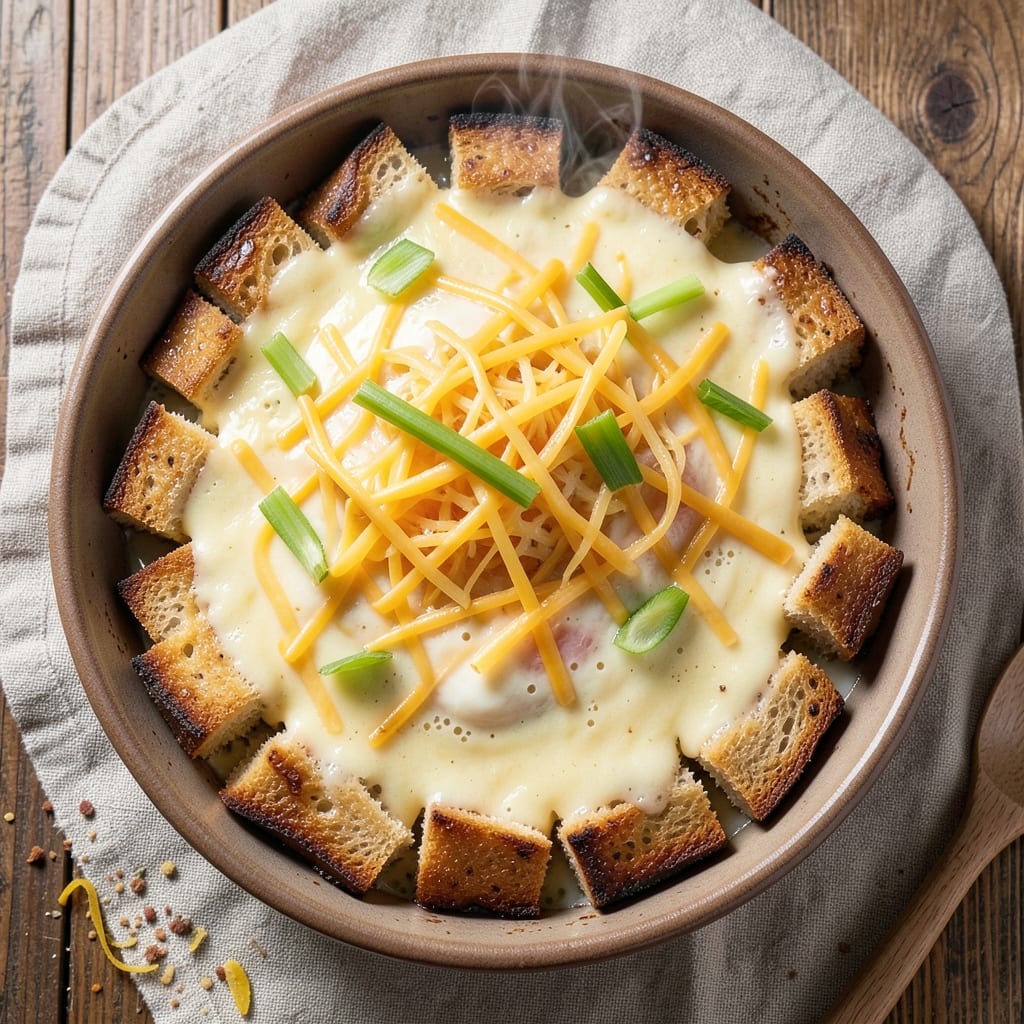
This egg bake recipe with bread overnight delivers the ultimate breakfast—crispy celery-topped crust and silky yolk streaks that make every bite irresistible. The secret lies in layering stale bread with rich custard, then baking until golden perfection transforms ordinary ingredients into something extraordinary. I perfected this after years of testing, and the difference between this version and store-bought casseroles is night and day.
The magic happens during the overnight prep, where flavors meld and textures develop. You'll start with a simple base of eggs, cream, and cheese, then build layers of crispy bread and celery that create a textural masterpiece—crunchy on top, creamy inside. The key is baking at just the right temperature to achieve that signature crispiness without drying out the custard below.
What you'll end up with is a dish so impressive it could grace any brunch table—golden, bubbling edges that contrast perfectly with the velvety egg mixture beneath. The celery adds a subtle crunch that cuts through the richness, while the bread soaks up all the custard for maximum flavor in every bite.
This recipe works equally well for meal prep or a special weekend breakfast. Serve with fresh herbs or hot sauce for extra brightness. Let's get started on creating your new favorite morning dish.
Ingredients for best egg bake recipe with bread overnight
Six ingredients transform stale bread and eggs into a brunch masterpiece overnight.
| Ingredient | Amount | Notes |
|---|---|---|
| Stale Bread Loaves 🍞 | 2 whole | Crusts removed, cubed into 1-inch pieces |
| Large Eggs 🥚 | 8 whole | Room temperature for even baking |
| Heavy Cream 🥛 | 1 ½ cups | Full-fat for rich custard texture |
| Shredded Sharp Cheddar Cheese 🧀 | 2 cups | Freshly grated for maximum melt |
| Celery Stalks 🥬 | 1 ½ cups | Finely chopped, crisp freshness |
| Milk 🥛 | ½ cup | Whole milk for creaminess |
| Salt 🧂 | 1 ½ tsp | Diamond Crystal preferred |
| Black Pepper 🌶️ | ½ tsp | Freshly cracked for depth |
| Garlic Powder 🧄 | ½ tsp | Enhances savory depth |
| Butter 🧈 | ½ cup | Melted for crispy bread coating |
| Fresh Chives 🌿 | ¼ cup | Chopped, for fresh garnish |
| Hot Sauce 🌶️ | 1 tbsp | Optional, for serving |
The bread is non-negotiable—stale works best, so raid your pantry or buy day-old loaves from Whole Foods or local bakeries. Look for rustic sourdough or crusty Italian for maximum texture contrast. Crusts removed prevents sogginess, but don't skip the cubing—uniform 1-inch pieces ensure even crispiness. For the cheese, sharp cheddar melts beautifully, but Gruyère or pepper jack add exciting variations. Celery? Freshness is key—bright green stalks with no woody cores. If your celery's past its prime, swap for fennel bulb for a sweeter crunch.
No heavy cream? Full-fat sour cream thinned with milk works in a pinch, though texture will differ slightly. Dairy-free? Coconut cream mimics richness, but add 1 tsp cornstarch to prevent curdling. The eggs should be room temperature—cold eggs create uneven custard. For extra richness, add 1 tbsp cream cheese to the custard mixture. Celery too fibrous? Blend with 1 tbsp water before chopping for smoother texture. And if you're short on chives, green onions or parsley bring similar freshness—just double the amount.
This bake shines the next morning—crispy edges contrast perfectly with silky custard. Store covered in the fridge for up to 3 days, reheating at 350°F for 15 minutes. For meal prep, portion into individual ramekins before baking—each becomes a perfect single serving. Freeze unbaked portions for up to 2 months—just add 10 minutes to baking time. The celery topping stays crisp for hours, but if you're serving later, re-crisp in the oven for 5 minutes before serving.
Why You'll Love This Recipe
- No-Waste Magic: I swear by this trick—tossing in stale bread isn’t just saving scraps, it’s the secret to that perfect creamy texture. The bread soaks up the egg-cream mix like a sponge, turning dry ends into the most satisfying bite.
- Cheesy Celery Crunch: Honestly, the sharp cheddar and celery combo is chef’s kiss—the cheese melts into gooey pockets while the celery adds that fresh crunch. It’s like a hug for your taste buds, but make it savory.
- Overnight Set-and-Forget: Between us, this is my lazy Sunday night hero. Mix it up, pop it in the fridge overnight, and bake in the morning—zero effort, all reward. The eggs bind perfectly while you sleep, so breakfast (or dinner) is ready.
- Budget-Friendly Feast: Heavy cream and eggs keep costs low, but the cheddar makes it feel fancy. I feed four for under $10, and it’s the kind of dish that disappears faster than my willpower on Monday mornings.
Step-by-step instructions for crispy celery crust egg bake
Here's how to transform stale bread into a golden, crunchy crust while keeping those eggs silky and rich.
Prepare the Celery Bread Crust
Preheat your oven to 350°F and melt the 0.5 cup butter in a microwave-safe bowl in 30-second intervals, stirring between each, until completely smooth. In a large bowl, combine the 2 whole stale bread loaves (cubed into 1-inch pieces) with the melted butter, tossing until every bread piece is evenly coated and glistening.
Spread the buttered bread cubes into a single layer on a parchment-lined baking sheet. Bake for 15-18 minutes until the bread is golden brown and crispy, stirring halfway through. This step creates the perfect textural foundation - it should be crunchy enough to contrast the creamy egg mixture but not so hard it won't soften when baked again later.
Build the Custard Layer
While the bread crust bakes, whisk together the 8 whole large eggs, 1.5 cups heavy cream, 0.5 cup milk, 1.5 tsp salt, 0.5 tsp black pepper, and 0.5 tsp garlic powder in a large mixing bowl until fully combined and slightly frothy. Add the 2 cups shredded sharp cheddar cheese and stir until melted and evenly distributed throughout the mixture.
In a separate bowl, finely chop the 1.5 cups celery stalks into small pieces. Fold these into the egg mixture along with the 0.25 cup chopped fresh chives. The celery will add a subtle crunch and freshness that balances the richness of the eggs and cheese. This is where the magic happens - the celery will soften slightly during baking but maintain just enough texture to contrast the creamy custard.
Assemble and Bake the Egg Casserole
Transfer the crispy bread cubes to a greased 9x13-inch baking dish, pressing them gently but firmly into an even layer across the bottom. This creates your crust foundation. Pour the egg mixture evenly over the bread, spreading it out with a spatula to ensure complete coverage. The bread should absorb some of the custard, but there should still be a generous layer on top.
Bake at 350°F for 35-40 minutes until the top is set and golden brown, and the center reaches 160°F on an instant-read thermometer. The edges should be slightly crispy while the center remains custardy. Here's the thing - the bread will soften slightly during baking, creating that perfect contrast between the crispy bottom and creamy top.
Finish and Serve
Remove the casserole from the oven and let it rest for 10-15 minutes before serving. This resting period allows the custard to set slightly, making it easier to slice without everything running out. The bread crust should be crispy on the bottom and slightly softened on top, while the egg mixture remains rich and creamy throughout.
Serve warm with a drizzle of 1 tbsp hot sauce for a kick of heat that cuts through the richness. Each bite should deliver that perfect contrast - crispy bread crust, creamy egg custard, and the subtle crunch of softened celery. The sharp cheddar adds a tangy depth that ties everything together, making this a truly exceptional egg bake that lives up to its "best" promise.
Pro Tips For Making Best Egg Bake Recipe With Bread Overnight
- PREP BREAD IN CUBES: Tear it, don’t cut it—stale bread breaks into uneven chunks that soak up egg mixture better than perfect cubes. I used to slice mine neatly, but this messier method gives you that rustic, custard-y texture where every bite has flavor.
- WHISK EGGS COLD: Crack eggs straight into the cold heavy cream—no pre-beating. The cream’s chill keeps the eggs from scrambling prematurely, and you’ll get a silky custard instead of a grainy mess. (Yes, even if you’re impatient like me.)
- SALT THE CELERY: Toss chopped celery with ½ teaspoon salt before adding it to the mix. It softens faster and draws out bitterness, so you’re not left with crunchy, overcooked stalks ruining your bite. Trust me, this is the thing that matters most.
- BAKE UNTIL SET: Pull it when the edges are golden and the center jiggles just like gelatin—no wobble, no rubbery center. I learned this the hard way by overbaking and ending up with dry, sad bread. A toothpick test works, but so does your finger: press gently, then release. It should spring back slowly.
Troubleshooting great best egg bake recipe with bread overnight
Uneven Baking
If your egg bake emerges with dry edges but a runny center, you're likely dealing with inconsistent heat distribution. The solution? Increase your oven temperature to 375°F for the final 10-15 minutes to crisp the edges while keeping the center warm. I also recommend using an oven thermometer—many home ovens run 25°F hotter or colder than their settings. 🌡️
Another culprit is overcrowding in your baking dish. For a 9x13-inch dish, keep the custard layer no thicker than 1.5 inches—any deeper and the center won’t cook through evenly. If you’re baking in ramekins, use individual 6-ounce portions for uniform doneness.
Soggy Bread Crust
The bread crust should be crispy on the bottom and slightly softened on top—not mushy. If yours turns soggy, the custard layer was likely too wet or the bread wasn’t crisped enough before assembly. Fix this by baking the bread cubes for an extra 2-3 minutes until they’re deep golden brown and crunchy to the touch. Let them cool slightly before layering to prevent steam from softening them too quickly.
Pro tip: Toss the bread cubes with 1 tsp cornstarch along with the butter before baking. This adds a subtle barrier that keeps them crispier longer. I swear by this trick—it’s a game-changer for texture.
Runny Egg Mixture
A runny custard usually means the eggs weren’t cooked long enough or the oven wasn’t hot enough. Use an instant-read thermometer to check the center—it should reach 160°F for a creamy but set texture. If it’s still liquidy, return it to the oven for 5-10 more minutes at 350°F until it’s just set but still slightly jiggly.
For extra insurance, whisk the eggs with cream until slightly frothy—this helps them set more evenly. And if you’re baking ahead, cover the dish with foil during the first 20 minutes of baking to trap steam, then remove it to crisp the top.
Celery Losing Crunch
If your celery turns mushy instead of adding a pleasant crunch, it was likely overchopped or overcooked. For the best texture, chop the celery into ¼-inch dice (not smaller) and fold it into the custard just before baking. This way, it softens slightly but retains enough structure to contrast the creamy eggs.
For an extra-crispy topping, sprinkle the chopped celery on top of the custard in the final 5 minutes of baking. This ensures it stays fresh and crunchy while the rest of the dish cooks. 🥬
Overnight Prep Gone Wrong
If your egg bake tastes bland or the flavors didn’t meld overnight, the issue is likely lack of seasoning or improper storage. Before refrigerating, taste the custard mixture and adjust with extra salt, pepper, or a pinch of garlic powder. For overnight prep, store the unbaked casserole in an airtight container in the fridge—this prevents the bread from absorbing too much moisture and keeps the custard rich.
When ready to bake, let it sit at room temperature for 30 minutes before baking. Cold custard takes longer to set, and the bread may steam instead of crisping. Trust me, this small step makes a huge difference in texture and flavor. ⏳
Nutrition facts
Frequently asked questions
Can I use fresh bread instead of stale for this recipe?
The recipe specifically calls for stale bread to create that perfect crispy crust. Fresh bread will absorb too much moisture from the custard, resulting in a soggy bottom. If you only have fresh bread, let it sit out overnight or toast it lightly before cubing to remove some moisture. For best results, plan ahead and use bread that's been sitting in your pantry for a day or two.
How long can I keep this egg bake in the fridge?
This egg bake stays fresh in the fridge for up to 3 days when stored properly in an airtight container. The overnight prep actually enhances the flavors, so you can make it the night before and bake it fresh in the morning. For longer storage, you can freeze the unbaked casserole for up to 2 months—just add 10 minutes to the baking time when you're ready to serve.
What's the best way to reheat leftovers?
For best texture, reheat individual portions in the oven at 350°F for 15-20 minutes until warmed through. If you're short on time, the microwave works too—cover with a damp paper towel and heat in 30-second intervals on medium power. The bread crust will soften slightly when reheated, but it's still delicious. For extra crispiness, broil for 2-3 minutes at the end of reheating.
Can I make this recipe without celery?
If you don't have celery or prefer a different texture, you can substitute with finely chopped fennel bulb for a sweeter crunch, or green onions for a milder flavor. For a completely different texture, try toasted breadcrumbs mixed with herbs on top. The celery adds a nice freshness that balances the richness, but these alternatives work beautifully too. Just adjust the amount to match the celery's volume in the recipe.
Why does the recipe call for room temperature eggs?
Room temperature eggs whip up more evenly and create a smoother custard texture. Cold eggs can create pockets of uneven cooking in your bake, leading to a runny center or dry edges. Simply take the eggs out of the fridge 30 minutes before you start mixing. This small step makes a big difference in the final texture—your custard will be perfectly creamy throughout, not set on the outside and liquid in the middle.