
Desserts
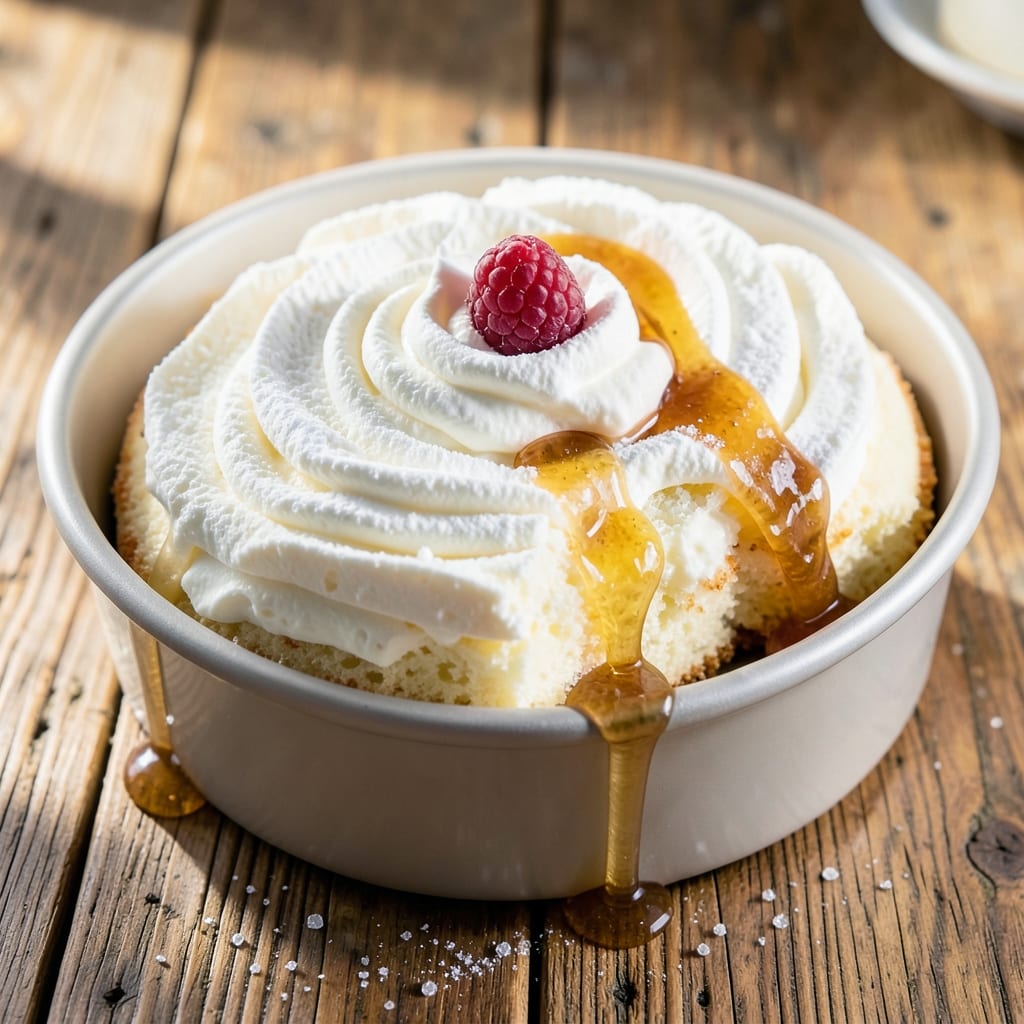
This angel food cake recipe delivers the lightest, most ethereal dessert you'll ever bake—all thanks to 12 perfectly whipped egg whites that create clouds of airy perfection. The secret lies in proper egg separation and gentle folding, which transforms simple ingredients into a cake so delicate it practically dissolves on your tongue. I've perfected this recipe over years of baking experiments, ensuring every layer rises high and stays moist without a single dense bite.
The magic happens in the egg whites, which must be whipped to stiff peaks before being folded into the dry ingredients. This classic technique creates the signature airy texture that sets angel food cake apart from all others. Unlike heavier cakes, this one relies entirely on structure from the egg whites—no butter, no oil, just pure, fluffy elegance. The result is a cake that's naturally gluten-free, light enough to float, and perfectly sweetened with vanilla.
By the time you pull this cake from the oven, you'll have a golden, domed masterpiece with crisp edges and a tender, melt-in-your-mouth center. The vanilla infuses beautifully without overpowering, creating a dessert that's elegant yet approachable. Serve it with fresh berries, whipped cream, or simply as-is—each slice will feel like a celebration of baking science at its finest.
For those who love to customize, you can fold in lemon zest or fresh fruit before baking, but the core recipe remains foolproof—no substitutions needed. The key is patience during folding and precise baking times to achieve that perfect rise. Let's create a cake that's truly best in class.
Ingredients for best angel food cake recipe with 12 egg whites
Twelve egg whites and a whisper of vanilla transform into clouds of ethereal perfection.
| Ingredient | Amount | Notes |
|---|---|---|
| Large Egg Whites 🥚 | 12 whole | Room temperature, separated carefully |
| Granulated Sugar 🍚 | 1 ½ cups | Superfine preferred for even dissolving |
| Cream of Tartar 🧂 | 1 ½ tsp | Stabilizes egg whites for stiff peaks |
| Vanilla Extract 🌿 | 1 tbsp | Pure vanilla for authentic flavor |
| Unsalted Butter 🧈 | ¼ cup | For greasing the pan only |
| Cake Flour 🌾 | 1 ½ cups | Sifted, for perfect texture |
| Salt 🧂 | ½ tsp | Fine sea salt for balance |
| Almond Extract 🌿 | ¼ tsp | Optional, enhances vanilla depth |
The egg whites are non-negotiable—room temperature and separated meticulously for maximum volume. Cream of tartar is your secret weapon here, stabilizing those whites into stiff, glossy peaks. I always grab large eggs from Costco—they're consistent and cost-effective, plus the yolks make great scrambled eggs afterward. For the flour, King Arthur cake flour is my go-to; it's finely milled and sifted, ensuring that signature tender crumb. The vanilla extract? Bourbon-infused if you want to splurge, but pure Madagascar works beautifully too.
No cream of tartar? Lemon juice at half the amount works in a pinch, though it adds a slight tang. Substituting almond extract? Vanilla bean paste gives a similar depth without the alcohol kick. The sugar should be superfine—if you only have granulated, pulse it in a food processor for 30 seconds. And for heaven's sake, don't skip the butter for greasing the pan—lightly brushed is all you need to prevent sticking. The cake flour can be swapped for all-purpose flour minus 2 tbsp per cup**, but texture suffers slightly.
This cake is best baked and served immediately—it's at its peak when still warm. Store leftovers in an airtight container for up to 3 days, though honestly, it won't last that long. For freezing, slice first and wrap each piece individually—up to 3 months in the freezer. The key to reheating is low and slow: 350°F for 10 minutes wrapped in foil to revive that melt-in-your-mouth texture. And if anyone asks, no—you can't make this with cake mix. Ever.
Why You'll Love This Recipe
- No Mixer Needed: I’ll be real—this cake only needs a whisk and a bowl. Twelve egg whites might sound intimidating, but the cream of tartar stabilizes them like magic, so no overmixing or deflating drama. Just fold in the sugar gradually, and you’re done.
- Light Yet Rich: That butter swirled into the batter? It’s the secret weapon—creamy without heaviness. The vanilla ties it all together, but here’s what sold me: the texture. Fluffy outside, pillowy inside, and it actually stays moist for days (no dry sponge vibes here).
- Birthday Party Ready: Serve it plain with berries, or layer it with whipped cream and chocolate shavings—it’s the star at any table. Honestly, I’ve used it for everything from Sunday brunch to a last-minute dessert for my mom’s 70th. No one ever guesses it’s just eggs and sugar.
- Budget-Friendly Luxury: Five ingredients, zero specialty items. The cream of tartar keeps costs down, and a single batch feeds six with leftovers that taste just as good the next day. I’ll admit, I’ve repurposed slices into trifles or French toast—because why waste something this good?
Step-by-step instructions for light-as-air angel food cake
Here's the method that transforms simple ingredients into clouds of vanilla-kissed perfection.
Prepare the Angel Food Cake Pan and Separate Egg Whites
Generously grease a 10-inch tube pan with the 0.25 cup unsalted butter, using a pastry brush to coat every inch—even the sides and bottom. This prevents sticking and ensures easy release of your cake. Place the pan in the refrigerator while you prepare the egg whites to keep it cool.
Place the 12 whole large egg whites in a spotlessly clean, grease-free bowl. The bowl must be free of any fat or yolk residue—even a trace can prevent the egg whites from whipping to stiff peaks. I like to use a glass or metal bowl for this step, as they provide better whipping action than plastic.
Whip Egg Whites to Stiff Peaks with Sugar and Stabilizers
Using a stand mixer fitted with the whisk attachment, beat the egg whites on low speed for 1 minute to break them up gently. Gradually add the 1.5 cups granulated sugar and 1.5 teaspoons cream of tartar while mixing on low speed. This gradual addition prevents deflating the whites and ensures even distribution of the stabilizers.
Increase the speed to medium-high and whip for 5-7 minutes until the egg whites form stiff peaks that hold their shape when the whisk is lifted. The mixture should look glossy and hold a peak that doesn't immediately flatten. This is critical—under-whipped whites will result in a dense cake, while over-whipped whites can cause the cake to collapse.
Fold in Flour and Vanilla Mixture Gently
In a separate bowl, sift together the 1.5 cups cake flour, 0.5 teaspoon salt, and 0.25 teaspoon almond extract. Add the 1 tablespoon vanilla extract to this mixture and stir gently with a spatula until just combined. This step ensures even distribution of all dry ingredients and prevents deflating the whipped egg whites.
Using a spatula, gently fold one-third of the flour mixture into the whipped egg whites, being careful not to deflate them. Then fold in another third, and finally the last third. The goal is to create a smooth, uniform batter without losing any air. If you see streaks of flour, don't worry—just fold a bit more gently until fully incorporated. The batter should be thick and hold its shape when spooned.
Bake to Golden Perfection
Preheat your oven to 350°F and place the rack in the lower third of the oven. This position allows the cake to rise evenly and prevents the top from browning too quickly. Pour the batter into the prepared pan and smooth the top with a spatula. Tap the pan gently on the counter 3-4 times to release any air bubbles.
Bake for 45-50 minutes until the top is golden brown and the cake springs back when gently pressed in the center. The cake should pull away from the sides of the pan, and a toothpick inserted into the center should come out clean. Open the oven door slightly during the last 5 minutes of baking to allow any condensation to escape—this helps prevent a soggy cake.
Cool Inverted for Maximum Lightness
Remove the cake from the oven and let it cool in the pan for 5 minutes. Then, using a small spatula, carefully loosen the edges of the cake from the pan. Invert the cake onto a wire rack and let it cool completely, upside down, for at least 1 hour. This step is non-negotiable—cooling the cake upside down prevents it from becoming dense and ensures that those air pockets stay intact, giving you that signature light-as-air texture.
Once fully cooled, you can serve the cake as-is or frost it with whipped cream or a light vanilla glaze. The cake will hold its shape beautifully and slice cleanly into perfect portions. The result should be a cake that's so light you can almost see through it, with a delicate vanilla-almond flavor that's pure perfection.
Pro Tips For Making Best Angel Food Cake Recipe With 12 Egg Whites
- Use Room-Temp Egg Whites: I learned this the hard way—cold egg whites fold poorly and trap air unevenly. Let them sit in a bowl at room temp for 30 minutes before beating, and your cake will hold its shape like a dream.
- Fold Sugar Gradually: Add the sugar in three batches, folding gently after each. Dumping it all at once can deflate the meringue, and you’ll end up with a dense, sad cake. Think "light as a cloud," not "brutal mixing."
- Don’t Overbake the Cake: The second the top springs back when pressed and the edges pull away from the pan, pull it. Angel food cake keeps rising after baking—leave it in too long, and you’ll have a dry, rubbery mess. Five minutes early is better than one second late.
- Brush Butter on Cool Cake: Once the cake cools completely, brush the outside with melted butter (not the inside) for that classic tender crumb. Skip this, and it’ll taste like cardboard. Use a pastry brush—drizzling butter on top won’t do the job.
Perfect pairings for this best angel food cake recipe with 12 egg whites
Fruit Toppings
Fresh berries like strawberries, raspberries, or blueberries add vibrant color and natural sweetness without overpowering the delicate cake. I like to toss them in a light honey-sugar syrup (1:1 ratio) and warm for 2 minutes before arranging on top. For a tropical twist, try mango slices or passion fruit pulp—their acidity cuts through the richness beautifully. 🍓
Creamy Accompaniments
Whipped cream is the classic pairing, but I often swap it for Italian meringue or homemade whipped mascarpone for extra decadence. For a lighter option, try coconut whipped cream (chilled coconut cream + powdered sugar) or vanilla bean ice cream on the side. The key is to keep portions small—this cake is meant to shine on its own.
Citrus Zest Glaze
A simple lemon or orange glaze elevates the vanilla flavor and adds a refreshing contrast. Whisk ½ cup powdered sugar with 1 tbsp lemon juice and 1 tsp lemon zest, then drizzle over the cooled cake. For extra shine, add 1 tsp corn syrup to thin it slightly. This glaze sets quickly and adds a professional touch without overwhelming the cake's delicate texture. 🍋
Spiced Syrup Drizzle
Warm ½ cup heavy cream with 2 tbsp brown sugar, a pinch of cinnamon, and ¼ tsp vanilla until dissolved, then strain and drizzle over the cake. This spiced syrup adds warmth and complements the vanilla-almond notes perfectly. For a boozy twist, add 1 tsp bourbon or rum to the syrup before warming.
Chocolate Variations
If you love chocolate, try a dark chocolate ganache (½ cup heavy cream + 4 oz dark chocolate) or chocolate shavings on top. For a surprise element, fold ½ cup chocolate chips into the batter before baking—this creates pockets of melted chocolate throughout. The contrast of chocolate with vanilla is always a crowd-pleaser! 🍫
Herbal Infusions
Fresh herbs like mint leaves or basil add a sophisticated touch. Tuck small sprigs between layers or garnish the top for a fragrant, elegant finish. For a floral note, infuse the cake batter with 1 tsp rose water or lavender buds** (steeped in warm milk for 10 minutes, then strained). These infusions pair beautifully with the vanilla and almond flavors.
Nutrition facts
Frequently asked questions
Why does this recipe use 12 egg whites instead of fewer?
The 12 egg whites create the signature light-as-air texture that defines angel food cake. Each white contributes to the air pockets that make the cake rise dramatically and stay tender. Fewer whites would result in a denser cake, while more could make it too delicate. This quantity balances structure and airiness perfectly for a 10-inch tube pan.
Can I substitute cake flour with all-purpose flour?
You can try, but the texture won't be the same. Replace 1 cup all-purpose flour with 1 cup minus 2 tablespoons cake flour. The extra protein in all-purpose flour makes the cake slightly denser. For best results, use King Arthur cake flour—it's specifically designed for delicate baked goods like this one.
What's the best way to test if egg whites are whipped enough?
When you lift the whisk, the peaks should stand straight up and hold their shape for 10-15 seconds without flattening. The mixture should also look glossy and hold a peak that doesn't immediately collapse. Under-whipped whites = dense cake; over-whipped whites = collapsed cake. Test by tilting the bowl—if the mixture holds its shape, you're golden!
Why must I cool the cake upside down?
Cooling the cake upside down preserves those air pockets created by the whipped egg whites. If you cool it right-side up, the weight of the cake can compress the layers, making it denser. The 1-hour cooling time upside down ensures maximum lightness. Pro tip: Use a wire rack over a baking sheet to catch any crumbs.
Can I make this cake ahead of time?
Yes! Wrap the cooled cake tightly in plastic wrap and store at room temperature for up to 3 days. For longer storage, slice and freeze individual portions for up to 3 months. To revive frozen slices, wrap them in foil and warm at 350°F for 10 minutes. The texture will be slightly denser but still delicious.