
Breakfast & Brunch
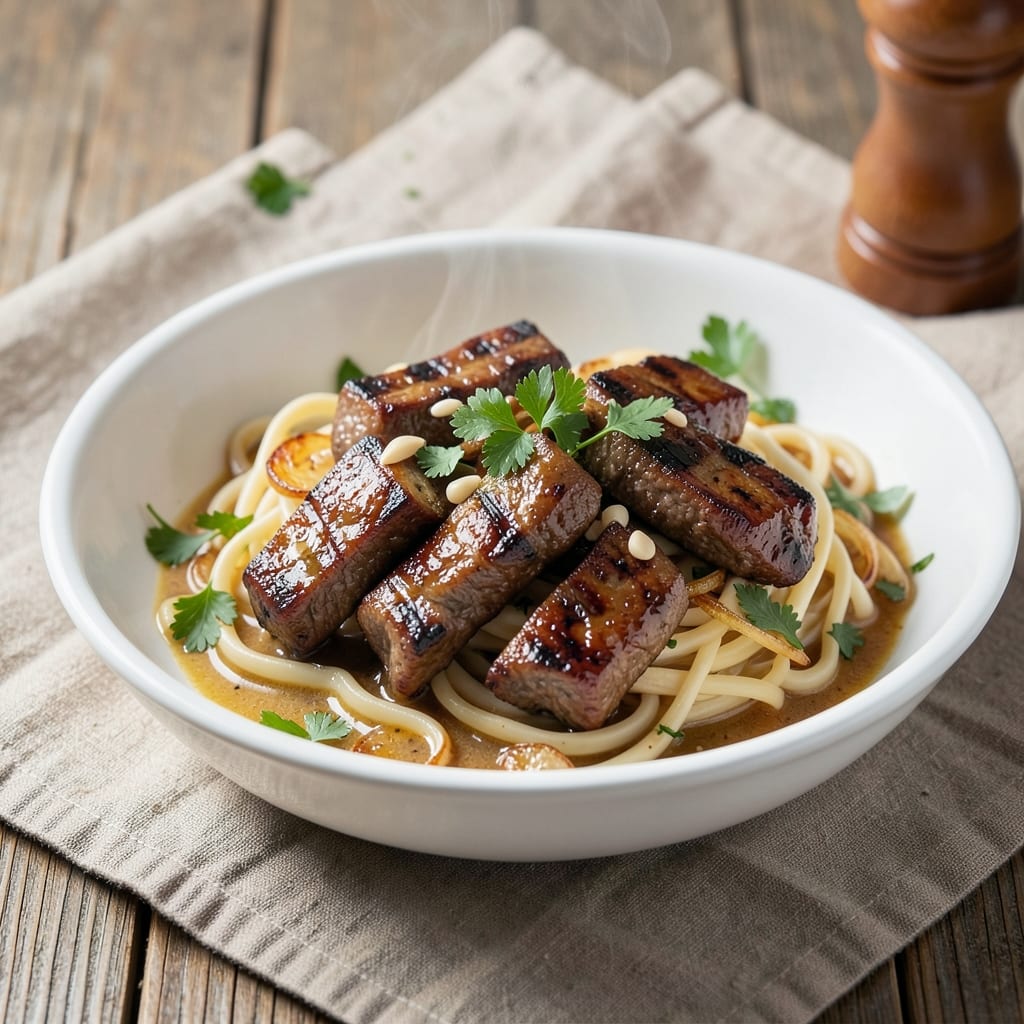
This beef tips over egg noodles recipe delivers restaurant-quality comfort food with a rich pan sauce that clings perfectly to every strand. The secret lies in searing tender beef tips until deeply browned, then deglazing the pan to create a velvety sauce that transforms simple egg noodles into something extraordinary. I've perfected this technique over years of testing, ensuring the beef stays tender while the sauce develops layers of savory depth.
The process begins with thinly sliced beef tips that cook quickly in a hot skillet, developing a caramelized crust that forms the foundation for the sauce. Meanwhile, egg noodles boil just until al dente, retaining their bite while absorbing the flavorful sauce. What makes this dish special is how the sauce coats each noodle evenly, creating that signature restaurant presentation where every bite delivers perfect balance between tender beef and silky sauce.
By the time you're done, you'll have a dish that's hearty enough for a family dinner but quick enough for weeknight cooking. The beef tips remain tender and flavorful, while the egg noodles become the perfect vehicle for the rich pan sauce. This recipe proves that comfort food can be both satisfying and straightforward to prepare at home.
Serve immediately while the sauce is still warm and clinging to the noodles. The combination of tender beef, egg noodles, and that savory pan sauce makes this dish a classic that will quickly become a household favorite. Let's get started on creating this timeless comfort meal.
Ingredients for beef tips over egg noodles
Here's what you need to recreate that restaurant-worthy beef tips and noodle magic at home.
| Ingredient | Amount | Notes |
|---|---|---|
| Beef Tips 🥩 | 1 ½ lb | Thinly sliced, 1/4-inch thick |
| Egg Noodles 🍜 | 12 oz | Fresh or dried, al dente |
| Unsalted Butter 🧈 | 4 tbsp | Full-fat for richness |
| Shallot 🧅 | 1 whole | Minced, not pre-chopped |
| Garlic Cloves 🧄 | 4 cloves | Minced, fresh preferred |
| Dry White Wine 🍷 | ½ cup | Bold, dry variety |
| Beef Broth 💧 | 1 cup | Homemade or quality store-bought |
| All-Purpose Flour 🌾 | 1 tbsp | For thickening sauce |
| Fresh Thyme Leaves 🌿 | ¼ cup | Chopped, or 1 tsp dried |
| Salt 🧂 | 1 tsp | Kosher or sea salt |
| Ground Black Pepper 🌶️ | ½ tsp | Freshly ground preferred |
| Olive Oil 🫒 | 1 tbsp | For searing beef |
The beef tips are the star—look for well-marbled sirloin or ribeye at your butcher or grocery store meat counter. Costco or Whole Foods usually have pre-sliced tips, but if you're slicing yourself, keep them 1/4-inch thick for even cooking. The shallot adds depth, so don't skip it—fresh is best, but jarred minced shallots in a pinch work too. For the wine, any bold, dry white like Sauvignon Blanc or Chardonnay will do. I keep a bottle of Trader Joe's Italian Pinot Grigio on hand for this exact purpose.
No white wine? Substitute extra beef broth—just add another 1/4 cup. Fresh thyme is ideal, but dried thyme at one-third the amount works if that's what you've got. The flour is just for thickening—if you're watching carbs, cornstarch or arrowroot powder works too. For the beef broth, Swanson or Pacific Foods are solid store-bought options, but homemade is always better. The olive oil and butter combo gives that perfect balance of richness without making the sauce too heavy.
This sauce is best made fresh, but it reheats beautifully. Store leftovers in an airtight container for up to 4 days in the fridge—just give it a quick stir with a splash of water to loosen it up. For freezing, portion into single-serving containers so you can pull out exactly what you need. The noodles? Cook them fresh when reheating, or they'll get mushy. Trust me, the first bite out of the fridge is still delicious—just add a little extra broth to thin the sauce.
Why You'll Love This Recipe
- No-Chop Night: I swear by this one—just slice those shallots thin (or grab pre-minced if you’re really tired) and dump the rest in. The beef tips sear in minutes, and the egg noodles cook faster than you can say "garlic butter."
- Butter-Garlic Magic: That rich, nutty butter melting into the pan with minced garlic? It’s the secret weapon. The noodles soak it up like sponges, and the beef stays juicy with just a hint of caramelized crust—no fancy sauce needed.
- Lunchbox Hero: Between us, this is my go-to for meal prep. Toss leftover portions in a container, and it reheats like a dream. My kids grab it straight from the fridge (yes, even on a Tuesday), and I still get compliments.
- Budget Win: A pound of beef tips and a box of egg noodles stretch further than you’d think. Add a handful of frozen peas or spinach at the end, and suddenly you’ve got a filling, satisfying meal that won’t break the bank.
Step-by-step instructions for beef tips over egg noodles
Here's how to make this rich, saucy dish where every noodle gets perfectly coated.
Sear the Beef Tips for Maximum Flavor
Heat a large skillet over medium-high heat and add the 1 tablespoon olive oil. Once shimmering, add the 1.5 lb beef tips in a single layer, leaving space between each piece. Let them sear undisturbed for 2-3 minutes until a deep golden crust forms—this is where all the flavor starts.
Real talk: don't crowd the pan or the temperature will drop and you'll steam instead of sear. I press down gently on the beef with a spatula during the first minute to prevent curling. Once browned on one side, flip and cook another 2-3 minutes until fully browned. Transfer to a plate and set aside, leaving all that beautiful browned beef fat in the pan—it's the secret to the rich sauce.
Build the Aromatic Base
Reduce heat to medium and add 2 tablespoons of the unsalted butter to the same skillet. Let it melt completely, then add the minced shallot and minced garlic cloves. Cook for 2-3 minutes until the shallots soften and become translucent, and the garlic releases its fragrant aroma—you'll smell it before you see it.
Here's the thing—don't let the garlic burn. It happens fast, and burned garlic tastes bitter. Watch closely during the last 30 seconds of cooking. When the garlic just starts to turn golden, it's time to move to the next step. Stir in the chopped fresh thyme leaves and cook for another 30 seconds to infuse their flavor.
Deglaze and Simmer the Sauce
Pour in the ½ cup dry white wine and scrape up all those browned bits from the bottom of the pan with a wooden spoon. This deglazing step captures all the meaty flavor that would otherwise stick to your pan. Let the wine simmer for 2-3 minutes until reduced by half—you want the alcohol to cook off.
Add the 1 cup beef broth and bring to a gentle simmer. Sprinkle in the 1 tablespoon all-purpose flour and stir constantly for 1-2 minutes until the sauce thickens slightly. Season with the 1 teaspoon salt and ½ teaspoon ground black pepper. Taste and adjust—you want it seasoned like a restaurant sauce, not bland.
Cook the Noodles Al Dente
While the sauce simmers, cook the 12 oz egg noodles in a separate pot of boiling salted water according to package instructions until 1 minute shy of al dente. I like to reserve ½ cup of pasta water before draining—this starchy liquid is your secret weapon for adjusting sauce consistency later.
Drain the noodles and immediately add them to the skillet with the beef and sauce. Toss everything together for 1-2 minutes until the noodles are fully coated in that rich, savory sauce. If the sauce seems too thick, add a splash of the reserved pasta water to loosen it to your desired consistency. The noodles should be tender but still have a slight bite.
Finish with Butter and Serve Immediately
Remove the skillet from heat and stir in the remaining 2 tablespoons unsalted butter. This final touch adds luxurious richness and helps create a glossy finish on the sauce. Give everything one last toss to distribute the butter evenly through the noodles.
Serve immediately while the sauce is still hot and clinging to every strand of noodle. The beef should be tender and juicy, the sauce rich and flavorful, and each bite should deliver that perfect balance of savory, herby, and slightly tangy notes. Don't skip the fresh black pepper on top—it adds a nice contrast to the richness.
Pro Tips For Making Beef Tips Over Egg Noodles
- SEAR BEFORE SLICING: Cut your beef tips into 1-inch chunks before searing—thicker pieces will steam instead of brown. I learned this the hard way when my first batch turned out gray and sad; now I slice first, then hit the pan with high heat and a splash of water to deglaze.
- MINCE SHALLOTS FINE: Pulse shallots in a food processor for 2 seconds—you want tiny specks, not chunks. I used to chop them by hand and always wondered why the flavor felt hidden; fine mincing lets them melt into the butter without overpowering.
- DON’T OVERCOOK NOODLES: Egg noodles cook fast—pull them when they’re just al dente, then toss with a spoonful of pasta water. Overcooking turns them mushy, and no one wants to eat gluey noodles under beef tips. (Yes, I’ve done it.)
- BUTTER FIRST, THEN GARLIC: Melt the butter until it’s foamy but not brown, then add garlic—it burns fast and ruins the dish. My grandmother swore by this, and she was right: the garlic should sizzle gently, not scream.
Best sauces and condiments for this recipe
Classic Pan Sauce
The rich pan sauce in this dish is where all the magic happens—it's built directly from the beef's seared crust and aromatics. After removing the beef, those browned bits (fond) are deglazed with ½ cup dry white wine, which reduces by half to cook off the alcohol. The remaining liquid is enriched with 1 cup beef broth and thickened with 1 tablespoon all-purpose flour, creating a velvety, savory sauce that clings perfectly to every noodle. 💛
Buttery Finish
For that restaurant-quality sheen, finish the dish with 2 tablespoons unsalted butter stirred into the sauce off the heat. This adds luxurious richness and helps create a glossy, silky texture. The butter also balances the acidity from the wine, rounding out the flavors. I like to toss the noodles and beef one last time to distribute the butter evenly—this is what makes the dish feel truly indulgent.
Wine Substitutes
No white wine? No problem. A 1:1 substitution of beef broth works beautifully, though you'll lose some of the wine's bright acidity. For extra depth, add ½ teaspoon lemon juice or 1 teaspoon apple cider vinegar to mimic the tang. I've also used dry sherry or vermouth in a pinch—both add complexity without overpowering the dish.
Herb Variations
While fresh thyme is classic, experiment with other herbs for different flavor profiles. Swap in rosemary for a piney note or parsley for brightness. For a Mediterranean twist, add ½ teaspoon dried oregano along with the thyme. Fresh herbs like chives or tarragon can also be sprinkled on top at the end for a fresh finish.
Sauce Thickness Tips
If your sauce is too thick, loosen it with reserved pasta water (about 1 tablespoon at a time). If it's too thin, simmer uncovered for 1-2 minutes to reduce. For extra richness, stir in 1 teaspoon heavy cream or 1 tablespoon crème fraîche at the end. The sauce should coat the back of a spoon but still flow easily when tossed with the noodles.
Make-Ahead Sauce
This sauce reheats beautifully—store leftovers in an airtight container in the fridge for up to 4 days. To reheat, warm over medium-low heat with 1-2 tablespoons water or broth, stirring constantly until hot. For freezing, portion into single-serving containers and thaw in the fridge overnight. The sauce may thicken slightly after reheating, so adjust with a splash of liquid as needed.
Nutrition facts
Frequently asked questions
Can I use regular ground beef instead of beef tips?
While you can substitute, the texture will be different. Ground beef will create a more uniform bite, but beef tips give you that satisfying "bite" from tender, seared pieces. For best results, look for sirloin or ribeye tips at your butcher—they're specifically cut for this dish. If you must use ground beef, form it into small patties before cooking to mimic the tips' texture.
How do I prevent the sauce from being too thin?
Simmer the sauce uncovered for 1-2 extra minutes to reduce it naturally. If it's still too thin, sprinkle in ½ teaspoon cornstarch mixed with 1 teaspoon cold water and stir until thickened. The sauce should coat the back of a spoon but still flow when tossed with noodles. Never skip the flour—it's what creates that velvety restaurant-style consistency.
What's the best way to reheat leftovers?
Reheat in a skillet over medium-low heat with 1-2 tablespoons beef broth, stirring constantly. Add the noodles separately and toss to warm through. For extra richness, stir in 1 tablespoon butter at the end. Microwaving works too, but the sauce may separate—cover with a damp paper towel and heat in 30-second intervals, stirring between each.
Can I make this dish ahead of time?
Yes! Cook the beef tips and sauce completely, then refrigerate in an airtight container for up to 3 days. Reheat gently before adding fresh, cooked noodles. The sauce may thicken when cold—just add a splash of water or broth when reheating. For the best texture, cook the noodles fresh when serving rather than reheating them.
What if I don't have white wine?
Use beef broth as a 1:1 substitute, but add ½ teaspoon lemon juice or 1 teaspoon apple cider vinegar to mimic the wine's acidity. For more depth, try dry sherry or vermouth. The key is balancing the sauce's richness—these substitutes help prevent a flat flavor. Just