
Breakfast & Brunch
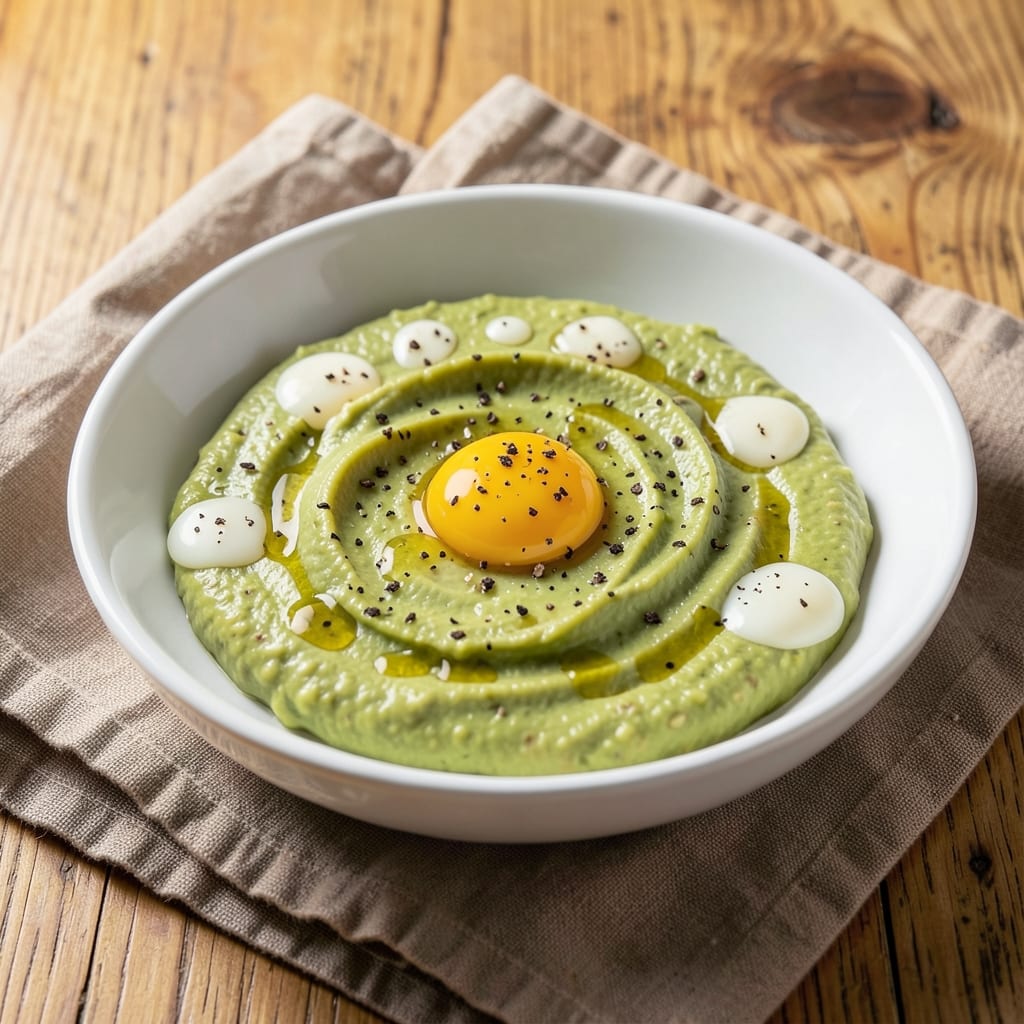
This avocado egg spread recipe transforms simple ingredients into a silky, creamy dip that’s perfect for toast, crackers, or even as a sandwich spread. The magic lies in blending ripe avocado with beaten eggs and a touch of acidity—whether lemon juice or vinegar—to create a texture that’s smooth yet rich, with just the right balance of tang and creaminess.
What sets this spread apart is its versatility—it’s ready in minutes but stays fresh for days when stored properly. The key to success is using perfectly ripe avocados (they should yield slightly to gentle pressure) and blending just until smooth, avoiding over-processing that can turn it greasy. Season with salt, pepper, and a squeeze of lime for brightness, then adjust to taste.
Once you’ve mastered the base, the possibilities expand: fold in chopped herbs for a fresh twist, a dash of hot sauce for heat, or even a sprinkle of smoked paprika for depth. The result is a spread that’s creamy yet stable, holding its shape on toast without sliding off. It’s the kind of condiment that elevates breakfast from ordinary to indulgent with minimal effort.
Best of all, this recipe scales effortlessly—double the batch for gatherings or meal prep ahead. Store it in an airtight container in the fridge for up to 5 days, giving you a quick, nutritious option for busy mornings. Let’s make this spread your new go-to for brunch or snack time.
Ingredients for avocado egg spread
Eight simple ingredients create this velvety avocado egg spread perfect for any morning.
| Ingredient | Amount | Notes |
|---|---|---|
| Ripe Avocados 🥑 | 2 whole | Pitted, flesh scooped |
| Large Eggs 🥚 | 2 whole | Room temperature for blending |
| Extra-Virgin Olive Oil 🫒 | ¼ cup | High quality, fruity |
| Lemon Juice 🍋 | 1 tbsp | Freshly squeezed |
| White Vinegar 💧 | 1 tsp | For tangy balance |
| Salt 🧂 | ½ tsp | Diamond Crystal preferred |
| Ground Black Pepper 🌶️ | ¼ tsp | Freshly ground for best flavor |
| Fresh Lime Juice 🍋 | 1 tbsp | Brightens the flavor |
| Fresh Cilantro Leaves 🌿 | ¼ cup | Chopped, optional garnish |
The avocados are everything here. Ripe but firm—they should yield slightly to gentle pressure—is key. Whole Foods or your local farmers market usually have the best selection. I prefer Hass avocados for their creamy texture, but any ripe variety works. The eggs should be large and fresh—room temperature blends more smoothly. For the olive oil, California avocado oil adds a neutral flavor that lets the avocado shine, but any extra-virgin will do. Lemon juice and lime juice are interchangeable, but using both layers the tang perfectly.
No fresh lime? Extra lemon juice works, but you'll lose that citrusy brightness. Short on cilantro? Fresh parsley or dill adds a nice contrast. The vinegar is non-negotiable for stability—it helps the spread hold its shape on toast. For a smoky twist, add 1/4 tsp smoked paprika to the blend. Want more protein? Fold in 1/4 cup Greek yogurt. The spread thickens as it chills, so if it's too thick after blending, add 1 tsp water or milk to adjust.
This spread keeps beautifully in an airtight container for 5 days in the fridge. For longer storage, portion into ice cube trays and freeze for up to 3 months. Thaw overnight in the fridge before using. The texture firms up slightly when chilled, so blend again briefly before serving. I always make a double batch—one for breakfast, one for snacking with crackers. The flavor actually improves after sitting overnight as everything melds together.
Why You'll Love This Recipe
- No Mash Required: I’ll admit, I used to dread mashing avocados—messy, uneven, and always a little sad-looking. But this recipe? Just blend, let the immersion stick do the work, and you’ve got a silky, lump-free spread in seconds. No one’s judging your avocado-handling skills here.
- Creamy With Bite: The eggs add that rich, custardy depth, but the lemon juice and vinegar cut right through—like a bright, tangy hug. It’s not just another guac; it’s got that something that makes you reach for seconds without thinking.
- Breakfast to Brunch: Honestly, this spread is my lazy weekend hero. Slather it on toast for a quick breakfast, dollop it into scrambled eggs for extra richness, or even use it as a dip for veggies when friends drop by. No rules, just flavor.
Step-by-step instructions for avocado egg spread
Here's how to create a velvety, creamy avocado spread with perfect texture every time.
Prepare the Base Ingredients
Begin by scooping the flesh from the 2 whole ripe avocados into a food processor or high-powered blender. I like to use a microplane to remove any avocado pits that might have transferred during scooping—those can create gritty texture. Add the 2 whole large eggs (room temperature) to the processor along with the 0.25 cup extra-virgin olive oil.
This combination of avocado and eggs creates the perfect fat-to-protein ratio for a stable, creamy spread. The eggs act as a natural emulsifier, preventing separation. If your eggs aren't room temperature, let them sit at room temperature for 15 minutes before adding—they'll blend more smoothly and create a more uniform texture.
Blend Until Silky Smooth
With the food processor running on low speed, gradually add the 1 tablespoon lemon juice and 1 tablespoon fresh lime juice. The acidity from these citrus juices helps balance the richness of the avocado and eggs while preventing browning. Process for 1-2 minutes until the mixture is completely smooth, scraping down the sides as needed.
This blending time is crucial—you're looking for a texture that's completely homogeneous with no visible avocado chunks. If you taste it now, it should be thick but still pourable. The blend should be pale green in color with a velvety appearance. If it's too thick, add 1-2 teaspoons of water to achieve the right consistency.
Season and Emulsify
Add the 0.5 teaspoon salt, 0.25 teaspoon ground black pepper, and 1 teaspoon white vinegar to the processor. The vinegar adds a subtle tang that complements the richness while helping to stabilize the emulsion. Process for another 30-45 seconds until all ingredients are fully incorporated and the seasoning is evenly distributed.
Here's where the magic happens: With the processor running on low speed, slowly drizzle in the 0.25 cup extra-virgin olive oil. This gradual addition creates a stable emulsion that prevents separation. The mixture should become noticeably lighter in color and develop a luxurious, creamy texture. If you stop the processor now and taste it, you should get that perfect balance of creamy, rich avocado with bright citrus notes.
Adjust Texture and Finish
Transfer the spread to a serving bowl and taste immediately. At this stage, you might find it needs slight adjustments. If it's too thick, add 1-2 teaspoons of water or more lemon juice until it reaches a spreadable consistency. For a smoother texture, blend again briefly. The spread should be thick enough to hold its shape on toast but still spread easily with a knife.
For garnish, gently fold in the 0.25 cup chopped fresh cilantro leaves just before serving. This adds a fresh herbal note that brightens the dish. If you prefer a smoother finish, you can blend the cilantro in briefly, but I like the visual contrast it provides. Cover the spread with plastic wrap pressed directly onto the surface to prevent a skin from forming, and refrigerate for up to 2 days.
Pro Tips For Making Avocado Egg Spread
- MASH AVOCADOS FIRST: I learned this the hard way—slicing avocados into the egg mixture leads to a watery, uneven mess. Scoop the flesh directly into a bowl and mash it smooth with a fork before adding anything else. This keeps the texture creamy and prevents the spread from turning into a sad, soupy puddle.
- COOK EGGS LOW AND SLOW: If you’re poaching or soft-boiling the eggs, don’t rush it. A gentle simmer (around 170°F/77°C) for 6-7 minutes for poached eggs—or 6 minutes in cold water for soft-boiled—gives you perfectly runny yolks without overcooking the whites. Overcooked eggs turn the spread grainy and rubbery, and nobody wants that.
- SALT THE EGGS BEFORE MASHING: Add a pinch of salt to the eggs while they’re still warm from cooking. It seasons them properly and prevents the avocado from stealing all the flavor later. I used to skip this, and the spread always tasted bland—like the avocado was hogging all the attention.
- BALANCE ACID WITH OIL: The lemon juice and vinegar brighten the dish, but too much makes the spread taste sharp and unappetizing. For every tablespoon of acid, add an extra drizzle of olive oil—about ½ teaspoon—to mellow it out. The oil also helps bind the mixture, so you’re killing two birds with one spoon.
Troubleshooting this recipe
Grainy Texture Fix
If your spread has a gritty texture, it’s likely from avocado pits or under-blending. First, strain the mixture through a fine-mesh sieve to catch any stray pits or fibrous bits. For a smoother result, pulse the avocado in the food processor for 10-15 seconds before adding eggs—this breaks down the flesh more evenly. If using a blender, ensure the blade is sharp and clean. 💡
Separation Issues
Separation happens when the emulsion breaks, often due to too much liquid or insufficient emulsifiers. To fix it, whisk the separated layers vigorously in a bowl, then re-blend with 1 tablespoon Greek yogurt or 1 extra egg yolk to stabilize. For prevention, always add vinegar and citrus juices gradually while blending, and avoid over-mixing after adding olive oil.
Too Thick or Dry
A thick spread usually means the avocados weren’t ripe enough or the blend needs more fat. Add 1-2 teaspoons of extra-virgin olive oil and blend again until smooth. For a tangier fix, stir in ½ teaspoon more lemon juice—the acidity helps thin the texture naturally. If it’s still too stiff, warm the mixture gently in a bowl over hot (not boiling) water for 10-15 seconds, then blend again.
Too Thin or Runny
If your spread is too thin, it’s likely over-blended or lacks stabilizing fat. Let it sit in the fridge for 15-20 minutes to thicken naturally. For an immediate fix, whisk in 1 tablespoon of cornstarch or 1 extra avocado (mashed) to bind the mixture. Avoid adding flour—it can create a chalky texture. Chill again before serving to restore proper consistency. ❄️
Egg-Related Problems
If your spread tastes overly eggy or has a raw egg flavor, the eggs weren’t fully incorporated. Re-blend the mixture with 1 tablespoon of hot water (just off the boil) to cook the eggs gently in the processor. For a smoother texture, use pasteurized liquid eggs instead of whole eggs—they blend more uniformly. Always ensure eggs are room temperature to prevent clumping.
Storage Gone Wrong
If your spread develops a grayish tint or off smell after refrigeration, it’s oxidized or spoiled. To prevent this, press plastic wrap directly onto the surface to minimize air exposure. For longer storage, portion into ice cube trays, freeze, and transfer to a sealed bag. Thaw overnight in the fridge—never at room temperature. If it smells sour or tastes bitter, discard it immediately. 🚫
Nutrition facts
Frequently asked questions
Can I make this spread without eggs?
The eggs are essential for creating that stable, creamy texture—without them, the spread will be too thin and may separate. For a vegan version, use 2 tablespoons of aquafaba (chickpea brine) or 1/4 cup silken tofu blended with 1 tablespoon of cornstarch to mimic the binding properties. The flavor will differ slightly, but the texture will still be smooth.
How do I know when my avocados are perfectly ripe?
Press gently on the avocado—it should yield slightly to pressure but not feel mushy. The skin should also darken slightly (for Hass avocados) and have a slight give when squeezed. If it’s too firm, let it ripen at room temperature for 1-2 days. Overripe avocados (brown, mushy) will make your spread bitter and watery.
Can I use this spread in hot dishes?
This spread is best served cold or at room temperature—heating it will cause the eggs to scramble and the texture to break down. For warm dishes, try blending the avocado with 1/4 cup Greek yogurt instead of eggs, which holds up better to gentle heat (like in wraps or toasted sandwiches). Avoid adding it to hot soups or sauces.
Why did my spread turn gray after refrigerating?
Graying happens when avocado oxidizes due to air exposure. To prevent this, press plastic wrap directly onto the surface of the spread before sealing the container. For longer storage, portion into ice cube trays, freeze, and transfer to a bag. Thaw overnight in the fridge—never at room temperature—to preserve color and texture.
What’s the best way to store leftovers?
Transfer the spread to an airtight container and press plastic wrap directly onto the surface to minimize air exposure. It’ll keep fresh in the fridge for 3-4 days. For longer storage, freeze in 1-tablespoon portions—thaw overnight in the fridge before using. Avoid freezing if you’ve added fresh herbs like cilantro, as they’ll turn mushy.