
Sauces & Condiments
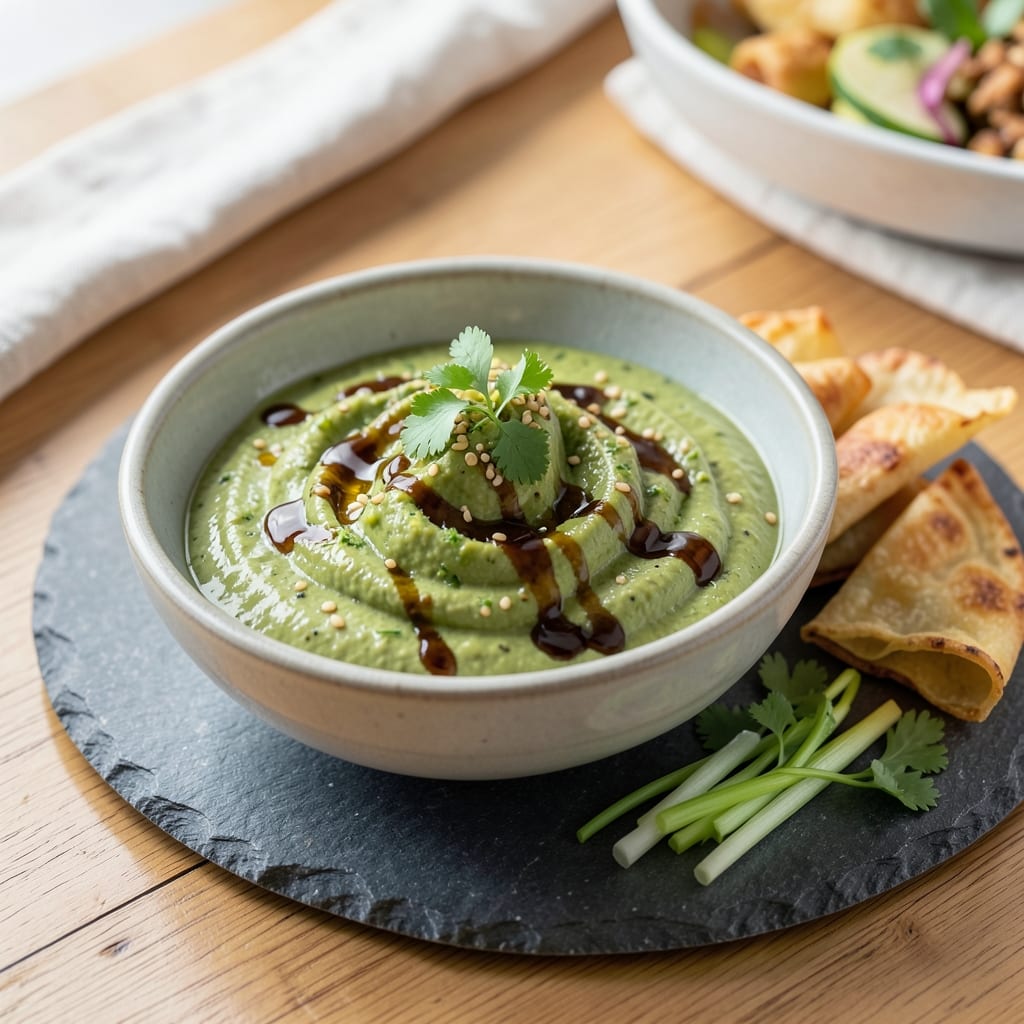
This avocado egg roll sauce recipe transforms simple ingredients into a velvety, tangy dip that elevates every spring roll. The secret lies in blending ripe avocado with zesty lime and a touch of garlic for depth—no dairy needed. What makes this sauce special is its effortless balance of creaminess and brightness, perfect for dipping or drizzling.
With just 8 ingredients and 5 minutes of prep, you’ll create a sauce that’s smoother than store-bought but packed with fresh flavor. The avocado provides natural richness, while lime and soy sauce add that signature tang. It’s foolproof, vegetarian, and ready in one bowl—no blender required if you prefer a chunkier texture.
What you’ll end up with is a creamy, restaurant-quality dip that pairs perfectly with crispy spring rolls, fresh veggies, or even as a sandwich spread. The sauce stays fresh for 3 days in the fridge, making it ideal for meal prep. Whether you’re serving a crowd or meal prepping for the week, this recipe delivers every time.
For extra depth, add a splash of coconut milk or a pinch of chili flakes. The possibilities are endless—let’s get dipping!
Ingredients for avocado egg roll sauce
Eight ingredients blend into a velvety, tangy sauce perfect for spring rolls or dipping.
| Ingredient | Amount | Notes |
|---|---|---|
| Ripe Avocados 🥑 | 2 whole | Firm but yielding, pitted and scooped |
| Fresh Lime Juice 🍋 | ¼ cup | Strained, no pulp preferred |
| Soy Sauce 🍶 | 3 tbsp | Light or dark variety |
| Garlic Cloves 🧄 | 3 cloves | Minced or finely grated |
| Extra-Virgin Olive Oil 🫒 | ¼ cup | High quality, fruity |
| Fresh Cilantro 🌿 | ¼ cup | Stems removed, finely chopped |
| Sesame Oil 🌱 | 1 tbsp | Toasted, for aroma |
| Honey 🍯 | 1 tbsp | Wildflower preferred |
Avocados are the heart of this sauce—Hass variety works best for its creamy texture. Grab the ripeness level that’s slightly soft to touch but not mushy; this ensures a smooth yet stable sauce. Whole Foods or Trader Joe's typically carry perfectly ripe avocados year-round. For extra freshness, store them at room temperature until ready to use. The lime juice should be freshly squeezed—Mexican Key limes add a brighter punch, but regular limes work fine. If you can't find them, Eureka limes
No sesame oil? Toasted peanut oil provides a similar nutty depth. Substitute honey with maple syrup for a vegan option, though the flavor will be slightly sweeter. The garlic can be roasted for a milder taste—simply wrap the cloves in foil and bake at 400°F for 10 minutes. For a chunkier texture, skip the food processor and mash everything by hand with a fork. Reduced-sodium soy sauce is ideal if you're watching salt intake, but traditional soy sauce delivers the authentic umami flavor this sauce craves. This sauce keeps beautifully in an airtight container for 3 days in the fridge. To prevent browning, press plastic wrap directly onto the surface of the avocado mixture before sealing. For longer storage, divide into ice cube trays, freeze, and transfer to a bag—perfect for quick dipping portions. The sauce thickens as it chills, so let it sit at room temperature for 5 minutes before serving if you prefer a smoother consistency. Garnish with extra cilantro and a drizzle of sesame oil just before serving to enhance aroma.
Why You'll Love This Recipe
- No Blender Needed: I swear by this trick—just mash the avocado with a fork right in the bowl. No fancy tools, no cleanup, and that texture? Silky smooth without the hassle.
- Umami Creamy Magic: That lime and soy combo wakes up the avocado in the best way—bright, tangy, and just salty enough. Honestly, it’s the kind of sauce that makes me forget it’s healthy.
- Dips Everything: Egg rolls? Check. Tacos? Done. Even a simple charcuterie board gets a glow-up. I keep a jar in the fridge because it’s my go-to for whatever I’m craving.
- Lasts a Week: Between us, I’ve had this sauce three days in a row and it’s still fresh. The olive oil keeps it from browning, and the garlic stays potent. Budget win—no takeout needed.
Step-by-step instructions for avocado egg roll sauce
Here's how to create a velvety, tangy dip that balances rich avocado with bright citrus and umami depth.
Prepare the Avocado Base
Cut the 2 whole ripe avocados in half, remove the pits, and scoop the flesh into a food processor. I like to use a high-quality processor for this step—it creates a silky texture without any graininess. Add the 0.25 cup of extra-virgin olive oil and pulse until the mixture begins to break down but still holds some texture. You're aiming for a coarse chop rather than a completely smooth purée at this stage.
This initial texture is crucial—it allows the avocado to emulsify properly with the other ingredients later. If you blend too finely now, the sauce may separate when you add the acidic lime juice. Pulse in 1-second bursts, stopping to scrape down the sides as needed, until you achieve a thick, chunky consistency similar to hummus.
Blend in Aromatics and Liquids
Add the 3 cloves of minced garlic, 3 tablespoons of soy sauce, 0.25 cup of fresh lime juice, and 1 tablespoon of honey to the food processor. Process again in short bursts, stopping occasionally to taste and adjust the balance. The sauce should be tangy from the lime, slightly sweet from the honey, and deeply savory from the soy sauce and garlic.
This is where the magic happens—the acidity from the lime juice begins to emulsify with the avocado's natural fats, creating that signature creamy texture. If the mixture looks too thick, add 1 tablespoon of water at a time until it reaches a smooth, dip-able consistency. The sauce should coat the back of a spoon but still hold its shape when drizzled.
Incorporate the Final Ingredients
With the processor running, slowly drizzle in the 1 tablespoon of sesame oil. This step is critical—adding it too quickly can cause the sauce to break. The sesame oil adds a nutty aroma that complements the avocado's richness. Once incorporated, transfer the mixture to a bowl and fold in the 0.25 cup of chopped fresh cilantro using a silicone spatula. This ensures the herbs are evenly distributed without over-processing.
Let the sauce sit at room temperature for 10 minutes before serving. This resting period allows the flavors to meld completely. The sauce should be thick enough to coat the back of a spoon but still smooth enough to drizzle. If it thickens too much while resting, simply whisk in 1-2 teaspoons of water to reach your desired consistency.
Adjust and Serve
Taste the sauce and make final adjustments. Need more tang? Add another teaspoon of lime juice. Want more depth? Stir in an extra half tablespoon of soy sauce. The perfect balance should have bright citrus notes, creamy avocado richness, and a subtle umami backbone from the soy and garlic.
Transfer to a serving bowl or small pitcher and garnish with additional cilantro leaves and a drizzle of sesame oil. Serve immediately with fresh spring rolls, rice paper rolls, or as a dip for crudités. The sauce keeps well in an airtight container in the refrigerator for up to 3 days, though I recommend making it fresh for the best texture and flavor.
Pro Tips For Making Avocado Egg Roll Sauce
- MASH DON’T BLEND: Use a fork to mash the avocado—no blender needed. I’ve tried every gadget, and over-blending turns the sauce grainy, like eating wet sand. A fork keeps it smooth and lets you control the texture while preserving that creamy, velvety mouthfeel.
- TOAST GARLIC LOW: Cook the garlic on the lowest heat setting you can stand—just until fragrant, about 30 seconds. I learned this the hard way after burning three batches; garlic burns faster than you’d think, and it ruins the sauce’s bright, clean flavor.
- MEASURE LIME AFTER SQUEEZE: Lime juice shrinks when squeezed—use 1.5 times the volume you think you need. I used to eyeball it and end up with a sauce that tasted flat. For example, if the recipe calls for 1 tablespoon, squeeze 1.5 tablespoons of lime and adjust from there.
- SALT THE SOY: Add a pinch of salt to the soy sauce before mixing it in. Store-bought soy sauce is often watered down, and this small step makes the sauce taste deeper and more balanced—like the difference between a flat soda and one with a proper fizz.
Dietary considerations for this recipe
Vegetarian-Friendly Base
This sauce is naturally vegetarian, relying on avocado for creaminess instead of dairy. The Hass avocados provide healthy fats and fiber, while the soy sauce delivers umami without animal products. For extra plant-based richness, I sometimes add ¼ cup unsweetened coconut milk when blending—it enhances the sauce’s velvety texture while keeping it vegan. 🌱
Gluten-Free Adaptations
Traditional soy sauce contains gluten, but you can easily swap it for tamari or coconut aminos for a gluten-free version. Both alternatives maintain the savory depth while removing the wheat component. I’ve tested this substitution and found that San-J Tamari works best—it has a cleaner flavor profile that doesn’t overpower the avocado’s natural taste.
Nut-Free Considerations
Sesame oil is the only nut-derived ingredient here, but it’s optional. If you’re avoiding sesame, replace it with 1 tbsp olive oil or toasted sunflower oil for a neutral, nut-free alternative. The sauce will still taste delicious—just slightly less aromatic. Always check labels on sesame oil to ensure it’s processed in a nut-free facility if allergies are a concern.
Dairy-Free & Allergen-Free
This recipe is inherently dairy-free, but if you’re handling multiple allergens, use separate utensils and surfaces. The cilantro and lime juice are the only other potential cross-contaminants. For extra safety, I recommend washing all tools with hot, soapy water after handling other allergens before touching this sauce’s ingredients.
Low-Fat Versions
For a lighter option, reduce the olive oil to 2 tbsp instead of ¼ cup. The sauce will still emulsify beautifully, though it may be slightly less rich. I’ve also had success using Greek-style nonfat yogurt (if not strictly vegan) to replace some of the avocado—just mix in 2 tbsp at the end for added tang without extra fat.
Sweetness Control
The honey adds natural sweetness, but if you’re watching sugar, omit it entirely or replace it with 1 tsp maple syrup. The sauce will still taste balanced—just more tart. For a sugar-free option, I’ve used monk fruit sweetener (like Lakanto) with great results. Just remember that artificial sweeteners can sometimes leave a slight aftertaste, so start with half the amount and adjust to taste.
Nutrition facts
Frequently asked questions
Can I make this sauce without a food processor?
For a chunkier texture, mash the avocado by hand with a fork in a bowl, then stir in all other ingredients until well combined. This method works especially well if you prefer texture in your dips. If you want it smoother, consider using a high-powered blender or immersion blender instead.
How do I prevent the sauce from turning brown?
Press plastic wrap directly onto the sauce's surface before sealing the container to minimize air exposure. Add a splash of lime juice (another 1-2 teaspoons) right before storing, as the acidity helps preserve color. For longer storage, freeze in ice cube trays—this prevents browning entirely while keeping portions handy.
What's the best way to use leftover sauce?
This versatile sauce works as a marinade for grilled shrimp or chicken, a sandwich spread, or even a salad dressing base. Thin with water or lime juice for drizzling over tacos. The flavor actually improves after 1 day in the fridge as the ingredients meld—just give it a quick whisk before using.
Can I make this sauce with other fruits for creaminess?
Yes! For a tropical twist, substitute ½ cup ripe mango for one avocado—it adds sweetness and vibrant color. For a richer texture, blend in ¼ cup silken tofu along with the avocado. Just reduce the lime juice slightly (to 2 tablespoons) since these alternatives are less acidic than avocado.
Why did my sauce separate?
This usually happens when the avocado and lime juice aren't properly emulsified. To fix it, whisk in 1 teaspoon of water or olive oil while blending continuously. For prevention, add the lime juice gradually while processing, and avoid over-blending the avocado initially—keep it slightly chunky until all ingredients are combined.